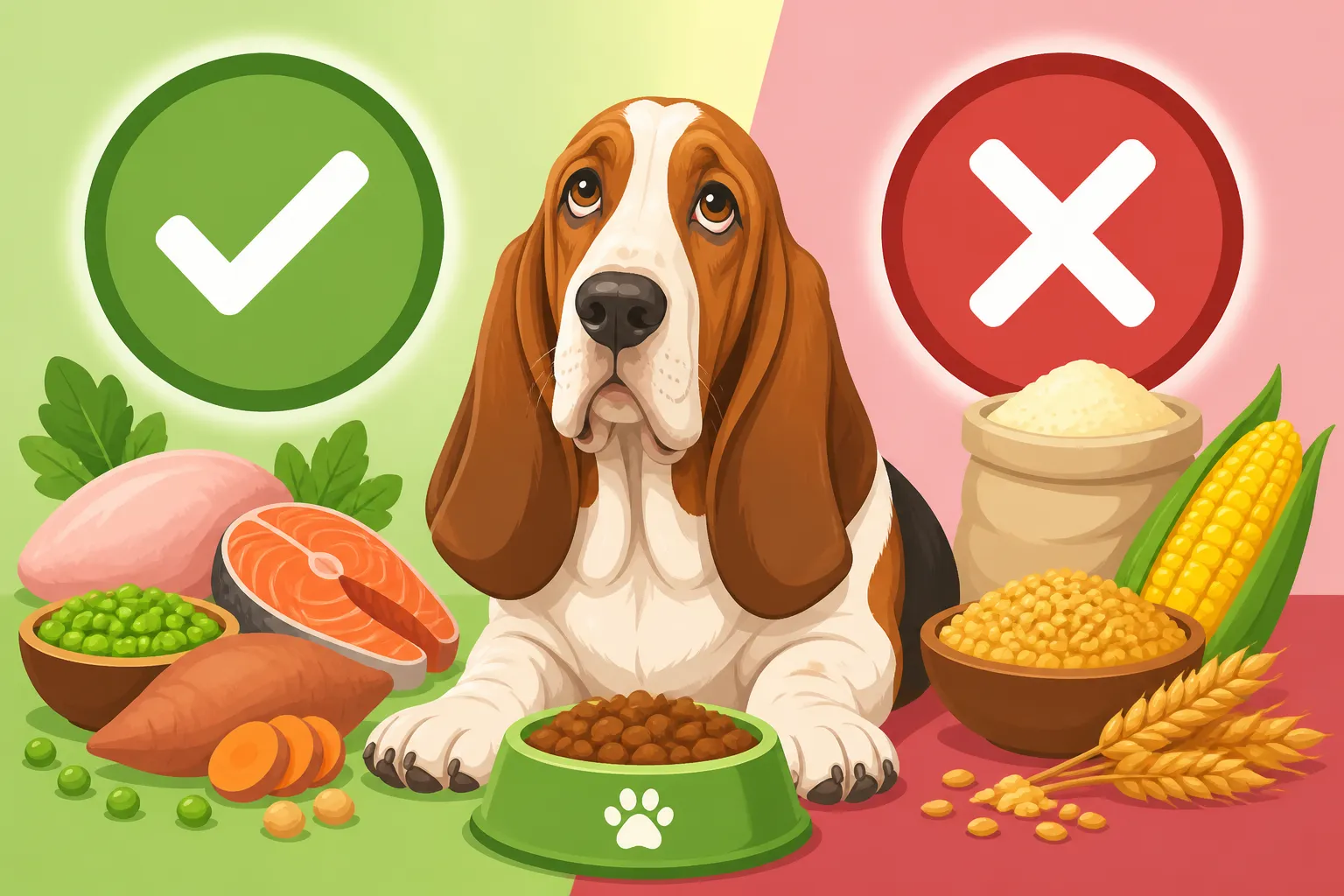
Whether a Basset Hound Needs Grain Free Food
It's completely understandable if you’ve found yourself scratching your head, walking the aisles of the pet store, or endlessly scrolling online, wondering if that "grain-free" label on dog food is truly the magic bullet for your beloved Basset Hound. The sheer volume of marketing claims and conflicting advice out there can make feeding your furry family member feel like solving a complex puzzle, especially when all you want is to do right by their health and happiness. This guide is here to untangle the confusion surrounding grain-free diets for Basset Hounds, offering clear, empathetic, and realistic insights to help you make an informed decision without feeling overwhelmed.
Understanding the Rise of Grain-Free Dog Food
Let's rewind a bit and talk about how grain-free dog food even became such a prominent thing. For years, most dog foods contained grains like corn, wheat, and soy. Then, a few decades ago, a trend started gaining serious traction in the human diet world: gluten-free and low-carb eating. It wasn't long before this philosophy hopped over into the pet food industry, driven by the idea that if grains weren't great for us, they couldn't be good for our dogs either.
The "Ancestral Diet" Allure
The core of the grain-free movement often ties back to the concept of an "ancestral diet" or "wolf diet" for dogs. The argument went something like this: dogs evolved from wolves, and wolves don't naturally eat grains, therefore, dogs shouldn't either. It sounds logical at first glance, doesn't it? You picture your Basset Hound, with its deep bay and keen nose, trotting through the wilderness, bringing down prey, not nibbling on cornfields. This narrative was incredibly powerful and resonated with many well-meaning pet owners who wanted to feed their dogs the most natural diet possible. You might see terms like "primal" or "biologically appropriate" on packaging, further reinforcing this idea.
Early Marketing and Misconceptions
Pet food companies, always keen to respond to consumer interest (and rightly so!), started developing and heavily marketing grain-free options. These foods were often positioned as superior, implying they were healthier, caused fewer allergies, and were closer to what a dog's digestive system was truly designed for. Many owners believed that grains were simply "filler" ingredients, devoid of nutritional value, and potentially harmful. This led to a huge shift in the market, with grain-free becoming not just an option, but often seen as the best option for discerning pet parents.
The truth, as often happens, is a bit more nuanced than clever marketing suggests. While the intention behind feeding grain-free was almost always good, some of the underlying assumptions about canine biology and nutritional needs weren't entirely accurate, which we'll delve into next. It's a prime example of how human dietary trends can spill over into our pet's lives, sometimes with unintended consequences.
The Science Behind Grains and Canine Nutrition
It’s easy to get caught up in the hype surrounding different diet trends, but when it comes to your Basset Hound's health, understanding the basic science is far more valuable than following fads. Let’s talk about grains – what they are, what role they play in a dog’s diet, and how our beloved hounds actually digest them.
What Are Grains, Really?
When we talk about grains in dog food, we're usually referring to ingredients like corn, wheat, rice, barley, oats, and sorghum. These are primarily sources of carbohydrates, but they also provide other crucial nutrients. For example, whole grains are rich in fiber, which is fantastic for digestive health and can help regulate blood sugar. They also offer essential vitamins (like B vitamins) and minerals, and even some protein.
The idea that grains are just "fillers" is a big misconception. Quality grains contribute valuable energy and nutrients, and they aren't merely there to bulk up the food. They're a cost-effective way to provide a dog with readily available energy, leaving more of the food's protein content available for muscle maintenance and other critical bodily functions. When choosing a dog food, whether it contains grains or not, the overall quality of ingredients and nutritional balance is what truly matters.
Can Dogs Digest Grains?
This is where the "wolf diet" argument often falters. While dogs did evolve from wolves, a significant amount of evolution has occurred since then, especially since domestication. Research has shown that dogs have actually developed more copies of a gene called AMY2B, which produces amylase – an enzyme crucial for starch digestion. This means that, unlike their purely carnivorous wolf ancestors, domestic dogs are quite capable of digesting carbohydrates, including grains. Their digestive systems have adapted over thousands of years to thrive on a diet that includes both meat and plant matter, often benefiting from the readily available energy found in grains.
Think about it: for centuries, dogs have lived alongside humans, sharing our scraps and eating foods that would have contained various grains. Their bodies have adapted beautifully to this omnivorous diet. So, while your Basset Hound might have a nose for tracking game, their gut is perfectly equipped to handle a bowl of high-quality, grain-inclusive kibble. Whether a Basset Hound Has a Sensitive Stomach is a separate concern, usually linked to specific protein or fat sensitivities rather than grains themselves.
Grain Allergies vs. Marketing Claims
Another common reason people gravitate toward grain-free diets is the belief that their dog might have a grain allergy. This is a huge area of misunderstanding. True food allergies in dogs are actually quite rare, and when they do occur, they are overwhelmingly to protein sources, not grains. Common culprits for allergies include chicken, beef, dairy, and eggs – not corn or wheat.
Symptoms often attributed to grain allergies, like itchy skin, paw licking, or digestive upset, are far more likely to be caused by environmental allergens, flea allergies, or an intolerance to a specific protein in their food. If your Basset Hound is experiencing these issues, a grain-free diet might coincidentally help if it also switches the protein source, but it's rarely the grains themselves that are the problem. A proper diagnosis from your veterinarian is key. They might suggest a food elimination trial, which is the most accurate way to identify a food allergy, rather than simply guessing with a grain-free option.
Here’s a quick overview of why grains are not necessarily bad:
| Aspect | Grain-Inclusive Dog Food (with quality grains) | Grain-Free Dog Food (with grain substitutes) |
|---|---|---|
| Primary Carbs | Corn, wheat, barley, rice, oats | Peas, lentils, potatoes, sweet potatoes, tapioca |
| Nutritional Role | Excellent source of energy, fiber, B vitamins, minerals, some protein | Provides energy, fiber, some nutrients |
| Digestion in Dogs | Dogs have evolved to digest starches efficiently | Digestible, but the substitutes can have other implications |
| Allergy Prevalence | True grain allergies are very rare; protein allergies are more common | Still prone to protein allergies; no inherent advantage for allergies |
| Fiber Source | Whole grains provide excellent soluble and insoluble fiber | Legumes and starchy vegetables provide fiber |
| Cost | Often more affordable while still being highly nutritious | Can sometimes be more expensive due to specialized ingredients |
When you're looking for food options, whether on Chewy or comparing brands on Amazon, always dive into the ingredient list beyond just the "grain-free" label. Focus on the overall balance and quality.
Potential Risks and Considerations of Grain-Free Diets for Basset Hounds
While the idea of a grain-free diet might sound appealing due to popular trends and marketing, there's a serious conversation we need to have about potential risks, especially concerning our unique Basset Hounds. For a long time, grain-free was touted as a healthier alternative, but recent scientific findings have brought some significant concerns to light.
The Link to Dilated Cardiomyopathy (DCM)
This is perhaps the most critical concern surrounding grain-free diets. In recent years, veterinary cardiologists and the FDA have been investigating a potential link between certain "boutique," "exotic ingredient," and "grain-free" (BEG) dog foods and an increased incidence of Dilated Cardiomyopathy (DCM) in dog breeds not typically genetically predisposed to the condition. Basset Hounds are not usually considered a breed at high risk for inherited DCM, which makes this link particularly worrying for owners who have switched to grain-free foods assuming they were doing good.
DCM is a serious heart disease where the heart muscle becomes thin and weak, making it unable to pump blood effectively. This leads to an enlarged heart and, eventually, heart failure. Symptoms can include lethargy, weakness, coughing, difficulty breathing, and even sudden collapse. It's a devastating diagnosis, and the possibility that diet could contribute to it is something every Basset Hound owner needs to be aware of.
The Role of Legumes and Starches
The FDA's investigation specifically highlighted ingredients commonly used as grain substitutes in grain-free dog foods, such as peas, lentils, chickpeas, and potatoes (including sweet potatoes). While these ingredients are not inherently bad and can provide nutrients, the concern is that when they make up a very significant portion of the diet, they might interfere with nutrient absorption or lead to deficiencies.
One theory suggests that these ingredients might affect the availability of taurine, an amino acid vital for heart health. Many of the dogs diagnosed with DCM on these diets showed low taurine levels, and some improved with taurine supplementation and a change in diet. However, it's a complex issue, and it's not simply about taurine deficiency in every case. The full mechanism of why these specific diets might contribute to DCM is still being researched, but the correlation is strong enough to warrant caution.
For a Basset Hound, whose health already requires careful monitoring for issues like What Extra Weight Does to a Basset Hound and The Back Trouble a Basset Hound Is Built Into, adding potential heart complications from an unproven diet trend is a risk many owners might not want to take.
Other Nutritional Considerations
Beyond DCM, there are other considerations. Some grain-free formulations might not be as nutritionally balanced as foods that adhere to established feeding guidelines from reputable veterinary nutrition organizations. When manufacturers remove grains, they need to replace that caloric and nutritional content with something else, often increasing the amount of meat protein or using other carbohydrate sources like the legumes mentioned above.
While protein is important, an imbalanced diet, regardless of whether it's grain-free, can lead to issues. For a breed like the Basset Hound, who already has a propensity for The Skin Under a Basset Hound's Folds and needs careful weight management, a diet that might inadvertently lead to other health issues isn't ideal. It's a delicate balance to get right, and relying solely on marketing claims without veterinary guidance can be risky.
Always remember that ingredients used in grain-free foods are often picked to appeal to human perceptions of health, rather than being strictly based on canine physiological needs. When considering your Basset Hound’s diet, it’s always best to prioritize scientifically-backed nutritional adequacy over trendy labels.
Making the Right Food Choice for Your Basset Hound
Navigating the world of dog food can feel like a minefield, especially with all the passionate opinions flying around. When it comes to whether your Basset Hound needs grain-free food, the short answer for most dogs is: probably not. And in some cases, it might even pose risks. So, how do you make the best decision for your unique hound?
Consulting Your Veterinarian or a Veterinary Nutritionist
This is arguably the most crucial step. Your local veterinarian knows your Basset Hound's individual health history, any pre-existing conditions, and can provide personalized advice. They can help you sift through the noise and recommend a diet that is appropriate for your dog's age, activity level, and health status.
If you have specific concerns about diet, or if your Basset Hound has complex health needs, your vet might even refer you to a board-certified veterinary nutritionist. These specialists have advanced training in animal nutrition and can formulate or recommend diets to address specific medical conditions or dietary requirements. Don't be afraid to ask for their expertise – they are there to help! You'll want to ensure that any food you choose supports The Ten to Twelve Years a Basset Hound Lives in the healthiest way possible.
What to Look For in a Dog Food
Instead of focusing solely on whether a food is "grain-free," shift your attention to the overall quality and nutritional adequacy. Here's what to consider:
- AAFCO Statement: Look for a nutritional adequacy statement from the Association of American Feed Control Officials (AAFCO) on the bag. This statement confirms that the food is "complete and balanced" for a particular life stage (e.g., "for all life stages," "for adult maintenance," or "for growth"). This is a fundamental stamp of quality.
- Reputable Brands: Seek out brands that invest in nutritional research, employ veterinary nutritionists on staff, and conduct feeding trials. These companies often have decades of experience and science backing their formulations. Many well-established brands, available through retailers like Chewy or your local pet store, have excellent grain-inclusive options.
- High-Quality Ingredients: Focus on foods with easily digestible protein sources (like chicken, lamb, beef), healthy fats, and appropriate carbohydrate sources (which can include grains or alternative starches). The first few ingredients listed give you a good idea of what the food is primarily made of.
- Avoid Excessive Marketing Hype: Be wary of foods that rely heavily on buzzwords and emotional appeals without scientific backing. Remember, "natural" or "holistic" don't necessarily mean nutritionally superior.
Monitoring Your Basset Hound's Health and Well-being
Once you've chosen a food, it's vital to monitor your Basset Hound for any signs that it's not agreeing with them. This is true for any diet change, grain-free or otherwise.
- Coat Condition: A healthy, shiny coat is often an indicator of good nutrition.
- Energy Levels: Is your Basset Hound maintaining appropriate energy levels for their age and breed? Whether an Old Basset Hound Still Needs Walks is a common question, and their energy will be a good indicator of their overall health.
- Stool Quality: Well-formed, consistent stools are a sign of good digestion.
- Weight Management: Monitor your Basset Hound's weight carefully. It's easy for these charming hounds to pack on pounds, and Keeping a Basset Hound at Its Correct Weight is crucial for their long-term health.
- Overall Demeanor: A happy, alert Basset Hound is usually a healthy one.
If you notice any adverse changes, like persistent scratching, digestive upset, lethargy, or changes in appetite, consult your vet immediately. They can help determine if the food is the culprit or if there's an underlying health issue.
In summary, for most Basset Hounds, a high-quality, grain-inclusive dog food from a reputable brand that meets AAFCO standards is a perfectly healthy and appropriate choice. The decision to go grain-free should ideally be made under the guidance of a veterinarian, typically only if a specific, diagnosed medical reason (which is rarely a grain allergy) warrants it. Don't let marketing push you into a decision that might not be in your Basset Hound's best interest.
Disclaimer
This article is for general informational purposes only and does not constitute professional advice. Laws, prices and regulations vary by location and change over time. Consult a qualified professional for guidance on your specific situation.