Whether a Basset Hound Drools More Than a Bulldog
One of the questions that often pops into the minds of potential Basset Hound owners, or even those just admiring these wonderfully unique dogs, is about the drool. We've all seen the pictures, the loose jowls, the soulful eyes, and a little bit of slobber hanging from the corners of their mouths. But how does that compare to another famously jowly breed, like the Bulldog? This guide will dive deep into the fascinating world of canine drooling, comparing the Basset Hound's tendencies with those of a Bulldog, and offering practical advice on how to manage it.
Understanding Drooling in Dogs: The Basics
Drooling, or ptyalism, is a completely natural bodily function for dogs, just as it is for humans. Saliva plays a crucial role in a dog's health, aiding in digestion, lubricating food, keeping the mouth clean, and even helping to regulate body temperature. But as any dog owner knows, some dogs take "a little drool" to a whole new level, leaving glistening trails on floors and furniture. It’s not just about how much saliva a dog produces, but also about how effectively their mouth structure contains it.
The Physiology Behind the Drip
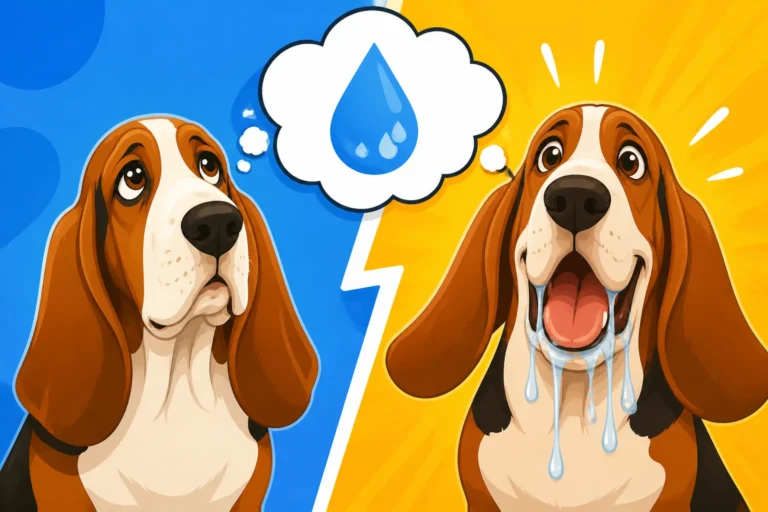
At its simplest, drooling is the excessive flow of saliva from the mouth. Saliva is produced by several glands in a dog's mouth and throat. When a dog anticipates food, gets excited, or even experiences certain smells, these glands go into overdrive, producing more saliva. This is a normal reflex – think about your own mouth watering when you smell your favorite dinner cooking. For dogs, this can be even more pronounced because their sense of smell is so incredibly powerful. Their olfactory system is designed to detect and process scents with an intensity we can barely comprehend, and this often triggers a salivary response.
However, the amount of saliva produced isn't the only factor. The shape and structure of a dog's mouth, lips, and jowls play a massive role in whether that saliva stays neatly inside or spills out. Dogs with very tight, well-fitting lips and mouths are like perfectly sealed containers; their saliva generally stays put. But breeds with loose, pendulous lips, often referred to as "flews," essentially have leaky containers. Gravity and movement make it almost impossible for all that healthy, necessary saliva to stay confined, leading to the characteristic drips and strings we associate with certain breeds. It’s not necessarily that they produce more saliva than other dogs, but rather that their anatomy is less equipped to hold it in.
When Drooling is Normal vs. a Warning Sign
Most of the time, a bit of drool is just part of life with a dog, especially with certain breeds. You'll see it when they're excited about a walk, waiting for a meal, or intensely focused on a particularly tasty treat. This kind of drooling is usually consistent with their breed's tendencies and doesn't indicate a problem. It’s just their normal, healthy salivary glands doing their job, combined with their unique facial structure.
However, there are times when drooling can signal something more serious. If your dog, regardless of breed, suddenly starts drooling excessively when they normally don't, or if the drooling is accompanied by other symptoms like lethargy, vomiting, difficulty eating, pawing at their mouth, or a change in behavior, it's time to pay attention. This could indicate dental issues like a cracked tooth or gum disease, nausea, an obstruction in their mouth or throat, ingesting something toxic, or even a more serious underlying health condition. Always observe the context and any accompanying signs. A sudden increase in drooling, particularly if it's thick, discolored, or foul-smelling, warrants a call to your vet. You know your dog best, so trust your instincts if something feels off.
The Basset Hound's Drool Factor
Ah, the Basset Hound. With those long, soulful eyes and incredibly distinctive facial features, it's no surprise that drool is often part of their charm. But what exactly contributes to their propensity for a bit of slobber? It's a combination of their unique anatomy and their enthusiastic reactions to life's many pleasures.
Loose Lips and Gravity
The Basset Hound's signature look is largely defined by its loose, abundant skin, especially around the face and neck. Their long, pendulous ears are iconic, but it's those wonderfully droopy jowls and flews that are the primary culprits for their drooling reputation. These lower lips are designed to hang low, creating a perfect basin for saliva to accumulate. Unlike dogs with tighter lips that form a neat seal, a Basset's mouth is more like an open cup. When saliva is produced, there's simply nowhere for it to go but down and out. Gravity then does its work, pulling those lovely, glistening strings towards the floor, or onto your pants, or across the kitchen.
This anatomical quirk is a defining characteristic of the breed, developed over centuries for their scent-tracking abilities. The loose skin and jowls, along with their long ears, are thought to help cup and trap scent particles, enhancing their incredible nose work. So, while it contributes to drool, it's also a fundamental part of what makes a Basset Hound such an exceptional tracker. It's a trade-off, perhaps, but one that Basset lovers readily accept as part of their dog's endearing qualities. Managing this involves a bit of routine cleaning, but it's a small price to pay for such a magnificent nose and personality. You might find yourself reaching for a drool rag more often than not.
Environmental and Excitement Triggers
Beyond their physical build, Basset Hounds are also very responsive dogs, and their drooling can definitely ramp up with excitement or in specific environments. Imagine your Basset Hound catching a whiff of bacon from the kitchen – their salivary glands go into overdrive! This isn't just a gentle trickle; it can be a full-on faucet moment. The anticipation of food, a favorite toy, or even the sound of your car pulling into the driveway can trigger a significant increase in saliva production. This enthusiastic response to stimuli is part of their endearing nature; they simply don't hold back their feelings, and sometimes those feelings come with a little extra moisture.
Environmental factors can also play a role. A hot, humid day can make any dog pant more to cool down, and with a Basset's loose jowls, this panting can easily lead to more visible drool. Similarly, intense exercise, even short bursts, can increase panting and consequently, drooling. It's important to remember that this isn't necessarily a sign of discomfort, but rather a normal physiological response made more obvious by their breed-specific facial structure. Keeping them cool on warm days and having a drool towel handy during playtime or feeding times can help manage the drips. Consider using a raised feeder to help keep their long ears out of their food and water, which can inadvertently get messy with drool. Whether a Basset Hound's Drool Stains Furniture is a real concern, so proactive cleaning is key.
The Bulldog's Drool Factor
Now, let's talk about the Bulldog. Known for their stout build, wrinkled face, and endearing underbite, Bulldogs are another breed often associated with drooling. While both Basset Hounds and Bulldogs drool, the reasons and patterns can differ due to their distinct anatomies.
Brachycephalic Anatomy and Oral Structure
Bulldogs are a brachycephalic breed, meaning they have a shortened skull, which gives them their characteristic "flat" face. This unique head shape comes with a specific oral structure that significantly contributes to their drooling. Their lower jaw often protrudes past the upper jaw, leading to a prominent underbite. Combine this with loose, fleshy lips and an often-present dental crowding, and you have a recipe for saliva spillage. The way their jaws meet, or rather don't always meet perfectly, can make it difficult for them to seal their mouths completely, allowing saliva to escape.
Furthermore, the excess skin folds and wrinkles on a Bulldog's face, while adorable, can also trap moisture, leading to skin fold dermatitis if not kept clean. These folds are part of the brachycephalic package and are more about the overall facial compression than just loose lips in isolation. The combination of a pushed-in nose, an underbite, and copious loose jowls means that any excess saliva has a very difficult time staying contained within the mouth. It simply has too many escape routes and not enough structure to hold it back effectively. This anatomical reality means that a certain level of drool is just an inherent part of Bulldog ownership. Cleaning a Basset Hound's Face Wrinkles is important, but Bulldogs often have even more prominent facial folds requiring attention.
Heat and Exertion
For Bulldogs, heat and exertion are particularly potent triggers for drooling, often more so than for Basset Hounds. Due to their brachycephalic syndrome, Bulldogs can struggle with regulating their body temperature, especially in warm weather or during physical activity. Their shortened airways make it harder for them to pant efficiently, which is a dog's primary way of cooling down. When they try to cool off by panting more rapidly, the increased airflow combined with their oral structure leads to a significant increase in foamy, visible drool. This isn't just a cosmetic issue; it's a sign that they might be overheating.
Owners of Bulldogs must be vigilant about keeping their dogs cool and limiting strenuous exercise, especially during the hotter parts of the day. A seemingly short walk on a warm day can quickly escalate into an emergency for a Bulldog, with excessive drooling being a key warning sign of heat stress. While Basset Hounds also pant and drool more in the heat, their respiratory systems are generally not as compromised as a Bulldog's, making the heat-induced drooling in Bulldogs a more critical indicator of potential danger. Always ensure fresh, cool water is available, and avoid over-exertion. Whether a Basset Hound Overheats in Summer can be an issue, but it's often more severe and critical for a Bulldog.
Direct Comparison: Basset Hound vs. Bulldog Drool
So, who wins the drool contest? It's not always a clear-cut answer, as individual dogs within each breed can vary, but generally, we can break down the primary drivers of drool for both the Basset Hound and the Bulldog.
Anatomical Predisposition: Who Has the 'Looser' Mouth?
When it comes to pure anatomical predisposition for drooling, both breeds are strong contenders due to their facial structures, but there are subtle differences in why they drool.
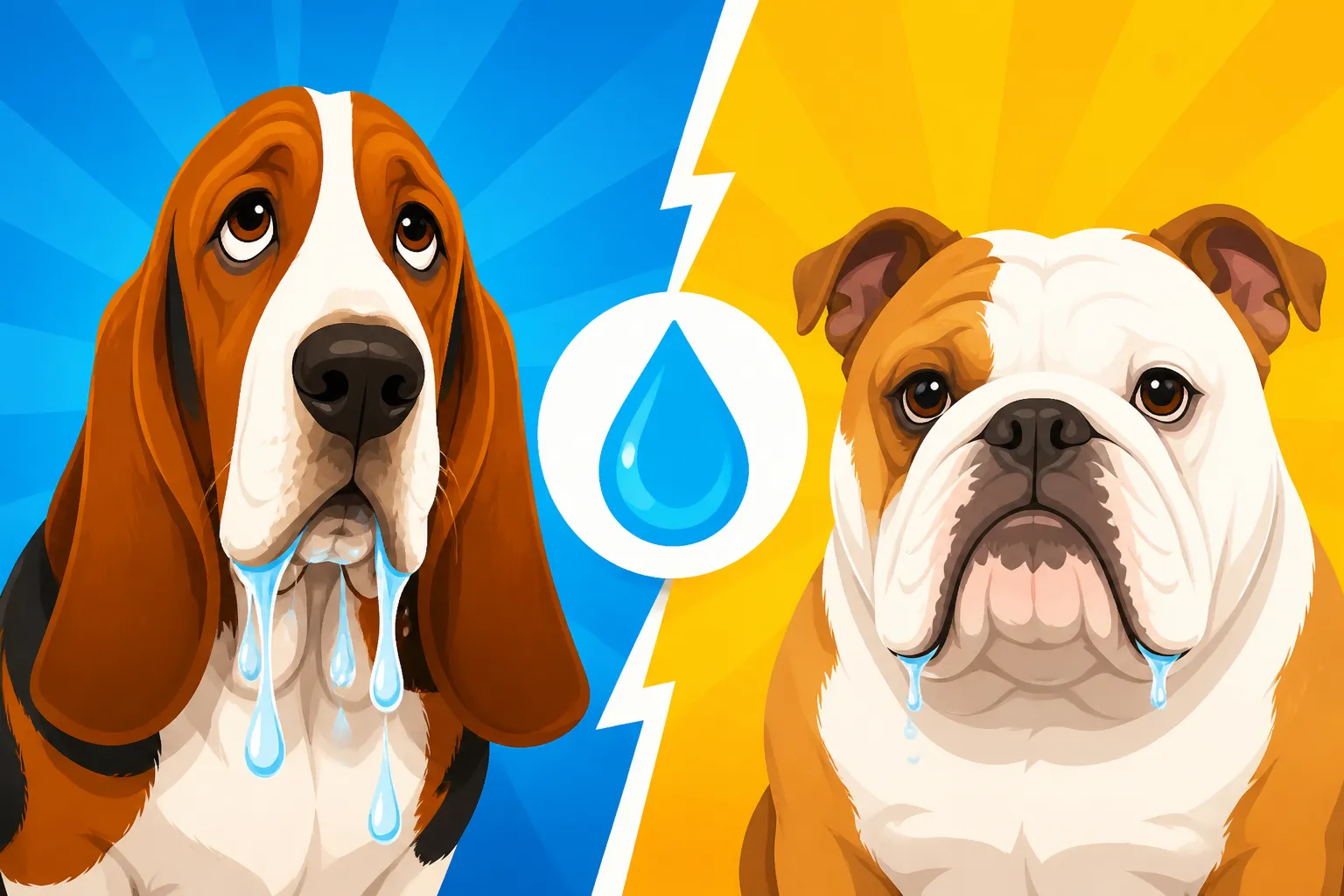
Basset Hounds primarily drool because of their remarkably loose, pendulous lips and jowls. Their mouth structure itself is fairly normal, but the sheer volume of loose skin around their muzzle means there's no tight seal to keep saliva in. Imagine a bucket with holes in the bottom – no matter how much water you pour in, it’s going to leak out. A Basset's mouth is similar; saliva is produced, and gravity, combined with those generously proportioned flews, ensures a steady drip. Their head shape isn't significantly compromised in terms of breathing, so the drool is largely a mechanical issue of containment. This means the typical Basset drool is often a clear, stringy saliva, especially when excited or anticipating food.
Bulldogs, on the other hand, have a more complex drooling profile. Their brachycephalic (shortened) skull, combined with a pronounced underbite and often crowded teeth, means they frequently cannot form a complete seal with their mouths even when relaxed. This inherent structural challenge allows saliva to escape more readily. Beyond that, their unique facial folds and often compromised breathing make them pant more, which generates more saliva and makes it frothier and more visible. So, while a Basset's drool is often a steady drip from loose lips, a Bulldog's can be a combination of steady leakage and foamy expulsion due to respiratory effort, particularly when hot or stressed. In many cases, a Bulldog's drooling can be more consistent and sometimes more profuse due to these combined factors.
Lifestyle and Management: How Daily Life Impacts Perceived Drool
The perceived amount of drool can also be heavily influenced by how these dogs live and the activities they engage in.
For Basset Hounds, their low-to-the-ground, scent-driven nature means their long ears and jowls are constantly sweeping the ground, picking up not just scents but also dirt and moisture. When they're outside trailing a fascinating smell, their drool can mix with damp grass or soil, making the slobber more apparent and messy. Their general enthusiasm for food and walks means that anticipatory drool is a common sight. Managing a Basset's drool often involves keeping a handy towel, especially after meals or exciting events. You'll likely wipe their mouths and jowls quite frequently. Brands like Chewy or Amazon offer a variety of dog-specific wipes and drool rags that can be a lifesaver for keeping things tidy. Consider a snood for dinner to keep those long ears out of the food and prevent extra mess. Whether a Basset Hound's Mouth Should Be Wiped Daily is a question many owners face.
Bulldogs, while less prone to trailing outdoors, face unique challenges. Their susceptibility to overheating means any activity that causes panting will increase drooling. A short walk in warm weather, a burst of zoomies indoors, or even just excitement can lead to significant drooling. Their facial folds require regular cleaning to prevent skin infections that can be exacerbated by trapped moisture and saliva. This means a Bulldog owner might spend more time cleaning around the mouth folds, rather than just wiping the lips. The type of drool can also be different, often frothy due to increased panting. Both breeds require diligent owners who are prepared for the reality of drool, but the focus of management might shift: Basset Hounds often require more generalized wiping, while Bulldogs demand extra attention to facial fold hygiene and careful monitoring for overheating.
Here's a quick comparison of the two:
| Characteristic | Basset Hound | Bulldog |
|---|---|---|
| Primary Drool Cause | Loose, pendulous lips and jowls | Brachycephalic anatomy, underbite, loose lips, panting |
| Type of Drool | Often clear, stringy saliva, especially when excited | Can be clear or foamy, especially with exertion/heat |
| Triggers | Food anticipation, excitement, warm weather | Excitement, especially heat and exertion, stress |
| Containment Ability | Poor due to open lip structure | Poor due to jaw misalignment and facial structure |
| Associated Concerns | Mess on floors/furniture, ear contamination | Overheating, skin fold infections, respiratory distress |
| Management Focus | Regular wiping, snoods, raised bowls | Strict heat management, facial fold cleaning, vet check-ups |
Managing Drool in Your Basset Hound (and Bulldog!)
Living with a drooly dog, whether it's a Basset Hound or a Bulldog, doesn't have to be a constant battle against slobber. With a few proactive steps and a good routine, you can keep your home cleaner and your dog more comfortable.
Hygiene and Cleaning Routines
Regular cleaning is your best friend when you share your life with a drooly breed. For Basset Hounds, this often means keeping those jowls and lips clean. A soft, absorbent cloth, specifically for dog drool, should be a staple in every room. After meals, walks, or bouts of excitement, a quick wipe around the mouth can make a huge difference in preventing drool from spreading. You might even find yourself wiping their face after they take a drink to prevent water from dripping everywhere. The Drool a Basset Hound Produces and Cannot Swallow can be considerable, so frequent wiping is key.
For Bulldogs, and even Basset Hounds with pronounced facial wrinkles, special attention needs to be paid to the skin folds. Saliva and moisture can accumulate in these crevices, creating a warm, damp environment perfect for bacterial or yeast infections. Use dog-specific, gentle wipes or a soft, damp cloth to clean these folds daily, then ensure they are thoroughly dried. Products from Chewy or similar pet supply stores often have excellent options for sensitive skin and can help prevent irritation. Regular cleaning prevents odors and discomfort for your dog and keeps their skin healthy beneath those adorable wrinkles.
Diet and Hydration Considerations
Believe it or not, your dog's diet and hydration can indirectly influence their drooling. While it won't magically eliminate drool in anatomically predisposed breeds, optimizing their food and water intake can help in a couple of ways.
Firstly, a high-quality, easily digestible diet can contribute to overall oral health. Some dogs might drool more if they have an upset stomach or are reacting negatively to certain ingredients in their food. If you suspect food sensitivities might be at play, talking to your vet about a hypoallergenic or limited-ingredient diet could be beneficial. Brands like Ollie offer fresh, human-grade food that some owners find helps with digestion and overall well-being, potentially reducing excessive drooling related to gastrointestinal issues. Secondly, ensuring your dog has constant access to fresh, clean water is crucial. Dehydration can actually lead to thicker saliva, which might be more noticeable and harder for your dog to swallow. Keep water bowls clean and refreshed. For Basset Hounds, consider a raised food and water bowl. This not only makes eating and drinking more comfortable for their long bodies but also helps keep their long ears out of their bowls, reducing mess and potential ear infections. How Much an Adult Basset Hound Eats Daily can vary, but ensuring they eat slowly and comfortably can minimize drool during meals.
Addressing Excessive Drooling
If your Basset Hound or Bulldog suddenly starts drooling significantly more than usual, or if the drool changes in consistency, color, or smell, it's a sign that something might be amiss. This isn't just about managing normal breed tendencies anymore; it's about addressing a potential health concern.
Here's when to be concerned and what to look for:
- Sudden Onset: If your dog, who was never much of a drooler, suddenly starts soaking the floor, something is wrong.
- Change in Consistency/Color/Odor: Clear, thin drool is normal. Thick, ropy, foamy, yellow, green, or foul-smelling drool is not.
- Accompanying Symptoms: Look for pawing at the mouth, reluctance to eat, difficulty swallowing, lethargy, vomiting, diarrhea, or swelling of the face or gums. These are all red flags.
- Mouth Pain: Dental disease, a fractured tooth, or an object stuck in their mouth can cause significant discomfort and lead to increased drooling as the dog tries to soothe or dislodge the irritant.
- Nausea: Illnesses or car sickness can trigger excessive drooling.
- Toxin Ingestion: If your dog has eaten something poisonous, drooling is often one of the first signs.
In any of these scenarios, don't wait. Contact your veterinarian immediately. They can examine your dog, perform any necessary diagnostics, and determine the underlying cause of the excessive drooling. Early intervention is always best to ensure your beloved companion gets the care they need. The Skin Under a Basset Hound's Folds can also become irritated, leading to excessive licking and subsequent drooling, which could indicate a need for vet attention.
Disclaimer
This article is for general informational purposes only and does not constitute professional advice. Laws, prices and regulations vary by location and change over time. Consult a qualified professional for guidance on your specific situation.