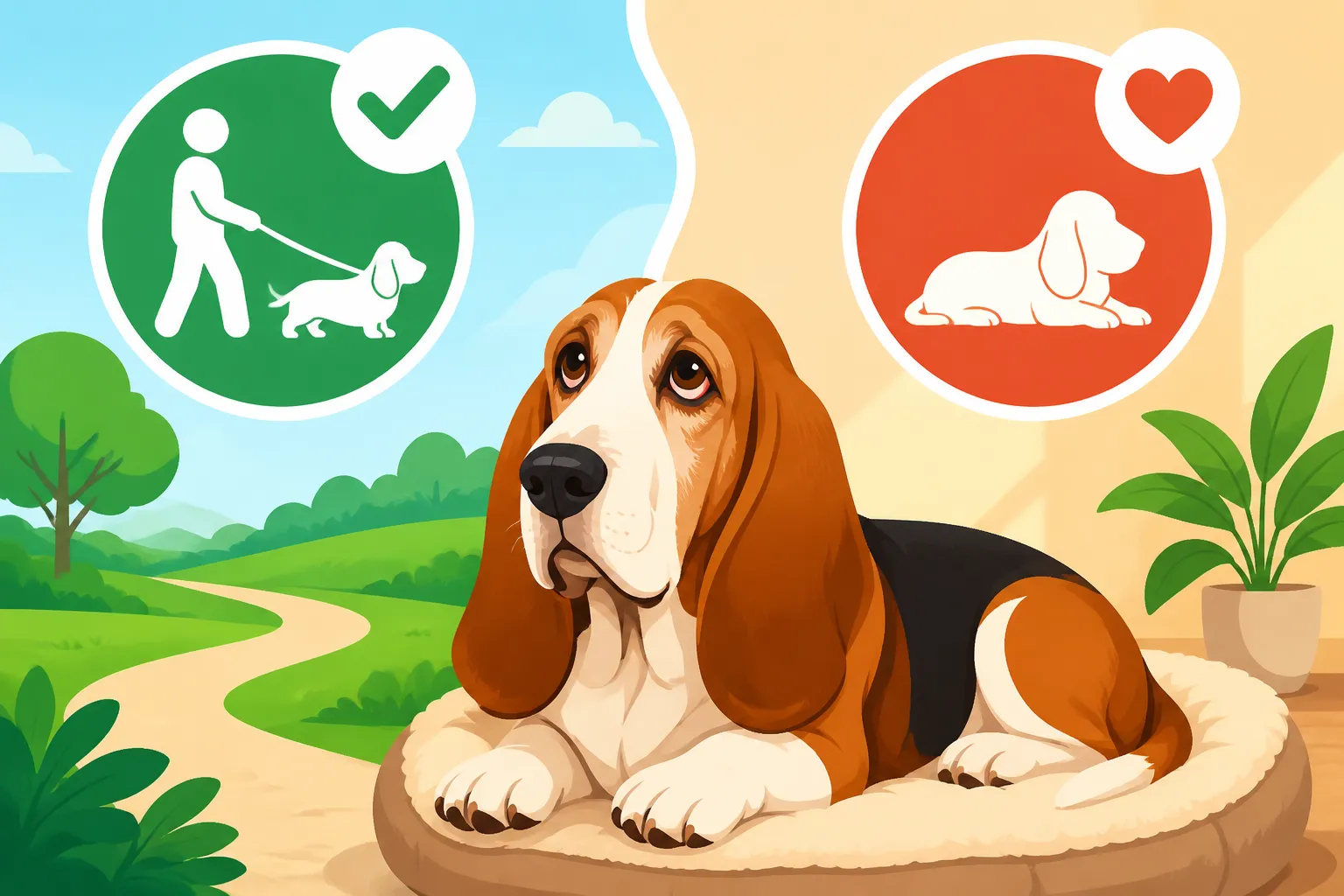
Whether an Old Basset Hound Needs Shorter Walks
As our beloved Basset Hounds enter their golden years, many of us start to notice subtle shifts in their energy, their eagerness for adventures, and how they navigate the world. That familiar zest for a long sniff-filled ramble might dim a little, leaving you wondering if those daily walks you've always enjoyed together are still serving them best. This guide is all about understanding the evolving needs of your senior Basset, helping you determine if shorter, more tailored walks are indeed what they need, and how to make every outing comfortable and enriching for them.
Understanding the Aging Basset Hound's Body
It’s easy to look at our Basset Hounds, still with that adorable, soulful gaze, and forget that time marches on for them just as it does for us. Their sturdy, low-slung frames, while charming, come with their own set of considerations as they age. They’re not just slowing down because they’re "lazy" – there are very real physiological changes happening under that loose skin and those long, velvety ears.
The Slow Creep of Arthritis and Joint Pain
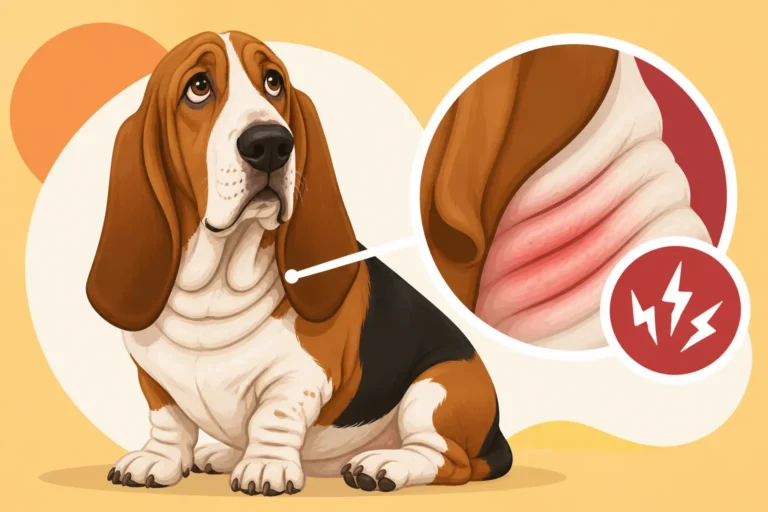
One of the most common adversaries of the aging Basset Hound is arthritis. Their unique conformation, with those short, heavy bones and long backs, means their joints have often been working hard their entire lives. You might start noticing them taking a little longer to get up from their nap spot, a slight stiffness in their gait, or perhaps they hesitate before stepping off a curb that once posed no challenge. This isn't just a minor discomfort; imagine trying to enjoy a brisk walk when every step sends a twinge through your hips or elbows. It can be genuinely painful, and what was once a joy can become a source of dread. Arthritis in a Basset Hound at Seven is a harsh reality for many. Even if they don't cry out, the subtle reluctance to move, the shortened stride, or the way they shift their weight are all crucial signs that their joints might be aching. These aches can make a long walk feel like a marathon, impacting their willingness and ability to participate fully.
Changes in Stamina and Energy Levels
Remember when your Basset puppy would bounce off the walls, ready for endless play? Those days often give way to a more sedate rhythm as they mature into seniors. Their cardiovascular system might not be as efficient, their muscles can lose some mass and tone, and simply put, they tire out more easily. A walk that used to be a breeze for them might now leave them panting sooner, or they might just plop down halfway through, giving you that "Are we done yet?" look. It's not a reflection of their love for you or for the outdoors; it's a genuine drop in their physical reserves. Pushing them beyond their new limit can lead to exhaustion, muscle soreness, and even a loss of enthusiasm for future walks. The Signs a Basset Hound Is Getting Old often include these changes in stamina, which are easily overlooked as just "being a Basset."
Sensory Decline and Its Impact on Walks
As Basset Hounds age, their senses can start to dull. Their keen nose might still be incredible, but their eyesight and hearing might not be what they once were. This can make walks in new or busy environments more stressful and disorienting. A senior Basset with diminishing vision might stumble over uneven pavement or shy away from shadows. If their hearing isn't as sharp, they might not respond to your calls as readily, or they could be startled by unexpected noises. These changes can transform a familiar walk into an anxious experience, especially if they feel less secure in their surroundings. It's not just about physical capacity; it's about their overall sense of well-being and confidence when they're out and about. We want them to feel safe and engaged, not overwhelmed.
Assessing Your Senior Basset Hound's Needs
Understanding the general changes that come with age is one thing, but truly assessing your individual Basset Hound's needs is paramount. Every dog ages differently, and what works for one senior Basset might not work for another. It's about becoming a keen observer and a proactive advocate for their comfort.
Observing Their Cues and Body Language
Your Basset Hound is a master of subtle communication, especially as they get older. You might not hear a whimper or a bark of pain, but their body language will tell you volumes. Are they lagging behind more often? Do they stop to rest frequently? Do they seem less excited when you grab the leash? Watch for stiffness, a reluctance to go up or down steps, or a slower pace than usual. Notice if they're panting excessively, even in mild weather, or if they seem unusually tired after a short stroll. Even something as small as them avoiding a patch of grass they used to love to explore could be a sign of discomfort. Keeping a journal of their activity levels and how they recover after walks can be incredibly insightful. If you notice them struggling to get up later, it’s a clear sign you’ve pushed them a little too far. Whether an Old Basset Hound Struggles to Stand is a key indicator of their overall comfort level.
The Importance of Regular Vet Check-ups
This is absolutely non-negotiable for senior Basset Hounds. What you interpret as just "getting old" might be an underlying medical condition that can be managed or treated. Regular veterinary visits, at least once a year, and often twice a year for seniors, are essential. Your vet can assess their joint health, check for signs of arthritis, evaluate their heart and lung function, and monitor their weight. They might suggest supplements like glucosamine and chondroitin, or even pain management medication if arthritis is significant. Sometimes, a Basset Hound’s reluctance to walk isn't just about age, but about something specific like a toothache, a thyroid issue, or even a hidden mass. A professional diagnosis helps you tailor their care more effectively. It's a team effort between you and your vet to ensure their comfort.
Tailoring the Walk to the Individual Dog
There's no one-size-fits-all answer for senior Basset Hounds. Some will still enjoy a good mile-long amble well into their double-digit years, while others might prefer a leisurely potter around the block. The key is to adapt to their rhythm. Consider their overall health, their current weight (as What Extra Weight Does to a Basset Hound can significantly impact joint health), and even the weather. On a hot day, a much shorter, cooler walk is prudent. On a good day, they might be up for a bit more. The goal isn't to hit a certain distance or time, but to provide enriching, comfortable exercise. If they seem less enthusiastic about leaving the house, perhaps a shorter, more frequent walk is the answer, breaking up a longer session into two or three mini-adventures.
Practical Adjustments for Walk Time
Once you've tuned into your Basset Hound's individual needs, it's time to make some practical adjustments to their walking routine. These changes aren't about limiting their joy, but enhancing their comfort and safety.
Shorter, More Frequent Outings
Instead of sticking to one long daily walk, consider breaking it up into two or three shorter, gentler excursions. For example, a quick sniff-and-potty break first thing in the morning, a leisurely stroll around the immediate block at midday, and another short outing in the evening. This approach allows them to stretch their legs, relieve themselves, and enjoy some outdoor stimulation without overtaxing their aging joints or stamina. A shorter walk also means they're less likely to get overly tired and struggle later. Think quality over quantity. Even ten minutes of gentle sniffing and exploring can be far more beneficial than pushing them through a thirty-minute walk they're not enjoying. Exercise for an Old Basset Hound doesn't have to mean long distances; it means consistent, comfortable movement.
Choosing the Right Terrain and Time of Day
The environment where your Basset Hound walks can make a huge difference to their comfort. Hard pavement can be jarring on arthritic joints, while soft grass or a well-maintained dirt path can be much gentler. Avoid steep hills or uneven ground that might challenge their balance. If you have a local park with soft trails, that might be a better option than a busy, concrete sidewalk.
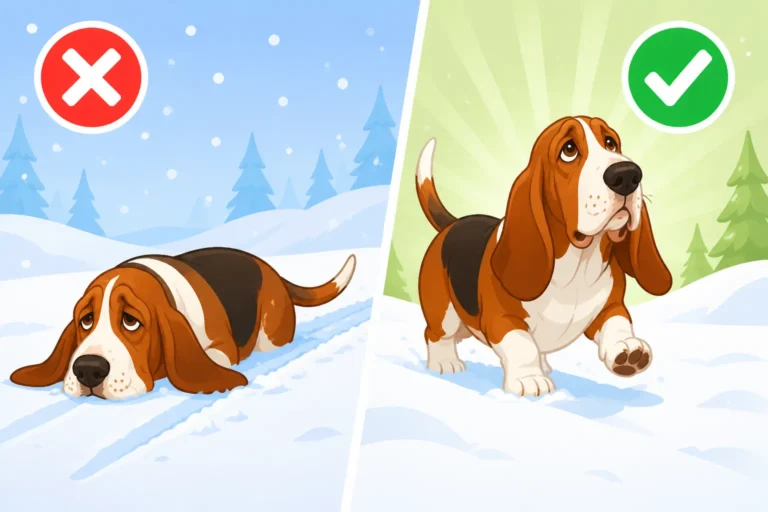
Furthermore, the time of day matters significantly. Basset Hounds are prone to overheating due to their short snouts and heavy bodies, and this risk increases with age. Avoid the hottest parts of the day in summer and the coldest, iciest times in winter. Early morning or late evening walks are often best in warmer climates. In colder weather, a short, brisk walk during the warmest part of the afternoon might be more suitable, perhaps even with a cozy sweater if they seem to feel the cold. Remember, their low-slung bodies mean their chests are very close to the ground, where temperatures can be more extreme.
Tools and Aids to Enhance Comfort
There are many products available that can make walks much more comfortable for your senior Basset. A comfortable, supportive harness that doesn't put pressure on their neck or joints is essential. Look for brands that offer good padding and adjustability. Some owners find that a lifting harness or sling can be invaluable for helping their Basset navigate stairs, get into the car, or even just stand up if they're The Old Basset Hound That Cannot Get Off the Floor. Companies like Chewy and Amazon offer a wide array of options, from full-body support harnesses to simple rear-end slings.
You might also consider dog boots for extreme weather conditions – protecting their paws from hot pavement or icy sidewalks can prevent discomfort and injury. For those with significant mobility issues, a dog stroller or cart might seem extreme, but it allows them to still experience the sights, sounds, and smells of the outdoors without the physical strain, which can be incredibly enriching. Whether a Basset Hound Should Use Ramps at Home applies to outdoor environments too; if they struggle with a step, a portable ramp might be useful.
| Aspect of Walk | Comfortable Senior Basset Hound | Struggling Senior Basset Hound |
|---|---|---|
| Pace | Steady, consistent, takes time to sniff | Slow, lagging, frequent stops, hesitant |
| Enthusiasm | Tail wagging, eager to go, engaged with surroundings | Reluctant to leave, pulls back, dull expression |
| Breathing | Calm, even breathing, occasional light panting | Excessive panting, heavy breathing, signs of strain |
| Gait | Smooth, even steps, slight stiffness (normal for age) | Stiff, limping, uneven steps, favoring limbs |
| Recovery | Rests briefly, then seems normal and comfortable | Collapses, sleeps heavily, struggles to move later |
| Interaction | Engages with you, other dogs, and smells | Seems distracted by discomfort, less interested in environment |
| Return Home | Content, happy to rest | Seems relieved, might collapse at the door |
Balancing Exercise with Mental Stimulation
Just because your Basset Hound might not be up for long hikes anymore doesn't mean their need for engagement vanishes. Mental stimulation is just as crucial, if not more so, for senior dogs, keeping their minds sharp and their spirits high.
Scent Work and Puzzles at Home
The Basset Hound's incredible nose is its superpower, and it doesn't diminish with age as quickly as their body might. Scent work is a fantastic way to engage their brains without putting strain on their joints. Hide treats around the house, encouraging them to use their nose to find them. Snuffle mats, where kibble or treats are hidden within fabric strips, are incredibly popular and readily available from pet retailers like Chewy. Puzzle toys that require them to manipulate parts to get a reward also provide excellent mental enrichment. Brands like Ollie and others offer mentally stimulating toys that can keep your Basset entertained and engaged for surprisingly long periods, tapping into their natural instincts. This kind of activity tires them out mentally in a way that's totally gentle on their physical body.
Maintaining Social Connections
Even if long walks with canine friends are a thing of the past, maintaining social connections is vital for your senior Basset Hound's emotional well-being. Gentle visits from dog-friendly friends, supervised interactions with calm, well-mannered dogs in a controlled environment (like a quiet park or a friend's yard), or even just spending quality time with their human family can make a huge difference. A Basset Hound is a social creature, and feeling isolated can lead to sadness or anxiety. These interactions provide comfort, familiarity, and a sense of belonging, which are especially important as their world might be shrinking due to physical limitations. A short car ride to a calm, dog-friendly spot where they can just sit and observe the world can also be a wonderful form of "social outing" without any strenuous walking required.
In the end, adapting to your senior Basset Hound's needs is a beautiful act of love. It’s about meeting them where they are, celebrating their wisdom, and ensuring their golden years are filled with comfort, joy, and plenty of happy sniffs, no matter the distance.
Disclaimer
This article is for general informational purposes only and does not constitute professional advice. Laws, prices and regulations vary by location and change over time. Consult a qualified professional for guidance on your specific situation.