Whether a Basset Hound Chooses Not to Obey
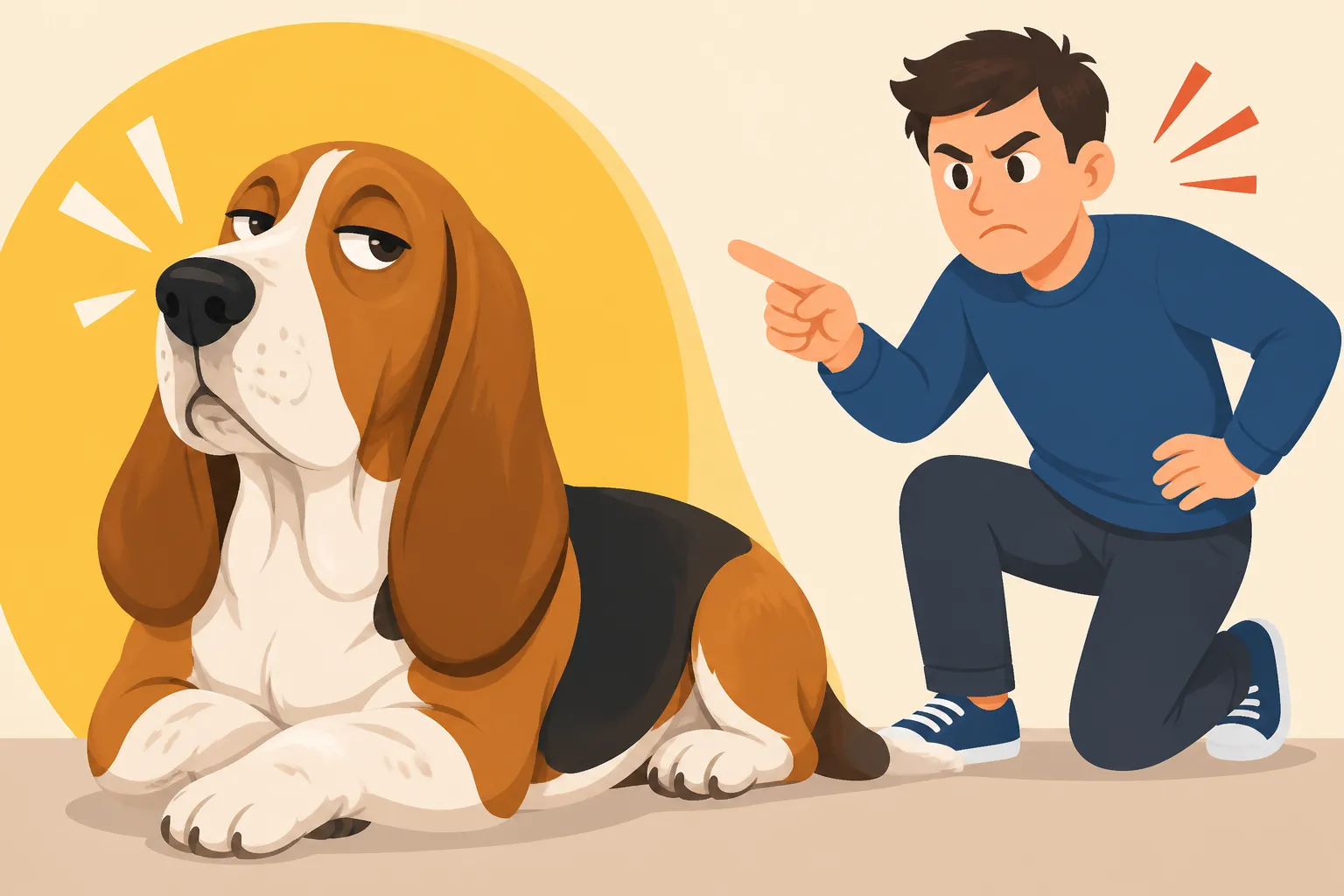
It’s a scenario played out in countless homes: you call your Basset Hound, you know they heard you, you saw them flick an ear, and yet… nothing. They continue sniffing that interesting patch of grass or stare blankly as if you’re speaking a foreign language. This frustrating experience often leads owners to wonder if their beloved Basset is simply choosing to ignore them, deliberately defying commands. This guide will dive deep into the unique Basset Hound psyche, exploring why their behaviors might appear as willful disobedience and how understanding their intrinsic nature can transform your training approach and strengthen your bond.
Understanding the Basset Hound Brain: It's Not About Disobedience
Let's be honest, it feels personal sometimes, doesn't it? When your Basset gives you that look – the one that says, "I heard you, but I'm busy" – it's easy to assume they're just being stubborn. But what we perceive as a deliberate choice not to obey is often a complex interplay of instinct, genetics, and how their incredible sensory world overrides everything else. It's less about them choosing not to listen to you, and more about them being profoundly, irrevocably driven by something else.
The Scent-Driven World of a Basset
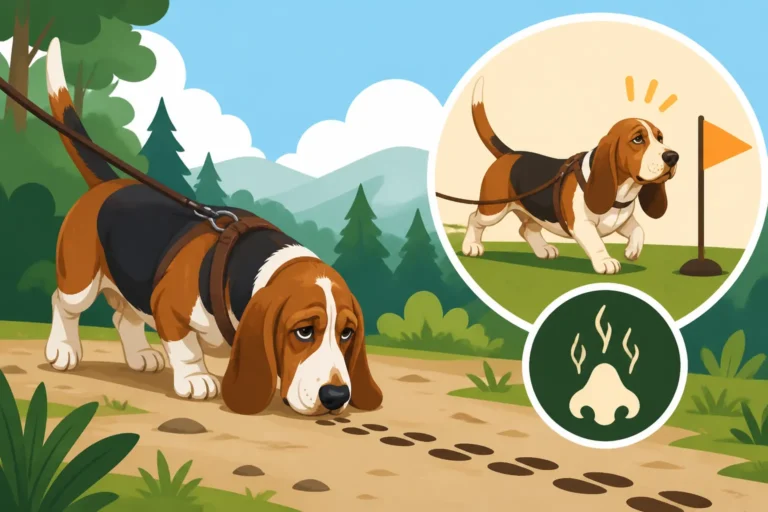
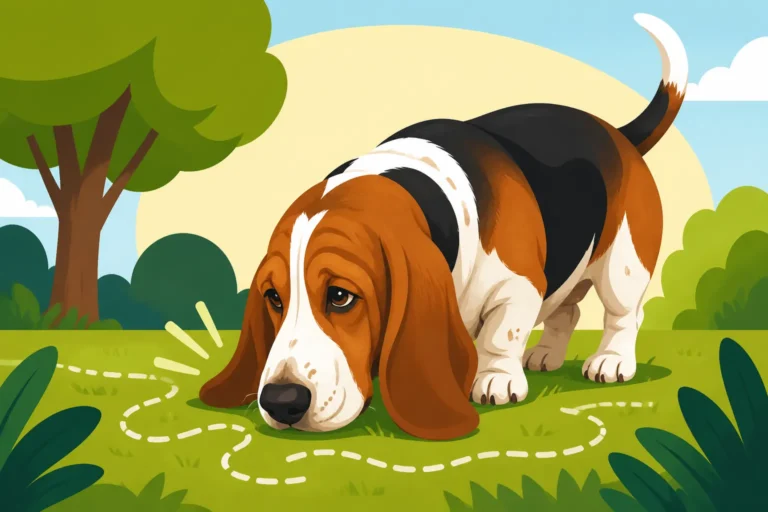
Imagine living in a world of smells so vivid, so compelling, that every whiff tells a story, paints a picture, and calls you to follow. That's a Basset Hound's reality, every single waking moment. Their magnificent, pendulous ears act like scent-sweepers, gathering molecules from the ground and wafting them towards their incredibly sensitive noses. Their loose skin around the face and neck, known as a dewlap, also helps trap scents, further amplifying their olfactory experience. For a Basset, a scent trail isn't just a faint odor; it's a vibrant, urgent newspaper headline screaming for their attention.
When your Basset is on a scent, it's not that they're consciously deciding to disregard your voice. Their brain is simply prioritizing the overwhelming data coming from their nose. This isn't naughtiness; it's deeply ingrained instinct. Their ancestors were bred for hundreds of years to follow a trail relentlessly, often ignoring everything else in pursuit of quarry. Expecting a Basset to snap out of a scent trance on command is like asking a human to ignore a blaring fire alarm in favor of a quiet whisper. It's a fundamental misunderstanding of their primary mode of operation. This is why you might feel like Why a Basset Hound Stops Hearing You When It Smells Something.
The Independent Hunter's Mindset
Basset Hounds were never bred to be flashy performers in an obedience ring. They were bred to hunt in packs, following a scent trail at their own pace, often out of sight and hearing of their human handlers. Their role was to find the scent, stick to it, and "bay" – that glorious, mournful howl – when they found their quarry or needed to alert the pack. This required a significant degree of independence and self-reliance. They needed to trust their nose and their own judgment, not constantly check in with a human for direction.
This inherent independence translates into a dog that often thinks for itself. They're not looking to you for every single cue or desperate to please in the same way some other breeds are. They're content in their own skin, pursuing their own interests, which usually involve their nose. This isn't to say they don't love you or enjoy your company – they absolutely do! But their love language often involves quiet companionship rather than eager-to-please antics. It means that while they're deeply affectionate, their motivation often comes from within, or from a particularly enticing external stimulus, rather than a desire for constant human approval. This is often misinterpreted as Whether a Basset Hound Is Stubborn or Just Not Interested.
How Basset Hounds Learn (or Don't)
Training a Basset Hound isn't about breaking their spirit or forcing them into submission. It's about understanding their motivations and making what you want them to do more appealing than what their nose is telling them to do. They are intelligent dogs, but their intelligence is often applied to problem-solving related to scent, food, and comfort, rather than complex obedience routines.
They don't typically respond well to harsh corrections or repetitive, boring drills. In fact, such methods can often make them shut down, become even more "stubborn," or simply disengage. Instead, Basset Hounds thrive on positive reinforcement, especially when high-value rewards are involved. Short, fun, engaging training sessions that tap into their natural drives are far more effective. Forcing them to learn at a pace that doesn't suit them is a recipe for frustration for both dog and owner. They may not learn as quickly as a Border Collie, for example, which leads many to wonder Whether a Basset Hound Learns Slowly. It's not about choosing not to learn; it's about their unique learning style and inherent drives.
Common Scenarios That Look Like "Choosing Not To Obey"
Let's walk through some of those classic Basset moments that can make an owner pull their hair out. These aren't just anecdotes; they are deeply rooted in the breed's functional history and sensory strengths. Recognizing these patterns for what they are – not intentional defiance – is the first step toward a more harmonious relationship.
The Call-Back Catastrophe
You're at the park, or in a securely fenced yard, and your Basset is happily sniffing around. You call their name, perhaps with a cheerful, "Fido, come!" They might even glance your way, then drop their nose back to the ground, utterly absorbed. You call again, louder this time, maybe a little more urgently. Still nothing. Or worse, they might take a few steps towards you, then veer off to investigate an invisible crumb. This is perhaps the most common and infuriating "disobedience" a Basset owner faces. The Recall a Basset Hound Will Never Reliably Give You is a painful truth for many.
This isn't them deliberately trying to frustrate you. It's a conflict of interest on an epic scale. To your Basset, that scent on the ground is far more compelling, far more immediate, and frankly, far more evolutionarily significant than your voice. Their entire being is hardwired to follow that scent. Unless your "come" command is associated with something even more rewarding than that irresistible smell – a truly high-value treat, an exciting game – their instinct will almost always win. It’s important to understand that whether a Basset Hound ignores you on a scent is a question with a resounding "yes" for most of them. This is why a secure fence or a long line is absolutely non-negotiable for a Basset Hound. Whether a Basset Hound Should Ever Be Off Leash is a question with an answer that leans heavily towards no, for their own safety.
The "Suddenly Deaf" Phenomenon
This is closely related to the recall issue but can manifest in other contexts too. You're trying to get them to sit before dinner, or move off the couch, or stop baying at a passing squirrel. You give the command, and it's like you're not even there. Their ears are fully functional, you know they heard you, but their brain seems to have filtered out your words entirely.
Again, this isn't deafness, nor is it a deliberate slight. It's selective attention driven by their priorities. If they're focused on food, or a perceived intruder outside, or simply settled comfortably, your command might simply register as background noise compared to their internal or external focus. Their world is often intensely focused on one thing at a time – usually scent, sometimes food, occasionally comfort. Anything that doesn't immediately align with that focus might just not "break through." This can be particularly pronounced if they associate your commands with something they don't want to do (like leaving a comfy spot) and you haven't sufficiently motivated them otherwise.
The Stationary Stand-Off
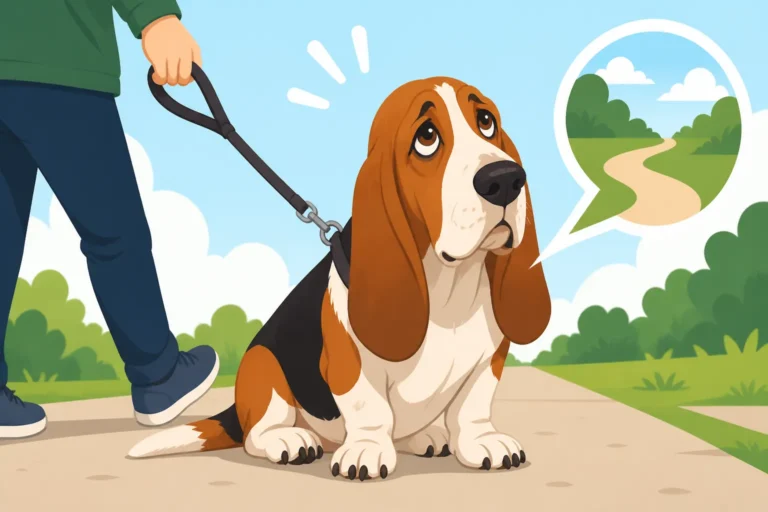
Picture this: you're on a walk, enjoying the fresh air. Suddenly, your Basset stops. Not to sniff, not to relieve themselves, but just… stops. Dead in their tracks. You tug gently on the leash, you cajole, you offer encouragement. They look at you, maybe let out a dramatic sigh, and remain rooted to the spot. It feels like they're protesting, choosing not to cooperate.
While it can indeed be a mild protest, it's often more complex. Bassets are stout, heavy dogs with short legs. Walking long distances, especially on hot days, can be genuinely taxing. Their build isn't designed for speed or endurance in the same way a retriever's or a setter's might be. A sudden stop could mean they're tired, their joints are aching slightly (especially as they get older), or they've simply decided that this particular spot is where they'd like to spend the next five minutes observing the world. It’s worth asking yourself Whether a Basset Hound Is Lazy or Sore in these situations. It’s also important to remember How Far a Basset Hound Should Walk. They have boundless energy for tracking, but sustained, rapid exercise often isn't their preference. Rather than choosing to defy you, they might simply be asserting their comfort needs or their preferred pace.
Shifting Your Perspective and Training Approach
Understanding why your Basset acts the way it does is the first step toward a more effective and less frustrating training journey. It means letting go of the idea that they are "naughty" or "stubborn" and embracing their unique hound nature. With this shift in perspective, you can tailor your approach to resonate with their instincts rather than fight against them.
Motivation is Key: What Really Works for a Basset
When it comes to training, Basset Hounds are often described as "what's in it for me?" dogs. And frankly, that's not a bad thing; it just means you need to get creative with your rewards. High-value treats are your best friend. Think delicious, smelly, irresistible morsels – cooked chicken, cheese, hot dogs, liverwurst. Dry kibble rarely cuts it when competing with the siren call of a fascinating scent.
Beyond food, Bassets also respond well to scent-based games. A quick game of "find it" with a hidden treat after a successful command can be a powerful motivator. Some Bassets also love praise and a good ear rub, but it's often secondary to a tangible reward, especially in the early stages of learning or when facing strong distractions. Experiment to find out What Actually Motivates a Basset Hound – it might be different for every individual Basset! For example, some might live for a chunk of cheese, while others might prefer a squeaky toy.
Here’s a quick comparison of general vs. Basset motivations:
| Motivation Type | General Dog Breeds (Typical) | Basset Hound (Typical) |
|---|---|---|
| Food Rewards | Kibble, standard treats often sufficient | High-value, smelly, soft treats are paramount |
| Praise & Affection | Strong motivator, builds bond | Appreciated, but often secondary to tangible rewards |
| Play/Toys | Excellent motivator for many breeds | Can be motivating, especially for scent games; less so for active fetch |
| Desire to Please | A significant driver for many breeds | Less intrinsic; often translates to "what's the reward?" |
| Instinctual Drives | Varies greatly by breed (herding, retrieving, guarding) | Scent-following is the supreme, overriding drive |
| Correction-Based | Can be effective with some breeds/temperaments | Often counterproductive, leads to shutdown or resistance |
Patience and Consistency: The Basset Hound Mantra
Training a Basset Hound is a marathon, not a sprint. Consistency is absolutely paramount. Don't assume that because they did something perfectly yesterday, they'll do it today. Every session, every command, every interaction is an opportunity to reinforce what you want them to do. Keep sessions short and sweet, ideally 5-10 minutes, multiple times a day. Whether Short Sessions Suit a Basset Hound is definitely a yes! This prevents boredom and keeps their attention.
Repetition without making it a chore is key. Use your high-value rewards every single time they perform a desired behavior, especially in the beginning. Gradually, you can introduce intermittent reinforcement once the behavior is solidly learned, but always keep them guessing. Remember, if they're not performing, it's rarely because they're being "mean"; it's usually because the motivation isn't strong enough or the distraction is too great. Be prepared for them to sometimes act like Whether a Basset Hound Forgets What It Learned – they don't, but their focus might be elsewhere.
Tools and Techniques to Bridge the Communication Gap
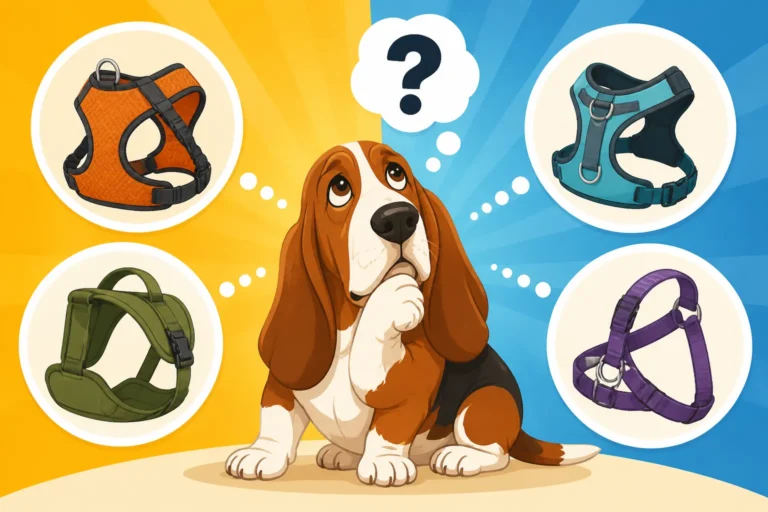
Since a Basset's recall is often unreliable, safety tools are critical. A sturdy harness (not just a collar, as they can often slip collars or put strain on their necks) and a long line are indispensable for giving them freedom to explore safely in unfenced areas. Brands like Ruffwear or Kurgo offer robust harnesses that fit their unique shape well. You can find many options on platforms like Amazon.
For training, consider incorporating nose work into their routine. Snuffle mats, puzzle feeders, and scent games are excellent ways to engage their primary sense in a way that’s constructive and tiring. This satisfies their innate need to use their nose and can make them more receptive to other forms of training later. An online training program can also be incredibly helpful. Many platforms, like BAXTER & Bella, offer comprehensive courses that teach positive reinforcement techniques and help you understand specific breed traits. These resources can guide you through everything from puppy basics to more advanced manners, often with expert support to navigate Basset-specific challenges.
Think about how you communicate, too. Are your cues clear and consistent? Are you setting them up for success? For example, don't call them to come when they're halfway across a field following an intense scent trail, expecting instant obedience. Instead, practice recall in low-distraction environments first, gradually increasing the difficulty. Remember, Whether a Basset Hound Can Be Trained Off Trailing is a huge challenge, and a solid recall is your best bet for safety.
When to Seek Professional Help (And What That Means for a Basset)
Sometimes, despite your best efforts, you might feel like you're hitting a wall. Or perhaps the "disobedience" feels more profound than just typical Basset quirks. Knowing when to reach out for professional guidance can make all the difference, not just for your sanity, but for your Basset's well-being.
Identifying True Behavioral Challenges
It's crucial to distinguish between typical Basset Hound traits (like scent-driven "deafness" or a general reluctance to rush) and genuine behavioral issues. True behavioral challenges might include:
- Aggression: Growling, snapping, biting towards humans or other animals beyond typical hound squabbles.
- Severe Separation Anxiety: Destructive behavior, excessive vocalization, or self-harm when left alone.
- Unmanageable Fear or Phobias: Extreme reactions to everyday sounds, sights, or situations that significantly impair their quality of life.
- Obsessive-Compulsive Behaviors: Repetitive behaviors like excessive licking, pacing, or tail chasing that are difficult to interrupt.
If your Basset's "disobedience" veers into these territories, it's time for professional intervention. These issues are often rooted in anxiety, fear, or underlying medical conditions, not a deliberate choice to be difficult.
Choosing the Right Trainer for Your Basset
When seeking professional help, it's vital to find a trainer who understands scent hounds and, ideally, Basset Hounds specifically. A trainer who relies on punitive methods or who doesn't respect the Basset's inherent drives will likely cause more harm than good. Look for trainers who:
- Emphasize positive reinforcement: This aligns best with a Basset's personality and learning style.
- Have experience with scent hounds: They'll understand the challenges of recall and scent distraction.
- Focus on building a relationship: Good training isn't just about commands; it's about mutual trust and understanding.
- Are certified by reputable organizations: This indicates a commitment to ethical and effective training practices.
Don't be afraid to interview several trainers before committing. Ask them about their philosophy, their experience with Bassets, and how they handle situations where a dog seems "stubborn." A good trainer will help you understand your Basset better, not just teach them commands, and work with you to find solutions that respect your dog's unique nature. Online resources like BAXTER & Bella also offer virtual consultations with trainers who can provide personalized advice and support from the comfort of your home, which can be invaluable for specific Basset quirks. They can also help you understand how to use tools like tracking collars (often found on Amazon) which might be necessary for your peace of mind given Whether a Basset Hound Should Wear a Tracker.
Ultimately, owning a Basset Hound is about embracing their charming eccentricities. They may not be the most automatically obedient dogs, but their loyalty, comical antics, and deep affection more than make up for their selective hearing. By understanding that their "disobedience" is often a manifestation of their incredible, ancient instincts, you can foster a training approach built on patience, positive reinforcement, and a profound appreciation for the unique, wonderful creature that is the Basset Hound.
Disclaimer
This article is for general informational purposes only and does not constitute professional advice. Laws, prices and regulations vary by location and change over time. Consult a qualified professional for guidance on your specific situation.