Whether a Basset Hound Sleeps on the Bed
Many Basset Hound owners find themselves asking the same question at the end of a long day: should my beloved, droopy-eared companion be allowed to curl up in bed with me? It's a sweet thought, a picture of ultimate companionship, but the reality of sharing your sleeping space with a Basset Hound comes with its own set of unique challenges and considerations, from their robust size to their specific health needs. This guide will dive deep into what it truly means to invite a Basset onto your mattress, exploring the pros, cons, and practical steps to ensure a good night's sleep for both of you, or to comfortably redirect them to their own cozy spot.
The Allure and Reality of Sharing Your Bed with a Basset Hound
There's nothing quite like the warmth of a dog curled up beside you, and a Basset Hound, with its soulful eyes and comforting heft, can seem like the perfect sleep companion. However, their unique physical characteristics and habits mean that sharing a bed isn't always as idyllic as it seems in the movies. It’s a decision that impacts not just your sleep, but also your hound’s long-term health and your household’s hygiene.
The Cozy Comforts for You and Your Hound
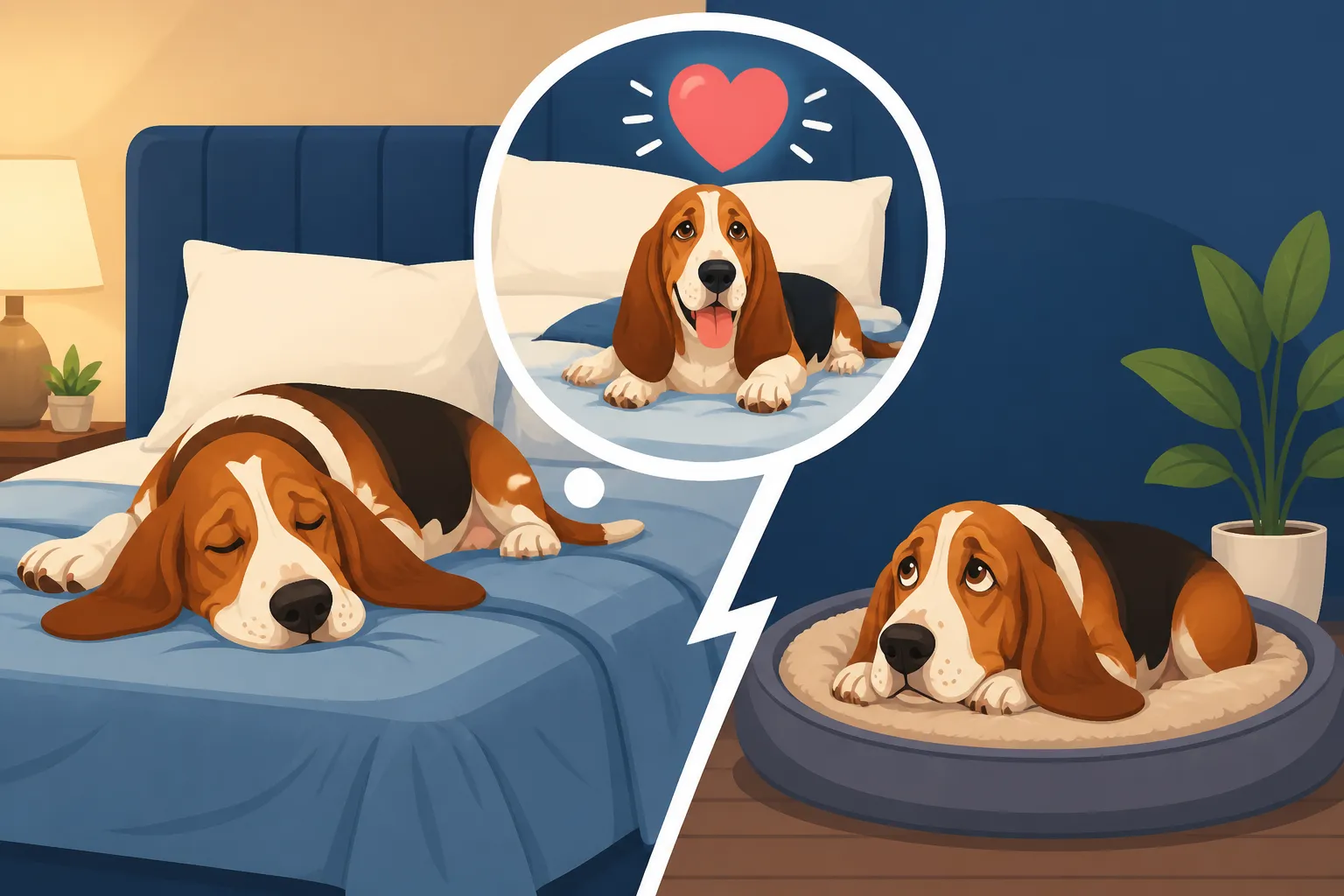
For many, the primary draw of having a Basset Hound on the bed is the sheer joy of proximity. It fosters a deep sense of connection and comfort that's hard to replicate. Imagine a chilly evening, and your Basset, a warm, furry presence, snuggles close. This bond can reduce anxiety for both dog and owner, creating a peaceful ritual at the end of the day. Many people report sleeping better knowing their loyal companion is right there, their steady breathing a soothing presence. This shared space strengthens the bond, turning your bed into a mutual sanctuary.
From the Basset's perspective, being allowed on the bed is often a huge privilege. They are inherently social creatures, pack animals at heart, and being close to their human "pack" leader fulfills a deep-seated need for security and belonging. A warm, soft mattress often beats a cold floor, especially if they are feeling a little vulnerable or just craving extra attention. It's a testament to their love and trust that they seek out your presence for comfort, and letting them share your space can be a wonderful reward for a well-behaved dog.
The Potential Pitfalls for Sleep and Health
While the idea is lovely, the reality can be a bit more complicated. First, there's the space issue. Basset Hounds are surprisingly hefty for their low stature. A fully grown Basset can weigh upwards of 60 pounds, and despite their short legs, they take up a considerable amount of real estate, often stretching out like they own the place. You might find yourself clinging to the edge of the mattress, or waking up with a Basset's head using your pillow. This can lead to restless nights for you, constantly adjusting to avoid being nudged off or suffering from cramped sleep positions.
Then there are the sounds and smells. Basset Hounds are notorious for their snoring, grumbling, and occasional sleep-talking. What might be cute during the day can become a significant sleep disturbance at 2 AM. Furthermore, Bassets, with their long ears and ample skin folds, can carry unique aromas. While not all Bassets "smell," if you don't keep up with their hygiene, particularly cleaning their ears and folds, that scent can definitely transfer to your bedding. This might lead to more frequent sheet washing and even trigger allergies for sensitive individuals. Consider Whether a Basset Hound Smells if you're concerned about this.
For your Basset's health, repeated jumping on and off the bed can pose a serious risk. Their long backs and short, bowed legs make them prone to spinal issues like Intervertebral Disc Disease in a Basset Hound and joint problems such as Elbow Dysplasia in a Basset Hound or even hip issues. A single awkward jump could lead to a painful injury requiring expensive veterinary care and recovery. This is especially true as they get older, and their joints become less resilient. Keeping their weight in check is also crucial for preventing joint strain, as explored in Keeping an Old Basset Hound's Weight Down.
Basset Hound Specific Considerations for Bed Sharing
The Basset Hound’s unique conformation really impacts whether bed-sharing is a good idea. Their long backs are not designed for repeated impacts from jumping. Even if your bed isn't terribly high, the cumulative stress over years can lead to serious spinal problems. A single misstep could result in a ruptured disc, which is incredibly painful and often requires extensive recovery or even surgery. Many owners find themselves asking Whether a Basset Hound Should Jump Off Furniture and the answer is generally a resounding "no" for long-term health.
Another consideration is their ear length and folds. Basset Hounds have wonderfully long, velvety ears that are excellent scent gatherers, but they also drag in everything. If your dog comes to bed after a romp outside, those ears might bring in dirt, allergens, or even parasites. Their facial folds can also accumulate moisture and debris, leading to potential skin fold infections, which you certainly don't want transferring to your pillows. Regular cleaning is a must, but even then, the bed can become a magnet for anything their low-slung bodies pick up. Think about The Skin Under a Basset Hound's Folds and how it might impact bed hygiene.
Finally, their natural hunting instincts and strong scent drive can affect their sleep patterns. While generally mellow indoors, a strong scent from outside that wafts through an open window might rouse them, leading to a bay or restlessness that wakes you up. They are very sensitive to their environment, and sometimes, the comfort of your bed might not be enough to override a captivating odor that only their incredible nose can detect.
Practicalities: Making Your Bed Basset-Friendly (or Not)
If you've decided that your Basset Hound is indeed going to be a bed-sharing buddy, then you need to put some practical strategies in place. It's not just about opening the covers; it's about managing space, maintaining hygiene, ensuring safety, and setting clear boundaries so everyone gets a good night's rest.
Managing Space and Hygiene in a Shared Bed
Let's face it, a Basset Hound is not a lap dog, even if they often think they are. Their body is surprisingly long and dense, and they excel at spreading out, often pushing you to the edge. To mitigate this, consider a larger bed if possible. A King size bed for two people and a Basset is often far more comfortable than a Queen. You might also designate a specific "Basset zone" on the bed, perhaps at the foot or on one side, to prevent them from taking over the entire sleeping surface. Having a specific Basset-sized blanket can also help them understand their designated spot.
Hygiene is another big one. Basset Hounds, with their low-to-the-ground build and long ears, can be magnets for dirt, dust, and outdoor debris. You'll need to step up your cleaning routine significantly. Regular bathing, especially before bedtime, and thorough daily wiping of their paws, ears, and facial folds are essential. Consider using dog-specific wipes that are gentle on their skin. You'll also find yourself washing your bedding much more frequently – think every few days rather than weekly. Keeping their nails trimmed, as detailed in How Often a Basset Hound's Nails Need Cutting, also prevents scratches and dirt accumulation under the nails.
Here's a quick look at hygiene considerations:
| Aspect | Action for Bed Sharing Basset Hounds | Frequency |
|---|---|---|
| Paw Cleaning | Wipe paws thoroughly after every outdoor excursion, especially before bed. | Daily/Multiple |
| Ear Cleaning | Gentle cleaning with a vet-approved solution. Check for dirt/waxy buildup. | 1-2 times/week |
| Facial Folds | Wipe with a damp cloth or dog-specific wipe to prevent irritation. | Daily |
| Bathing | Regular baths to keep coat clean and reduce doggy odor. | Every 2-4 weeks |
| Bedding Wash | Wash sheets, duvet covers, and dog blankets. | Every 3-5 days |
| Nail Trimming | Keep nails short to prevent scratches and dirt transfer. | Every 2-4 weeks |
Safety Concerns: Getting On and Off the Bed
This is perhaps the most critical practical consideration for Basset Hounds. Their unique skeletal structure, designed for low-to-the-ground scent work, is particularly vulnerable to impact injuries from jumping. Disc disease is a very real and often devastating risk. Therefore, it is strongly advised to prevent your Basset from jumping on and off the bed, no matter how low it seems.
The best solution is to provide a ramp or pet stairs. These can be easily found on platforms like Amazon. Look for sturdy options with a gentle incline and a non-slip surface, appropriate for your Basset’s weight and short legs. Introduce the ramp slowly, using positive reinforcement and high-value treats to encourage them to use it. Place treats on the steps or ramp, gradually increasing the distance until they are comfortable using it independently. You might be surprised at how quickly they adapt when delicious motivation is involved, as outlined in What Actually Motivates a Basset Hound. For an older Basset, a ramp is absolutely non-negotiable, as their bodies are less resilient. Consider Whether a Basset Hound Should Use a Ramp for more details.
Another safety measure is learning How to Lift a Basset Hound Safely. If your Basset struggles with the ramp, or if you need to move them for any reason, proper lifting technique is vital. Support their long back by placing one arm under their chest and the other under their hindquarters, keeping their spine as straight as possible. Never lift them by their front legs or allow their midsection to sag. This mindful approach can prevent potential injuries that could impact their quality of life.
Setting Boundaries and Training for Bed Privileges
Even if your Basset is allowed on the bed, establishing clear boundaries is paramount. This isn't about being mean; it's about teaching them proper manners and ensuring your comfort and sleep aren't compromised. Decide where they are allowed to lie and stick to it. If you don't want them on your pillow, gently move them to their designated spot every time. Consistency is key, especially with a breed that can be delightfully "stubborn" when it suits them.
Training can be a huge asset here. You can teach your Basset "off" and "place" commands, directing them to a dog bed or a specific spot on your mattress. Tools like online training programs, such as those offered by BAXTER & Bella, can provide structured guidance for these commands, making the process smoother for both of you. Positive reinforcement, using treats and praise, works wonders with Bassets. They might not always be the fastest learners, but they are certainly food motivated!
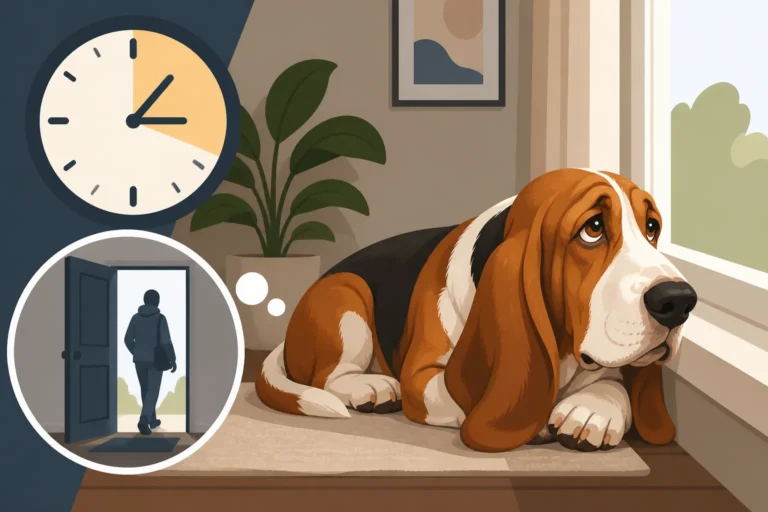
If your Basset struggles with separation anxiety when not allowed on the bed, that's a different training challenge. Consider Whether a Basset Hound Gets Separation Anxiety for strategies to address this, as simply putting them off the bed without addressing the underlying anxiety can be counterproductive. Providing a super comfortable dog bed right next to your own, along with a favorite chew toy or puzzle, can help them feel secure and content in their own space.
Creating a Dream Sleep Space for Your Basset Hound (Off the Bed)
Sometimes, despite the best intentions, sharing your bed with a Basset Hound just doesn't work out. Maybe you're not sleeping well, or you're too worried about their back. That's perfectly okay! The good news is you can still create an incredibly comfortable and safe sleep environment for your hound that respects their needs and gives you back your own bed.
The Best Bedding Options for Basset Hounds
When it comes to Basset Hounds, an orthopedic bed is almost a non-negotiable, especially as they age. Their heavy, dense bodies and propensity for joint and back issues mean they need serious support. A thin, flat bed simply won't cut it. Look for beds with high-density memory foam that provides excellent pressure relief for their joints and spine. Many great options are available from reputable brands on Amazon.
Consider the design, too. Some Bassets love to stretch out, while others prefer to curl up and feel secure. A bolster bed with raised edges can provide that sense of security and a place to rest their heavy heads. Measure your Basset when they are fully stretched out to ensure you get a bed large enough for them to sprawl comfortably. A bed that's too small forces them into awkward positions, negating the orthopedic benefits. Whether a Basset Hound Should Have an Orthopedic Bed provides more in-depth advice on this topic.
Beyond the main bed, think about adding extra blankets. Bassets often love to burrow and nest, and having soft blankets they can push around and get cozy in can make their sleeping spot even more inviting. Just ensure any blankets are safe, without loose threads they could ingest, and are easily washable.
Strategic Placement of Your Basset's Sleeping Spot
Where you place your Basset's bed can make a big difference in their willingness to use it and their overall sense of security. Bassets are social creatures, so isolating them in a completely separate room might lead to anxiety or excessive barking/howling. Ideally, their bed should be in your bedroom, close enough that they feel part of the "pack," but distinct from your own sleeping area. Placing it near your side of the bed, where they can still see and hear you, often works best.
If you have a crate-trained Basset, their crate can serve as their primary sleeping den. Line it with a comfortable orthopedic mat and soft blankets. Many dogs feel very secure and safe in their crates, viewing them as their private sanctuary. This also prevents them from wandering at night or getting into mischief, particularly if you have a young or mischievous Basset prone to Whether a Basset Hound Destroys Anything When Bored. Remember that Whether a Basset Hound Needs a Bigger Crate Than Expected is a valid consideration, as they need enough space to stand, turn around, and lie down comfortably.
For multi-dog households, ensure each Basset has their own designated sleeping space. While they might enjoy cuddling during the day, having their individual spot for nighttime reduces competition and ensures everyone gets undisturbed rest. This also helps with resource guarding issues, should they ever arise.
Encouraging Independent Sleep Habits
Training your Basset to sleep in their own bed, rather than yours, might take a bit of patience and consistency. Start by making their bed the most appealing spot in the house. Place treats, favorite toys, or even a piece of your worn clothing (scented with you!) on their bed to encourage positive associations. Practice "place" commands during the day, rewarding them generously when they settle on their bed. BAXTER & Bella's online puppy program, for example, often covers foundational commands like "place" that are invaluable for establishing boundaries.
When it's bedtime, lead them to their bed and give them a treat. Stay with them for a few minutes, offering gentle pets and reassurance. If they try to jump on your bed, gently redirect them back to their own. Avoid scolding, as you want their bed to be a positive place. This is where the ramp training from earlier comes in handy; if they know how to use it, they can get on your bed, but your job is to consistently redirect them to their spot.
It might take a few nights, or even a few weeks, for your Basset to fully embrace their independent sleeping arrangement. Remember, consistency is your best friend. Eventually, they will understand that their cozy, orthopedic bed is their special place, and you will both enjoy a more restful, worry-free night's sleep.
Disclaimer
This article is for general informational purposes only and does not constitute professional advice. Laws, prices and regulations vary by location and change over time. Consult a qualified professional for guidance on your specific situation.