How to Lift a Basset Hound Safely
For any Basset Hound owner, there comes a moment – or many moments – when you realize just how utterly unique, and sometimes challenging, their physical build truly is. Lifting one of these wonderfully long and low hounds often turns into an awkward dance of trying not to pinch skin, support their hefty frame, and, most importantly, protect that precious, distinctive back. It’s not just about brute strength; it’s about technique to keep both you and your Basset safe. This guide is here to walk you through the safest, most effective ways to lift your Basset Hound, minimizing strain and ensuring their comfort.
Why Lifting a Basset Hound Requires Special Care
Anyone who's ever tried to scoop up a Basset Hound knows it's not like lifting a fluffy terrier. These dogs are built differently, and understanding their unique anatomy is the first step to ensuring their safety, and yours, whenever a lift becomes necessary. It's a fundamental part of The Back Trouble a Basset Hound Is Built Into.
The Basset Hound's Unique Anatomy
Basset Hounds are famous for their endearing appearance, but what makes them so charming – their long bodies, short legs, and substantial bone structure – also makes them particularly susceptible to injury if handled improperly. Their spine is long and relatively unsupported compared to many other breeds, making it vulnerable to forces that could cause disc issues. Think of it like a long, low suspension bridge; it needs even support.
Their short legs mean they carry their weight quite close to the ground, but they are surprisingly dense and heavy for their size. This "low-rider" build, coupled with loose skin, means you can't just grab them anywhere. A firm, supportive grip is crucial, but it's often hard to find a solid purchase without pinching or causing discomfort. This specific body type, a form of dwarfism called achondroplasia, is what gives them their characteristic look, but it also necessitates mindful handling to protect their health throughout their lives.
Risks of Improper Lifting
The risks of lifting a Basset Hound incorrectly extend to both the dog and the person doing the lifting. For your Basset, the primary concern is spinal injury. Their long, vulnerable backs are prone to Intervertebral Disc Disease (IVDD), a condition where the cushioning discs between the vertebrae bulge or rupture, causing pain, nerve damage, and potentially paralysis. An improper lift, especially one that twists or bends the spine sharply, can exacerbate an existing condition or even trigger a new episode.
Beyond the back, improper lifting can put strain on their elbows, shoulders, and hips, which can lead to or worsen conditions like Elbow Dysplasia in a Basset Hound or arthritis, especially in older dogs. You might also pinch their loose skin, causing pain and making them fearful of being handled in the future. For the handler, a heavy, struggling Basset can lead to back strain, pulled muscles, or even a fall, making a simple lift into a frustrating and painful experience.
Essential Techniques for Safely Lifting Your Basset Hound
Knowing the why is important, but the how is what truly keeps your Basset Hound safe and comfortable. There are a few tried-and-true methods that account for their unique physique, whether you're dealing with a spry puppy or a more sedentary senior.
The "Scoop and Support" Method for Smaller Pups/Lighter Adults
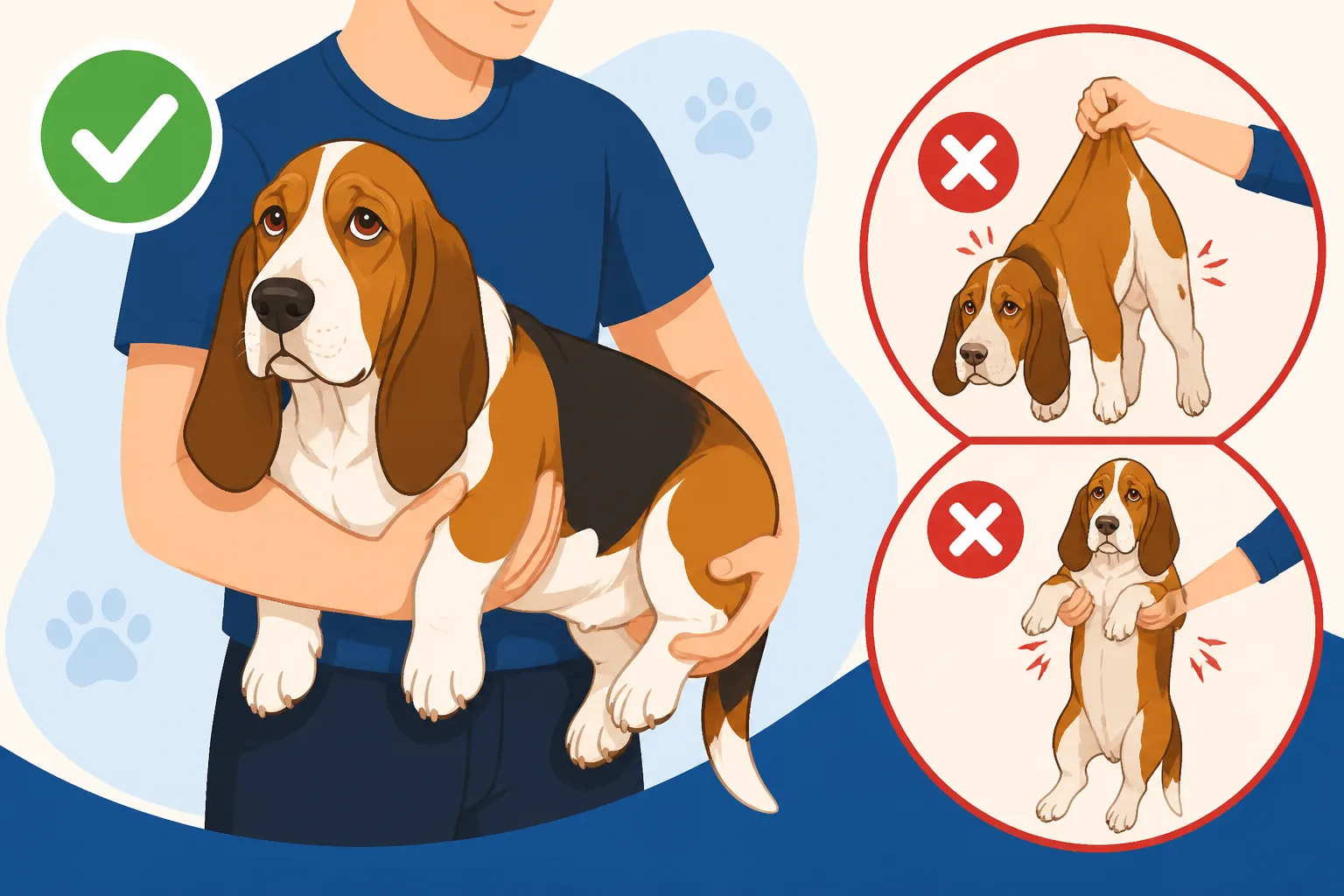
This is often the go-to method for Basset Hounds who are still manageable by one person. The key is to distribute their weight evenly and provide solid support under both their chest and hindquarters, ensuring their spine remains as straight as possible.
- Approach Calmly: Always approach your Basset from the front or side, speaking in a reassuring tone. Let them know you're there and what you're about to do. A sudden lift from behind can be startling and cause them to tense up or twist.
- Verbal Cue: Consider using a consistent verbal cue like "Up" or "Lift." This helps them anticipate the action and can make them more cooperative over time. Pair it with a positive reward, perhaps a tasty treat from a brand like Ollie, especially when they're young and learning.
- Hand Placement: Crouch down to their level. Slide one arm gently under their chest, just behind their front legs. Your hand should extend far enough to support their sternum. Simultaneously, slide your other arm under their hindquarters, supporting their abdomen and hips. Your hands should be close enough that their body doesn't sag in the middle.
- Lift Straight and Controlled: Engage your core and lift with your legs, not your back, keeping your Basset's body level and close to yours. Avoid twisting or swinging them. The goal is a smooth, controlled upward movement that keeps their spine in a neutral position. Once lifted, hold them securely against your body.
Imagine you're lifting your Basset onto the back seat of a car. Instead of having them try to jump (which can be hard on their joints and back), you'd use this scoop-and-support method. One arm firmly under the chest to prevent them from slipping forward, the other under their backend, ensuring their long spine doesn't bend like a U as you place them inside. This firm, even support is critical, particularly when negotiating different heights.
The "Team Lift" for Larger or Reluctant Bassets
Sometimes, even with perfect technique, a Basset Hound is just too heavy or too resistant for one person to lift safely. This is where the team lift comes in, and it's a technique every multi-person household with a Basset should master.
- Designate Roles: One person should take the front, focusing on the chest and front legs. The second person takes the rear, supporting the abdomen and hindquarters.
- Synchronize: Communication is key. Count to three together and lift in unison. This ensures the dog's weight is lifted evenly and prevents any sudden jerks or twists that could cause injury.
- Maintain Level: Both lifters should strive to keep the Basset's body as level as possible throughout the lift and transfer. It's a bit like carrying a delicate plank of wood – you want to avoid any bowing or dipping.
- Practice: A few dry runs, even without actually lifting, can help everyone get on the same page. Knowing How to Lift a Basset Hound Safely as a team is a game-changer.
Consider a scenario where your older, heavy Basset Hound needs a bath, and getting them into the tub is a struggle. Instead of one person awkwardly heaving them over the side, two people can make this a much calmer, safer experience. One person supports the chest and head, the other takes the bulk of the rear, and they lift together. This coordinated effort not only protects the dog's back but also makes the process less stressful for the Basset, who might already be wary of bath time.
Using Aids and Accessories
Sometimes, even the best lifting techniques aren't enough, or you might need a bit of extra help. Thankfully, there are tools designed to make lifting and assisting your Basset Hound much easier and safer.
Harnesses with Handles: These are fantastic for providing a secure and comfortable grip point on your Basset. Many harnesses are designed with a sturdy handle integrated over the dog's back, allowing you to give a gentle assist when they're climbing stairs, getting into a car, or simply need a bit of extra stability. Look for a harness that fits snugly but doesn't chafe, with a handle that feels secure in your hand. You can find a wide range of options on sites like Chewy or Amazon. Make sure it's designed for dogs with deep chests and short legs to get the right fit for a Basset.
Ramps and Steps: These aren't technically lifting aids, but they serve the vital purpose of reducing the need for lifting. For cars, beds, and even couches, a well-placed ramp or set of steps can allow your Basset to navigate independently and safely, protecting their spine. This is especially critical for preventing injuries associated with jumping off furniture. Think about Whether a Basset Hound Should Use a Ramp for car access or Steps to the Couch Cost a Basset Hound Owner if they love to lounge with you. Invest in sturdy, non-slip options.
Slings and Support Wraps: For Bassets with existing mobility issues, recovering from surgery, or who are particularly frail, a full body support sling can be invaluable. These slings distribute weight across their entire torso, offering maximum support while allowing you to lift or assist them without putting pressure on any single point. They're often used in veterinary rehabilitation settings but are also available for home use. These tools truly make a difference in preserving the long-term health and mobility of your Basset, especially as they age or face challenges like Intervertebral Disc Disease in a Basset Hound.
When to Lift Your Basset Hound (and When to Avoid It)
While knowing how to lift is paramount, understanding when to lift your Basset Hound is equally important. It's about judiciously applying these techniques only when truly necessary, and actively working to minimize situations that demand a lift.
Common Situations Requiring a Lift
Despite our best efforts to make our homes Basset-friendly, there will always be situations where lifting is the safest or only option.
- Vehicle Entry and Exit: Many Bassets struggle to jump into or out of cars, especially taller SUVs. A lift here prevents dangerous falls or spinal twists. Even a small jump can put immense strain on their long backs, and it's far safer to provide a gentle lift or utilize a ramp.
- Veterinary Visits: Getting your Basset onto an examination table at the vet is a classic scenario. Even if they can jump, it's often best to lift them to prevent accidental falls on slippery surfaces or strain from an awkward leap. The vet team will often assist, but knowing how to start the lift is helpful.
- Navigating Stairs: If your Basset Hound has known back issues, or you want to be extra cautious, stairs can be a hazard. While some Bassets can manage stairs, particularly going down, going up can put significant strain on their hindquarters and spine. For this reason, many owners opt to lift their Bassets up and down stairs, or block access entirely to prevent unsupervised attempts. For senior dogs, this becomes even more critical, and you might even consider Whether a Basset Hound Should Be Blocked From Stairs to prevent falls.
- Emergency Situations: In a true emergency, such as needing to quickly move an injured or unconscious Basset, proper lifting technique can be crucial to prevent further harm. Knowing how to stabilize and move them carefully can make a huge difference in these stressful moments.
- Post-Surgery Care: After certain surgeries, especially orthopedic or spinal procedures, precise and supportive lifting is non-negotiable to protect healing tissues and prevent complications. Your vet will provide specific instructions, but understanding the general principles of safe lifting is vital.
Minimizing the Need for Lifting
While lifting is sometimes unavoidable, proactive measures can significantly reduce how often you need to physically pick up your Basset. Prevention is always better than cure, especially when it comes to spinal health.
- Ramps and Dog Steps: We've touched on these already, but they deserve reiterating. Installing ramps for car access and dog steps for furniture your Basset likes to use (or that you allow them to use) is one of the best investments you can make. This not only protects their back but also fosters a sense of independence. Learning how to properly train your Basset to use these aids is also key to their effectiveness.
- Dog-Friendly Furniture: If your Basset enjoys being on the couch, consider lower-profile furniture or placing sturdy, wide steps beside your current pieces. Alternatively, provide comfortable, orthopedic dog beds on the floor. Brands like Chewy and Amazon offer excellent orthopedic bed choices that support their joints and keep them comfortable without needing to climb. A cozy spot on the floor can be just as appealing, especially if it's placed strategically near the family action.
- Crate Training: For transport or containing them in certain areas, proper crate training means your Basset can enter and exit their crate voluntarily, reducing the need for you to lift them in or out. This is particularly useful for car travel, where they can be secured in a crash-tested crate.
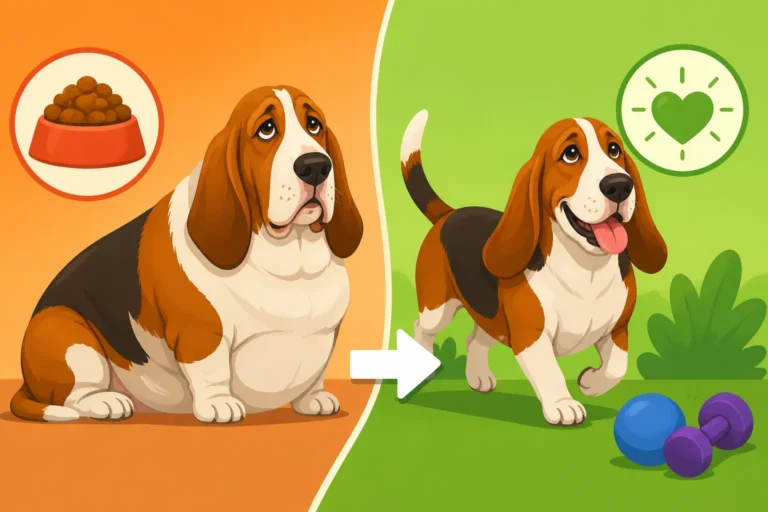
- Strength and Fitness: Keeping your Basset at a healthy weight and ensuring they get appropriate exercise can strengthen their core muscles, which in turn supports their spine. A strong, fit dog is less prone to injury. For insights on this, you might explore Keeping a Basset Hound at Its Correct Weight. Always consult your vet for an exercise plan appropriate for your Basset’s age and health.
Special Considerations for Basset Hounds
Every Basset Hound is an individual, and what works for one might need slight adjustments for another. Age, temperament, and health status all play a role in how you approach lifting.
Lifting a Puppy vs. an Adult vs. a Senior Basset
The way you lift your Basset Hound will naturally evolve as they move through different life stages.
- Puppies: Basset Hound puppies, while small, are surprisingly fragile. Their bones and joints are still developing, and their enthusiasm can make them squirmy. When lifting a puppy, always ensure their entire body is supported, just like with an adult, but be extra gentle. This is also the perfect time to start positive reinforcement training for being handled and lifted, so they associate it with positive experiences. Getting them used to gentle handling of their ears, feet, and body will pay dividends as they grow.
- Adults: An adult Basset Hound will likely be at their heaviest. This is when proper technique truly shines. Focus on using your legs, maintaining a straight spine for your dog, and leveraging two-person lifts or assistive devices when needed. They will have established habits, so patience and consistency are key if you're trying to re-teach them to accept lifts or use ramps. If you haven't already, start training for polite car entry or using steps now.
- Seniors: Older Basset Hounds often present the greatest challenge and require the most gentle approach. They may be dealing with arthritis (Arthritis in a Basset Hound at Seven), Intervertebral Disc Disease in a Basset Hound, weakened muscles, or even impaired vision. Every lift must be exceptionally smooth, stable, and completely supportive. Avoid any movements that could put pressure on painful joints or a sensitive back. It's often senior Bassets that struggle most with mobility, leading to situations where The Old Basset Hound That Cannot Get Off the Floor becomes a daily reality. For these hounds, investing in a good quality full-body support harness or sling can be life-changing, allowing you to assist them without causing further discomfort or injury.
Addressing Fear or Resistance
Sometimes, a Basset Hound will resist being lifted, whether due to fear, pain, or simply being "stubborn" (which, for a Basset, often just means they're not in the mood!). Overcoming this requires patience, positive reinforcement, and sometimes, a little detective work.
- Positive Reinforcement: Always pair lifting with positive associations. Use calm, soothing vocalizations, and offer high-value treats immediately after a successful lift. A tasty treat from a brand like Ollie, known for their fresh dog food and treats, can turn a reluctant experience into a much more pleasant one. Small pieces of cheese or cooked chicken can also work wonders. The goal is to build a positive emotional response to being handled.
- Gradual Approach: If your Basset is fearful, don't rush. Start by simply practicing the preparatory steps – crouching down, gently touching their chest and hindquarters, giving the verbal cue – without actually lifting. Gradually build up to a short, small lift, always ending on a positive note. Consistency over time will build trust.
- Identify the Cause: Is the resistance fear, or is it pain? If your Basset suddenly starts resisting being lifted when they previously didn't, it could be a sign of discomfort or a new injury. Pay close attention to any limping, stiffness, or vocalizations. A vet check-up is crucial to rule out underlying medical issues, especially with their predisposition to back and joint problems.
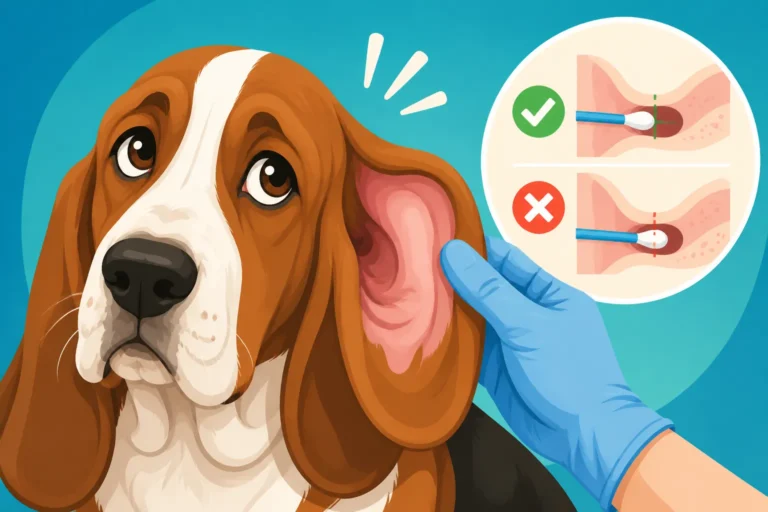
- Safe Handling Techniques: Ensure your hands aren't pinching their loose skin or putting pressure on sensitive areas. Their pendulous ears can also get in the way, so gently guide them out of the path of your arms. A comfortable experience will make them more willing next time.
No matter the reason for resistance, never resort to force or harsh handling. This will only worsen their fear and make future lifts even harder, potentially leading to a bite if they feel threatened. Patience, understanding, and positive reinforcement are your best tools.
Lifting Techniques at a Glance
To summarize the various ways to safely lift your Basset Hound, here’s a quick overview:
| Method | Description | When to Use | Key Benefit | Considerations |
|---|---|---|---|---|
| Scoop and Support | One arm under chest, one under hindquarters; lift evenly, spine straight. | Single person, smaller Bassets, routine lifts (car, vet table). | Even weight distribution, spine support, prevents sagging. | Requires sufficient strength; can be challenging for very heavy Bassets. |
| Team Lift | Two people, one supporting front, one supporting rear; lift in unison. | Heavy Bassets, reluctant dogs, getting into baths or higher surfaces. | Distributes weight for both dog and handlers; enhanced safety. | Requires coordination and clear communication between lifters. |
| Harness with Handle | Harness with integrated handle for gentle assistance or partial lifts. | Assisting over obstacles (stairs), steadying, short lifts onto low surfaces. | Provides a secure, comfortable grip point; less strain for handler. | Not a full lift solution; ensure harness fits correctly and is sturdy. |
| Support Sling | Full-body sling supporting entire torso, often with adjustable straps. | Injured, post-op, arthritic, or paralyzed Bassets; long-term mobility aid. | Maximum spinal and body support; ideal for frail or disabled dogs. | Can be bulky; may require practice to fit and use effectively. |
| Ramps/Steps | Physical aids that allow Basset to walk up/down surfaces independently. | Entry/exit from cars, beds, couches; preventing jumps. | Eliminates need for lifting; promotes independence; protects joints. | Requires training for dog to use; takes up space; must be sturdy/non-slip. |
Disclaimer
This article is for general informational purposes only and does not constitute professional advice. Laws, prices and regulations vary by location and change over time. Consult a qualified professional for guidance on your specific situation.