Elbow Dysplasia in a Basset Hound
It’s truly heartbreaking to see your beloved Basset Hound struggling, especially when they’re limping or reluctant to join in their usual lumbering adventures. That distinctive, joyful waddle we adore can suddenly look painful, and the worry starts to creep in. Many Basset owners eventually face the difficult reality of joint issues, and elbow dysplasia is a particularly common and complex culprit. This comprehensive guide will walk you through everything you need to know about elbow dysplasia in Basset Hounds, from understanding what it is to managing it effectively, so you can help your furry family member live their happiest, most comfortable life.
Understanding Elbow Dysplasia in Your Basset Hound
Elbow dysplasia isn't just one problem; it's a catch-all term for several developmental abnormalities that can occur in the elbow joint of growing dogs. For Basset Hounds, with their unique chondrodystrophic (dwarf) build and heavy bone, these issues can be particularly prevalent and impactful. It’s not something they "catch" like a cold; it’s a genetic predisposition that manifests during their rapid growth phase.
What Exactly is Elbow Dysplasia?
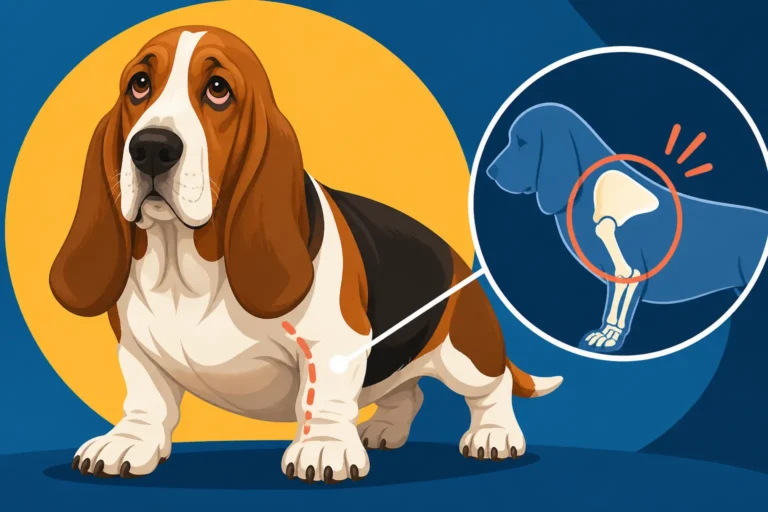
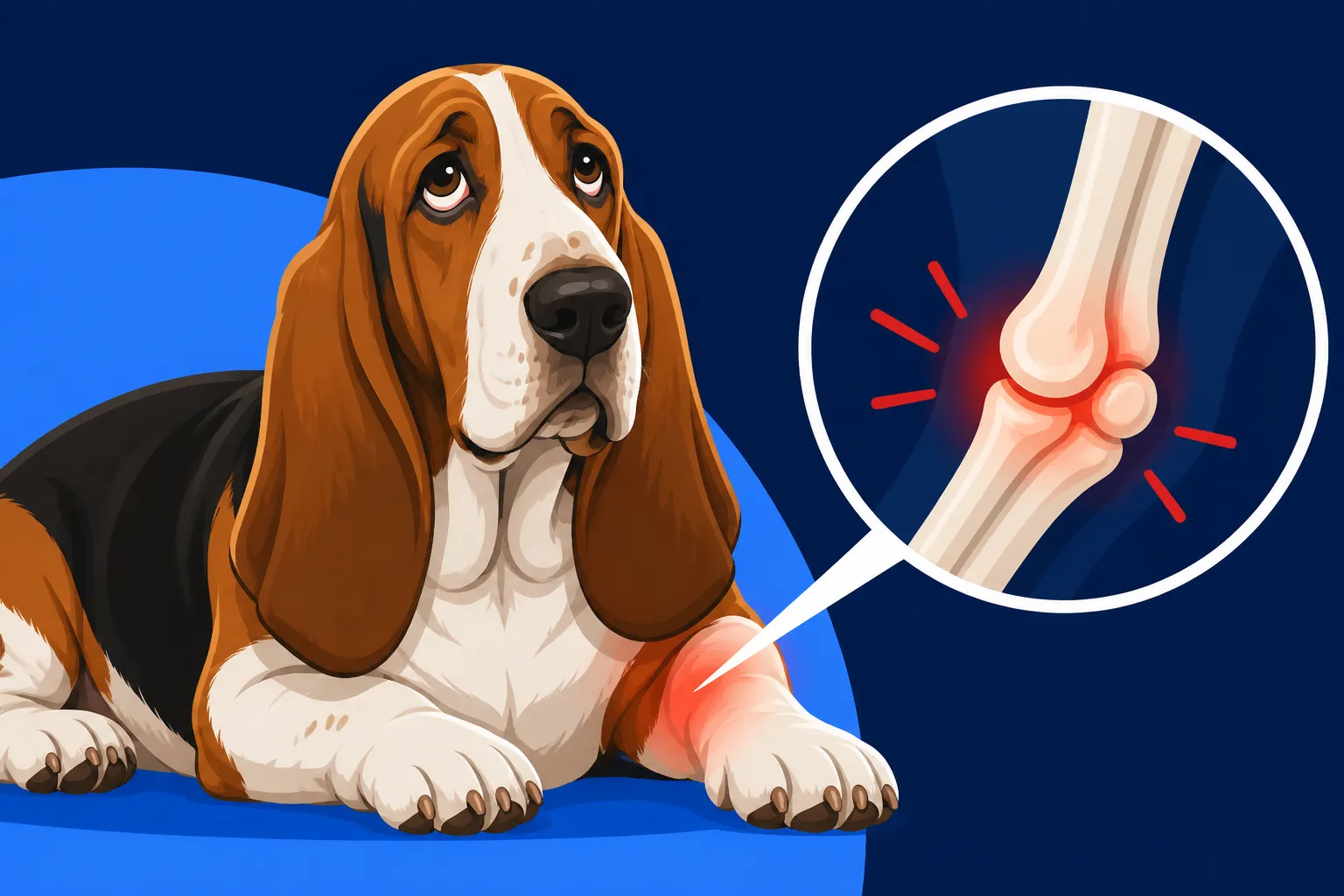
When we talk about elbow dysplasia (ED), we're actually referring to a complex of four distinct, but often related, conditions that affect the elbow joint. The elbow is a hinge joint, and it’s formed by three bones: the humerus (upper arm bone), the radius, and the ulna (forearm bones). For a healthy elbow, these three bones need to fit together perfectly. When they don't, due to improper development, that's where the trouble begins.
The four main components of ED are:
- Fragmented Coronoid Process (FCP): This is the most common form of ED. The coronoid process is a small bony protrusion on the ulna bone. In FCP, a piece of this bone breaks off or fragments, causing irritation, pain, and inflammation within the joint. Imagine a tiny splinter constantly rubbing inside a delicate mechanism – that's what it feels like for your dog.
- Ununited Anconeal Process (UAP): The anconeal process is another small bony projection on the ulna. It typically fuses with the rest of the ulna by about five months of age. In UAP, this fusion doesn't happen, leaving a separate piece of bone that can float freely or stay loosely attached, leading to instability and severe lameness.
- Osteochondrosis Dissecans (OCD) of the Humeral Condyle: This condition involves a disturbance in the normal development of cartilage. Cartilage is the smooth, protective tissue that covers the ends of bones in a joint. With OCD, a flap of cartilage, sometimes with a piece of underlying bone, separates from the surface of the humerus, creating pain and inhibiting proper joint function.
- Elbow Incongruity: This refers to an improper fit between the three bones of the elbow joint. This can be due to a discrepancy in the growth rates of the radius and ulna, leading to uneven pressure on the joint cartilage. Over time, this abnormal stress causes cartilage wear and tear, leading to arthritis and pain. While sometimes considered a separate issue, it often co-occurs with FCP or UAP.
It's crucial to understand that these conditions are developmental. They begin as puppies grow and mature, typically between 4 to 12 months of age, though symptoms might not become obvious until later. The Basset Hound's genetics and unique skeletal structure, especially the way their bones grow, unfortunately, make them prime candidates for these kinds of issues.
Why Basset Hounds Are Prone to Elbow Dysplasia
Basset Hounds, like many large and rapidly growing breeds, are genetically predisposed to elbow dysplasia. Their charmingly low-slung, heavy-boned structure, a hallmark of their chondrodystrophic heritage (a form of dwarfism), plays a significant role. While this gives them their distinctive look, it also puts particular stresses on their developing joints.
The rapid growth phase in Basset Hounds means their bones, cartilage, and soft tissues are developing quickly. Any minor disruption in this intricate process – whether it's genetic instructions or environmental factors like nutrition or inappropriate exercise – can lead to one or more of the ED components. The sheer weight of a Basset Hound's body also places considerable stress on their developing elbow joints. Imagine a heavy, compact body on relatively short, thick legs; those elbows bear a lot of impact, especially if their growth isn't perfectly synchronized.
Breeders have a vital role in trying to reduce the incidence of ED. Reputable breeders will undertake health screenings, including elbow evaluations, on their breeding stock to ensure they are not passing on the genes that contribute to this debilitating condition. This is why when considering a puppy, asking about The Health Tests a Basset Hound Breeder Should Run is paramount. Knowing about the parents' health is one of the best ways to predict your puppy's potential for a healthy future. Even with the best breeding practices, though, ED can sometimes appear, highlighting the complex genetic nature of the disease.
Recognizing the Signs and Symptoms
Spotting elbow dysplasia can be tricky, as Basset Hounds are often stoic and their low-key nature can sometimes mask discomfort. They might not complain loudly, but their behavior will tell a story if you know what to look for.
Subtle Clues in Puppyhood
The earliest signs of elbow dysplasia often emerge when your Basset Hound is still a puppy, typically between 4 to 12 months old. However, these signs can be very subtle and easily dismissed as "puppy clumsiness" or just a tired dog. Many owners might not even notice them until the condition has progressed.
Look for a puppy who seems less enthusiastic about play than their littermates or other puppies. They might show a slight, intermittent lameness, especially after waking up from a nap or after a burst of activity. This lameness might improve after they "warm up" with a little movement. You might observe them shifting their weight more to their hind legs or sitting with one leg subtly extended to relieve pressure on the affected elbow. They might also be reluctant to put full weight on one front leg, leading to a kind of hopping gait when they run. Some puppies might even develop a broader stance in their front legs, trying to find a more comfortable way to support their weight. Don't be fooled if the limping seems to disappear for a while; the underlying joint abnormalities are still present and often worsen with age and activity. It's a bit like a minor ache that you can ignore for a while, but it's always there, waiting to flare up.
Clearer Indicators in Adult Basset Hounds
As a Basset Hound matures, the signs of elbow dysplasia tend to become more pronounced and consistent. This is often when owners seek veterinary attention because the discomfort is no longer occasional but a regular feature of their dog's life.
Common symptoms in adult Basset Hounds include:
- Persistent Lameness: This is often the most obvious sign. The lameness typically affects one or both front legs and is often worse after periods of rest (e.g., first thing in the morning) or after strenuous exercise. Your Basset might appear stiff when they first get up, slowly improving with movement.
- Stiffness and Difficulty with Movement: You might notice your Basset struggling to get up from a lying position, reluctant to jump onto furniture (even if they previously did), or avoiding stairs. They might walk with a stiff, short-strided gait in their front legs, possibly carrying their elbow out to the side in an attempt to alleviate pain.
- Decreased Activity Levels: A Basset Hound with elbow pain will naturally want to move less. They might stop initiating play, be less enthusiastic about walks, or prefer to lie down rather than stand. This can sometimes be mistaken for general laziness or simply getting older, but it’s a red flag.
- "Bunny Hop" Gait: When running, some Basset Hounds with bilateral elbow pain might lift both front legs simultaneously, resembling a "bunny hop" to minimize impact on their painful elbows.
- Pain on Palpation and Swelling: If you gently feel your Basset's elbow joint, they might react with a flinch or whimper, indicating pain. In some cases, there might be noticeable swelling around the joint, or you might even feel a grinding or crackling sensation (crepitus) as the joint moves.
- Muscle Atrophy: Over time, if one leg is favored due to pain, the muscles in that leg may begin to waste away, becoming noticeably thinner than the muscles in the healthy leg.
It's important to differentiate these symptoms from other conditions common in Bassets. For instance, sometimes a limp can be related to The Crooked Front a Basset Hound Is Built On, which is structural but not necessarily painful in the same way. However, if the lameness is accompanied by stiffness and obvious discomfort, especially after rest, elbow dysplasia should be high on your list of concerns. If left untreated, elbow dysplasia invariably leads to secondary osteoarthritis, which can cause chronic pain and further reduce mobility, similar to Arthritis in a Basset Hound at Seven.
Diagnosing Elbow Dysplasia
Once you suspect something is wrong with your Basset Hound's elbows, getting a professional diagnosis is the crucial next step. It can be a frustrating journey, as the signs aren't always definitive, but a systematic approach will get you the answers you need.
The Vet Visit and Initial Assessment
Your first stop will be your veterinarian, who will start with a comprehensive physical examination. They’ll observe your Basset Hound’s gait, both walking and trotting, to assess for lameness, stiffness, or any unusual movements. Don’t be surprised if your Basset is on their best behavior at the clinic and masks their limp; it’s a common phenomenon! It’s really helpful to provide your vet with a detailed history: when did you first notice symptoms? Are they worse at certain times of day or after certain activities? Does your Basset seem reluctant to jump or use stairs?
The vet will then meticulously palpate and manipulate your Basset’s elbow joints, checking for swelling, warmth, pain responses, or any grating sounds (crepitus). They’ll test the range of motion of the joint, noting any limitations or discomfort. They might also check other joints, like the hips and stifles, to rule out other causes of lameness or to identify co-existing orthopedic issues. Sometimes, what looks like elbow pain can be referred from another area, or a Basset might have multiple issues. It's a detective job, and your vet needs all the clues they can get. It's also vital to differentiate elbow pain from other common Basset Hound structural issues. While The Crooked Front a Basset Hound Is Built On is a common feature, it doesn't typically cause the same kind of acute pain and lameness as elbow dysplasia unless secondary arthritis has set in.
Imaging and Advanced Diagnostics
While a physical exam can strongly suggest elbow dysplasia, definitive diagnosis usually requires imaging.
- X-rays (Radiographs): These are the most common initial diagnostic tool. Your vet will take specific views of your Basset’s elbows. To get clear, diagnostic images, your Basset will likely need sedation or even general anesthesia to ensure they are perfectly still and the joint can be positioned correctly. On X-rays, the vet will look for signs such as sclerosis (increased bone density), osteophytes (bone spurs), evidence of bone fragments (like a fragmented coronoid process), or issues with the anconeal process. However, the tricky thing with X-rays is that they don't always show cartilage damage or very small fragments, especially in the early stages. Sometimes, what looks subtle on an X-ray can be causing significant pain.
- Computed Tomography (CT) Scan: For more precise imaging, especially for complex conditions like FCP or medial compartment disease, a CT scan is often recommended. A CT scan provides much more detailed cross-sectional images of the joint than traditional X-rays, allowing the vet to see tiny bone fragments or incongruities that might be missed otherwise. It's an invaluable tool for planning surgery, as it gives the veterinary surgeon a clearer roadmap of the joint's pathology.
- Magnetic Resonance Imaging (MRI): While less commonly used for primary ED diagnosis, an MRI can be useful if soft tissue or cartilage damage is suspected, as it provides excellent detail of these structures. However, for bone fragments and incongruity, CT is often preferred.
- Arthroscopy: This is a minimally invasive surgical procedure where a tiny camera (arthroscope) is inserted into the joint. It allows the veterinary surgeon to directly visualize the inside of the elbow joint, identify lesions, and often simultaneously remove fragments or address other issues. Arthroscopy is considered the gold standard for diagnosing and treating FCP and OCD, offering superior visualization compared to X-rays and even CT in some cases.
To help visualize the difference in diagnostic capabilities, here's a table comparing common methods:
| Diagnostic Method | What it Shows Best | Advantages | Disadvantages |
|---|---|---|---|
| Physical Exam | Pain, range of motion, lameness severity | Non-invasive, initial assessment | Subjective, cannot confirm specific lesions |
| X-rays | Bone changes, gross incongruity | Relatively inexpensive, widely available | Less sensitive for small fragments, cartilage; sedation often needed |
| CT Scan | Small bone fragments, joint incongruity | Excellent detail of bone, surgical planning | More expensive, requires general anesthesia, less soft tissue detail |
| MRI | Soft tissue (cartilage, ligaments) | Best for cartilage and soft tissue assessment | Very expensive, requires general anesthesia, less bone detail than CT |
| Arthroscopy | Direct visualization of joint interior | Gold standard for FCP/OCD, therapeutic | Invasive (surgical), expensive, requires general anesthesia |
After reviewing the imaging results, your vet will discuss the specific diagnosis and develop a tailored treatment plan for your Basset Hound.
Treatment Options and Management
Dealing with an elbow dysplasia diagnosis can feel overwhelming, but the good news is there are many options available to help your Basset Hound. Treatment approaches vary widely depending on the severity of the condition, the specific components of ED present, and your dog's age and overall health.
Conservative Management Strategies
For many Basset Hounds, especially those with milder forms of ED or those where surgery isn't an option, conservative (non-surgical) management can significantly improve their quality of life. The goal is always to reduce pain, slow the progression of arthritis, and maintain mobility.
- Pain Management: Non-steroidal anti-inflammatory drugs (NSAIDs) are a cornerstone of pain control. Your vet will prescribe the appropriate medication and dosage to manage inflammation and discomfort. It's vital to follow their instructions carefully and never give human pain medication. Other pain relief options might include gabapentin or amantadine, often used in conjunction with NSAIDs for more severe or chronic pain.
- Joint Supplements: Supplements containing ingredients like glucosamine, chondroitin sulfate, and MSM (methylsulfonylmethane) are often recommended. These ingredients are thought to support cartilage health and reduce inflammation. Brands like Cosequin or Dasuquin are commonly suggested. While they don't "cure" ED, they can help lubricate the joint and potentially slow the degeneration of cartilage. You might want to ask your vet Whether a Basset Hound Needs Joint Supplements as a preventative measure or once symptoms start.
- Weight Management: This is absolutely critical for Basset Hounds with joint issues. Every extra pound puts immense stress on their already compromised elbows. Keeping your Basset at a lean, healthy weight can dramatically reduce pain and slow the progression of arthritis. Your vet can help you determine the ideal weight for your individual Basset and create a feeding plan. It's worth remembering that What Extra Weight Does to a Basset Hound is far more detrimental than just making them slower; it directly impacts joint health. Regular monitoring and adjusting their diet, as detailed in articles like Keeping a Basset Hound at Its Correct Weight, are essential.
- Controlled Exercise and Physical Therapy: While exercise is important, it needs to be modified. High-impact activities like jumping, running on hard surfaces, or prolonged, strenuous play should be avoided. Instead, focus on controlled, low-impact exercise like leash walks on soft ground, short bursts of gentle play, and especially hydrotherapy (swimming or underwater treadmill). Hydrotherapy is fantastic because it allows your Basset to exercise their muscles without putting weight on their painful joints. A certified canine rehabilitation therapist can develop a specific exercise program tailored to your Basset's needs.
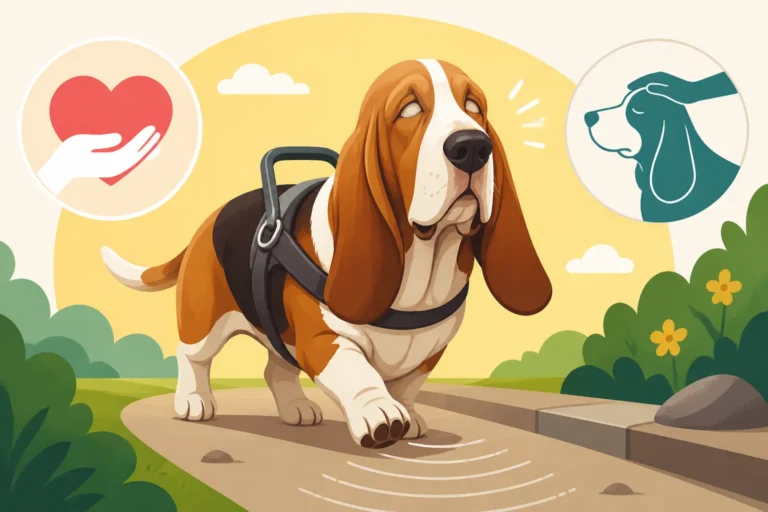
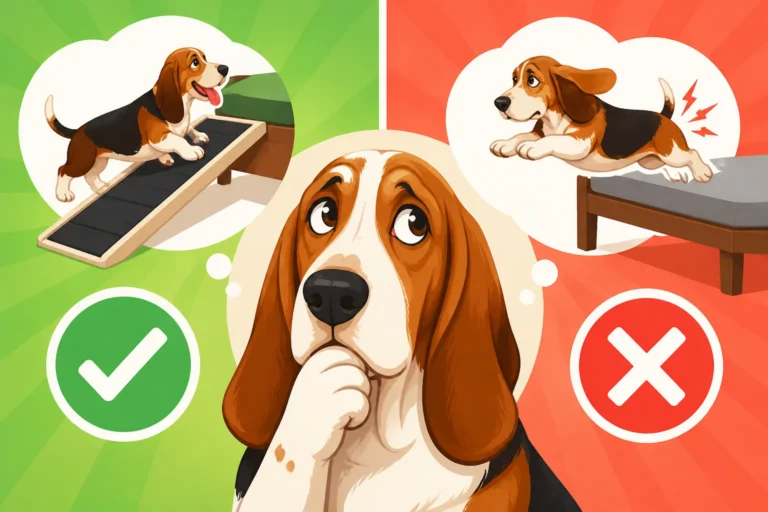
- Environmental Modifications: Making your home more joint-friendly can make a huge difference. Provide orthopedic beds to support their joints, use non-slip rugs on hard floors to prevent slips and falls, and consider ramps or steps to help them access furniture or the car without jumping. For more on this, you can check out The Ramps, Beds and Gates a Basset Hound Needs.
Managing these costs can add up, and this is where a good pet insurance plan like Healthy Paws can really come into its own, helping to cover the ongoing vet visits, medications, supplements, and physical therapy sessions that are so vital for long-term comfort.
Surgical Interventions
For many Basset Hounds, especially those with clearly defined lesions like large fragmented coronoid processes or ununited anconeal processes, surgery offers the best chance for significant pain relief and improved function.
The type of surgery depends entirely on the specific diagnosis:
- Arthroscopy: As mentioned earlier, this is often the preferred method for FCP and OCD. The surgeon uses a tiny camera and instruments to enter the joint through small incisions, remove any fragmented bone or cartilage, and smooth rough joint surfaces. It's minimally invasive, which means less pain and a faster recovery compared to open surgery. The goal is to remove the source of irritation and prevent further damage.
- Osteotomies (Bone Cuts): For UAP, where the anconeal process hasn't fused, surgery involves reattaching the fragment, often with a screw, or in some cases, removing it entirely. If there's significant joint incongruity causing pain, a specialized procedure called a Proximal Abducting Ulnar Osteotomy (PAUL) might be performed. This involves cutting and realigning the ulna bone to redistribute pressure within the joint. This is a more complex surgery, but it can make a big difference for dogs with specific types of incongruity.
- Total Elbow Replacement (TER): This is a very advanced and specialized procedure, generally reserved for severe, end-stage elbow arthritis where other treatments have failed and the dog is in constant, debilitating pain. While not as common in Basset Hounds as in some other large breeds, it can be an option for select cases. It involves replacing the damaged joint surfaces with prosthetic components, much like a human elbow replacement.
Post-operative care is just as critical as the surgery itself. This typically involves a period of strict rest, followed by a carefully managed physical rehabilitation program. Rehabilitation, including cold laser therapy, therapeutic exercises, and hydrotherapy, is essential for regaining strength, flexibility, and a full range of motion. Without proper rehab, even the most successful surgery might not yield optimal results.
Surgical costs, particularly for advanced procedures and the necessary post-operative care, can be substantial. Again, pet insurance can be a lifesaver here. Plans from providers like Healthy Paws often cover the costs of these major surgeries and the subsequent rehabilitation, easing the financial burden on owners and allowing them to make the best medical decisions for their Basset Hound without added stress.
Living with Elbow Dysplasia and Long-Term Care
Receiving a diagnosis of elbow dysplasia means you're now a lifelong partner in managing your Basset Hound's joint health. It's not just about addressing the immediate problem but about creating a sustainable lifestyle that keeps them comfortable and happy.
Lifestyle Adjustments for a Comfortable Life
Making small, consistent changes in your Basset's daily life can significantly impact their comfort and slow the progression of arthritis. Think of it as creating a "joint-friendly" environment.
- Soft Bedding and Resting Spots: Ensure your Basset has access to soft, supportive orthopedic beds in all their favorite resting spots. These beds evenly distribute weight, reduce pressure on joints, and provide crucial support, especially for older Basset Hounds who might struggle with getting up, as seen in The Old Basset Hound That Cannot Get Off the Floor.
- Non-Slip Floors: Hardwood, tile, or laminate floors can be incredibly challenging for dogs with joint pain, as they provide little traction, increasing the risk of slips and falls that can exacerbate pain or cause further injury. Lay down non-slip rugs or runners in high-traffic areas to give your Basset stable footing.
- Controlled Exercise: As discussed under conservative management, moderation is key. Regular, short, low-impact walks are better than occasional long, strenuous outings. Avoid activities that involve sharp turns, jumping, or sudden stops. Swimming or hydrotherapy is ideal as it strengthens muscles without joint impact. Even engaging their incredible nose with Giving a Basset Hound's Nose Something to Do can be a great, low-impact way to keep them mentally stimulated and happy.
- Consistency in Medication and Supplements: Adhere strictly to your veterinarian's recommendations for pain medication and joint supplements. Consistency is vital for maintaining steady pain control and supporting joint health. Skipping doses or inconsistent administration can lead to breakthrough pain and a less effective treatment regimen.
- Ramps and Steps: Teach your Basset to use ramps or doggy steps to get on and off furniture, into the car, or navigate small elevation changes around the house. This prevents the jarring impact of jumping, which is incredibly damaging to compromised joints. This is a practical application of advice often found in articles about The Ramps, Beds and Gates a Basset Hound Needs.
Living with chronic pain can also affect a dog's mental well-being. Make sure your Basset still feels loved, included, and engaged. Gentle play, cuddle time, and puzzle toys can keep their spirits high, even if their physical activity is limited.
Monitoring and Preventing Further Deterioration
Elbow dysplasia is a progressive condition, meaning it often worsens over time as secondary arthritis develops. Therefore, ongoing vigilance and proactive management are essential to maintain your Basset's comfort and slow this progression.
- Regular Veterinary Check-ups: Schedule routine check-ups with your vet, typically every 3-6 months, to monitor your Basset's joint health. During these visits, your vet can assess their pain levels, evaluate their mobility, and make any necessary adjustments to their medication or management plan. These visits are also an opportunity to catch any new issues early.
- Adjusting Pain Protocols: Pain management isn't a "set it and forget it" solution. As your Basset ages or their condition progresses, their pain medication might need to be adjusted, or additional therapies might be introduced. Your vet might explore multimodal pain management, combining different types of medications or therapies to achieve optimal comfort.
- Maintaining Ideal Weight: This cannot be stressed enough. Regular weight checks at home and during vet visits are crucial. If your Basset starts to gain weight, immediately adjust their diet and activity to bring it back down. For a Basset Hound, What Extra Weight Does to a Basset Hound can be catastrophic for their joints.
- Recognizing Secondary Arthritis: Even with the best care, elbow dysplasia often leads to secondary osteoarthritis. Learn the signs of worsening arthritis, which can include increased stiffness, more pronounced lameness, reluctance to move, or even personality changes due to chronic pain. Early intervention can make a significant difference in managing these flare-ups.
- Emotional Support for Owners: Caring for a dog with a chronic condition like ED can be emotionally and financially draining. Don't hesitate to seek support from your vet, online communities, or local dog groups. Understanding that you're not alone in this journey can be incredibly helpful. Financial assistance for long-term care, including medications, supplements, and physical therapy, is where a reliable pet insurance provider like Healthy Paws can truly provide peace of mind, covering a significant portion of these ongoing expenses.
By being proactive, observant, and working closely with your veterinary team, you can provide your Basset Hound with elbow dysplasia the best possible chance at a comfortable, fulfilling life.
Breeding Considerations and Prevention
Understanding the genetic component of elbow dysplasia is paramount for responsible Basset Hound ownership and crucial for ensuring the health of future generations. While we can manage the condition, prevention through ethical breeding is the ultimate goal.
The Importance of Responsible Breeding
Elbow dysplasia is a polygenic trait, meaning it's influenced by multiple genes. It's also heritable, which means it can be passed down from parents to their offspring. This makes the role of responsible breeders absolutely critical in reducing the incidence of ED within the Basset Hound population.
Responsible breeders understand this genetic predisposition and take proactive steps to minimize the risk in their litters. The primary tool for this is health screening of breeding animals through programs like the Orthopedic Foundation for Animals (OFA). The OFA evaluates radiographs (X-rays) of a dog's elbows, assigning them a grade (Normal, Grade I, II, or III Dysplasia). Reputable breeders will only breed dogs that have received an OFA "Normal" elbow grade. They will also typically refuse to breed dogs that have been diagnosed with ED, even if they show mild symptoms, or dogs that have produced offspring with ED.
It's not just about the individual dog; it's about the entire lineage. A truly responsible breeder will look at the elbow health of the parents, grandparents, and any siblings or previous offspring. They are striving to produce healthy puppies, not just winning ribbons. Always, always, ask to see the health clearances for both parents, not just a verbal assurance. A breeder who cannot or will not provide these certifications, especially Whether a Basset Hound Breeder Should Show Elbow Scores, is a significant red flag. Choosing a puppy from parents with documented clear elbow scores greatly reduces the likelihood that your Basset Hound will develop this painful condition.
Puppy Choices and Early Interventions
As a prospective Basset Hound owner, you have the power to make informed choices that contribute to the overall health of the breed and your future companion.
- Choose a Reputable Breeder: This is the single most important step. A good breeder will be transparent about their dogs' health, provide verifiable OFA clearances for elbows (and hips!), and be knowledgeable about elbow dysplasia. They should be able to discuss the health history of their lines and answer all your questions. Be wary of breeders who offer puppies at unusually low prices or who don't ask you many questions; this often indicates a lack of concern for the long-term well-being of their dogs. When considering a puppy, asking Whether an Untested Basset Hound Litter Is Worth Buying is a crucial question to evaluate risk.
- Proper Nutrition in Puppyhood: While genetics lay the groundwork, environmental factors during puppyhood can influence the expression and severity of ED. Feeding a high-quality, large-breed puppy food formulated for slow, steady growth is vital. These foods have a carefully balanced calcium-to-phosphorus ratio and appropriate calorie levels to prevent puppies from growing too quickly, which can exacerbate joint problems. Avoid overfeeding, as rapid growth and excess weight put undue stress on developing joints.
- Avoid Excessive, High-Impact Exercise: During your Basset Hound puppy's critical growth period (up to 12-18 months), limit high-impact activities like excessive running, jumping from heights (e.g., off furniture or out of cars), or prolonged strenuous exercise. Their growth plates are still open and vulnerable to injury. Gentle, controlled exercise, like short leash walks and playtime on soft surfaces, is much safer. Let puppies play, but supervise and intervene if they're engaging in roughhousing or high-impact activities for extended periods.
By understanding the genetic basis of elbow dysplasia and making responsible choices, you contribute not only to your own Basset Hound's health but also to the larger effort to reduce the prevalence of this challenging condition in the breed.
Disclaimer
The information provided in this article is for general educational purposes only and is not intended as a substitute for professional veterinary advice. Always consult with a qualified veterinarian for any health concerns or before making any decisions related to your Basset Hound's medical care.