Whether a Basset Hound Steps on Its Own Ears
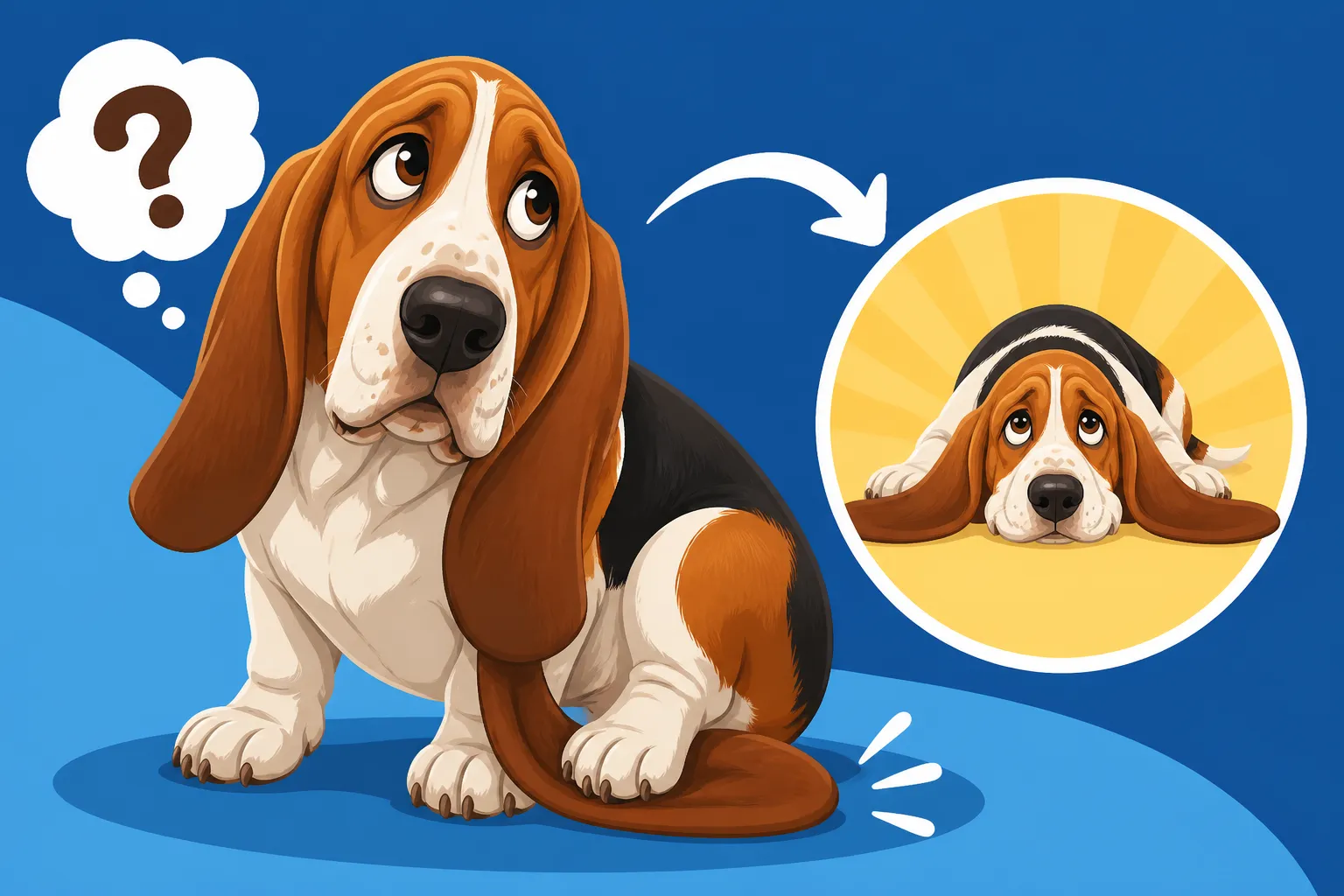
It’s a sight familiar to any Basset Hound owner: that low-slung, beautiful dog taking a determined step forward, only to suddenly stumble or let out a soft "oof" as one of its magnificent, lengthy ears gets snagged under a paw. It might look comical, but this frequent occurrence isn't just an adorable quirk; it can lead to genuine discomfort, injury, and a whole host of hygiene challenges. This guide will delve deep into why Basset Hounds are so prone to stepping on their own ears and, more importantly, how you can proactively prevent these furry trip-hazards from causing real problems for your beloved companion.
The Anatomy Behind the Basset Hound's Magnificent Ears
The Basset Hound is a breed celebrated for its distinctive features, and none are quite as iconic as those incredibly long, velvety ears. But these aren't just for show; they're a crucial part of the Basset's exceptional scenting ability. However, this very design, honed over centuries for tracking, also sets them up for some unique challenges in daily life.
The Sheer Length and Weight of Basset Ears
Let's be honest, Basset Hound ears are long. We're not talking about just a little past the chin; a well-bred Basset's ears can often reach, or even extend beyond, the tip of their nose when stretched forward. This extraordinary length means they naturally hang very low, often brushing the ground as the dog moves. Coupled with their surprising thickness and density, these ears carry a fair bit of weight.
This combination of length and weight makes them much more susceptible to being inadvertently caught. Imagine trying to walk with a long scarf draped around your neck, constantly tripping over it – that’s a bit like what a Basset Hound experiences. When they lower their head to sniff, those ears sweep the ground, gathering scent, but also dirt, debris, and moisture. The very design that makes them incredible scent hounds also makes them vulnerable to self-inflicted ear mishaps. It's a testament to their purpose, but it certainly doesn't make things easy for them or us.
How Low Their Body Sits to the Ground
Another key anatomical feature contributing to the "ear-stepping" phenomenon is the Basset Hound's remarkably short legs and long, heavy body. They are, by definition, "bas" (French for "low") dogs. This low-slung build means their entire body, including those dangling ears, operates very close to the ground.
When a Basset walks, especially on uneven terrain, those long ears are often at or below the level of their paws. It’s not just a matter of occasionally dipping an ear; it's almost a constant interaction with the ground. This anatomical design, while perfect for following a scent trail with their nose to the ground, significantly increases the likelihood of a paw coming down on an ear flap. They aren't trying to be clumsy; it's simply a consequence of their unique build. This is also why issues like The Crooked Front a Basset Hound Is Built On can exacerbate balance and gait issues, potentially leading to more ear-related incidents.
The Basset Hound's Movement and Gait
Basset Hounds aren't known for their nimble, agile movements. Instead, they possess a rather deliberate, rolling, and sometimes lumbering gait. Their heavy bone structure and relatively short, bowed legs mean they don't exactly prance with lightness. While endearing, this particular way of moving can inadvertently lead to more ear-stepping incidents.
When a Basset turns sharply, shifts its weight, or even just lifts a paw to scratch itself, that paw swing can easily catch an ear that's hanging low and wide. Their ears aren't tucked up out of the way; they sway with every movement. A sudden change in direction, an excited jump, or even just trying to navigate a narrow doorway can result in an ear being trapped underfoot. It’s not a lack of coordination on their part, but rather the physics of a large dog with very short legs and extremely long ears trying to exist in a world not entirely designed for their unique proportions.
Common Scenarios Where Ears Get in the Way
The unfortunate reality is that a Basset Hound's ears are almost always involved in some kind of minor entanglement during their day. These aren't just funny anecdotes; they highlight real challenges in daily care and can lead to significant problems if not managed.
Eating and Drinking Woes
This is probably the most universally acknowledged struggle for Basset Hound owners. Picture it: your Basset enthusiastically approaches its food bowl, head down, and those glorious ears dip right into the kibble or, worse, the water. It’s an unavoidable mess, a sticky, damp, or crumb-laden ear that then trails across your floor, furniture, or your unsuspecting leg.
Beyond the sheer mess, this constant immersion in food and water creates a persistently damp and dirty environment deep within the ear folds and canal. This isn't just a minor annoyance; it's a prime contributor to the chronic ear infections that many Basset Hounds face. Imagine your own ear constantly being wet and dirty – it's an invitation for trouble. This daily challenge often makes owners wonder Whether a Basset Hound's Ears Drag Through Its Food or Whether a Basset Hound Needs a Snood at Dinner, and the answer is usually a resounding yes to protective measures.
Walking and Navigating Obstacles
Out on a walk, a Basset Hound's ears are constantly in motion, sweeping the ground as they follow tantalizing scents. While this is what they were bred to do, it also means those ears are vulnerable. On uneven pavement, through tall grass, or navigating a rocky trail, an ear can easily get caught under a front or back paw, causing the dog to stumble, yelp, or pull up short.
Indoors, the situation isn't much better. Getting around furniture, navigating pet gates, or simply walking through a narrow hallway can lead to ears being trodden on. This isn't just a momentary discomfort; a hard stamp or a repeated dragging action can cause irritation, hair loss on the ear edges, or even minor abrasions. It's a common cause of those frustrating pauses on a walk when your Basset suddenly digs in its heels, often because an ear has become trapped.
Playtime and Social Interactions
Even during joyful moments, a Basset Hound's ears can prove to be a liability. During boisterous play with other dogs, those long, floppy ears are an easy target, either for an accidental tug or a deliberate grab by a playful canine companion. While most dogs quickly learn to be gentle, a young or overly enthusiastic playmate might not realize the damage they can inadvertently cause.
Similarly, during playtime with children, especially toddlers who might not understand the delicate nature of those long ears, an accidental yank can happen. While Basset Hounds are known for their gentle temperament and patience, a sudden, painful tug on an ear can cause discomfort and, in extreme cases, provoke a startled reaction. These interactions underscore the need for supervision and teaching both children and other pets how to interact gently with a Basset's unique features.
The Health Risks and Everyday Annoyances
While the occasional trip or a food-stained ear might seem minor, the cumulative effect of a Basset Hound’s ears constantly getting in the way can lead to significant health issues and persistent care challenges that owners often underestimate.
Increased Risk of Ear Infections
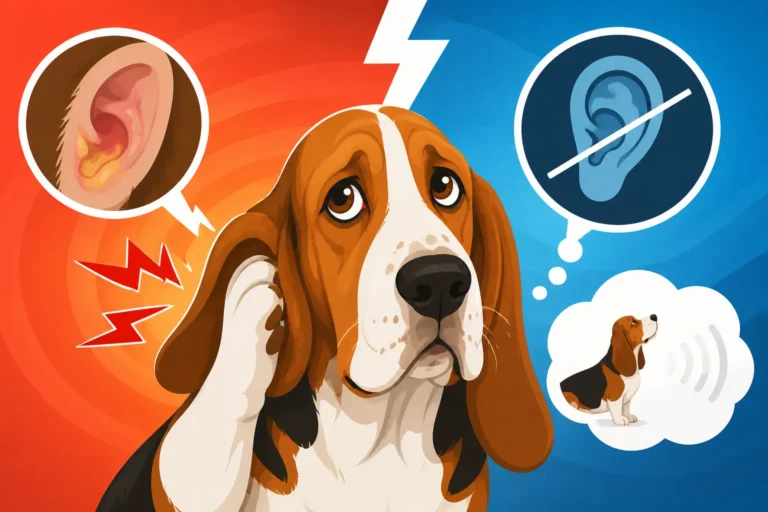
This is, without a doubt, the biggest and most common health concern related to a Basset Hound’s long, pendulous ears. When those ears are constantly dragging on the ground or dipping into food and water, they become a magnet for dirt, debris, moisture, and bacteria. The design of the Basset’s ear canal, which is long and narrow and has very little airflow, exacerbates this problem. Moisture and warmth, combined with trapped foreign matter, create an ideal breeding ground for yeast and bacteria.
Owners often find themselves battling recurrent ear infections. Signs like persistent head shaking, scratching at the ears, a foul odor, or redness inside the ear flap are all red flags. These aren't just simple infections; they can be chronic and debilitating. This is precisely why articles like The Ear Infections That Never Really Leave a Basset Hound are so crucial, offering insight into the persistent nature of these issues. Preventative measures, diligent cleaning, and knowing How Often a Basset Hound's Ears Must Be Cleaned become non-negotiable parts of Basset ownership. Investing in pet insurance like Healthy Paws can be a real lifesaver when those vet bills for chronic ear issues start piling up.
Aural Hematomas and Other Injuries
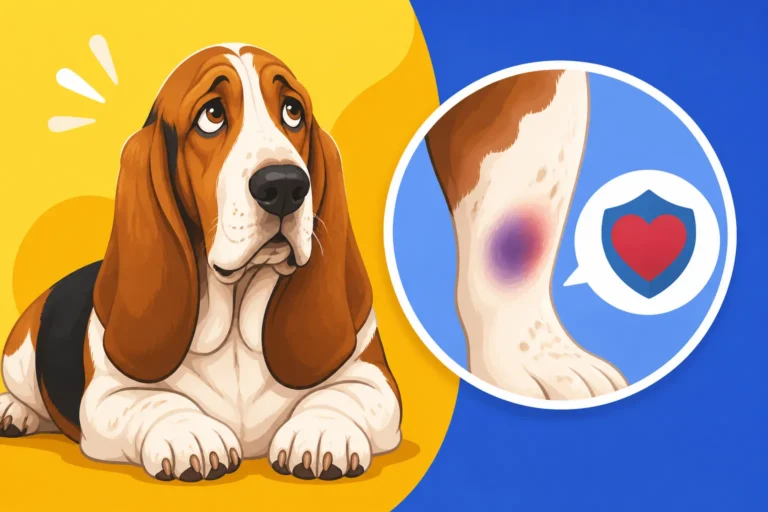
Beyond infections, direct physical trauma to the ear is a very real risk. Imagine your Basset accidentally steps on its own ear, then startles and violently shakes its head to dislodge it. That sudden, forceful flapping can cause blood vessels within the ear flap itself to rupture, leading to a condition called an aural hematoma. This is essentially a blood blister within the ear flap, causing it to swell dramatically and become incredibly painful.
Aural hematomas require veterinary intervention, often involving surgery to drain the blood and stitch the ear flap to prevent recurrence. It's a painful, costly, and distressing experience for both dog and owner. Other injuries, such as tears to the ear leather (especially if caught on a sharp object) or persistent irritation from dragging, are also possible. Sometimes, a Basset Hound’s ear flap gets torn, which can bleed profusely and require stitches. These kinds of unexpected injuries are where a good pet insurance policy, such as one from Healthy Paws, really proves its worth, helping to cover the often-high costs of emergency procedures and follow-up care.
General Discomfort and Hygiene Challenges
Even without full-blown infections or hematomas, a Basset Hound whose ears are constantly in the way experiences a lower quality of life due to general discomfort. Persistent dampness can lead to a musty smell, even if no infection is present. The accumulated dirt and debris can be irritating, causing them to shake their head more frequently or rub their ears against furniture, which in turn can lead to further irritation or even hair loss on the ear tips.
From a human perspective, the hygiene challenges are undeniable. Dirty, damp ears mean more cleaning for you and a perpetually messy home if not carefully managed. It’s a constant battle against grime and potential odor. This constant need for attention and cleaning is part of the unique commitment involved in caring for a Basset Hound, and understanding this upfront is key to being a responsible owner.
Practical Solutions for Managing Dangling Ears
While you can't change your Basset Hound's magnificent anatomy, you can certainly implement practical strategies to minimize the risks and annoyances associated with their long, expressive ears. A proactive approach is always the best defense.
Specialized Bowls and Snoods
One of the easiest and most effective ways to keep ears clean during meal times is to use specialized bowls. Look for bowls designed with a narrow opening, forcing your Basset to put its muzzle in while keeping its ears draped outside the bowl. Elevated feeders can also help, as they lift the food closer to your dog's mouth, reducing the degree to which they have to lower their head.
Even more effective are snoods! If you’ve never heard of one, it’s essentially a fabric tube or cowl that slips over your dog’s head, holding their ears back and off their face while they eat or drink. They come in various sizes and materials, and while your Basset might look a bit silly at first, they are incredibly effective at keeping ears clean and dry. Many owners find them indispensable. If you're wondering What a Snood for a Basset Hound Costs, rest assured they are an affordable solution that can save you a lot of grief and vet bills in the long run.
Regular Grooming and Inspection
Consistent ear care is paramount for Basset Hounds. This isn't a "do it when you remember" task; it needs to be part of your regular routine. At least twice a week, or even daily for Bassets prone to issues, you should be performing The Twice Weekly Ear Ritual a Basset Hound Owner Signs Up For. This involves gently cleaning the visible parts of the ear flap with a veterinarian-approved ear cleaner and soft cotton balls. Avoid cotton swabs, as they can push debris deeper into the ear canal.
After cleaning, ensure the ears are thoroughly dried, especially in the folds and crevices. Pay close attention to the tips of the ears, as these are often the first place to show wear and tear from dragging or stepping. Regularly inspect the inside of the ear for any redness, swelling, unusual discharge, or foul odor. Early detection of potential problems can prevent a minor irritation from escalating into a full-blown infection. Remember, if you notice signs of an issue, prompt veterinary care can prevent serious complications. This proactive care might even be something that a pet insurance provider like Healthy Paws values, as it demonstrates responsible pet ownership, potentially leading to better coverage outcomes.
Training and Environmental Adjustments
While you can't train a Basset Hound not to have long ears, you can train them to be more aware of their surroundings and to tolerate ear handling. Teaching a "leave it" command can be useful if they're constantly trying to root around in mud or tempting puddles. When walking, using a well-fitting harness rather than a collar can reduce the tendency for them to lower their head excessively, thus keeping their ears a little further from their paws.
At home, consider minimizing clutter or placing rugs over slippery floors where their ears might slide or get caught. If your Basset jumps on and off furniture, consider steps or ramps to reduce impact, which can also help prevent sudden, awkward movements where ears might get tangled. While a Basset Hound should typically avoid jumping off furniture to protect their delicate backs anyway, these tools indirectly help protect their ears too. Accidents happen, and having robust pet insurance like Healthy Paws can provide peace of mind for unexpected tumbles and the injuries that might ensue.
When to Consult the Vet
Knowing when to call the vet is crucial. If you notice any of the following, don't delay in seeking professional advice:
- Excessive head shaking or scratching: While some head shaking is normal, constant or vigorous shaking is a sign of discomfort.
- Redness or swelling: Any visible inflammation on the ear flap or inside the canal.
- Unusual discharge or odor: A dark, waxy, pus-like discharge or a strong, yeasty, or foul smell indicates infection.
- Pain when touching the ear: If your Basset pulls away or vocalizes when you try to examine their ear.
- Aural hematoma: A sudden, noticeable swelling of the ear flap. This is an emergency and needs immediate attention.
- Limping or reluctance to walk: This could indicate an ear injury causing pain or imbalance.
Prompt veterinary care is essential to prevent infections from becoming chronic or severe. Your vet can accurately diagnose the issue and prescribe the correct medication, whether it's drops for a yeast infection or antibiotics for bacterial overgrowth. Be aware that What Ear Treatment Costs a Basset Hound Owner Yearly can be substantial, especially for recurring issues, further highlighting the benefits of comprehensive pet insurance like Healthy Paws.
Here's a quick reference table for managing Basset Hound ear care:
| Issue / Challenge | Prevention Strategy | When to Act | Potential Costs (without insurance) |
|---|---|---|---|
| Ears dipping in food/water | Use narrow-opening bowls, snoods, elevated feeders | Daily at meal times | Low (bowl/snood cost) |
| Ears getting stepped on | Use harness on walks, clear pathways, train "leave it" | Constantly, during walks and play | Minimal, but vet costs if injury |
| Dirt/debris accumulation | Daily ear wipe, regular ear cleaning | After walks, at least twice weekly | Low (cleaner cost) |
| Moisture in ear canal | Thorough drying after baths/swimming, regular cleaning | After exposure to water, twice weekly cleaning | Minimal, but vet costs if infection |
| Infection (Yeast/Bacteria) | Consistent cleaning, proper drying, regular vet checks | Immediately if redness, odor, discharge, scratching occurs | Moderate to High (meds, consults, cultures) |
| Aural Hematoma | Prevent head trauma, address itching/shaking causes | Immediately if ear flap swells | High (surgery, follow-up care) |
Disclaimer
The information provided in this article is for general informational purposes only and is not a substitute for professional veterinary advice. Always consult with a qualified veterinarian for any health concerns or before making any decisions about your Basset Hound's care.