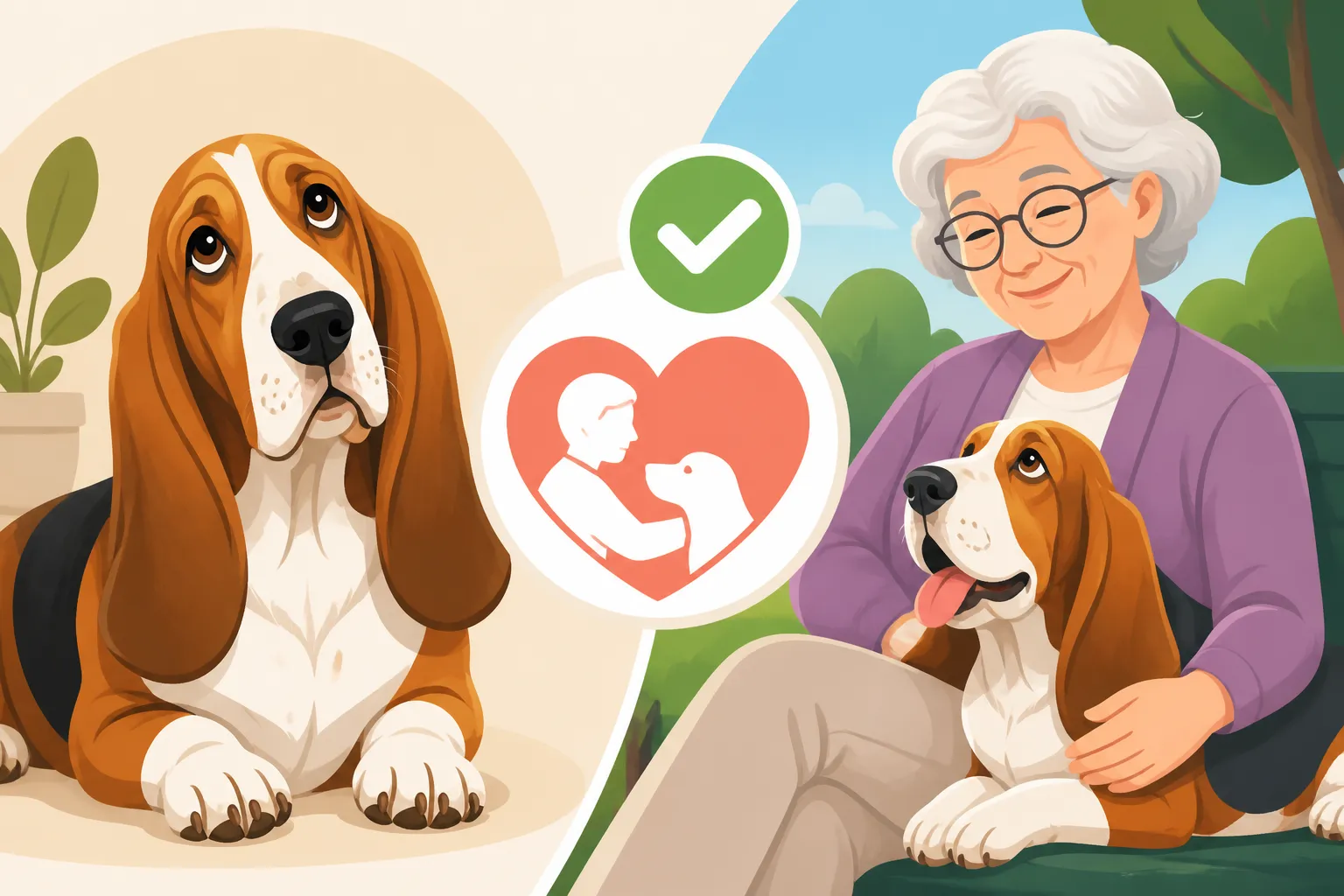
Whether a Basset Hound Suits an Older Owner
Many people, especially those in their golden years, often look at a Basset Hound and think they've found the perfect, laid-back companion for their quieter lifestyle. The image of a calm, slow-moving dog with long ears seems idyllic. But let's be real, a Basset Hound, for all their charm, can present a unique set of challenges that aren't always immediately obvious, especially for an older owner who might have less physical strength, flexibility, or patience for a stubborn streak. This guide aims to thoroughly explore the realities of Basset Hound ownership for seniors, helping you decide if this wonderful breed truly fits your lifestyle.
The Appeal of a Basset Hound for Older Owners
It's easy to see why Basset Hounds capture the hearts of many, and particularly why they might appeal to an older demographic. Their distinctive looks, mellow demeanor, and affectionate nature often paint a picture of an ideal companion.
Temperament and Companionship
One of the most immediate draws of a Basset Hound is their famously placid and affectionate nature, particularly when they're indoors. They are, at their core, incredibly loyal dogs who thrive on companionship. For someone seeking a devoted buddy to share quiet evenings, a Basset fits the bill beautifully. They're often happy to snooze on the sofa (if allowed, and if you can get them up there safely!), or simply be in the same room as their human. They tend to be very gentle and tolerant, which can be a huge plus if grandchildren visit or if you live in a multi-pet household. This calm demeanor often makes them seem less demanding than more energetic breeds. They possess a loving, somewhat clownish personality that can bring immense joy and a comforting presence to any home. They're not generally prone to hyperactivity indoors, preferring to conserve their energy for more important matters, like sniffing out crumbs or taking a nap.
Perceived Exercise Needs
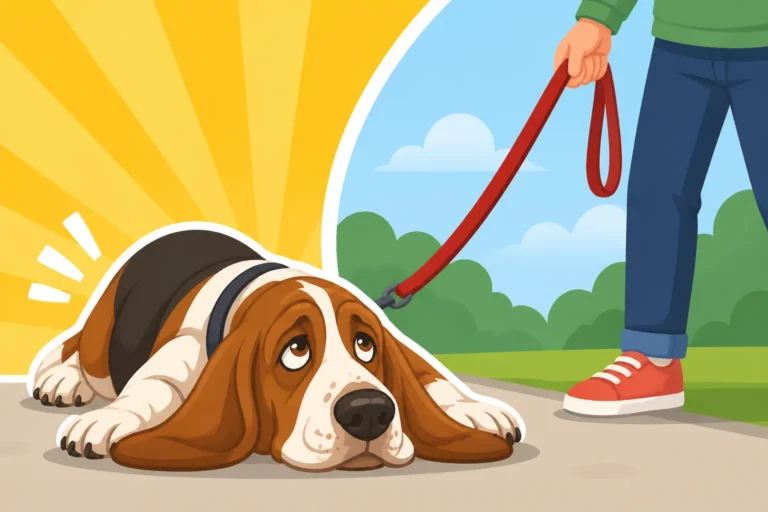
Another common perception is that Basset Hounds are low-energy dogs who require minimal exercise. It's true that they aren't built for marathons or agility courses in the same way a Border Collie might be. Their short, stout legs and heavy bodies mean they tire more quickly than some other breeds. This can lead people to believe that a couple of short walks around the block each day will suffice. However, this is where the reality can diverge sharply from the expectation. While they might seem to be low-energy, they are still scent hounds, bred to trail for hours. They possess a deep-seated instinct to explore with their noses, and this drive, if not adequately met, can lead to boredom, destructive behaviors, and even weight gain. The Basset Hound That Will Not Walk Any Further is often misunderstood; it's not always about laziness, but sometimes about being overwhelmed by scents or simply having reached their physical limit for that particular excursion. A Basset who isn't given enough mental and physical stimulation will not necessarily be a calm, quiet companion, but rather a bored, potentially vocal, and mischievous one.
Unpacking the Physical Realities of Basset Hound Ownership
While their temperament might seem perfectly suited, the unique physical characteristics of a Basset Hound often pose unexpected challenges, especially for older owners. These aren't insurmountable, but they require foresight and adaptation.
Managing Their Strength and Stubbornness on Leash
Imagine you’re out for a leisurely stroll, perhaps enjoying a quiet afternoon. Suddenly, your Basset Hound catches a scent – an utterly fascinating, irresistible scent that takes precedence over everything else in their world. That seemingly mellow dog transforms into a determined, low-slung freight train, pulling with surprising strength. Basset Hounds were bred to trail game, and their noses are incredibly powerful tools. When they lock onto a scent, they are notoriously difficult to distract or redirect. Why a Basset Hound Stops Hearing You When It Smells Something is a real phenomenon, not just a cute quirk. Trying to physically control a 50-70 pound Basset whose nose is glued to the ground, especially if you have less physical strength, balance issues, or arthritis in your hands, can be a real struggle and even a safety concern. A sudden lunge could easily pull someone off balance. This is why a sturdy, well-fitting harness is crucial, rather than just a collar, to prevent strain on their neck and your arm. You might also consider using a longer leash for more flexibility, but always be prepared for that strong, unilateral pull when their scent drive kicks in.
Lifting and Mobility Challenges
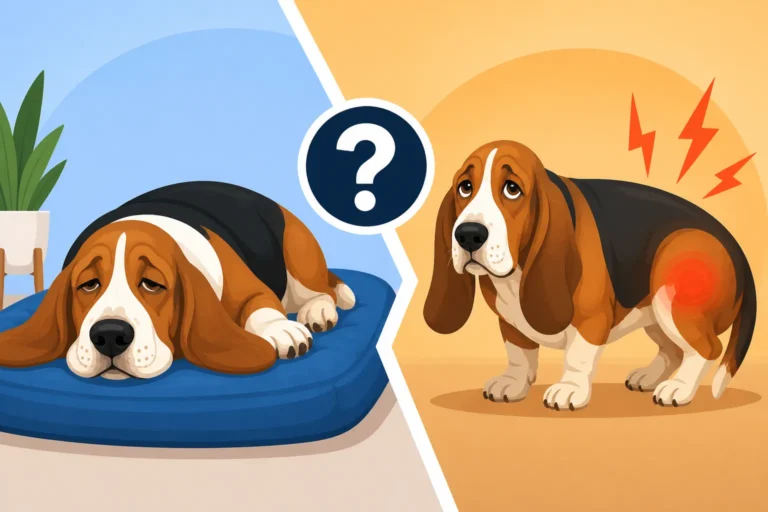
Basset Hounds, despite their short stature, are surprisingly heavy and solid. Why a Basset Hound Weighs as Much as a Labrador might seem odd, but it's true – their bone structure is dense, and they are built to be robust. This means that tasks like getting them into the car for a vet visit, lifting them onto a grooming table, or even helping them onto the sofa can be a significant physical challenge. If you have back issues, joint pain, or limited lifting capacity, this can quickly become a problem. Their long backs are also prone to The Back Trouble a Basset Hound Is Built Into, making it crucial to avoid activities that strain their spine, such as jumping off furniture or climbing stairs frequently. This means you'll need to think about home modifications early on. Ramps for cars, steps for furniture, and potentially even a specialized lifting harness can become essential items. You'll also need to consider how you'll manage them during times of illness or injury when they might be less mobile.
Grooming and Health Demands
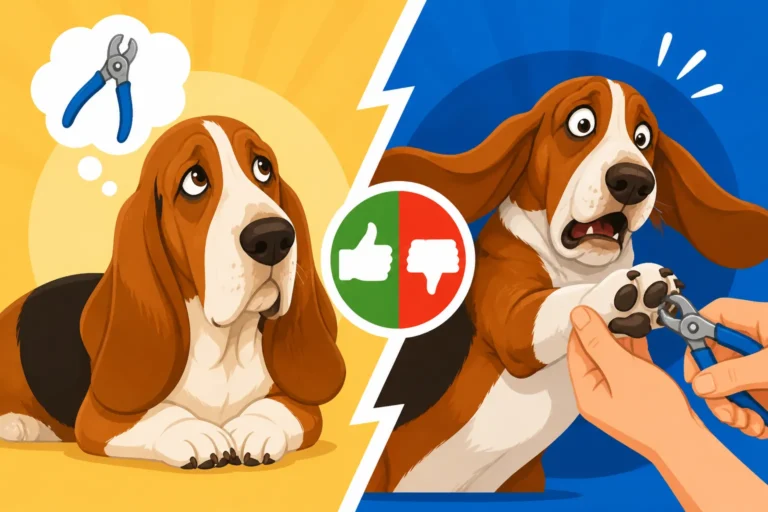
The Basset Hound's endearing features, like their long, velvety ears and wrinkled faces, come with specific care requirements that demand consistent attention and a certain level of dexterity. The Twice Weekly Ear Ritual a Basset Hound Owner Signs Up For is not an exaggeration. Their long, pendulous ears trap moisture and airflow, creating a perfect breeding ground for yeast and bacteria. Regular, thorough cleaning is non-negotiable to prevent painful and recurring ear infections. This means carefully holding their ear flaps, often having to pull them up and out to access the canal, and gently cleaning deep inside with specialized solutions. It requires patience and a steady hand, and if your Basset isn't keen on it, it can be a wrestling match. Similarly, their facial folds need regular wiping to prevent skin irritation and infection from trapped moisture and food debris. Beyond the ears and folds, Basset Hounds can suffer from other health issues common to their breed, such as glaucoma, elbow dysplasia, and intervertebral disc disease (IVDD), all of which may require regular veterinary visits, medications, or even surgery, demanding both physical and financial resources.
Training and Behavioral Considerations for a Basset Hound
When it comes to training, Basset Hounds are often described as stubborn, which can be frustrating. However, it's more accurate to say they are highly independent thinkers with priorities that differ from ours. Understanding this is key, especially for an older owner who might prefer a dog that's always eager to please.
The Independent Scent Hound Mindset
Basset Hounds have been bred for centuries to follow a scent trail relentlessly, often for miles, without much input from a human handler. This instinct is incredibly strong and deeply ingrained. What Actually Motivates a Basset Hound is often not praise or a quick "good boy," but a compelling scent. This means that traditional obedience training, especially recall, can be an uphill battle. Asking a Basset to "come" when they're hot on the trail of a squirrel or an interesting patch of grass is often met with a deaf ear and a wagging tail that seems to say, "I'm busy, human!" For an older owner who may rely on their dog's obedience for safety, this independence can be worrying. They are not dogs that can reliably be off-leash in unfenced areas. Therefore, a secure, fenced yard is almost non-negotiable, and even then, they are known for their ability to find weak spots or dig under fences. Consider using a GPS tracker collar as an extra layer of security, often available on platforms like Amazon, if you plan to spend time outdoors where they might follow a scent.
House Training and Crate Training
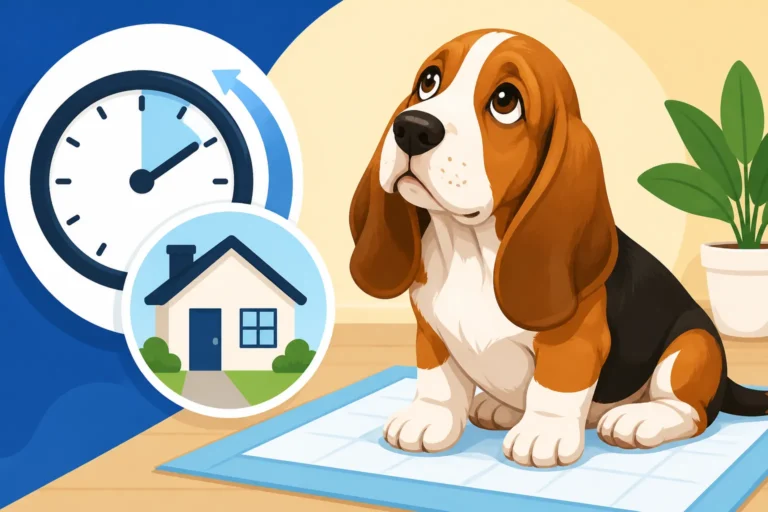
While Basset Hounds are intelligent, house training can sometimes take longer than expected. They can be a bit slow to mature in this area, and some are simply less fastidious than others. How Long a Basset Hound Puppy Takes to House Train can vary widely, but it often requires consistent supervision, frequent trips outside, and a good deal of patience. For an older owner who might have mobility limitations or struggles with frequent trips outdoors, this can be particularly challenging. Crate training can be an invaluable tool, but it also requires consistency and effort to teach the puppy to view their crate as a safe, comfortable den. If an older owner struggles to physically get down to the crate to comfort a crying puppy or to manage a puppy's frequent potty breaks, it can become overwhelming. Ensuring you have easy-to-clean flooring and an accessible outdoor area will make a significant difference during this phase.
Addressing Vocalization and Separation Anxiety
Basset Hounds are hounds, and hounds bay. It’s part of their genetic makeup and how they communicate, especially when they're excited, lonely, or have caught an interesting scent. Their deep, mournful bay is distinctive and can carry a long way. While charming to some, it can be problematic in close living situations, potentially leading to noise complaints from neighbors. If you live in an apartment or a quiet residential area, managing a Basset’s vocal tendencies becomes a primary concern. Furthermore, Basset Hounds are deeply social creatures. They thrive on companionship and can be prone to separation anxiety if left alone for extended periods. This can manifest not only in baying and howling but also in destructive chewing or house soiling. For an older owner who might enjoy outings or needs to leave the house regularly, finding solutions for potential separation anxiety, such as dog walkers or even doggy daycare, is important. Teaching a Basset a "quiet" cue or using puzzle toys can help, but managing their innate need for company is critical.
Practical Adaptations and Support Systems for Older Basset Hound Owners
Owning a Basset Hound as an older adult is absolutely achievable, but it requires being proactive and setting up systems to make life easier for both you and your floppy-eared friend. Thinking ahead about practical solutions can make all the difference.
Essential Equipment and Home Modifications
Given the Basset's unique physicality and potential health issues, certain equipment and home modifications transition from being "nice-to-haves" to "must-haves." As we discussed, lifting a heavy Basset can be tough on the back. This is where pet ramps come in. A sturdy ramp for the car can save your back during vet visits or trips to the park. Similarly, steps or ramps for furniture can protect your Basset's long spine from the impact of jumping, preventing serious injury down the line. You can find a wide variety of these items on platforms like Amazon, making it easy to have them delivered right to your door. Elevated food and water bowls are another smart investment, particularly for Bassets who might have neck or back discomfort. They allow your dog to eat and drink without bending their head all the way to the floor, reducing strain. An orthopedic bed is also a wonderful consideration, offering cushioning and support for their joints, which are under considerable stress given their build. The Ramps, Beds and Gates a Basset Hound Needs really do make a difference to their quality of life and your ease of care.
Training Resources and Professional Help
While Basset Hounds have their independent streak, they are absolutely trainable, especially with patience, positive reinforcement, and the right approach. For older owners, traditional in-person group classes might not always be the most accessible option due to logistics or mobility. This is where online training programs shine. Resources like BAXTER & Bella offer comprehensive, flexible, and self-paced online puppy and dog training courses that you can follow from the comfort of your home. This allows you to work at your own speed, revisiting lessons as needed, which can be ideal for a Basset's learning style and your own schedule. These programs often cover everything from basic obedience to house training and leash manners, giving you the tools to communicate effectively with your Basset. Don't be afraid to enlist the help of a professional, positive-reinforcement trainer, even for a few private sessions, especially if you're struggling with specific behaviors like pulling on the leash or managing their stubbornness. They can provide tailored advice and hands-on guidance without you having to navigate a busy class environment.
Building a Support Network
Perhaps one of the most crucial elements for an older Basset Hound owner is a strong support network. There will inevitably be times when you need an extra pair of hands or someone to step in. This could be for regular dog walks if you're not able to provide as much exercise as your Basset needs, or for pet sitting when you travel or have appointments. Having a trusted friend, family member, or professional dog walker you can call on is invaluable. Consider engaging with local Basset Hound rescue groups or breed clubs; they often have communities of experienced owners who can offer advice, share resources, and even provide assistance when needed. Your veterinarian will also be a key partner, not just for regular check-ups but for guidance on managing age-related changes, joint care, and specific breed health concerns. Building a relationship with a vet who understands the unique needs of Basset Hounds, and who can offer advice on everything from Whether a Basset Hound Needs Joint Supplements to emergency care, is incredibly important for their The Ten to Twelve Years a Basset Hound Lives. Don't be shy about reaching out and building this network – it's a testament to your commitment to providing the best life for your Basset.
When considering whether a Basset Hound suits an older owner, it's clear there are both wonderful benefits and significant practical considerations. Their affectionate, loyal nature can provide immense companionship, but their physical needs and behavioral traits demand careful thought and preparation. While they might seem like a low-key choice, their surprising strength, grooming requirements, and independent streak mean that owning a Basset Hound is a commitment that requires both love and a proactive approach to managing their unique characteristics. With the right support, adaptations, and understanding of their hound nature, an older owner can absolutely enjoy a fulfilling life with one of these charming, long-eared companions.
Disclaimer
This article is for general informational purposes only and does not constitute professional advice. Laws, prices and regulations vary by location and change over time. Consult a qualified professional for guidance on your specific situation.