Whether a Basset Hound Is Lazy or Sore
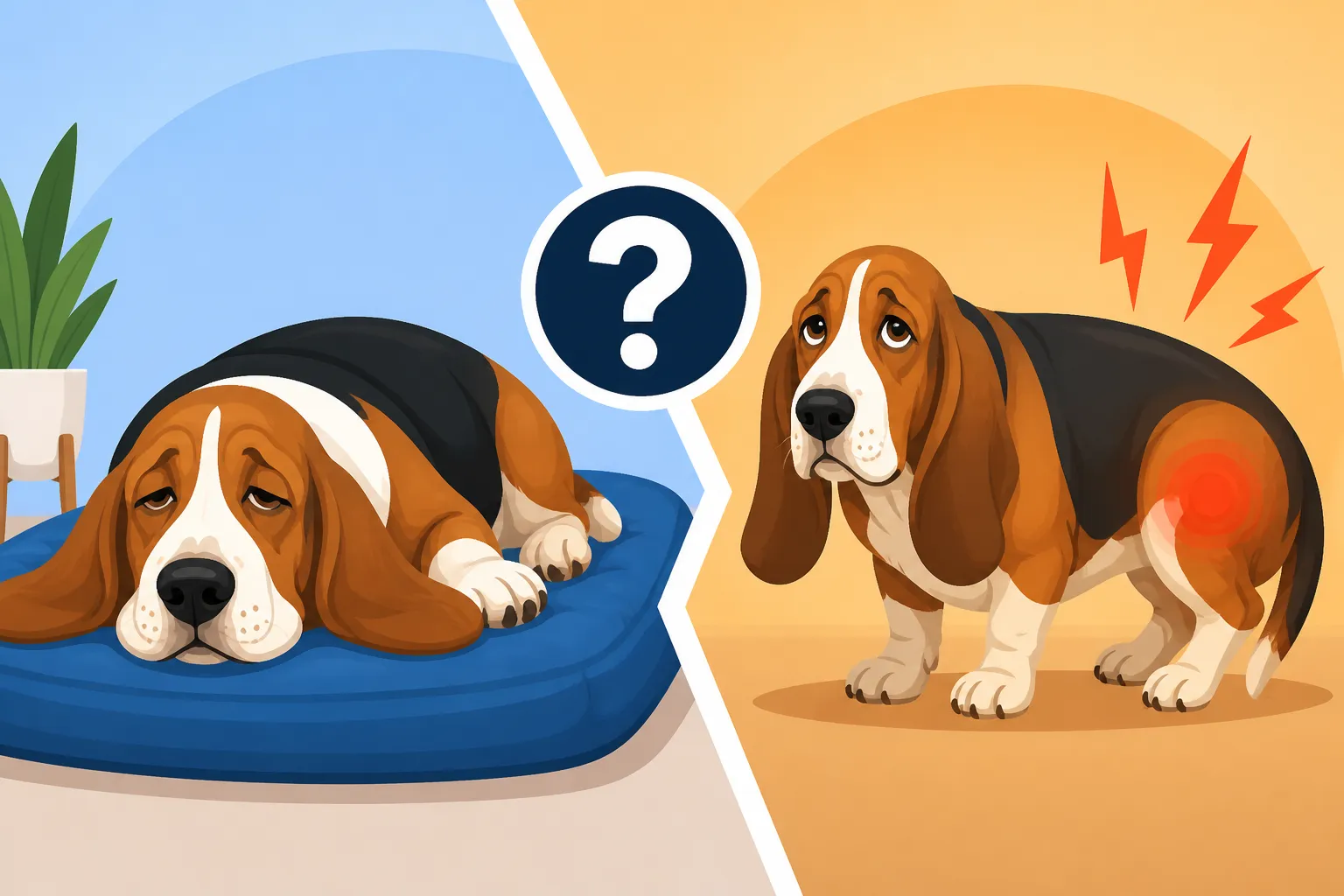
It’s a common scenario that every Basset Hound owner eventually faces: you’re out for a walk, or perhaps just trying to coax your beloved hound off the sofa, and they simply… stop. They might plant their paws, look at you with those soulful eyes, or just refuse to budge. The immediate thought might be, "Oh, they're just being a Basset – stubborn and lazy!" But how do you really know if your Basset Hound is truly being a couch potato, or if they’re silently telling you they’re in pain? This guide aims to help you unravel that mystery, providing insights into distinguishing genuine Basset stubbornness from underlying discomfort, so you can give your floppy-eared friend the best possible care.
The Basset Hound Reputation: Lazy or Laid-Back?
Let's be honest, Basset Hounds aren't exactly known for their Olympic-level athleticism. They have a well-earned reputation for being quite relaxed, enjoying a good nap as much as, if not more than, a vigorous run. This can make it incredibly tricky for us, their devoted humans, to figure out if their reluctance to move is just their endearing, laid-back personality shining through, or if there's something more serious going on beneath that placid exterior. The frustration of trying to motivate a seemingly "lazy" dog, only to later discover they were hurting, is a feeling many of us know all too well.
Understanding the Basset Hound Temperament
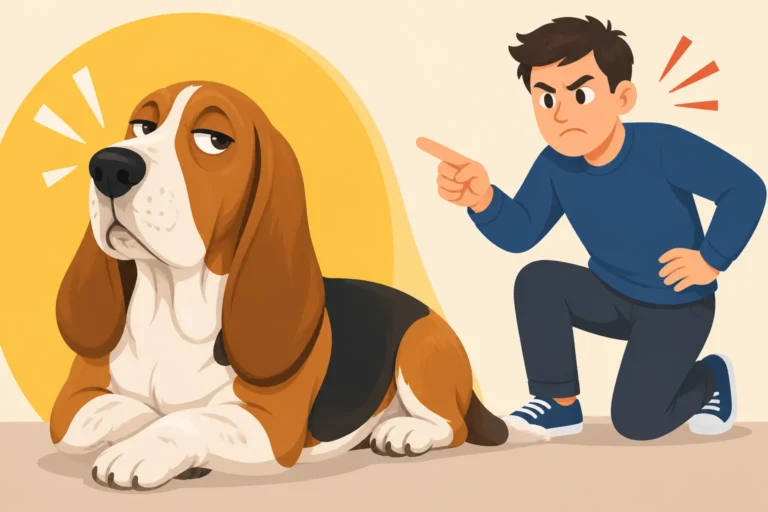
Basset Hounds were originally bred to hunt in packs, following scent trails for hours at a slow, methodical pace, allowing hunters to follow on foot. They weren't built for speed or high-impact activities. Their natural inclination is to conserve energy, especially if there's no captivating scent to follow. This means a Basset who chooses to luxuriate on a comfy bed rather than chasing a ball in the yard isn't necessarily being lazy; they're often just being a typical Basset. They're intelligent, but often interpret "commands" as "suggestions," especially if there's no immediate reward or scent-related motivation. This inherent drive for comfort and a strong nose-driven focus can often be mistaken for outright laziness. When you ask them to do something, and they give you that blank stare, it's often not defiance but a prioritization of their own comfort or a more interesting scent.
When "Stubborn" Masks Something More
The very traits that make Basset Hounds so charming – their independent spirit and relaxed demeanor – can also make them incredibly stoic about pain. They're not always dramatic about their discomfort. What might look like stubbornness, like refusing to go down the stairs or hesitating to jump on the sofa, could actually be a subtle plea for help. It's easy to fall into the trap of thinking, "Oh, they're just stubborn today," when in reality, they might be experiencing significant discomfort. Their refusal to engage in activities they once enjoyed, or a sudden disinterest in walks, shouldn't immediately be dismissed as mere Basset caprice. It's crucial for us to become detectives, observing their every move, especially when they suddenly seem "lazier" than usual. We need to remember that sometimes, a Basset Hound's apparent laziness is a protective mechanism, preventing them from doing something that will cause them pain.
Recognizing the Signs of Soreness in a Basset Hound
Given their unique build – long back, short legs, and heavy bone – Basset Hounds are predisposed to several orthopedic issues. This means that assuming "laziness" without considering potential pain can be a costly mistake, both in terms of your dog's comfort and your future vet bills. Knowing what to look for can make all the difference. Many of the conditions that cause pain develop slowly, so the changes can be insidious, making it hard to pinpoint exactly when something shifted.
Subtle Changes in Movement and Demeanor
One of the first places to look for signs of soreness is in your Basset Hound's movement. Are they moving a little slower than usual, even for a Basset? Do they seem stiff when they first get up, only to loosen up a bit after a few steps? This stiffness, especially after resting, can be a classic sign of arthritis. You might notice them favoring a leg, even subtly shifting their weight when standing. Perhaps they're reluctant to climb stairs that they once navigated with ease, or they hesitate before jumping on or off furniture, even if they usually need Helping an Old Basset Hound Onto the Couch. Look at their gait: is it slightly uneven? Do their normally bowed front legs seem to have an even more exaggerated angle? Changes in how they position themselves when lying down, perhaps stretching out less or opting for a softer spot more frequently, can also indicate they're trying to find a comfortable position to ease pain.
Beyond physical movement, pay close attention to their general demeanor. Is your usually jovial Basset seeming a bit withdrawn, less interested in interactions, or perhaps even a little grumpy when touched in certain areas? A Basset Hound in pain might become less tolerant of being handled, especially around their back, hips, or legs. They might avoid playful wrestling with other dogs or even with you. A subtle shift in appetite, or even just a less enthusiastic approach to mealtime, can also be a sign something is off. Remember, these are dogs who tend to love their food, so a lack of enthusiasm is a red flag.
Physical Clues and Behavioral Shifts
Sometimes, the signs of soreness are more overt. You might notice your Basset licking or chewing excessively at a specific joint or paw. This can be an attempt to soothe an aching area. Swelling around a joint, heat to the touch, or even muscle atrophy (where a leg muscle appears smaller than the corresponding one on the other side) are clear indicators of a problem. Watch them closely during walks. Does your Basset Hound Sits Down Mid Walk more often than usual, not just for a sniff, but seemingly to rest? Do they struggle on inclines or declines?
Consider changes in their bathroom habits. If squatting to relieve themselves causes pain, they might adopt an awkward stance or even have accidents indoors because getting into position is too difficult or painful. Keep an eye on their sleeping patterns too. Are they restless, shifting frequently, or unable to settle into a deep sleep? Conversely, an increase in overall sleep could also be a way of coping with chronic discomfort. These behavioral shifts, when viewed holistically, can paint a clearer picture that something other than mere laziness is at play.
Common Aches and Pains for Basset Hounds
Basset Hounds are unfortunately predisposed to several conditions that can cause chronic pain. Understanding these can help you and your vet narrow down possibilities.
- Arthritis: This is incredibly common, especially as Bassets age. Their heavy bodies and short legs put significant strain on their joints. Arthritis in a Basset Hound at Seven is not unusual.
- Intervertebral Disc Disease (IVDD): Their long backs make them highly susceptible to disc issues. A slipped or ruptured disc can cause immense pain, ranging from mild discomfort to full paralysis. Even subtle changes in gait or reluctance to jump could signal early IVDD. Intervertebral Disc Disease in a Basset Hound is a serious concern.
- Elbow Dysplasia: This genetic condition affecting the elbow joint is prevalent in many larger, heavy-boned breeds, and Basset Hounds are no exception. It can lead to pain, stiffness, and lameness. Whether a Basset Hound Gets Elbow Dysplasia is a vital consideration.
- Hip Dysplasia: While perhaps less common than IVDD or elbow issues in Bassets, hip dysplasia can still occur and cause significant pain and mobility problems. Whether a Basset Hound Gets Hip Dysplasia is another orthopedic issue to be aware of.
- Patellar Luxation: Sometimes, their kneecaps can slip out of place, causing temporary lameness and discomfort.
- Overweight Issues: A Basset Hound carrying too much weight will exacerbate any underlying joint or back problems, turning mild discomfort into chronic pain. How Much a Basset Hound Should Weigh is critical for their long-term health, and even a little extra can make a big difference in their comfort levels.
Any of these conditions can manifest as a reluctant, seemingly "lazy" dog. It's why a thorough veterinary examination is always the best first step when you suspect pain.
Distinguishing Between True Laziness and Discomfort
It's a tough tightrope to walk, isn't it? We want our Bassets to be happy and comfortable, but we also know they have a knack for creative avoidance tactics when something isn't to their liking. The key lies in careful observation and understanding your specific dog's baseline behavior. What's "normal lazy" for your Basset versus "newly reluctant" behavior?
The "Won't Move" Versus "Can't Move" Dilemma
This is the crux of the matter. A truly lazy Basset might refuse a walk because the weather isn't perfect, or because they'd rather have a cuddle on the sofa. If you offer a high-value treat or a favorite toy, and their eyes light up, and they spring into action (even if it's a slow spring), then it's likely motivation, or lack thereof, that's the issue. They won't move.
However, a Basset in pain will often show hesitation even when highly motivated. They might look at the treat or toy with longing but still be reluctant to get up, or they might move slowly and gingerly, despite their desire. They can't move comfortably. If you gently try to manipulate a limb or touch their back and they flinch, whine, or pull away, that’s a strong indication of pain. Observe them getting up from a lying position. A healthy, albeit lazy, Basset will still transition fairly smoothly, even if slowly. A sore Basset might struggle, take several attempts, or even The Old Basset Hound That Cannot Get Off the Floor, needing assistance or looking visibly uncomfortable. When you're trying to figure out if your dog is just being a typical Basset refusing a command, consider if the refusal persists even for things they usually love. If they're turning down their absolute favorite treat game or a trip to their most cherished sniff spot, it's time to worry.
Environmental and Situational Factors
Sometimes, "laziness" can be influenced by external factors that make movement uncomfortable. Is your home full of slippery floors? While not a direct cause of pain, walking on polished wood or tile can be incredibly difficult and even frightening for a dog with joint pain, making them reluctant to move around. Providing rugs or runners can make a huge difference, helping them gain purchase and feel more secure. Whether a Basset Hound Should Use a Ramp for cars or furniture can also alleviate strain on their long backs and short legs, preventing unnecessary discomfort.
Weather conditions also play a role. Extreme heat can make any dog sluggish, and a Basset Hound, with its heavy build, can overheat quickly, leading to lethargy that could be mistaken for disinterest. Cold, damp weather can also exacerbate joint pain, making a previously active Basset hesitant to go outside or prolong their walks. Observing their behavior across different environments and situations can provide valuable clues. If their "laziness" is consistent regardless of exciting stimuli, but varies with flooring or weather, it strongly suggests a physical cause.
The Importance of Regular Vet Check-ups
When in doubt, a trip to the veterinarian is always the wisest course of action. It's far better to err on the side of caution than to let your Basset Hound suffer in silence. Your vet can perform a thorough physical examination, checking joints, muscles, and spinal flexibility. They might recommend diagnostic imaging, such as X-rays, to look for signs of arthritis, Whether a Limping Basset Hound Needs X Rays, or disc issues.
Don't be afraid to voice all your observations, even the seemingly minor ones. What you perceive as "just being a Basset" might be the subtle cue your vet needs to pinpoint an issue. Regular check-ups, especially as your Basset Hound enters their senior years, are paramount for catching problems early. Early intervention can significantly improve their quality of life and potentially prevent conditions from worsening. Open and honest communication with your veterinary team is your best ally in distinguishing between a truly lazy Basset and one silently coping with pain.
Supporting Your Basset Hound's Comfort and Mobility
Once you've determined (with your vet's help, of course!) whether your Basset Hound is truly lazy or sore, you can take targeted steps to improve their quality of life. Even if it's just pure laziness, channeling that energy into appropriate activities is still beneficial! If it's pain, your focus will shift to management and support.
Creating a Pain-Free Home Environment
If your Basset is showing signs of soreness, making their home environment as comfortable and safe as possible is crucial.
- Soft Bedding: Invest in orthopedic beds. Brands like those found on Amazon offer a wide variety designed to support joints and relieve pressure points. These aren't just a luxury; they're a necessity for a Basset Hound, especially one with a long back and heavy frame.
- Ramps and Steps: As mentioned, ramps are invaluable. Place them leading to the sofa, your bed, or even the car. This eliminates the need for potentially painful jumps and climbs. Look for sturdy, non-slip ramps on platforms like Amazon.
- Non-Slip Surfaces: Cover slippery floors with rugs, yoga mats, or carpet runners. This provides traction and confidence, encouraging your Basset to move more freely without fear of slipping or exacerbating existing pain.
- Accessibility for Food and Water: If bending down to a bowl is causing discomfort due to neck or back pain, consider raised food and water bowls. This can make mealtime much more comfortable.
Remember, a comfortable environment encourages movement, which in turn can help maintain muscle mass and joint flexibility, even for a Basset who might prefer to doze off.
Gentle Exercise and Enrichment
Even the laziest Basset Hound benefits from regular, appropriate exercise, and a sore one needs careful, managed activity to maintain mobility without causing further injury.
- Controlled Walks: Instead of long, strenuous hikes, opt for shorter, more frequent walks on soft surfaces like grass or dirt trails. The goal is consistent, gentle movement, not speed or endurance. Focus on sniffing opportunities; Whether a Basset Hound Needs Any Real Exercise is often answered by fulfilling their scent drive, which is less physically demanding but mentally engaging.
- Water Therapy: If available, hydrotherapy or even just gentle swimming (with a life vest, as Bassets aren't natural swimmers!) can be excellent for low-impact exercise, strengthening muscles without stressing joints.
- Mental Stimulation: This is where a Basset Hound truly shines, regardless of their physical state. Scent work, puzzle toys, and snuffle mats are fantastic. Giving a Basset Hound's Nose Something to Do tires them out mentally without requiring intense physical exertion. You can find many enrichment toys and tools on Amazon. For understanding canine behavior and positive training methods that encourage engagement without force, resources like BAXTER & Bella can offer valuable insights and strategies.
- Massage and Stretching: Gentle massage can improve circulation and reduce muscle stiffness. Your vet or a certified canine physical therapist can show you safe and effective techniques.
The goal is to keep them moving, keep them engaged, and keep them happy, always respecting their limits. What a Basset Hound Needs Every Day often includes these elements, adjusted for their individual health.
Nutritional and Supplemental Support
What goes into your Basset Hound's body plays a significant role in their overall comfort and mobility.
- Weight Management: This cannot be stressed enough. Keeping a Basset Hound at Its Correct Weight is arguably one of the most impactful things you can do for their long-term health, especially regarding joint and back issues. Even a few extra pounds put immense strain on their delicate structures. Work with your vet to determine the ideal weight for your Basset and create a feeding plan to achieve or maintain it.
- Joint Supplements: Many vets recommend joint supplements containing glucosamine, chondroitin, and MSM, or omega-3 fatty acids. These can help support cartilage health and reduce inflammation. Discuss appropriate dosages and types with your veterinarian.
- Prescription Diets: For Bassets with advanced arthritis or severe weight issues, your vet might recommend specific prescription diets formulated for joint health or weight loss. These diets are tailored to provide optimal nutrition while addressing specific health concerns.
By combining veterinary care, environmental adjustments, appropriate exercise, and a supportive diet, you can significantly improve your Basset Hound's comfort, whether their reluctance was rooted in genuine pain or just a strong preference for a leisurely lifestyle. Your consistent attention to their needs will ensure they can enjoy their lives to the fullest, snoring happily on that orthopedic bed.
Disclaimer
This article is for general informational purposes only and does not constitute professional advice. Laws, prices and regulations vary by location and change over time. Consult a qualified professional for guidance on your specific situation.