What to Look For Inside a Basset Hound’s Ear
One of the trickiest parts of owning a Basset Hound is navigating their ears. Those magnificent, long, velvety flaps that sweep the ground are also a breeding ground for trouble, and knowing what's going on inside can feel like peering into a dark cave. Many owners struggle to know what's normal and what's a red flag, leading to anxiety and sometimes delayed veterinary visits. This guide is here to demystify your Basset's ear canal, helping you understand exactly what to look for, smell, and feel to keep those precious ears healthy.
Understanding the Basset Hound Ear Anatomy: Why It's a Challenge
Let's be honest, those beautiful, pendulous Basset Hound ears are iconic, but they're also a design flaw when it comes to ear health. Unlike dogs with upright ears or open, well-ventilated canals, our Bassets have a unique anatomy that predisposes them to a whole host of issues. It's not just about the length; it's about the entire setup from the tip of the leather to the eardrum. Understanding this structure is the first step in truly appreciating why careful inspection is so critical.
The Deep, Dark Canal: A Perfect Breeding Ground
Imagine a long, winding tunnel, dark and humid, with very little air circulation. That's essentially what your Basset Hound's ear canal is like. It's an L-shaped structure that goes down and then makes a sharp turn inward towards the eardrum. This deep, narrow pathway isn't just hard for us to see into; it's also a fantastic environment for moisture, debris, and microorganisms to get trapped. Once things settle in there, they're not easily dislodged.
The lack of natural ventilation means that any moisture from baths, swimming, or even just humidity in the air can linger, creating a warm, damp incubator. This warm, moist environment is precisely what yeast and bacteria adore, allowing them to multiply rapidly. Before you know it, what might have started as a tiny bit of trapped water can escalate into a full-blown, uncomfortable infection. This anatomical predisposition is why Whether Every Basset Hound Gets Ear Infections is such a common concern among Basset owners.
The Heavy Flap: How It Traps Moisture and Limits Airflow
Beyond the internal structure, we can't ignore the majestic ear flaps themselves. Basset Hound ears are incredibly long and heavy, often dragging on the ground, dipping into water bowls, and covering the ear opening like a natural seal. This heavy, thick "leather," as it's sometimes called, effectively blocks off the ear canal from the outside world.
While this might have been useful for trapping scent during their original hunting days, it's a nightmare for air circulation. The ear flap prevents fresh air from reaching the canal, keeping that dark, humid environment exactly how microorganisms like it. This constant covering also means that debris, dust, and even tiny bits of food can get caught underneath the flap and then work their way into the canal, further contributing to potential problems. It's a constant battle against nature, and a primary reason why The Twice Weekly Ear Ritual a Basset Hound Owner Signs Up For is a non-negotiable part of Basset care.
Normal vs. Problematic Skin: What Healthy Skin Looks Like
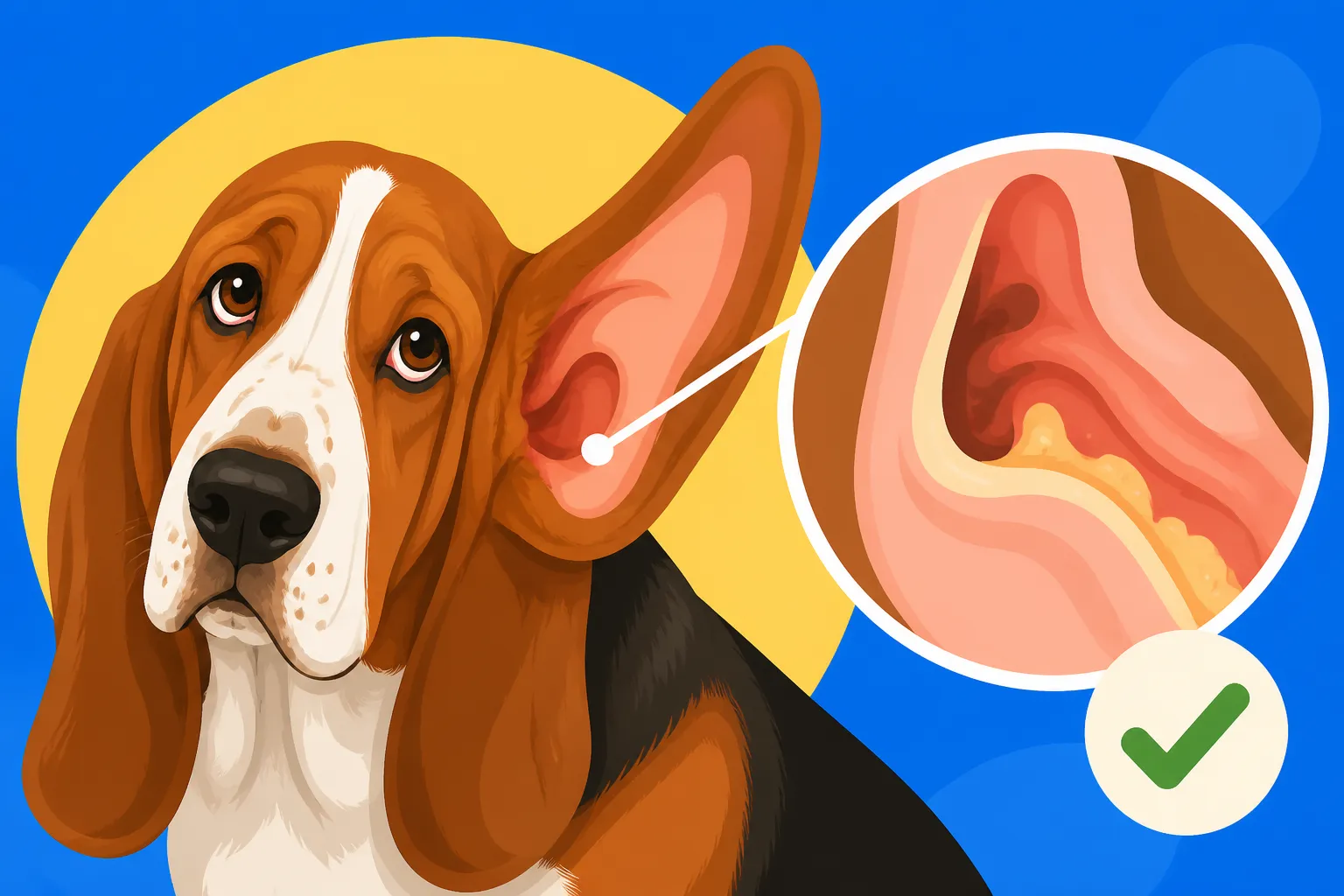
Before you can spot a problem, you need to know what a healthy Basset Hound ear looks like on the inside. Gently lifting the ear flap and peering into the opening, you should see skin that is a light, healthy pink color. It should appear clean, smooth, and relatively dry, with no strong odor. There might be a very sparse amount of fine hair, but it shouldn't be matted or excessive.
If you observe any redness, swelling, flakiness, or a sticky texture, these are clear deviations from the norm. Healthy ear skin should also feel cool to the touch, not warm or hot. Any signs of irritation, even subtle ones, could indicate that something is beginning to go wrong. Early detection based on understanding this "normal" baseline is your best defense against serious ear issues in your Basset.
Visual Cues: What You Can See from the Outside (and Just Inside)
When it comes to your Basset Hound's ears, your eyes are your first and best tool for detecting problems. A routine visual check should be part of your regular grooming schedule. It’s not just about looking into the ear, but also paying close attention to the external ear flap and the immediate opening of the canal. What you see can tell you a huge amount about what’s brewing deeper down.
Redness and Swelling: Early Signs of Irritation
One of the earliest and most common indicators of an issue is redness. When you gently lift your Basset's ear flap, examine the skin around the opening of the ear canal. Is it a healthy pale pink, or does it look noticeably redder than usual? Redness often points to inflammation, which is the body's response to irritation or infection. This could be due to allergies, trapped moisture, or the beginning of a bacterial or yeast overgrowth.
Along with redness, look for any signs of swelling. The skin around the ear canal might appear puffy or thickened. In more severe cases, the entire ear flap itself can become swollen, often feeling warm to the touch. This swelling can be particularly noticeable if your Basset has been scratching or shaking their head excessively, as this trauma can exacerbate inflammation. Sometimes, you might even see small abrasions or scabs where they’ve been trying to relieve the itch, which can also become entry points for further infection. Persistent redness or swelling is a clear signal that something isn't right and often warrants a vet check.
Discharge and Debris: Different Types and What They Indicate
Discharge is arguably the most obvious sign of an ear problem, and the type of discharge can give you clues about the underlying cause. When you peer into the ear canal, or even just wipe the outer folds of the ear, what do you see?
- Dark Brown or Black Waxy Discharge: This is often associated with yeast infections or ear mites. It can look like coffee grounds or thick, dark mud. It usually has a distinct sweet or yeasty odor.
- Yellowish or Greenish Pus-like Discharge: This is a strong indicator of a bacterial infection. It might be thick, foul-smelling, and can often be accompanied by significant redness and swelling. This is a situation that definitely needs veterinary attention.
- Clear, Watery Discharge: Sometimes, this can simply be excess moisture that hasn't evaporated, especially after a bath or swim. However, if it's persistent or combined with other symptoms like redness, it could still signify irritation.
- Dry, Crumbly Debris: This could be dried wax, dead skin cells, or evidence of ear mites, especially if it's dark and granular.
Any discharge that isn't minimal, light brown earwax (which is normal in small amounts) is a cause for concern. If you're consistently wiping away noticeable gunk, it's time to investigate further. For recurring issues, your vet might recommend specific cleaners, some of which you can often find readily available through pet supply retailers like Chewy or Amazon. Remember, trying to scoop out a lot of discharge with a cotton swab can push it deeper, so be gentle and consider a vet visit before aggressive cleaning.
Hairiness in the Canal: When It's Too Much
Basset Hounds naturally have some hair lining their ear canals, but in some individuals, this hair can grow quite thick and dense. While a bit of hair is normal, excessive hair can act like a net, trapping wax, debris, and moisture, further contributing to the humid, congested environment that bacteria and yeast love. It creates an even more perfect breeding ground.
When you inspect the ear, try to get a good look at how much hair is present within the visible part of the canal. If it appears matted, thick, or is visibly obstructing the opening, it could be a contributing factor to recurring infections. Some vets might suggest plucking this hair to improve airflow, but this should only be done by a professional or under strict veterinary guidance, as it can be painful and lead to irritation if done incorrectly. For many Bassets, regular cleaning and management of underlying issues are enough, but for those with truly excessive hair, it's a factor worth considering with your veterinarian.
Olfactory Clues: Trusting Your Nose (Yes, Really!)
As Basset Hound owners, we often rely heavily on our eyes to spot trouble, but our noses can be just as, if not more, informative, especially when it comes to ear issues. A healthy Basset ear should have a very faint, almost imperceptible smell – a clean, 'doggy' scent, if anything. Anything stronger, or particularly unpleasant, is a major red flag that something is brewing deep within those L-shaped canals. Don't be shy; get your nose right up to their ear flap and take a good whiff. Your Basset might look at you funny, but it's for their own good!
Sweet or Yeasty Smells: Common Fungal Invaders
One of the most common odors emanating from an irritated Basset Hound ear is a distinctive sweet, yet somewhat pungent or musty smell. This is the classic scent of a yeast infection, often caused by an overgrowth of Malassezia pachydermatis, a yeast that naturally lives on a dog's skin but can proliferate in warm, moist environments like the ear canal. If you've ever baked bread or brewed beer, you'll recognize that distinct yeasty aroma. Some describe it as smelling like old socks or even corn chips.
This yeasty smell is usually accompanied by a dark brown, waxy discharge that might look a bit like coffee grounds. Your Basset will likely be scratching or shaking their head, and the inside of the ear may appear red. If you detect this scent, it's almost certain your Basset has a yeast issue. While some mild cases might respond to over-the-counter ear cleaners, it's always best to get a veterinary diagnosis, as persistent yeast can be tricky to clear and often requires specific anti-fungal ear drops. Checking Whether a Basset Hound's Ear Smells Sweet or Sour can be a key diagnostic step for owners.
Foul or Putrid Odors: Pointing to Bacterial Infections
While yeast has a sweet, yeasty smell, bacterial infections often announce themselves with a truly foul, putrid, or cheesy odor. This is an unmistakable smell that often indicates a more serious, purulent infection. If you lift your Basset's ear and are immediately hit with an overpowering, unpleasant stench, it's highly likely that bacteria are at play. This can be caused by various types of bacteria, and often leads to a yellowish or greenish, pus-like discharge.
Bacterial infections are typically more painful than yeast infections, and your Basset might be more reluctant to have their ear touched. You’ll also likely see significant redness and swelling, and your dog might be shaking their head violently or rubbing their ear against furniture. Unlike yeast, bacterial infections rarely clear up on their own and almost always require veterinary intervention, often with prescribed antibiotic ear drops. Your vet may even take a swab for a culture to identify the specific bacteria and determine the most effective antibiotic. Don't delay a vet visit if you encounter this kind of smell, as these infections can quickly become severe and very uncomfortable for your dog. Whether Yeast or Bacteria Is in a Basset Hound's Ear often requires this kind of detective work.
Absence of Odor: A Good Sign
Conversely, an absence of any strong or unpleasant odor is generally a very good sign. A healthy Basset Hound ear, as mentioned, should have minimal to no detectable scent. If you're doing your regular ear checks and don't pick up on anything unusual, that's fantastic! It means your cleaning routine (if you have one), diet, and general ear health are likely in a good place.
However, an absence of odor doesn't give you permission to skip the visual or tactile checks. Sometimes, an issue might be very early stage, or deep within the canal, without having yet produced a strong smell. So, while a lack of odor is a positive indicator, it should always be considered alongside other observations. Regular, thorough inspections covering all your senses are still the gold standard for preventative care.
Tactile Clues: What You Feel (and What Your Basset Feels)
Beyond what you can see and smell, what you feel when you handle your Basset's ears, and how your Basset reacts to that touch, can provide invaluable clues about their ear health. This is where your empathetic side really comes into play, as you're trying to gauge their comfort level and detect subtle physical changes that aren't visible at first glance.
Heat and Tenderness: Indicators of Inflammation and Pain
When you gently handle your Basset's ear flap and the skin around the opening of the ear canal, pay attention to the temperature. Is it noticeably warmer than the surrounding skin on their head or neck? Increased warmth is a classic sign of inflammation, indicating that there's an active process of irritation or infection going on. Your body, and your Basset's body, sends more blood to an area that's fighting off an invader or recovering from an injury, leading to a rise in local temperature.
Equally important is assessing for tenderness. As you carefully touch and gently palpate the base of the ear, does your Basset flinch, pull away, or even vocalize in discomfort? Tenderness is a direct indication of pain. A healthy Basset should tolerate having their ears handled, even if they're not thrilled about the cleaning process. If they suddenly become head-shy, growl, or snap when you go near their ear, it's a strong signal that they are experiencing pain. This can be a particularly common issue, and teaching a Basset Hound to tolerate ear handling as a puppy is crucial for easier inspections later on.
Lumps and Bumps: Checking for Growths or Hematomas
While you're feeling around the ear, use your fingertips to gently explore the entire ear flap, from the base right down to the tip, both on the inside and outside. You're feeling for anything unusual – any lumps, bumps, or thickening of the skin that wasn't there before.
- Aural Hematomas: These are relatively common in Basset Hounds, especially those prone to vigorous head shaking or ear scratching. An aural hematoma occurs when blood vessels within the ear flap rupture, causing a pocket of blood to form between the cartilage and skin of the ear. It feels like a soft, fluid-filled swelling, almost like a balloon, and can range in size from a small pea to covering the entire ear flap. They are often quite painful and can cause the ear flap to become heavy and distorted. If you find a new, soft, swollen area on the ear flap, especially after a period of head shaking, it’s highly likely an aural hematoma. Whether a Basset Hound Develops an Aural Hematoma is a serious concern that often requires veterinary intervention.
- Growths or Cysts: Less commonly, you might feel small, firm lumps. These could be benign cysts, warts, or in some cases, more concerning masses. Any new, unexplained lump or bump should always be evaluated by a veterinarian to determine its nature, especially if it's growing or causing discomfort.
Scratching and Rubbing: Your Basset's Clearest Communication
Perhaps the most obvious tactile sign (though you're not touching them, they are touching themselves!) is when your Basset starts scratching or rubbing their ears incessantly. This is their clearest way of telling you, "My ears are bothering me!" While a casual scratch now and then is normal, persistent, vigorous scratching with a hind leg or rubbing their head along the carpet, furniture, or your leg is a definite distress signal.
This behavior is driven by itchiness, irritation, or pain. The constant scratching can, unfortunately, worsen the problem by causing trauma to the ear canal and flap, leading to further inflammation, skin breaks, and even those aforementioned hematomas. If you see your Basset constantly shaking their head, tilting it to one side, or scratching at their ears, it's time for a thorough inspection. Don't ignore these behavioral cues; they are your Basset's way of asking for help, and addressing the underlying cause quickly is essential to prevent secondary complications.
Behavioral Changes: Your Basset Hound's Silent Language
Our Basset Hounds, despite their sometimes stoic appearance, are masters of non-verbal communication. When they're experiencing discomfort, especially in a sensitive area like their ears, they will often exhibit subtle – and sometimes not-so-subtle – changes in their behavior. Learning to "read" these signs is paramount to catching ear issues before they escalate into something far more serious and painful.
Head Shaking and Tilting: Classic Signs of Discomfort
This is probably the most universally recognized sign of ear trouble in any dog, and Basset Hounds are no exception. If you notice your Basset shaking their head frequently, vigorously, or with a certain intensity that goes beyond a casual shake-off, it's almost certainly an indication of irritation or pain in one or both ears. They are trying to dislodge whatever is bothering them – whether it's fluid, debris, or simply the itchy sensation of inflammation.
Often, head shaking is accompanied by head tilting. Your Basset might hold their head continuously tilted to one side, usually with the affected ear held lower. This posture is a clear attempt to alleviate pressure or pain in that specific ear. It's an instinctive response, similar to how we might tilt our heads when we have an earache. If you observe persistent head shaking or a noticeable, sustained head tilt, especially if it wasn't present before, consider it a strong signal that you need to examine their ears thoroughly. This behavior often happens long before you see visible discharge or smell an odor, making it a critical early warning sign. You might also want to consult The Signs a Basset Hound's Ear Has Gone Bad.
Lethargy and Irritability: How Pain Impacts Mood
Ear infections, especially bacterial ones, can be incredibly painful and disruptive. Imagine having a constant, throbbing ache in your head – it would certainly impact your mood and energy levels. The same goes for your Basset Hound. If an ear infection is significant, you might notice a distinct change in their overall demeanor.
A normally playful and active Basset might become lethargic, sleeping more than usual, or showing less interest in walks, toys, or even food. They might appear withdrawn or generally "off." Furthermore, pain can lead to irritability. A Basset who is usually sweet and tolerant might become grumpy, growl when approached, or even snap if you accidentally touch their sore ear. They might avoid interaction or shy away from petting, particularly around their head. It's crucial not to interpret this as a sudden behavioral problem but rather as a distress signal. Their changed mood is a manifestation of their physical discomfort, and addressing the ear issue will likely restore their sunny disposition.
Reluctance to Be Touched: When Ear Handling Becomes Impossible
Healthy Basset Hounds, especially those introduced to ear handling and cleaning from a young age (as detailed in Teaching a Basset Hound to Tolerate Ear Cleaning), should tolerate having their ears lifted, examined, and gently cleaned. They might not love it, but they should allow it without extreme resistance or aggression.
However, when an ear is inflamed or infected, even the slightest touch can be exquisitely painful. If your Basset suddenly becomes extremely resistant to having their ears touched, pulls away violently, whines, growls, or even snaps, it's a very strong indicator of significant pain. This reluctance isn't stubbornness; it's a protective mechanism. They are trying to communicate that the area is hurting them badly and they need you to stop. This is a clear sign that a professional veterinary examination is urgently needed, as trying to clean or treat a severely painful ear yourself without proper guidance can cause further distress or even injury.
When to Seek Veterinary Help: Don't Delay!
You are your Basset Hound's first line of defense when it comes to their health, and regular at-home ear checks are invaluable. However, there are definitely times when DIY approaches and watchful waiting are not enough. Knowing when to call in the professionals isn't just about treating an existing problem, but about preventing it from becoming chronic or causing permanent damage. When in doubt, a quick call to your vet is always the safest bet.
Persistent Symptoms: When Home Care Isn't Enough
You've cleaned their ears, you've tried some gentle remedies, and you've been vigilant, but the symptoms just aren't getting better. Perhaps the redness persists, the discharge returns quickly after cleaning, or the head shaking continues despite your best efforts. If you've been managing an ear issue at home for more than a couple of days and you see no significant improvement, or if the symptoms seem to be worsening, it's definitely time to schedule a vet visit.
Persistent symptoms suggest that the underlying cause is either beyond the scope of home care (e.g., a resistant bacterial infection that requires specific antibiotics) or that there's a deeper issue that needs diagnosis. Continuing to try home remedies when they aren't working can delay effective treatment, leading to increased pain for your Basset and potentially more complicated, expensive treatments down the line. Remember, issues like The Ear Infections That Never Really Leave a Basset Hound often require a dedicated, veterinary-supervised approach.
Severe Pain or Swelling: Emergency Situations
Some ear problems clearly fall into the "emergency" category and warrant immediate veterinary attention, not a "wait and see" approach. These include:
- Extreme Pain: If your Basset is crying out, yelping, or showing aggressive pain responses when you even attempt to get near their ear, do not delay. Severe pain indicates a serious underlying issue that needs urgent assessment and pain management from a vet.
- Significant Swelling: While some mild swelling can accompany redness, if the ear flap is suddenly hugely swollen, hot to the touch, or distorted (like with an aural hematoma), it's an emergency. These conditions are very painful and can lead to permanent damage or disfigurement if not treated promptly.
- Pus or Foul Odor: As discussed earlier, yellowish or greenish pus-like discharge accompanied by a truly putrid smell is indicative of a severe bacterial infection that requires immediate medical treatment.
- Balance Issues or Head Tilt: If your Basset is suddenly losing their balance, walking in circles, or has a severe, unresolving head tilt, this could indicate that the infection has spread to the middle or inner ear, which is a much more serious condition requiring urgent veterinary care.
These severe signs are not something to manage at home. Get your Basset to the vet or an emergency clinic right away.
Recurring Issues: Breaking the Cycle with Professional Guidance
One of the most frustrating aspects of Basset Hound ear care is the tendency for issues to recur. You treat an infection, it clears up, and a few weeks or months later, it's back again. If your Basset is experiencing recurrent ear infections or chronic inflammation, it's crucial to work with your veterinarian to break this cycle.
Recurring issues often point to an underlying cause that hasn't been fully addressed. This could be:
- Undiagnosed Allergies: Many ear infections are secondary to environmental or food allergies. Identifying and managing these allergies (perhaps with specialized food from brands like Ollie or medications) can significantly reduce ear problems.
- Anatomical Challenges: While we know Basset ears are problematic, some individuals have even narrower canals or more excessive hair growth. Your vet might suggest options like plucking or, in very severe chronic cases, even surgical intervention like a Total Ear Canal Ablation (TECA) if the medical management is no longer effective. Whether a Basset Hound Needs Ear Surgery is a serious consideration for chronic cases.
- Resistant Organisms: Sometimes, the bacteria or yeast involved can become resistant to standard treatments, requiring specific medications identified through culture and sensitivity testing.
- Improper Cleaning or Product Use: Your vet can also guide you on the best ear cleaners (often available from trusted sources like Chewy or Amazon), proper cleaning techniques, and frequency. How Often a Basset Hound's Ears Must Be Cleaned is a frequent question that needs personalized advice.
Your veterinarian can help conduct a thorough diagnostic work-up, which might include ear cytology, cultures, allergy testing, or even imaging, to get to the root of the problem. Investing in this deeper investigation can save you and your Basset a lot of discomfort and money in the long run.
| Visual Cue | Odor Indication | Tactile/Behavioral Signs | Potential Cause | Action Required |
|---|---|---|---|---|
| Mild Redness, minimal discharge | Faint "doggy" or no odor | Occasional scratch, normal handling | Minor irritation, early wax buildup | Monitor closely, routine cleaning |
| Redness, dark waxy discharge | Sweet, yeasty smell | Increased head shaking, some tenderness | Yeast infection | Vet visit for diagnosis & anti-fungal treatment |
| Redness, yellowish/green pus | Foul, putrid, cheesy smell | Severe pain, head tilt, irritability | Bacterial infection (often severe) | Urgent vet visit for antibiotics & pain relief |
| Swollen ear flap, fluid-filled | No specific odor | Extreme pain, head shaking, distorted flap | Aural Hematoma | Urgent vet visit for drainage/surgery |
| Persistent discharge, any type | Any strong, abnormal odor | Chronic scratching, reluctance to touch | Chronic infection, allergies, foreign body | Vet visit for diagnosis & targeted treatment |
Disclaimer
This article is for general informational purposes only and does not constitute professional advice. Laws, prices and regulations vary by location and change over time. Consult a qualified professional for guidance on your specific situation.