Whether a Second Dog Makes a Basset Hound Louder
One of the biggest concerns for anyone living with a Basset Hound, or considering bringing one into their home, is their incredible vocal range. From their signature bay to insistent barks and mournful howls, Bassets are known for expressing themselves. So, when you start thinking about adding a second dog to the family, a common worry springs to mind: will two Bassets, or a Basset and another breed, create a non-stop cacophony, or could a companion actually bring a measure of peace? This comprehensive guide will delve into the nuances of Basset Hound vocalization and explore how a second dog might influence the sound levels in your home.
Understanding Your Basset Hound's Vocal Nature
Before we even think about adding another furry friend, it's crucial to understand why our beloved Bassets are so vocal in the first place. It's not usually out of malice or a desire to annoy us; it's deeply ingrained in their history and breed characteristics.
The Instinct to Bay and Howl
Basset Hounds were originally bred as scent hounds, designed to track game like rabbits and deer in dense undergrowth. Their powerful noses and methodical pace meant hunters could follow them on foot. But how did the hunters know where their Basset was if they couldn't see them? Through their voice, of course! That deep, resonating bay is a communication tool, a way for them to signal to their pack and their human companions that they're on a scent trail or have found their quarry. It’s not just a bark; it’s a full-throated announcement. The Bay a Basset Hound Uses and the Neighbors Hear goes into more detail about this unique sound.
This instinct is still very much alive in modern Basset Hounds. Even if your Basset has never seen a rabbit in its life, that primal urge to "speak" when encountering an interesting smell, a strange sight, or simply feeling a strong emotion, is still there. It’s part of their charm, yes, but it’s also a significant characteristic that new owners often underestimate. They are, at their core, pack animals who communicate vocally, and that’s something that doesn't just switch off.
Common Triggers for Vocalization
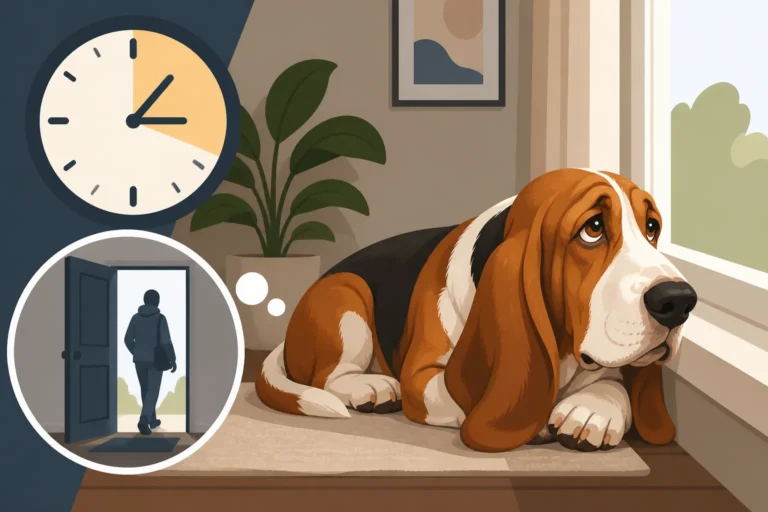
Understanding the why behind your Basset’s vocalizations is the first step in managing them. It’s rarely random. Often, Bassets become vocal out of loneliness or boredom. They are companion animals at heart, and if left alone for extended periods without adequate mental or physical stimulation, they might resort to howling or baying as a way to express their distress or simply to entertain themselves. This is a common complaint, and many owners wonder Whether a Basset Hound Howls When Left.
Other triggers include attention-seeking – a Basset quickly learns that a bark or a howl often gets a human response, even if it's just "Quiet!" – or territoriality, reacting to passersby, other dogs, or unfamiliar noises outside. Excitement, such as when you come home or prepare for a walk, can also set off a vocal cascade. Recognizing these patterns in your current Basset will give you valuable insight into how adding a second dog might shift the dynamics.
The Impact of a Second Dog on Basset Hound Vocalization
This is the million-dollar question, isn't it? Will bringing another dog into your home turn your peaceful abode into a full-blown opera house, or will it quiet things down? The answer, like most things with Basset Hounds, is "it depends."
Potential for Increased Noise
Let's be realistic: two dogs can absolutely mean more noise. If your current Basset is already a bit of a chatterbox, and you bring in another dog with a similar inclination or one that is easily egged on, you could very well end up with a barking choir. Imagine a delivery person walking by, and instead of one Basset baying, you now have two dogs reacting, potentially creating a feedback loop where one's vocalization triggers the other's. This can escalate quickly, especially if both dogs are prone to reactivity or excitement.
This is particularly true if the new dog is also a vocal breed or if they are both young and still learning appropriate behaviors. The excitement of play can also lead to more enthusiastic "conversations" between the dogs, which might be adorable to you but less so to your neighbors if it happens at 6 AM. It’s important to acknowledge that adding another dog does increase the potential volume in your home, especially during stimulating events.
Potential for Decreased Noise (or redirection)
Now for the brighter side! Believe it or not, a second dog can sometimes lead to a reduction in certain types of vocalization from your Basset Hound. This is most often seen in cases where the original Basset's vocal behavior stemmed from boredom, loneliness, or separation anxiety. A companion provides mental stimulation, play, and a sense of security, which can directly address the root cause of some unwanted howling or barking. Whether a Basset Hound Gets Separation Anxiety is a common concern, and a well-matched companion can often make a world of difference.
For instance, if your Basset typically howls mournfully when you leave for work, having another dog to snuggle with, play with, or simply exist alongside can provide comfort and distraction. They might still react to external stimuli, but the sustained, lonely vocalizations could decrease significantly. It’s less about making your Basset completely silent and more about redirecting their emotional needs and providing an outlet that doesn’t involve alerting the entire neighborhood. This companionship can often lead to a more contented, and thus, potentially quieter, Basset Hound. Resources like BAXTER & Bella offer online training programs that can be invaluable in integrating a new dog and helping both learn appropriate house manners and communication.
Factors Influencing the Outcome
The success of adding a second dog, particularly concerning noise levels, hinges on several critical factors. First and foremost is the temperament of both dogs. A boisterous, reactive new puppy paired with an already vocal Basset will likely amplify the noise. Conversely, a calm, more independent second dog might have a soothing effect. Second, training and socialization play an immense role. Well-socialized dogs are generally more secure and less likely to react excessively to everyday triggers. A dog that understands "quiet" commands and is generally well-behaved will be a better influence.
Third, consider the age difference. A very young puppy might annoy an older, more sedate Basset, leading to grumpy grumbles. A more mature, steady dog, however, could provide a wonderful calming influence. Finally, the breed of the second dog matters. While two Basset Hounds might bond wonderfully, another breed with a different temperament might be a better fit if noise is a primary concern. For example, a dog known for being quieter and less prone to alarm barking might offer a good balance. This isn't to say another Basset won't work out, as Whether Two Basset Hounds Are Better Than One suggests, but it's food for thought.
Strategies for Managing Vocalization with Two Basset Hounds
So, you've decided to take the plunge and expand your furry family. What steps can you take to prevent your home from becoming a symphony of bays and barks? The key lies in proactive management, consistent training, and understanding both dogs' individual needs.
Consistent Training and Positive Reinforcement
This cannot be stressed enough: individual and joint training are paramount. Both dogs need to understand basic commands, especially "quiet" or "enough." Start by rewarding calm behavior consistently. If your Basset barks at the mail carrier, wait for a momentary lull, mark it with a verbal cue like "yes!" or a clicker, and offer a high-value treat. Over time, they'll associate quiet with positive outcomes. Teaching a Basset Hound a Quiet Cue provides more in-depth guidance on this.
It’s also important to dedicate individual training time to each dog, even after the second dog arrives. This reinforces your bond with each of them and ensures they don't simply rely on each other. If one dog is a strong, quiet role model, the other might learn by observation, but direct training is always best. Consistency from all family members is vital; everyone must be on the same page with commands and expectations to avoid confusing your hounds.
Managing Environmental Triggers
Many barks and bays are reactions to external stimuli. Consider what sets your dogs off. Is it people walking past the window? Other dogs in the yard? The doorbell? Take steps to minimize these triggers. Simple solutions like privacy film on windows, drawing curtains during peak "trigger times," or using white noise machines or calm music can make a big difference. These strategies help reduce the perceived need for your Bassets to alert you to every little thing happening outside.
For indoor triggers, ensure both dogs have comfortable, safe spaces where they can retreat. Orthopedic beds, often found on Amazon, can offer a cozy den. If excitement levels get too high, separate them briefly with baby gates until they've calmed down. Managing their environment helps prevent the initial trigger from spiraling into a barking frenzy.
Providing Adequate Mental and Physical Stimulation
A tired dog is often a quiet dog, and two Basset Hounds need double the appropriate engagement. Their strong sense of smell makes nose work an excellent way to provide mental stimulation that really tires them out. Snuffle mats, puzzle toys, and hiding treats around the house engage their natural instincts and keep their minds busy. Giving a Basset Hound's Nose Something to Do explores many ideas for this.
While Bassets aren't built for marathons, they do need regular, structured walks. These walks should be about more than just potty breaks; they should offer opportunities for sniffing and exploring. Ensure both dogs get individual attention and exercise, not just joint activities. If one dog is more active, they might need an extra walk, while the more sedentary one might prefer a longer sniff-and-amble. Boredom is a huge contributor to vocalization, so keeping their minds and bodies active is critical. Consider a structured training program, like those offered by BAXTER & Bella, to ensure you're meeting both dogs' needs and building good habits from the start.
Considerations Before Adding a Second Dog
Bringing a second dog into the home is a big decision, and it’s especially important to weigh all factors when you already have a Basset Hound, given their unique characteristics. Thoughtful planning can make all the difference between harmony and headache.
Assessing Your Current Basset Hound's Behavior
Before you even start looking at new dogs, take an honest inventory of your current Basset’s behavior. Is your Basset already excessively vocal? If so, why? Is it out of boredom, anxiety, territoriality, or simply a love for the sound of their own voice? If the vocalization is already a significant problem, introducing another dog without addressing the underlying issues is unlikely to solve them and may even exacerbate them. For instance, if your Basset is very reactive to outside noises, Whether a Basset Hound Is Loud might be the question you need to answer first.
Consider how your Basset interacts with other dogs. Are they generally friendly and welcoming, or do they show signs of resource guarding or discomfort around other canines? Introducing a new dog to a Basset that isn't naturally inclined to share space or attention could lead to stress for both animals, and potentially increased vocalizations as they "discuss" boundaries. Observing their behavior in different situations, like at a dog park or during supervised playdates, can offer valuable clues.
Choosing the Right Companion
If you’ve assessed your current Basset and decided they would indeed benefit from a companion, the next crucial step is choosing the right match. Temperament is absolutely key. Ideally, you want a dog that complements your Basset's personality, rather than mirroring any challenging traits. For example, if your Basset is prone to over-excitement, a calmer, more serene companion might help balance things out.
Consider the energy levels. A high-energy Border Collie might overwhelm a more laid-back Basset, leading to frustration and potential conflict. A dog with a similar, or slightly lower, energy level will likely integrate more smoothly. Think about the potential for "pack dynamics" and how different personalities might influence each other. While another Basset can be wonderful, as they understand each other's communication style, a different breed might also provide a good balance if you're concerned about doubling down on classic Basset traits like vocalization. Look for a dog that seems stable, confident, and perhaps a little less prone to alarm barking if noise is a top concern.
Pros and Cons of a Second Dog for a Vocal Basset Hound
Adding a second dog can be a wonderful experience, bringing companionship and joy, but it also comes with potential challenges, especially regarding vocalization in a breed like the Basset Hound. Here's a quick overview to help you weigh the decision.
| Aspect | Potential Pros | Potential Cons |
|---|---|---|
| Vocalization | Reduced boredom/separation anxiety howls | Increased reactive barking/baying (duet effect) |
| Companionship offers comfort, less lonely noise | Dogs egg each other on, leading to escalation | |
| Mental Stimulation | Built-in playmate, natural enrichment | Competition for attention, potential squabbles |
| Less reliance on human for constant engagement | Need to manage individual play & training | |
| Socialization | Enhanced social skills | Potential for resource guarding or conflict |
| Mutual comfort and security | Introduction challenges, personality clashes | |
| Management | Shared walks/play can be easier | Double the vet bills, food, grooming |
| Potentially less destructive behavior | More mess, noise, and household management |
Ultimately, adding a second dog is a deeply personal decision. It's not a guaranteed "fix" for a vocal Basset, but with careful planning, thoughtful selection, and consistent training, it can certainly enrich both your life and the lives of your hounds. Just be prepared to put in the work, and you'll find that the rewards of a multi-dog household are immeasurable.
Disclaimer
This article is for general informational purposes only and does not constitute professional advice. Laws, prices and regulations vary by location and change over time. Consult a qualified professional for guidance on your specific situation.