Whether a Basset Hound Takes to Scent Work
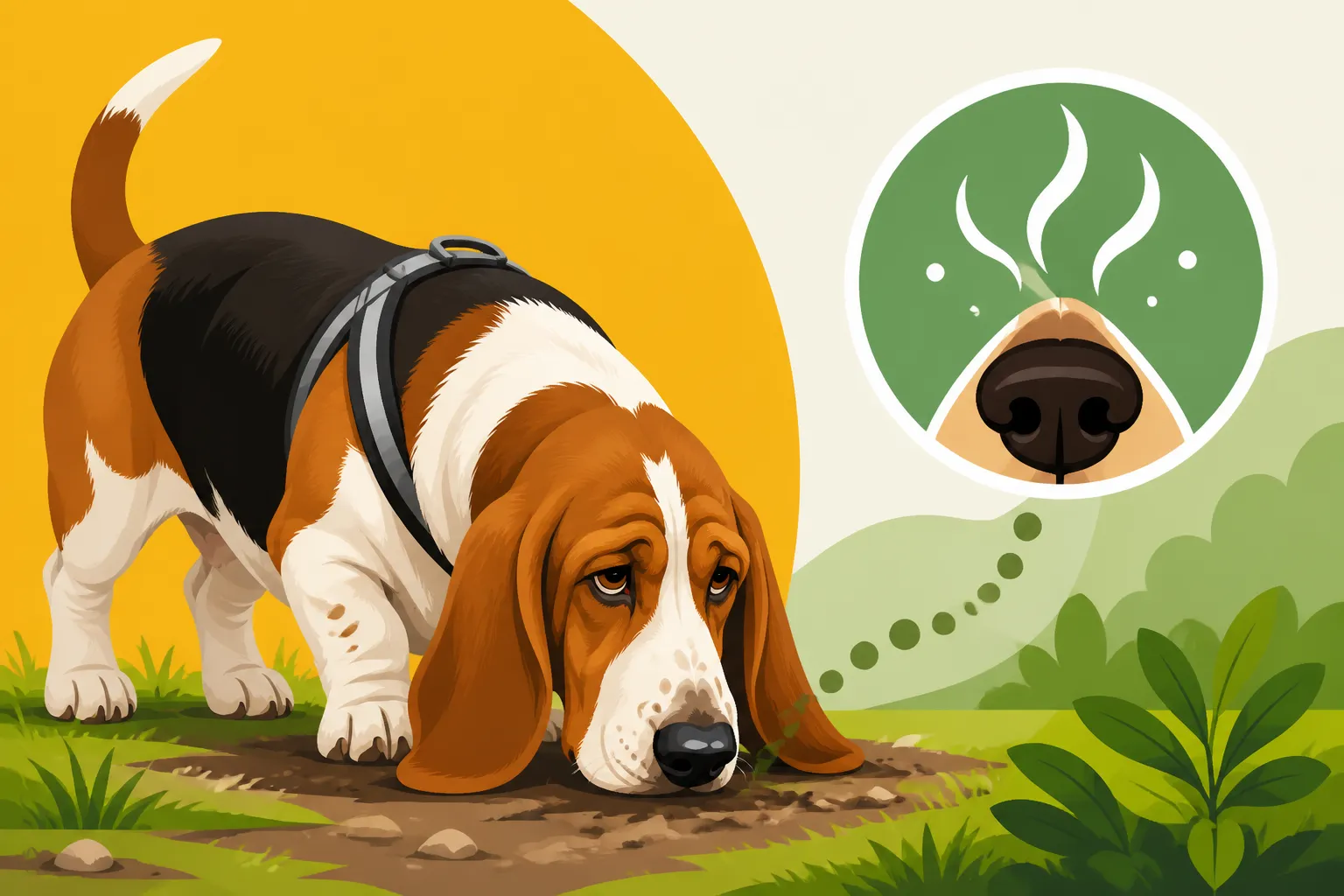
It’s a common misconception that our beloved Basset Hounds are just lazy couch potatoes, content to snooze away the day. While they certainly excel at napping, beneath those droopy eyes and long ears lies an incredible drive and an olfactory system built for serious business. This guide will dive deep into whether a Basset Hound truly takes to scent work, exploring their innate talents and how to harness them for a fun, engaging, and rewarding activity that taps into their very essence.
Understanding the Basset Hound's Natural Scenting Prowess
You might look at a Basset Hound and see a charming, somewhat comical dog, but what you're actually observing is a finely tuned scent detection machine. Their entire anatomy and temperament are geared towards one thing: following a trail. It's not just a hobby for them; it's practically their raison d'être.
A Nose Built for the Job
Let's be real, a Basset Hound's nose isn't just good, it's phenomenal. When we talk about How Good a Basset Hound's Nose Actually Is, we're talking about a sense of smell that rivals, and in some aspects, even surpasses many other breeds. They are often said to be second only to the Bloodhound in terms of pure olfactory power, giving The Nose That Puts a Basset Hound Second to a Bloodhound its well-deserved reputation.
Their distinctive physical traits are not accidental; they are evolutionary advantages designed to enhance their scenting capabilities. Those magnificent, long ears? They aren't just for show. As a Basset Hound moves, those ears, thick and pendulous, actually act like brooms, sweeping scent particles from the ground up towards their nostrils. It's truly fascinating to see Whether a Basset Hound's Ears Stir Scent Toward Its Nose in action. Similarly, the ample dewlap, that wonderfully loose skin on their neck and throat, doesn't just look regal; it also helps to trap and hold scent particles close to their nose, further intensifying the trail. Whether a Basset Hound's Dewlap Holds Scent is a testament to how every part of their unique conformation serves their primary purpose. And of course, their low-slung body keeps their nose perpetually close to the ground, maximizing their ability to pick up even the faintest of odors. It’s definitely true Whether a Basset Hound's Low Height Helps It Trail by keeping them in the optimal scenting zone.
The Deep-Seated Instinct to Trail
A Basset Hound wasn't just given a good nose; it was bred for centuries to utilize it. Originating in France, these hounds were developed to hunt small game, particularly rabbits and hare, by following their scent trails. This wasn't about speed; it was about persistence and an unwavering focus on the scent. Whether a Basset Hound Was Bred to Be Followed on Foot speaks volumes about their historical role. They were designed to work at a pace that hunters on foot could easily keep up with, meticulously unraveling a scent puzzle across varied terrains.
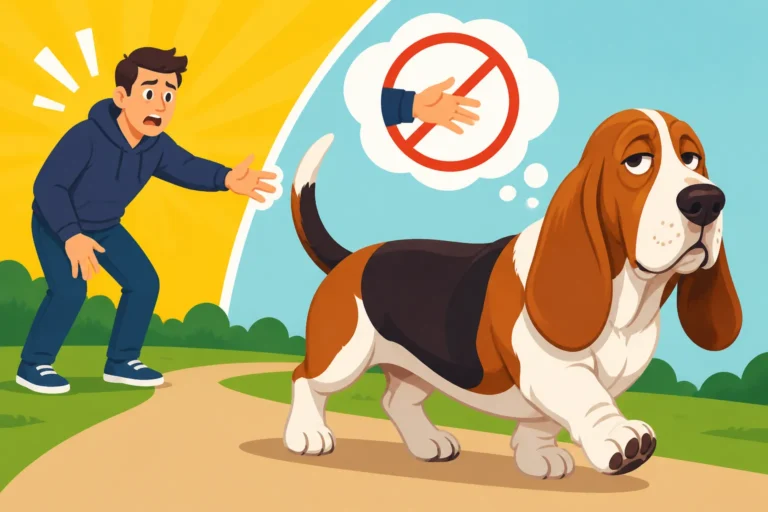
This means that the drive to trail isn't something you need to teach a Basset Hound; it's something you simply need to tap into. It's an instinct woven deeply into their genetic code. They live to put their nose to the ground, to unravel the story a scent tells. If you've ever walked a Basset Hound and watched them suddenly become utterly oblivious to your existence the moment a fascinating scent crosses their path, you've witnessed this instinct firsthand. They become completely absorbed, almost deaf to your calls, as whether a Basset Hound ignores you on a scent is a very real phenomenon. This isn't stubbornness in the way we usually think of it; it's intense focus on their natural calling.
Why Scent Work is a Perfect Fit for a Basset Hound
Considering their natural abilities, it's really no surprise that scent work is an incredibly rewarding activity for Basset Hounds and their humans. It aligns perfectly with their inherent drives and provides a fantastic outlet for their considerable talents.
Mental Stimulation Beyond the Walk
Many Basset Hound owners find themselves perplexed by their dog's energy levels. They might seem sluggish on a leash walk, refusing to budge after a few blocks – leading to the all-too-common scenario of The Basset Hound That Will Not Walk Any Further. But this isn't necessarily a sign of laziness. Often, it's a lack of mental engagement. A simple stroll around the block might not be enough to satisfy their keen minds and powerful noses.
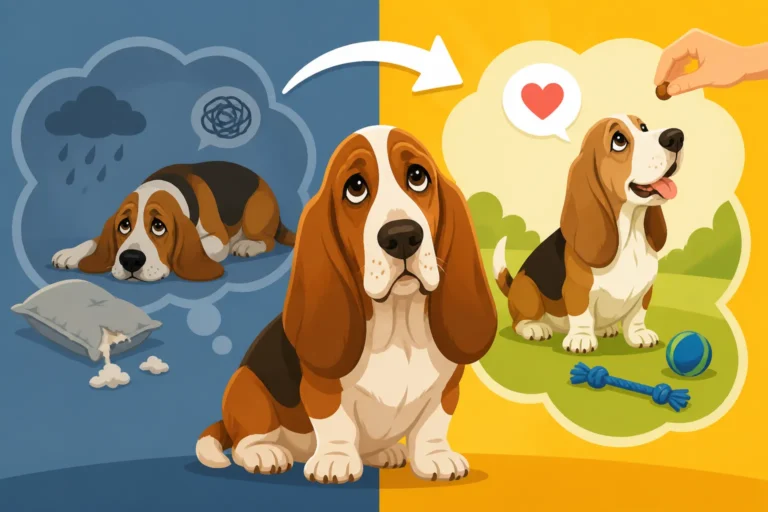
Scent work, on the other hand, is a mental workout of the highest order. It asks your Basset to solve puzzles, discriminate between odors, and focus intently for sustained periods. This intense mental activity is incredibly tiring in a way that physical exercise alone often isn't. You might notice after a good scent work session that your Basset Hound is pleasantly worn out, calm, and ready for a good nap. This is why Whether Nose Work Tires a Basset Hound Out is a resounding yes! It provides an essential outlet for Giving a Basset Hound's Nose Something to Do, preventing boredom that can sometimes manifest as unwanted behaviors at home. Instead of digging up your flowerbeds or chewing on the sofa legs, they'll be using that powerful nose for something productive and fun.
Building Confidence and Focus
For dogs that might be perceived as "stubborn" or easily distracted in traditional obedience training, scent work can be a revelation. Because it plays directly to their strengths, Basset Hounds often excel at it, which in turn builds their confidence. They get to be good at something that feels completely natural to them. This success can then spill over into other areas of their life.
When a Basset Hound is engaged in scent work, their focus is incredible. They learn to ignore ambient distractions, tuning into the specific odor they're meant to find. This heightened focus, born from intrinsic motivation, strengthens their bond with their handler in a unique way. You become a partner in their scenting adventure, guiding them and celebrating their discoveries. This collaborative effort helps to build a more responsive and engaged dog, as they learn that working with you leads to fulfilling their deepest desires.
Getting Started with Scent Work for Your Basset Hound
You're convinced, right? You want to unleash that inner detective! The good news is, getting started with scent work doesn't require a huge investment in fancy equipment or specialized training. It's accessible, fun, and can be done right in your home or backyard.
Choosing the Right Environment and Equipment
When you're first introducing your Basset Hound to scent work, the key is to start simple and minimize distractions. Your living room, a quiet hallway, or a securely fenced backyard are perfect initial locations. The goal is to set your dog up for success and make it a positive experience.
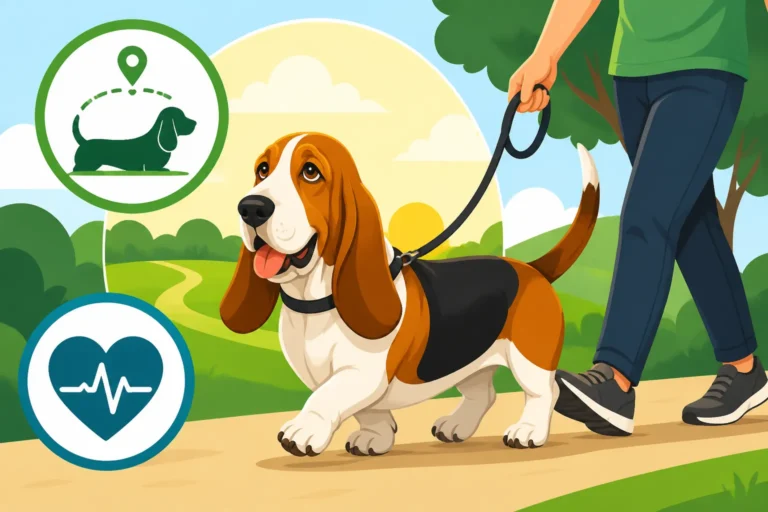
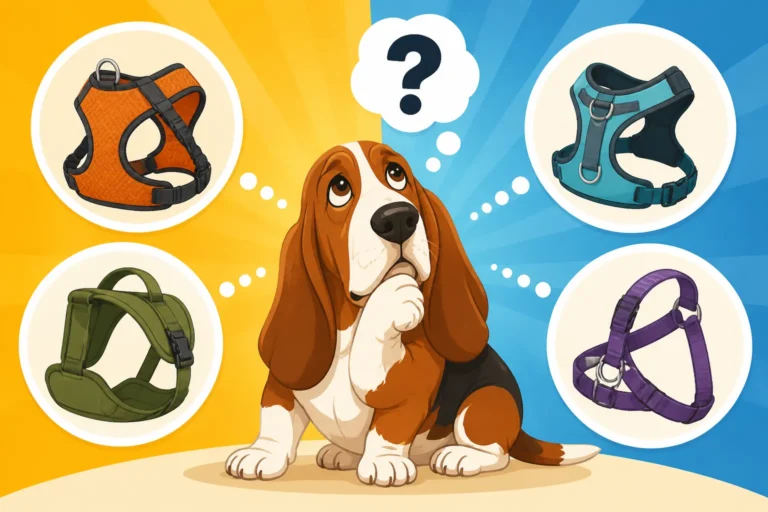
For equipment, you really don't need much to begin. A comfortable harness is always a good idea for any Basset Hound, especially when they might be pulling with intent on a scent trail. Look for something that distributes pressure evenly across their chest rather than their neck. A long line (a 15-30 foot leash) can be incredibly useful for outdoor scent work, allowing your Basset to explore a wider area while still remaining safely connected to you. You can find a great variety of harnesses and long lines on platforms like Amazon, offering different materials and styles to suit your hound.
For the "scent" itself, start with something high-value and obvious to your Basset Hound. Their favorite smelly treats are always a winner. You can also use a favorite toy. As you progress, you might introduce specific "target odors" like birch, anise, or clove, which are commonly used in canine scent detection sports. These essential oils are diluted and placed on cotton swabs, offering a distinct scent for your dog to find.
Basic Scent Games and Training Approaches
The easiest way to start is with simple "find it" games. Get your Basset Hound excited about a treat or toy, then let them watch you hide it in an obvious spot, like under a towel or behind a cushion. Give them a "find it!" cue and praise them enthusiastically when they succeed. Gradually, make the hiding spots a little harder, but always ensure they can succeed easily at first to build their confidence and drive.
Another fantastic beginner game is scattering kibble or small treats in the grass. Your Basset Hound's nose will instinctively drop to the ground, and they'll start hunting. This is a low-pressure way for them to practice using their nose in a natural environment.
When it comes to training methods, positive reinforcement is absolutely essential for Basset Hounds. They thrive on praise, enthusiastic encouragement, and high-value rewards. What Actually Motivates a Basset Hound is often food, so don't be shy about using those stinky cheese bits or small pieces of cooked chicken! Keep sessions short, fun, and end on a high note. Think 5-10 minute bursts of intense focus rather than long, drawn-out sessions that can lead to boredom.
For those looking for structured guidance, there are many excellent online courses and programs available. For example, BAXTER & Bella offers comprehensive online puppy training programs that often include foundational scent work exercises, teaching you how to build engagement and develop scenting skills step-by-step. Their approach focuses on positive reinforcement and building a strong relationship, which is perfectly suited for a Basset Hound's temperament.
Overcoming Common Basset Hound Quirks in Scent Work
While Basset Hounds are naturally gifted at scent work, they do come with a few quirks that are important to understand and work with, rather than against. These aren't obstacles; they're just part of what makes them wonderfully Basset.
The "Basset Freeze" and Independent Streak
We've all been there: your Basset Hound is on a scent, nose glued to the ground, tail perhaps wagging a slow, deliberate rhythm, and they are utterly, completely unresponsive to your calls. This is what many owners affectionately call the "Basset freeze" or the moment a Basset Hound ignoring you on a scent becomes painfully clear. It's not defiance; it's an almost trance-like state of intense concentration.
In scent work, this independent streak actually becomes an asset. You want them to be absorbed in the scent. Your role shifts from being a commander to a facilitator. Instead of trying to pull them off a promising trail, you learn to observe their body language, trust their nose, and follow them. If you need to redirect them, do so gently, using your voice to praise and encourage, or perhaps luring them with an even higher-value treat. Remember, their independence on a trail is a sign of a strong, healthy working drive. Just ensure you have a secure environment or a long line to keep them safe. In an open area, Whether a Basset Hound Needs a Tracking Collar with GPS capabilities can provide immense peace of mind.
Managing Distractions and Maintaining Motivation
Basset Hounds are curious creatures, and the world is full of interesting smells. This means that managing distractions is an ongoing part of scent work. When training outdoors, especially in public parks, you might find your Basset getting sidetracked by the ghost of a squirrel's trail or the scent left by another dog.
To combat this, always start training in low-distraction environments and gradually increase the challenge. Use incredibly high-value rewards – think those irresistible, stinky treats that your Basset Hound would do anything for. Vary your hiding spots and the complexity of the "search" to keep them engaged and prevent boredom. Remember to keep sessions short and sweet, ending before they lose interest.
A key aspect of maintaining motivation is to make the experience positive and fun, every single time. Never punish your Basset Hound for getting it "wrong" or for getting distracted. Instead, redirect their attention back to the task with cheerful encouragement and the promise of a delicious reward. By making scent work a consistently rewarding experience, you'll foster a lifelong love for this incredible activity, providing your Basset Hound with the mental and physical enrichment they truly deserve.
| Scent Work Activity | Description | Suitable for Basset Hounds | Benefits |
|---|---|---|---|
| Scent Detection/Nosework | Dog identifies and signals specific target odors (e.g., essential oils) hidden in various environments. | Yes, highly! | Engages natural hunt drive, boosts confidence, fantastic mental exercise. |
| Tracking | Dog follows a human scent trail on the ground, often over varied terrain. | Yes, perfectly aligned with breed | Utilizes ground-scenting ability, builds focus, endurance. |
| Trailing | Similar to tracking, but dog follows a specific person's scent, often without a laid track, sometimes airborne. | Yes, with some adaptation | Excellent for natural scenting, works their innate purpose. |
| Search and Rescue (SAR) | Highly specialized, dog searches for human scent (live or cadaver) in large areas. | Possible, but less common | Requires significant training and specific temperament traits beyond basic scent drive. |
Disclaimer
This article is for general informational purposes only and does not constitute professional advice. Laws, prices and regulations vary by location and change over time. Consult a qualified professional for guidance on your specific situation.