Whether a Basset Hound Should Have Loose Skin at All
A Basset Hound’s loose skin is part of its familiar look, but “that’s just the breed” is not a reason to ignore soreness, persistent dampness, or trouble seeing and moving comfortably. This guide explains what loose skin normally looks like, when folds may cause problems, and how to care for your dog without trying to make its skin unnaturally tight.
Why Basset Hounds Have Loose Skin
Loose skin is part of the breed’s characteristic appearance
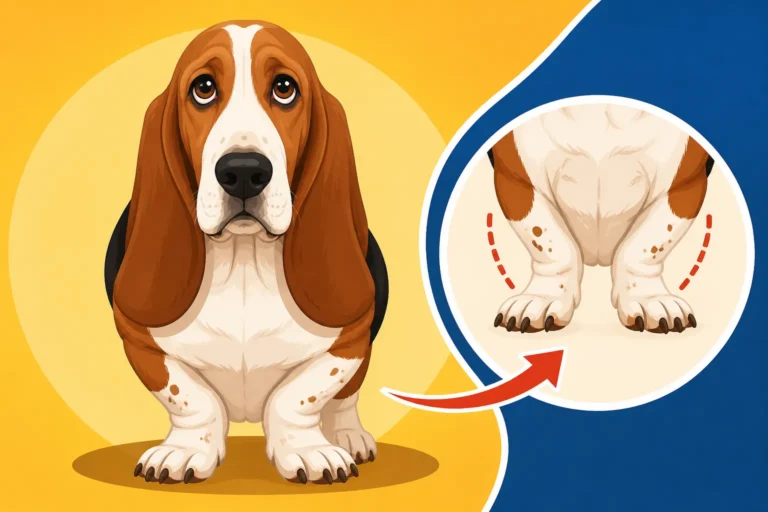
Basset Hounds are known for their long ears, low build, and loose skin around the head and neck. That appearance is not automatically a sign of poor health. A healthy dog may have folds around the face or neck without showing pain, redness, or other problems.
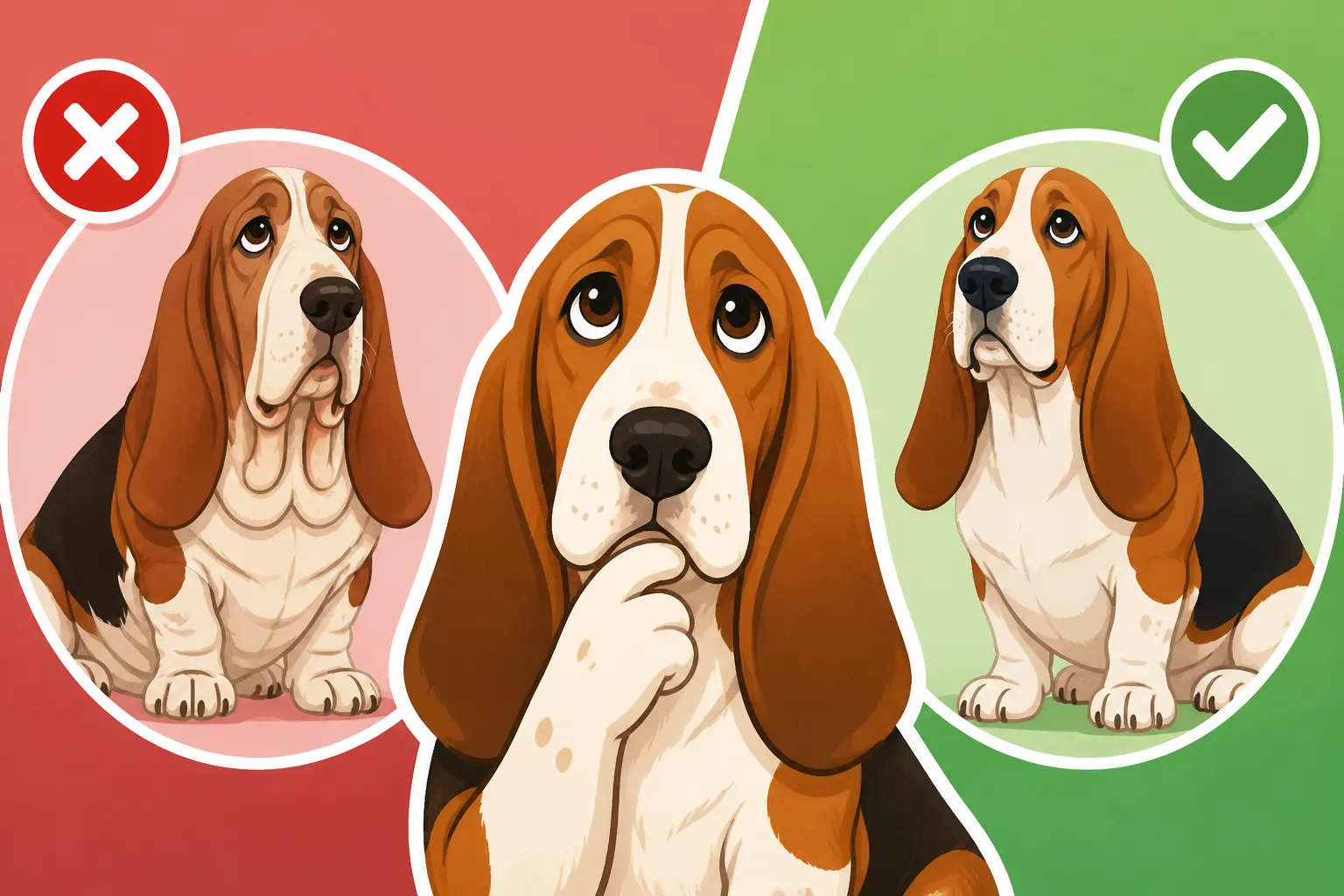
Still, “loose skin” covers a range of appearances. One dog may have a few soft folds, while another has deeper creases that need more attention. The amount of skin alone does not tell you whether a dog is comfortable. It is more useful to look at how the skin behaves: does it stay clean and dry, and can your dog blink, see, eat, walk, and play normally?
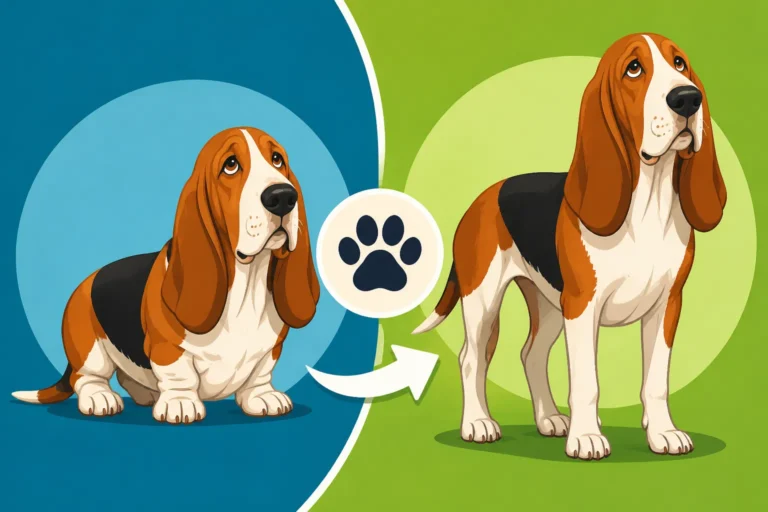
The breed’s overall shape also deserves context. The Basset Hound’s appearance results from several traits, not loose skin alone. If you are weighing appearance against comfort and soundness, Whether the Basset Hound Has Been Bred Too Low and Whether Breeders Are Correcting the Basset Hound offer broader context on the breed’s conformation.
Not every fold serves a practical purpose
It can be tempting to assume that every visible feature must help a dog do a job. Some features may be associated with a breed’s history, but a fold that traps moisture or rubs against another area can still become a care concern. There is no need to treat folds as either entirely beneficial or automatically harmful.
The practical question is whether the skin stays healthy. A shallow, dry fold that does not bother your dog is different from a deep crease that is repeatedly inflamed. Likewise, a loose lower eyelid is not just a cosmetic detail if it leaves the eye exposed or irritated. For more on the skin itself, see The Skin Under a Basset Hound's Folds.
Normal variation is not a diagnosis
Two Basset Hounds can look quite different and both be comfortable. Age, body condition, and individual build can affect how the skin sits. Loose skin can also appear more prominent when a dog gains or loses weight, so it is worth considering the whole dog rather than judging one fold in isolation.
A photo or breed description cannot establish whether a particular dog’s folds are healthy. If you are choosing a puppy, pay attention to how the dog’s eyes and skin look and ask how the parents are doing. If you already have a Basset Hound, your veterinarian can check whether a specific fold, eyelid, or skin change needs attention.
When Loose Skin Can Become a Problem
Moisture and friction can irritate folds
Skin that touches skin can hold warmth and moisture, especially after eating, drinking, exercise, rain, or bathing. If a fold stays damp, the area may become irritated. Repeated rubbing can make that irritation worse, and affected skin may become red, sore, or unpleasant-smelling.
A quick check matters more than a strict grooming ritual. Notice whether the fold looks normal for your dog, whether it is dry, and whether your dog pulls away when you touch it. Redness, persistent dampness, discharge, a strong new odor, or signs of pain are reasons to contact a veterinarian rather than simply cleaning more aggressively.
Folds around the muzzle and lips can collect food and saliva, while creases elsewhere may stay damp after a bath. A gentle routine can help keep these areas comfortable, but it should not involve scrubbing or applying human skin products. For practical fold-care questions, see Cleaning a Basset Hound's Face Wrinkles and Whether a Basset Hound's Folds Need Drying After Cleaning.
Eyelids and skin around the eyes deserve special attention
Some Basset Hounds have drooping lower eyelids. A little visible lower eyelid does not necessarily mean there is a problem, but eyelid shape can matter if the eye is exposed, irritated, or repeatedly collects discharge. Squinting, redness, cloudiness, frequent pawing at the eye, or a sudden change in how the eye looks should be assessed promptly.
Eye discomfort can be hard to judge at home, and it is not something to manage by pulling, trimming, or taping skin. A veterinarian can examine the eye and eyelids and determine whether the issue is related to the eyelid, an infection, an injury, or another cause. For related background, see Whether a Basset Hound's Droopy Eyelids Cause Trouble.
Skin changes can point to more than a fold
A rash or odor is not proof that loose skin is the cause. Allergies, parasites, infection, wounds, and other skin conditions can look similar at first. If a problem keeps returning, spreads, or does not improve with the care your veterinarian recommends, the underlying cause may need investigation.
Avoid trying several cleaners, powders, or creams at once. That can make it harder to tell what is helping and may further irritate sensitive skin. If you use a pet-care retailer such as Chewy to shop for routine grooming supplies, follow your veterinarian’s advice about what is appropriate for your dog, and don’t substitute a retail product for an examination when the skin looks painful or infected.
How to Care for Loose Skin Without Overdoing It
Check folds gently and keep them dry
A simple check can be part of normal grooming. Lift a fold gently enough to see the skin, then look for redness, dampness, debris, or a change from what is usual for your dog. If the area is clean and comfortable, there may be nothing to do beyond leaving it alone.
If a fold needs cleaning, use a soft cloth or a product your veterinarian has recommended. Wipe gently and dry the area carefully afterward. Stop if your dog seems painful or distressed. Never force open a crease, scrub until the skin looks pink, or put cotton swabs deep into a fold.
Baths and wet-weather walks can leave skin damp even when the coat looks dry. Take a moment to check the folds after bathing or getting caught in rain, particularly if your dog has had irritation there before. A small supply of soft cloths and suitable pet-care items can make that routine easier; if you are comparing options at Chewy, check the product instructions and ask your veterinarian before using medicated or fragranced products.
Match the routine to your individual dog
There is no single cleaning schedule that suits every Basset Hound. A dog with shallow, healthy folds may need only occasional checks, while one prone to moisture or recurring irritation may need a more specific routine from its veterinarian. Cleaning too often or using harsh products can be counterproductive, so don’t assume that daily wiping is always better.
It helps to keep notes if the same spot repeatedly becomes red or damp. Record when it happens, such as after meals, swimming, or a bath, and what you used to clean it. That information can help your veterinarian distinguish a one-off irritation from a recurring problem.
Here is a simple way to think about common observations:
| What you notice | What it may mean | A sensible next step |
|---|---|---|
| Fold is clean, dry, and not sore | The skin may simply be normal for your dog | Continue gentle checks |
| Food or saliva in a facial fold | Routine debris may need gentle removal | Wipe softly and dry the area |
| Ongoing dampness or a new odor | Irritation or another skin problem may be developing | Ask your veterinarian for guidance |
| Redness, swelling, discharge, or pain | The skin may need medical assessment | Arrange a veterinary check |
| Squinting, eye redness, or a sudden eye change | An eye or eyelid problem may be present | Contact a veterinarian promptly |
For basic grooming supplies, Chewy can be one place owners look for cloths or general pet-care items, but the label and intended use matter. A product designed for routine coat care is not automatically appropriate for irritated skin or near the eyes. When in doubt, ask your veterinarian before applying anything.
Avoid cosmetic fixes that interfere with comfort
Do not try to make a Basset Hound’s skin look tighter by trimming folds, taping skin, or applying products intended to alter its appearance. Loose skin is part of the dog’s natural anatomy, and cosmetic changes do not address whether the skin is comfortable. They may also cause irritation or hide a problem that needs attention.
Likewise, don’t assume that every visible fold needs cleaning or that every odor is just a breed trait. A persistent or strong smell, especially alongside redness or discharge, deserves more than perfume or extra wiping. Good care is about keeping the skin comfortable, not making the dog look different.
Choosing a Healthy Basset Hound and Knowing When to Get Help
Look beyond the amount of loose skin
If you are meeting a Basset Hound puppy or considering a breeder, focus on health and function as well as appearance. Look for clear, comfortable eyes and skin without obvious sores or persistent irritation. Ask how the breeder considers health in their breeding decisions and what health information is available for the puppy’s parents.
A dramatic look should not be treated as proof of quality. Extreme features can make it harder to judge whether a dog is comfortable, so ask practical questions: do the dogs have recurring skin or eye problems, and how are those issues managed? You can also explore The Household a Basset Hound Actually Fits for the day-to-day realities of living with the breed.
For a wider view of responsible screening, The Health Tests a Basset Hound Breeder Should Run can help you prepare questions. A breeder’s answers do not replace your own veterinary care, but thoughtful, specific answers are more useful than reassurance based only on appearance.
Get veterinary advice for persistent or sudden changes
Book a veterinary visit if a fold stays red or damp, develops a persistent odor, becomes swollen, or seems painful. Seek prompt advice for eye changes such as squinting, significant redness, cloudiness, or discharge. Sudden changes matter because discomfort can escalate, and the visible skin may not reveal the full cause.
When you call, describe what changed and when you first noticed it. Mention recent bathing, swimming, new grooming products, or whether the problem has happened before. If your dog resists having the area touched, don’t force an examination at home; that reaction can be useful information for the veterinary team.
Loose skin by itself is not a reason to panic, and it is not a reason to dismiss a problem. The most useful standard is your dog’s comfort: skin that stays healthy and does not interfere with normal activities may simply be part of its build. Skin that repeatedly becomes sore, or eyelids that affect the eyes, deserve individual assessment rather than a blanket “that’s normal for the breed.”
Disclaimer
This article is for general informational purposes only and does not constitute professional advice. Laws, prices and regulations vary by location and change over time. Consult a qualified professional for guidance on your specific situation.