Whether a Basset Hound’s Ear Should Be Flushed or Wiped
One of the biggest challenges of sharing your life with a Basset Hound is undoubtedly their magnificent, yet notoriously troublesome, ears. It's a common frustration for Basset owners – you're trying your best to keep those long, velvety flaps clean and healthy, but how exactly do you do it? The constant worry about infections, the unpleasant odors, the shaking heads – it all boils down to a fundamental question: should you be flushing your Basset Hound's ears, or is wiping sufficient? This guide is here to untangle that very specific knot, offering clear, comprehensive advice on managing your beloved hound's unique ear care needs.
Understanding the Basset Hound's Unique Ear Anatomy
Let's face it, a Basset Hound's ears are iconic. They're what make them so charming, so distinctive, and so incredibly good at what they were bred for – scent work. But that very same design that makes them exceptional trackers also creates a perfect storm for ear problems. It's not just about aesthetics; it's a deep dive into biology that explains why their ears demand such dedicated attention.
Why Basset Hounds Are Prone to Ear Issues
Imagine living in a perpetually warm, moist, and dark environment. Sounds like a petri dish, right? Well, that's pretty much what the inside of a Basset Hound's ear canal can become. Their ears are incredibly long and pendulous, hanging low and thick, often dragging on the ground as they follow a scent. This anatomical feature, while adorable, significantly reduces airflow to the inner ear. Unlike dogs with prick ears or even semi-prick ears, the Basset's ear flap acts like a natural seal, trapping moisture, warmth, and debris inside. It creates an ideal breeding ground for bacteria and yeast, which thrive in such conditions.
Think about it: when your Basset is out sniffing every interesting thing on the ground, those long ears are sweeping up dust, dirt, pollen, grass seeds, and all sorts of other irritants. These aren't just superficial particles; they can work their way down into the ear canal, where they combine with natural ear wax and trapped moisture. This creates a sticky, uncomfortable mess that often leads to inflammation and infection. It’s a vicious cycle that many Basset owners become all too familiar with. We often find ourselves asking, Whether Every Basset Hound Gets Ear Infections, and while not every Basset Hound will, a significant percentage certainly will. It’s important to understand that this isn’t a sign of poor hygiene on your part, but rather a consequence of their charming, distinctive build.
The Role of Ear Wax and Debris
Ear wax (cerumen) actually serves a purpose in keeping the ear canal clean, trapping dust and foreign particles and moving them out naturally. In most breeds, this natural self-cleaning mechanism works quite well. However, in Basset Hounds, with their constricted and poorly ventilated ear canals, this process often goes awry. The wax can build up much faster than it can naturally exit, especially when combined with the external debris their ears collect.
When you add moisture from a bath, swimming, or even just humidity, this trapped wax and debris becomes even more problematic. It forms a thicker, stickier plug, further blocking airflow and creating an even better environment for pathogens. This buildup isn't just uncomfortable; it can lead to chronic irritation, itching, and eventually, full-blown infections. It’s why you might sometimes notice a distinct, unpleasant smell emanating from their ears – that’s often the tell-tale sign of yeast or bacterial overgrowth. Understanding Whether Yeast or Bacteria Is in a Basset Hound's Ear is critical for effective treatment, but prevention starts with managing that environment.
The Flushing Approach: Deep Cleaning and Prevention
When we talk about flushing a Basset Hound's ears, we're discussing a more thorough, often therapeutic, cleaning method designed to reach deeper into the ear canal than simple wiping. This isn't an everyday task, but rather a crucial tool in your Basset ear care arsenal, especially when specific issues arise.
When Flushing is Necessary
Flushing becomes absolutely necessary in several situations, and it's important to know the difference between a preventative flush and a therapeutic one.
Firstly, if your Basset Hound has an active ear infection, flushing is often a key part of the treatment plan prescribed by your veterinarian. In these cases, the ear canal can be inflamed, painful, and filled with pus or excessive discharge. Attempting to just wipe these ears won't be enough and can even cause more irritation. Your vet will likely prescribe a specific medicated ear cleaner, often one designed to break down wax and debris, as well as an antibiotic or antifungal medication. They might perform the first flush in the clinic to ensure it's done correctly and gently, especially if your dog is in pain. It's crucial to follow their instructions precisely, as flushing with the wrong solution or technique can exacerbate the problem.
Secondly, flushing is highly beneficial for Basset Hounds prone to chronic wax buildup, even without an active infection. Some Bassets just produce more wax, or their ear canals are particularly narrow. A periodic flush can prevent these buildups from turning into infections. This might be recommended every few weeks or months, depending on your dog's individual needs. If your Basset loves to swim, or if their ears frequently get wet, a preventative flush shortly after exposure can help dry out the canal and remove any trapped water and debris, warding off future problems. Many owners wonder Whether a Basset Hound's Ears Trap Water, and the answer is a resounding yes, making post-swim care vital.
Finally, if you've noticed your Basset shaking their head more than usual, pawing at their ears, or if there's a foul odor, it's time to consider a thorough flush, potentially after a vet check-up. These are early signs that something is amiss, and a good flush might be the first line of defense to clear out irritants before a full-blown infection takes hold.
How to Properly Flush a Basset Hound's Ears
Flushing a Basset's ears can seem daunting, but with the right tools and a gentle approach, it's manageable. Here’s a step-by-step guide:
- Gather Your Supplies: You’ll need a veterinarian-approved ear cleaning solution (your vet can recommend one, or you can find reputable options on platforms like Chewy or Amazon), plenty of cotton balls or large cotton pads, and a towel. Having some high-value treats on hand is also a must for rewarding your patient hound.
- Position Your Basset: Find a comfortable spot where your Basset can't easily shake their head and send ear cleaner flying everywhere. The bathroom or outdoors is ideal. You might need a second person to help gently hold their head still, providing reassurance.
- Apply the Solution: Hold the ear flap gently up and away from the head, straightening the ear canal as much as possible. Carefully insert the tip of the ear cleaner bottle into the ear canal, but do not jam it deep. Squeeze a generous amount of solution into the ear until the canal is visibly full. It might even overflow a bit – that’s okay.
- Massage the Base of the Ear: This is the crucial part. Keep holding the ear flap up and massage the base of the ear (where it joins the head) for about 20-30 seconds. You should hear a squishing sound, which means the cleaner is breaking up wax and debris deep inside the canal.
- Allow Them to Shake: Step back, cover your face, and let your Basset shake their head vigorously. This action naturally brings a lot of the loosened debris and cleaning solution up and out of the ear. This is where that towel comes in handy!
- Wipe the Outer Ear: After the shaking, use cotton balls or pads to gently wipe away any visible solution and debris from the inner side of the ear flap and the entrance to the ear canal. Do not use cotton swabs (Q-tips) inside the ear canal itself, as these can push debris further in or even damage the eardrum.
- Repeat if Necessary: Depending on how dirty the ear was, you might need to repeat the process (steps 3-6) until the liquid coming out is relatively clear.
- Reward Generously: Praise your Basset and give them plenty of treats to make it a positive experience. This is especially important for future ear cleaning sessions.
Consistency is key, especially if your Basset is prone to recurrent issues. You might find that for ongoing care, specific medicated wipes, also available through retailers like Chewy, can be a useful adjunct between deeper flushes, especially for the visible external parts of the ear flap.
Pros and Cons of Flushing
Like any care routine, flushing has its advantages and disadvantages.
Pros of Flushing:
- Deep Cleaning: This is the most effective way to clean the entire ear canal, reaching areas that wiping simply cannot. It’s indispensable for breaking down stubborn wax plugs and clearing out accumulated debris.
- Effective for Infections: When prescribed by a vet, medicated flushes are a powerful tool in treating active bacterial and yeast infections by delivering the medication directly to the source of the problem.
- Prevents Buildup: Regular preventative flushing can significantly reduce the incidence of ear infections by keeping the canal clear before issues can even begin. This proactive approach can save you a lot of heartache and vet bills down the line.
- Removes Trapped Moisture: After swimming or bathing, a good flush can help dry out the ear canal and remove any water that has become trapped, which is a major contributor to ear infections in Bassets.
Cons of Flushing:
- Messy: Let’s be real, a Basset shaking its head after a good flush can turn your bathroom into a modern art masterpiece of ear gunk and solution. It’s part of the process, but certainly not tidy.
- Can Be Uncomfortable: If your Basset has a painful infection, the flushing process can be uncomfortable for them, making them resistant. This is where a vet might need to step in, perhaps even sedating your dog for a thorough, pain-free clean.
- Risk of Improper Technique: Incorrect flushing can push debris deeper into the ear, or, in rare cases, if the eardrum is compromised, introduce solution into the middle ear, leading to more serious problems. Always use vet-approved solutions and techniques.
- Requires More Time and Effort: Compared to a quick wipe, flushing takes more time, setup, and cleanup. It’s a commitment, but one that’s often necessary for a Basset’s ear health.
The Wiping Approach: Surface Cleaning and Maintenance
While flushing is about deep cleaning and intervention, wiping is your daily or weekly bread-and-butter for general ear hygiene. It's less invasive, quicker, and focuses on maintaining cleanliness in the more accessible parts of your Basset's ears.
When Wiping is Sufficient
Wiping is primarily a maintenance activity. It’s your first line of defense against the accumulation of everyday grime and the perfect way to keep the visible parts of your Basset’s ears fresh and clean between deeper flushes or vet visits.
You should be wiping your Basset’s ears regularly, ideally every few days, or at least once a week, even if they show no signs of infection. This routine helps to remove superficial dirt, dust, and any minor waxy discharge that collects on the inside of the ear flap and the outer folds of the ear canal. This is especially important for Basset Hounds, whose long ears are constantly sweeping up debris from the ground. Wiping helps prevent these external contaminants from migrating further into the ear.
Wiping is also perfect for quick clean-ups. Did your Basset just finish a particularly messy meal, leaving food residue on their ear flaps? A quick wipe. Did they roll in something questionable in the yard? A quick wipe. It helps manage the external environment of the ear and minimizes the potential for issues to develop. For Basset Hounds that are generally healthy with minimal ear wax and no history of recurrent infections, a consistent wiping schedule might be all they need. It's also a great way to bond with your dog and get them accustomed to having their ears handled, which makes future, more involved cleaning sessions much easier. Many owners establish a How Often a Basset Hound's Ears Must Be Cleaned routine that heavily relies on regular wiping.
How to Safely Wipe a Basset Hound's Ears
Wiping a Basset Hound's ears is simpler than flushing, but still requires care to be effective and safe.
- Gather Your Supplies: You’ll need a gentle, veterinarian-approved ear cleaner (liquid or wipe form) and plenty of cotton balls or large, soft cotton pads. Again, treats are your friend here! You can find a good range of specialized ear wipes and solutions on Chewy or Amazon.
- Position Your Basset: Have your Basset sit or lie down comfortably. Gently hold one ear flap up to expose the inner surface and the entrance to the ear canal.
- Apply Cleaner to Cotton: If using a liquid cleaner, moisten a cotton ball or pad with the solution. Do not saturate it to the point of dripping. If using pre-moistened wipes, simply take one out.
- Wipe Visible Areas: Gently wipe the inner surface of the ear flap, paying attention to all the folds and crevices. Then, gently wipe the outer part of the ear canal opening. The goal is to clean away visible dirt and wax, but not to push anything deeper.
- Avoid Cotton Swabs Deep in the Canal: This is absolutely critical. Never insert cotton swabs (Q-tips) deep into your Basset Hound's ear canal. The canal is L-shaped and very delicate. Swabs can push wax and debris further down, compacting it against the eardrum, or even puncture the eardrum itself. Stick to cleaning only what you can see and easily reach with a cotton ball wrapped around your finger.
- Use Fresh Cotton: Use a fresh cotton ball or wipe for each ear, and switch to clean ones as they become soiled. This prevents cross-contamination and ensures effective cleaning.
- Praise and Reward: As always, make this a positive experience with praise and treats.
Regular, gentle wiping not only keeps the ears cleaner but also allows you to regularly inspect them for early signs of trouble, such as redness, swelling, or unusual discharge.
Pros and Cons of Wiping
Wiping offers a convenient and effective way to manage basic ear hygiene.
Pros of Wiping:
- Easy and Quick: Wiping is much faster and less cumbersome than flushing, making it a routine you can easily incorporate into your daily or weekly grooming schedule.
- Less Invasive: It’s a gentler approach that focuses on the accessible outer parts of the ear, minimizing discomfort for your Basset, especially if their ears are sensitive.
- Good for Maintenance: Regular wiping prevents the accumulation of superficial dirt and light wax, which can reduce the frequency needed for deeper flushes.
- Early Detection: Because you’re regularly handling and inspecting the outer ear, you’re more likely to spot early signs of irritation or infection, like redness, minor discharge, or a developing odor, before they become severe. This early detection can be critical for prompt treatment.
- Promotes Positive Handling: Frequent, gentle wiping helps your Basset get accustomed to having their ears handled, which makes future vet examinations or more intensive cleaning sessions less stressful for everyone involved.
Cons of Wiping:
- Surface Level Only: The biggest drawback is that wiping cannot address issues deep within the ear canal. If there's a significant wax plug, trapped moisture deep inside, or an infection brewing further down, wiping will be ineffective.
- Can Push Debris: If not done carefully, especially if you try to reach too far into the canal with a cotton ball or finger, you can inadvertently push debris deeper, worsening a potential blockage.
- Ineffective for Active Infections: Wiping is not sufficient to treat an active ear infection. It might clean the external gunk, but it won't clear the pathogens or reduce inflammation deep inside where the problem lies. You need specific medicated treatments for that, usually involving flushing.
- Requires Consistency: While easy, it requires consistent effort. Skipping weeks can lead to a buildup that eventually demands a full flush anyway.
Combining Both Approaches for Optimal Ear Health
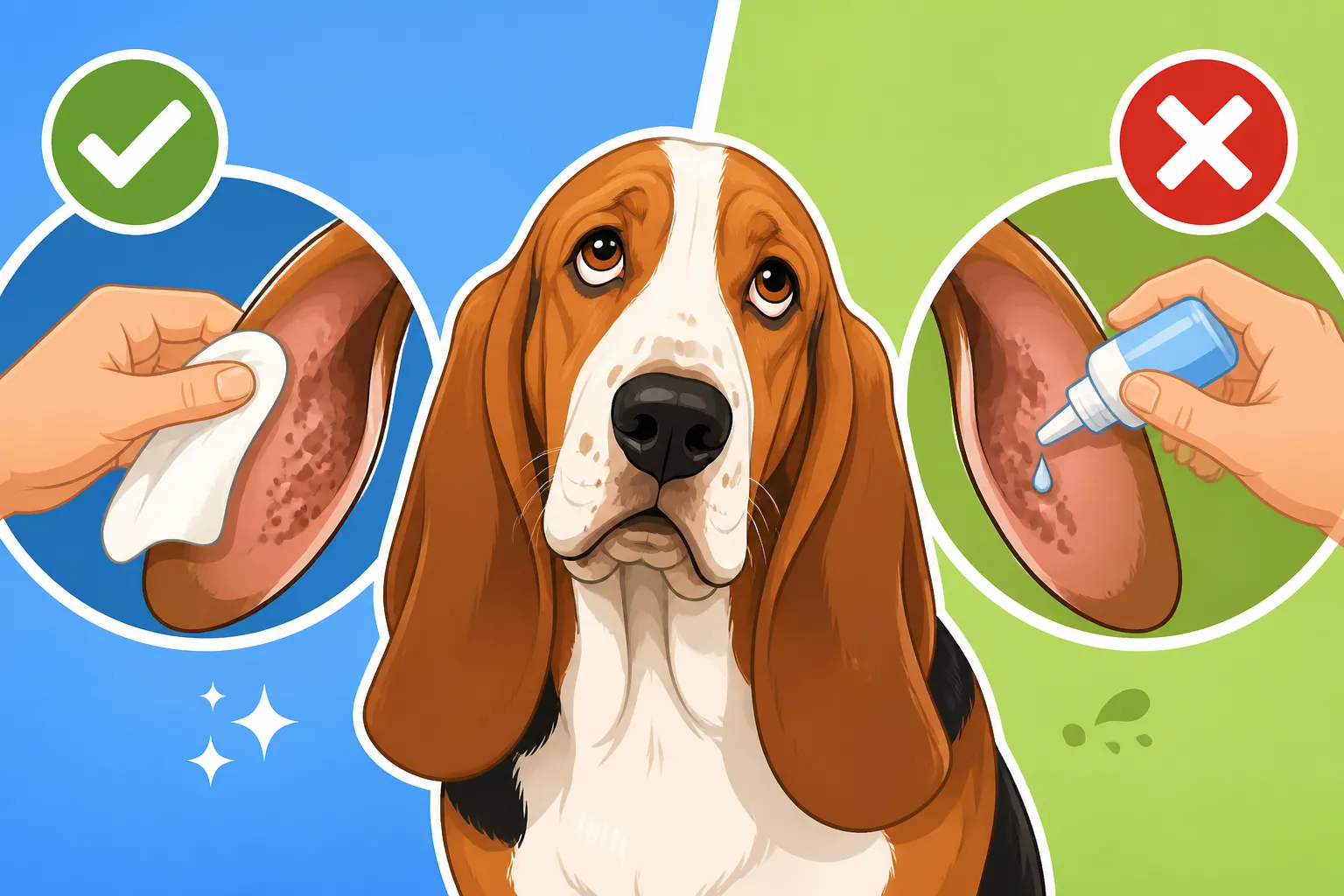
So, what's the verdict on whether a Basset Hound's ear should be flushed or wiped? The most realistic and effective answer is often "both." Neither method is a complete solution on its own. Instead, they complement each other, forming a comprehensive ear care strategy tailored to the unique needs of your Basset Hound.
A Balanced Routine
For most Basset Hounds, a balanced routine is key. This typically involves regular wiping for daily or weekly maintenance, combined with periodic flushing, often under veterinary guidance, for deeper cleaning or when specific issues arise.
Here’s how a balanced routine might look:
- Daily or Every Other Day Wiping: Use a gentle ear wipe or a cotton ball moistened with a mild, non-medicated ear cleaner (many great options are available from reputable pet suppliers on Amazon) to clean the outer ear flap and the visible folds of the ear canal. This removes surface dirt, dust, and minor waxy discharge, preventing accumulation and keeping the outer ear fresh. This is particularly important if your Basset has been outside tracking or if you notice any visible dirt.
- Monthly to Quarterly Preventative Flush (Owner-Administered): For Bassets prone to wax buildup or who enjoy swimming, a prophylactic flush with a non-medicated, drying ear cleaner can be incredibly beneficial. This can be done every 4-8 weeks, or as recommended by your vet, to ensure deeper parts of the canal remain clear and dry. Always use a vet-approved cleaner and follow the proper flushing technique outlined earlier.
- As-Needed Therapeutic Flush (Vet-Guided): If you suspect an infection (bad odor, excessive scratching, head shaking, redness, discharge), schedule a vet visit immediately. Your vet will diagnose the issue and prescribe a specific medicated cleaner for flushing, along with any other necessary medications. This kind of flush is crucial for clearing out infection and delivering treatment effectively. Remember, trying to "self-diagnose" and treat an infection with a general cleaner can delay proper treatment and worsen the condition. For severe or chronic infections, a vet might recommend procedures like Whether a Basset Hound Needs Ear Surgery or a total ear canal ablation, but these are usually last resorts.
The frequency of flushing versus wiping will depend heavily on your individual Basset Hound – their anatomy, their wax production, their lifestyle, and their history of ear problems. A Basset who lives mostly indoors and has never had an ear infection might only need weekly wiping and very occasional flushing. A Basset who is an avid tracker, prone to allergies, or has a history of chronic ear trouble might require daily wiping and monthly preventative flushes, in addition to swift vet intervention at the first sign of a flare-up.
Signs Your Basset Hound Needs Professional Ear Care
Knowing when to switch from routine care to professional intervention is paramount for your Basset's health and comfort. Their stoic nature sometimes means they hide discomfort until it's quite advanced. Always be vigilant for these warning signs:
- Excessive Head Shaking or Pawing: This is often the first and most obvious sign of ear discomfort. If it's more than just a casual shake, pay attention. Whether a Basset Hound Shakes Its Head Constantly is a clear indicator of trouble.
- Foul Odor: A strong, unpleasant smell emanating from the ear, often described as sweet (yeast) or sour/putrid (bacteria), is a definitive sign of infection. Whether a Basset Hound's Ear Smells Sweet or Sour can give you clues, but any strong odor warrants a vet visit.
- Redness, Swelling, or Heat: Inspect the inner ear flap and the visible part of the ear canal. Any inflammation, warmth, or swelling indicates a problem.
- Discharge: Look for yellow, brown, black, green, or bloody discharge. Even a heavy increase in dark, waxy debris can be a sign.
- Pain or Sensitivity: If your Basset cries out, flinches, or becomes aggressive when you touch their ears, they are likely in pain.
- Changes in Behavior: Lethargy, loss of appetite, or general irritability can sometimes be linked to the discomfort of an ear infection.
- Reluctance to Walk or Play: Pain from an ear infection can make even the most enthusiastic Basset hesitant to engage in their usual activities.
- Rubbing Ears on Furniture/Carpet: This is another attempt to relieve itching or discomfort.
If you observe any of these signs, don't delay. A prompt visit to your veterinarian can prevent a minor irritation from escalating into a severe, painful, and potentially chronic problem. They can accurately diagnose the issue (which might involve an ear cytology or culture to determine Whether Yeast or Bacteria Is in a Basset Hound's Ear) and prescribe the most effective treatment. Early intervention is always better for managing ear health in Basset Hounds and keeping them comfortable and happy.
| Feature | Flushing | Wiping |
|---|---|---|
| Purpose | Deep cleaning, therapeutic treatment | Surface maintenance, gentle cleaning |
| Frequency | Monthly/quarterly (preventative), as needed (Rx) | Daily/weekly |
| Tools | Liquid ear cleaner (vet-approved), cotton balls | Ear wipes or cotton balls with cleaner |
| Depth of Clean | Reaches deep into the ear canal | Cleans outer ear flap and visible canal entrance |
| Invasiveness | More invasive, can be uncomfortable | Less invasive, generally well-tolerated |
| Mess Factor | High (shaking) | Low |
| Cost | Moderate (cleaner, vet visits for Rx) | Low (wipes/cleaner) |
| Effectiveness | Essential for infections/heavy buildup | Good for light grime and prevention of surface issues |
| Best Used When | Active infection, excessive wax, post-swimming | Routine maintenance, daily checks, mild dirt |
Disclaimer
This article is for general informational purposes only and does not constitute professional advice. Laws, prices and regulations vary by location and change over time. Consult a qualified professional for guidance on your specific situation.