Exercise for an Old Basset Hound
It’s heartbreaking to watch your beloved Basset Hound start slowing down, isn't it? One day they're bouncing around, nose to the ground, and the next, every step seems a little heavier, a little stiffer. Many of us Basset parents face the dilemma of wanting to keep our senior hounds active and happy without pushing them too hard or causing discomfort. This guide is all about finding that perfect balance, ensuring your old Basset Hound continues to enjoy life with appropriate, gentle exercise.
Understanding the Aging Basset Hound's Body
As our loyal Basset Hounds move into their senior years, their bodies undergo natural changes that directly impact their ability to exercise. It's not about them being "lazy" or "stubborn" – often, it's about physical limitations that we need to acknowledge and accommodate. Understanding these changes is the first step in providing them with the best care and most suitable activities.
The Reality of Joint Pain and Arthritis
One of the most common and challenging issues for an aging Basset Hound is arthritis and general joint pain. Their unique, heavy-boned structure and short legs, while adorable, put considerable stress on their joints even in their youth. As they age, the cartilage that cushions these joints can wear down, leading to inflammation, pain, and reduced flexibility. You might notice your hound struggling to get up from a nap, hesitating before tackling a few stairs, or even limping slightly after a longer walk. It’s not just a minor inconvenience for them; it can be truly debilitating. This is particularly true for breeds like ours, predisposed to issues in their elbows, hips, and backs. Many Bassets will develop Arthritis in a Basset Hound at Seven or even earlier in life.
This discomfort can make traditionally enjoyable activities, like a vigorous run or a long hike, quite painful and even detrimental. Imagine trying to run a marathon with stiff, aching knees – that's often what a senior Basset Hound is experiencing with prolonged or high-impact exercise. Our goal shifts from "how much exercise can they handle?" to "how can we help them move comfortably and maintain muscle mass without aggravating existing conditions?" It's a delicate balance, and paying close attention to their signals becomes paramount. Sometimes, the issue isn't just arthritis but more specific problems like The Back Trouble a Basset Hound Is Built Into, which makes a calm approach to movement even more crucial.
Decreased Energy Levels and Stamina
Remember those days when your Basset Hound seemed to have an endless supply of energy, relentlessly following a scent trail for what felt like miles? Well, those days often fade as they reach their golden years. A senior Basset Hound's metabolism slows down, their heart and lungs might not be as efficient, and they simply don't have the same stamina they once did. This means shorter bursts of activity, more frequent rest breaks, and an overall reduction in their capacity for sustained physical effort.
You might notice they tire more quickly on walks, preferring to sniff around a small patch of grass rather than trekking through the neighborhood. Or perhaps after a short play session, they're ready for a long nap on their favorite orthopedic bed. It's not a sign of laziness; it's a physiological change. Respecting these decreased energy levels is crucial to prevent overexertion, which can lead to fatigue, muscle soreness, and even put strain on their cardiovascular system. Pushing them too hard can quickly make them miserable, counteracting the very benefits you're trying to achieve with exercise.
The Impact of Weight on Senior Mobility
Weight management is critical at any age for a Basset Hound, but it becomes especially vital in their senior years. Every extra pound your Basset carries puts additional strain on their already compromised joints. Imagine carrying a backpack filled with bricks all day long – that's what excessive weight feels like to a dog with arthritis or hip dysplasia. It exacerbates pain, accelerates joint degeneration, and severely limits their mobility. This is a breed that is already built low to the ground and carries a lot of bone, so What Extra Weight Does to a Basset Hound is a serious concern.
Keeping a senior Basset Hound at a healthy weight can literally add years of comfortable movement to their life. It means carefully monitoring their food intake, choosing appropriate senior dog foods, and ensuring their exercise regimen is consistent, even if gentle. It can be a challenge, as senior dogs often have reduced caloric needs and may be less active, making weight gain all too easy. Regular weigh-ins at home or at the vet can help you stay on track, and don't be afraid to adjust their food portions downward if you notice them gaining. Resources like Chewy offer a wide array of weight management foods specifically formulated for senior dogs, and services like Ollie can provide portion-controlled, fresh food options tailored to your Basset's specific needs.
Tailoring Exercise to Your Senior Basset Hound's Needs
Just like with people, a "one size fits all" approach to exercise doesn't work for senior Basset Hounds. Their individual health conditions, energy levels, and even personality should dictate their activity routine. The key is to keep them moving, but with intelligence and empathy, ensuring every experience is positive and pain-free.
The Importance of Low-Impact Activities
For senior Basset Hounds, the name of the game is low-impact. This means choosing activities that put minimal stress on their joints while still providing physical and mental stimulation. Forget about jumping, running, or any activity involving sudden stops and starts. Instead, think about fluid, controlled movements that help maintain muscle strength and joint flexibility without causing jarring impact. This could involve slow, steady walks on soft surfaces, gentle stretches, or even carefully supervised water activities.
The goal is not to exhaust them, but to keep their muscles engaged, their joints lubricated, and their minds active. Consistent, moderate activity is far more beneficial than sporadic, intense sessions that leave them sore for days. It's about preserving their quality of life, not pushing them to their physical limits. Prioritizing low-impact means you're investing in their long-term comfort and mobility, allowing them to enjoy their golden years with as much ease as possible.
Gentle Walks and Their Benefits
Daily walks are still incredibly beneficial for a senior Basset Hound, but they need to be adjusted. Instead of long, brisk excursions, think shorter, more frequent, and slower paced strolls. The terrain matters, too. Opt for flat, even surfaces like grassy parks or dirt trails rather than hard pavement, which can be unforgiving on aching joints. A walk around the block, perhaps two or three times a day, might be perfect. Allow them ample time to sniff and explore – this provides fantastic mental stimulation, which is just as important as physical movement. Even if they're not covering much distance, the sensory input is invaluable.
The duration and intensity should always be guided by your Basset. If they slow down, hesitate, or seem generally reluctant, it's time to head home. Don't push them to complete a predetermined route. The beauty of a Basset walk is less about the destination and more about the journey of sniffing every fascinating spot. Remember, Whether an Old Basset Hound Still Needs Walks is a resounding yes, but the type of walk changes significantly. If you notice Whether a Basset Hound Sits Down Mid Walk frequently, it's a clear sign they've had enough.
Exploring Water-Based Exercise Options
Water can be a senior Basset Hound's best friend when it comes to exercise. Swimming or hydrotherapy offers incredible benefits because it provides buoyancy, reducing the gravitational stress on their joints while still allowing their muscles to work. It's a fantastic way for them to get a full-body workout without the impact that land-based exercise entails. If you have access to a safe, warm pool designed for dogs, or a gentle, shallow natural body of water during warmer months, it can be a game-changer.
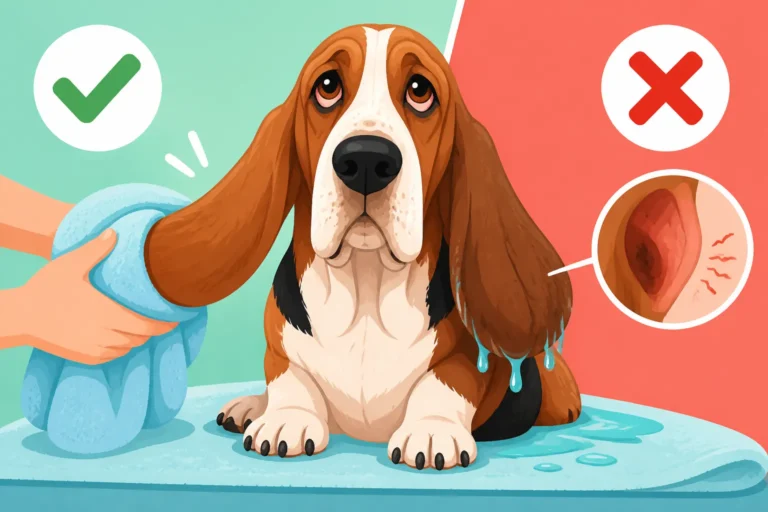
Always supervise them closely in the water, especially if they are not strong swimmers or have mobility issues. Start with short sessions and gradually increase the time as they build stamina. Many older Bassets enjoy just wading and splashing, which is still beneficial. You might even find specialized hydrotherapy centers that offer guided sessions with trained professionals, which can be particularly helpful for dogs recovering from injury or managing severe arthritis. Just be mindful that their long ears might trap water, so thorough drying after any water activity is essential. Even with natural buoyancy, it's worth considering Whether a Basset Hound Swims safely.
Beyond Physical Movement: Mental and Sensory Stimulation
Exercise isn't just about moving the body; it's also about engaging the mind. For senior Basset Hounds, whose physical capabilities may be declining, mental and sensory stimulation become even more crucial for their overall well-being and happiness. Keeping their minds active helps maintain cognitive function and prevents boredom, which can sometimes manifest as undesirable behaviors.
Scent Work for the Slowing Hound
Basset Hounds were bred to follow a scent trail, and this innate ability doesn't diminish with age, even if their speed does. Scent work is an incredible low-impact activity that engages their most powerful sense and provides immense satisfaction. You can set up simple scent games in your home or yard. Hide treats or their favorite toys and encourage them to find them using their nose. Start easy, making the hiding spots obvious, then gradually increase the difficulty as they get the hang of it.
This activity is perfect because it allows them to "work" at their own pace, moving slowly and deliberately, without putting strain on their joints. It taps into their natural instincts and can be incredibly tiring for their brains, giving them a sense of purpose and accomplishment. Companies like Amazon offer a wide variety of snuffle mats and puzzle toys that are excellent for this purpose, turning mealtime into a stimulating scavenger hunt. Giving a Basset Hound's Nose Something to Do is one of the kindest things you can do for them.
Interactive Play and Puzzle Toys
Even if your senior Basset isn't up for a game of fetch, interactive play can still be a vital part of their routine. Think gentle tug-of-war with a soft toy, rolling a ball slowly for them to nudge, or even just engaging in a "find the treat under the cup" game. The key is to keep it low-key and fun, focusing on the interaction and mental engagement rather than intense physical exertion. Short bursts of play are usually best, stopping before they show any signs of fatigue.
Puzzle toys are another fantastic way to provide mental stimulation. These toys require your Basset to figure out how to get a treat, which can keep them occupied and mentally challenged for a good while. There are many different types available on Chewy, from simple treat-dispensing balls to more complex sliding puzzles. These types of activities not only provide entertainment but also help prevent cognitive decline and keep your Basset's problem-solving skills sharp.
Practical Tips for Safe and Enjoyable Senior Exercise
Ensuring your old Basset Hound's exercise routine is safe and enjoyable requires a bit of thoughtful planning and constant observation. Their needs can change rapidly, so flexibility and attentiveness are your best tools.
Monitoring for Signs of Discomfort or Fatigue
This is perhaps the most crucial aspect of exercising a senior Basset Hound. They can't tell you in words if they're hurting or tired, so you need to become fluent in their non-verbal cues. Watch for subtle signs like lagging behind on walks, a change in gait (limping, stiffness), reluctance to move, heavy panting, excessive drooling, or seeking out a place to lie down. After exercise, observe them closely. Are they resting more than usual? Are they stiff when they get up later?
If you notice any of these signs, it's a signal to reduce the duration or intensity of their activity immediately. It's always better to err on the side of caution. Some days they might have more energy, other days less, and your routine should adapt to that. Just like us, older dogs have good days and bad days. Keeping a little journal can sometimes help you track their patterns and identify what works best, and when it's time to lighten the load.
Incorporating Warm-ups and Cool-downs
Just like human athletes, senior Basset Hounds benefit greatly from a proper warm-up before exercise and a cool-down afterward. A warm-up might consist of a very slow, short walk around the yard for five minutes to get their muscles moving and blood flowing. This helps prepare their joints for activity and can reduce stiffness. Think of it as gently oiling the hinges before you open a door.
After their main activity, a cool-down period is equally important. This could be another five to ten minutes of very slow walking, perhaps with a little gentle massage or passive range of motion exercises if your vet or a canine physical therapist has shown you how. This helps prevent muscles from tightening up and can reduce post-exercise soreness. Never just bring them in from a walk and expect them to immediately settle. A slow transition allows their body to adjust.
Considering Supportive Gear and Aids
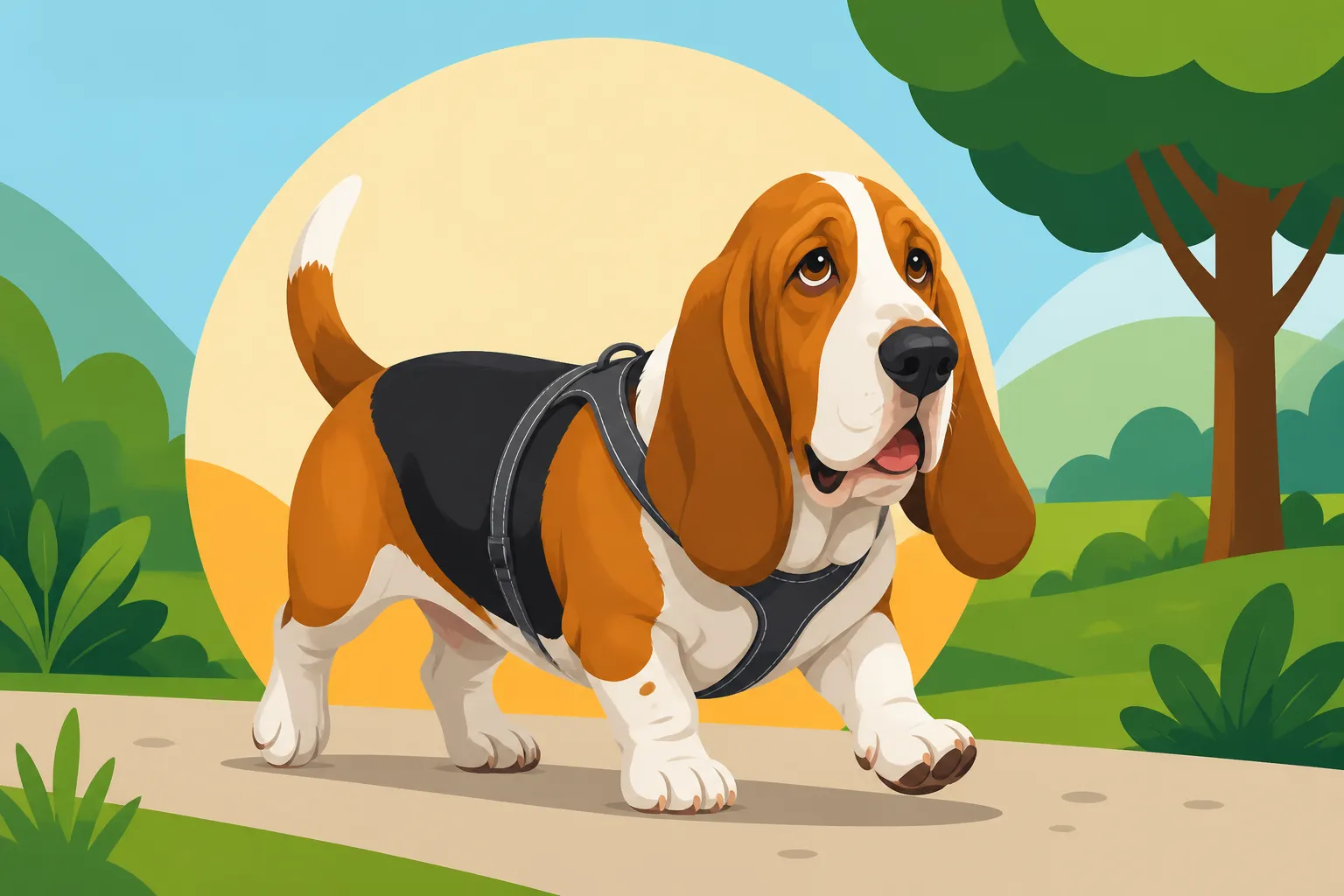
There's a wonderful array of supportive gear available today that can make exercise much more comfortable and safer for senior Basset Hounds. For walks, consider a well-fitting harness rather than a collar, as it distributes pressure more evenly across their chest and shoulders, reducing strain on their neck and back, especially if they tend to pull or have a sudden reaction to a scent. Many models are available on Amazon.
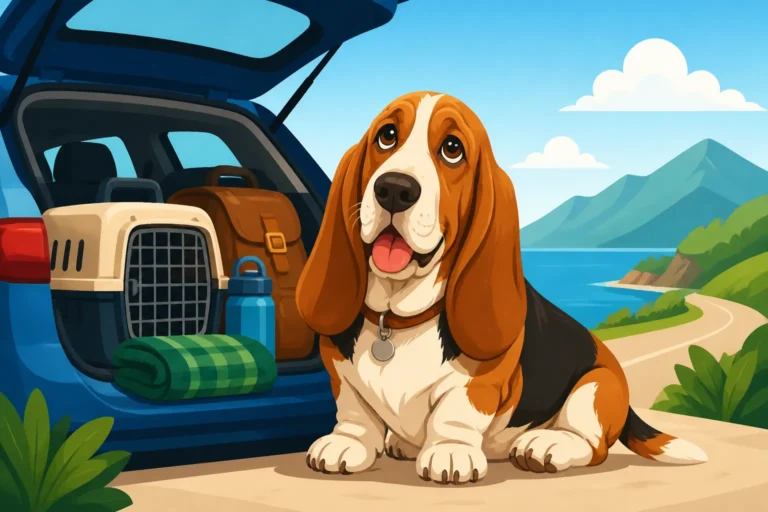
For dogs with significant mobility issues, you might look into supportive slings or even full body harnesses with handles that allow you to help lift or stabilize them as they walk. Car ramps are invaluable for getting them in and out of vehicles without straining their back or making them jump. Orthopedic beds are also non-negotiable for older dogs, providing crucial joint support during rest. Helping an Old Basset Hound Onto the Couch can also involve ramps or steps specifically designed for pets. These aids aren't about making them weaker; they're about empowering them to move more comfortably and independently for longer.
When to Seek Veterinary Guidance for Mobility Changes
It's natural for our Bassets to slow down with age, but some changes in mobility warrant immediate veterinary attention. Knowing when to call the vet can prevent unnecessary suffering and potentially lead to early intervention for treatable conditions.
Recognizing Red Flags and Sudden Declines
While a gradual slowing is typical, sudden or significant changes in your Basset Hound's mobility are red flags. These include: sudden lameness or inability to bear weight on a leg, crying out in pain when touched or moved, severe reluctance to move at all, dragging their paws, or any sudden loss of coordination. These symptoms could indicate an acute injury, a worsening of an underlying condition like intervertebral disc disease (IVDD) which Bassets are prone to, or even a neurological issue.
Don't wait to see if it "gets better on its own." Time is often critical when dealing with spinal issues or severe pain. A prompt veterinary visit can lead to a diagnosis and appropriate pain management or treatment plan, preventing further damage and improving their comfort significantly. It’s always best to be overly cautious than to let your beloved hound suffer in silence. Pay attention to signs like The Old Basset Hound That Cannot Get Off the Floor as a critical indicator.
Discussing Pain Management and Supplements
If your senior Basset Hound is showing signs of chronic joint pain or arthritis, a conversation with your veterinarian about pain management options is essential. This isn't about masking the problem, but about improving their quality of life. Vets can prescribe anti-inflammatory medications that are safe for long-term use in dogs, helping to reduce pain and inflammation. There are also various joint supplements containing ingredients like glucosamine, chondroitin, and MSM that can support joint health and slow the progression of cartilage degradation. Many high-quality options can be found on Chewy or Amazon.
Beyond medication, your vet might recommend other therapies, such as acupuncture, laser therapy, or even formal physical rehabilitation sessions. These can be incredibly effective in improving mobility, reducing pain, and building muscle strength. A holistic approach, combining appropriate exercise, nutrition, supplements, and possibly medication, often yields the best results for keeping your senior Basset Hound comfortable and active. It's about working as a team with your vet to create a tailored care plan.
Maintaining a Balanced Lifestyle for Longevity
Exercise is just one piece of the puzzle when it comes to caring for an old Basset Hound. A truly balanced lifestyle encompasses nutrition, a supportive home environment, and consistent veterinary care, all working together to support their overall health and well-being through their golden years.
The Role of Nutrition in Senior Health
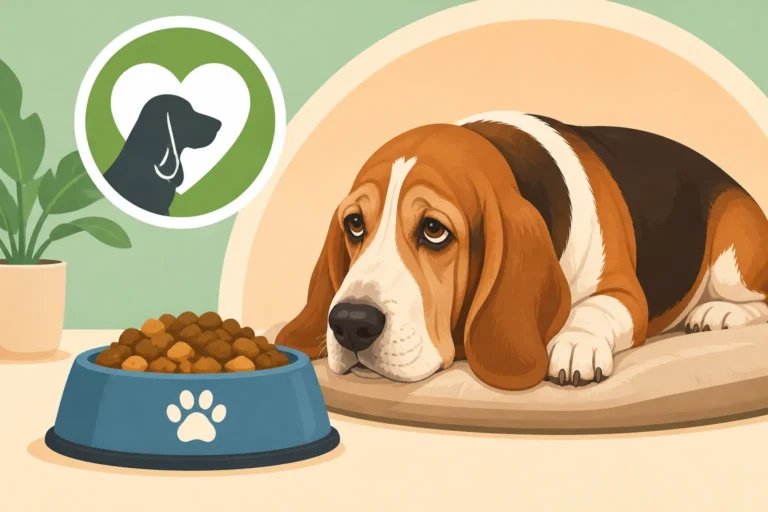
As Basset Hounds age, their nutritional needs change significantly. Their metabolism slows, they may be less active, and their bodies might need different nutrients to support aging organs and joints. Feeding a high-quality senior-specific dog food is often recommended, as these formulas typically have fewer calories to prevent weight gain, adjusted protein levels to support muscle mass, and added joint-supporting supplements like glucosamine and chondroitin. Brands like Ollie offer personalized meal plans that can be adjusted for age and activity level, and many reputable brands found on Chewy have excellent senior formulations.
It’s crucial to prevent obesity, as discussed earlier, but also to ensure they're getting all the necessary nutrients. Consult your veterinarian about the best diet for your individual Basset Hound, taking into account any specific health conditions they might have, such as kidney disease or diabetes. Proper hydration is also vital; always ensure they have access to fresh, clean water. Keeping a Basset Hound at Its Correct Weight is one of the most impactful things you can do for their long-term comfort.
Creating a Comfortable and Accessible Home Environment
Your home should be a sanctuary for your senior Basset Hound, especially as their mobility declines. This means making it as comfortable and accessible as possible. Place non-slip rugs on slippery floors to prevent falls and provide better traction. Invest in an orthopedic dog bed for every area where they like to rest, ensuring maximum support for their joints. Easy access to food and water bowls, perhaps raised bowls to prevent them from stooping too low, can also make a difference.
Consider using pet ramps or steps to help them get onto furniture like sofas or beds, if that's where they usually like to relax. This prevents dangerous jumps that can cause or worsen back and joint injuries. Baby gates can be useful to block off stairs if they're a hazard, or to create safe, contained areas. By making these small adjustments, you’re not just making their life easier; you're actively preventing injuries and helping them maintain their independence and comfort within their own home. Ultimately, it all contributes to What a Basset Hound Needs Every Day to live its best life.
Disclaimer
This article is for general informational purposes only and does not constitute professional advice. Laws, prices and regulations vary by location and change over time. Consult a qualified professional for guidance on your specific situation.