How Far Into a Basset Hound’s Ear You Should Go
It's a common worry for Basset Hound parents, isn't it? You know those magnificent, long ears are prone to trouble, and you're doing your best to keep them clean and healthy. But when you're armed with a bottle of ear cleaner and a cotton ball, it's easy to wonder: how far in should I actually go? This guide is here to tackle that exact question, giving you peace of mind and the practical steps to clean your Basset's ears safely and effectively without risking injury.
Understanding Your Basset Hound's Unique Ear Anatomy
When you're dealing with a Basset Hound's ears, you're not just looking at those impressively long, velvety flaps. Oh no, there's a whole intricate world beneath the surface, and it's this unique anatomy that makes them so susceptible to problems – and why understanding the limits of your cleaning efforts is absolutely crucial.
The Deep and Winding Road of the Basset Ear Canal
Imagine a human ear canal, which is fairly short and straight. Now, picture a "J" shape, or even a twisted "L" – that's closer to what your Basset Hound's ear canal looks like. It starts vertically, takes a sharp turn, and then continues horizontally towards the eardrum. This deep, narrow, and often moist environment is a veritable playground for bacteria and yeast, especially when those heavy ear flaps cover the opening, restricting air circulation. This isn't just a minor design quirk; it's a significant factor in why our beloved Bassets are so prone to chronic ear issues. The Ear Infections That Never Really Leave a Basset Hound explains this in more detail.
Because of this complex structure, debris, wax, and moisture can easily get trapped in the horizontal portion of the canal, far beyond what you can see from the outside. When a Basset Hound's ear canal never dries, it creates the perfect warm, damp breeding ground for all sorts of unwelcome guests. This trapped gunk, coupled with the lack of ventilation, means that even a little bit of overlooked grime can quickly escalate into a full-blown, painful infection. It's a constant battle, and one that highlights why gentle, consistent care is so important, and why knowing your limits prevents you from accidentally pushing problems further inward.
What You Can Actually See and What You Can't
The part of your Basset's ear you can easily see is called the external ear canal. This includes the pinna (the long, floppy ear flap itself) and the visible opening leading into the ear. You can often see a short distance down into the vertical canal, perhaps an inch or so, depending on how you hold the ear. Beyond that visible curve, however, lies the horizontal canal, which is completely out of your direct line of sight.
It’s easy to feel like you need to "get in there" to do a proper job, but that's where the danger lies. Even with a flashlight, you're not going to see the eardrum, and attempting to probe deeper with anything other than a veterinary otoscope is asking for trouble. What looks like a simple passage to you is actually a delicate, winding tunnel with a fragile eardrum at the very end. Your visual inspection should be limited to the parts you can comfortably observe, looking for redness, swelling, or discharge, rather than trying to see the entire depth of the canal. Knowing What to Look For Inside a Basset Hound's Ear can guide your visual checks.
The Golden Rule: How Far is Too Far?
This is the absolute cornerstone of safe Basset Hound ear care, and it's something I can't stress enough: less is more. When it comes to cleaning those precious ears, your reach should always be limited to what you can clearly see and access without force or discomfort for your dog.
Sticking to the Visible Outer Ear
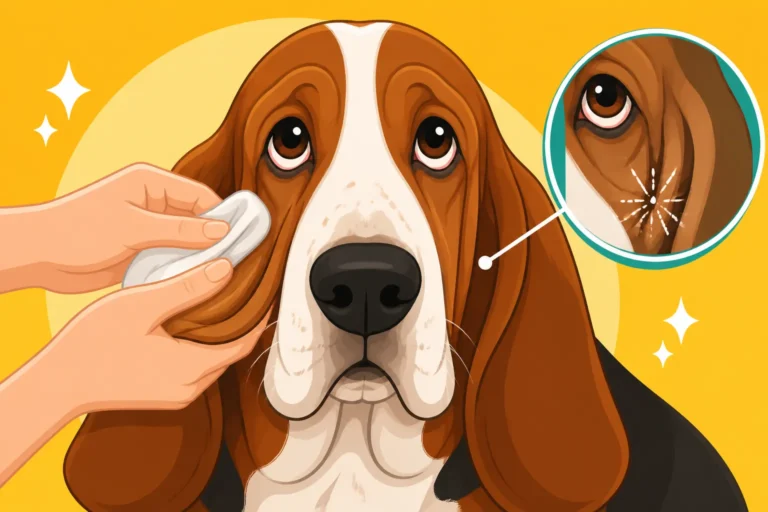
Think of ear cleaning as tending to the entryway of a house, not scrubbing every room within. Your focus should be on the parts of the ear you can comfortably see and wipe. This includes the inside surface of the ear flap (the pinna), the folds and crevices around the opening of the ear canal, and the very beginning of the vertical canal – typically no more than your fingertip can reach, if even that, when covered with a soft cloth or cotton ball.
The goal here is to remove superficial wax, dirt, and any discharge that has made its way out. You're trying to prevent accumulation at the entrance, which could then migrate deeper into that tricky "J" shaped canal. When you're using a liquid ear cleaner, the cleaner itself will do the work of breaking down wax deeper inside as it wicks down and then gets shaken out by your Basset. Your physical wiping action is really just for the parts you can see and gently touch. Trying to manually scrub deeper can actually irritate the sensitive skin, push debris further down, or even damage the delicate structures within the ear.
The Danger of Going Deeper
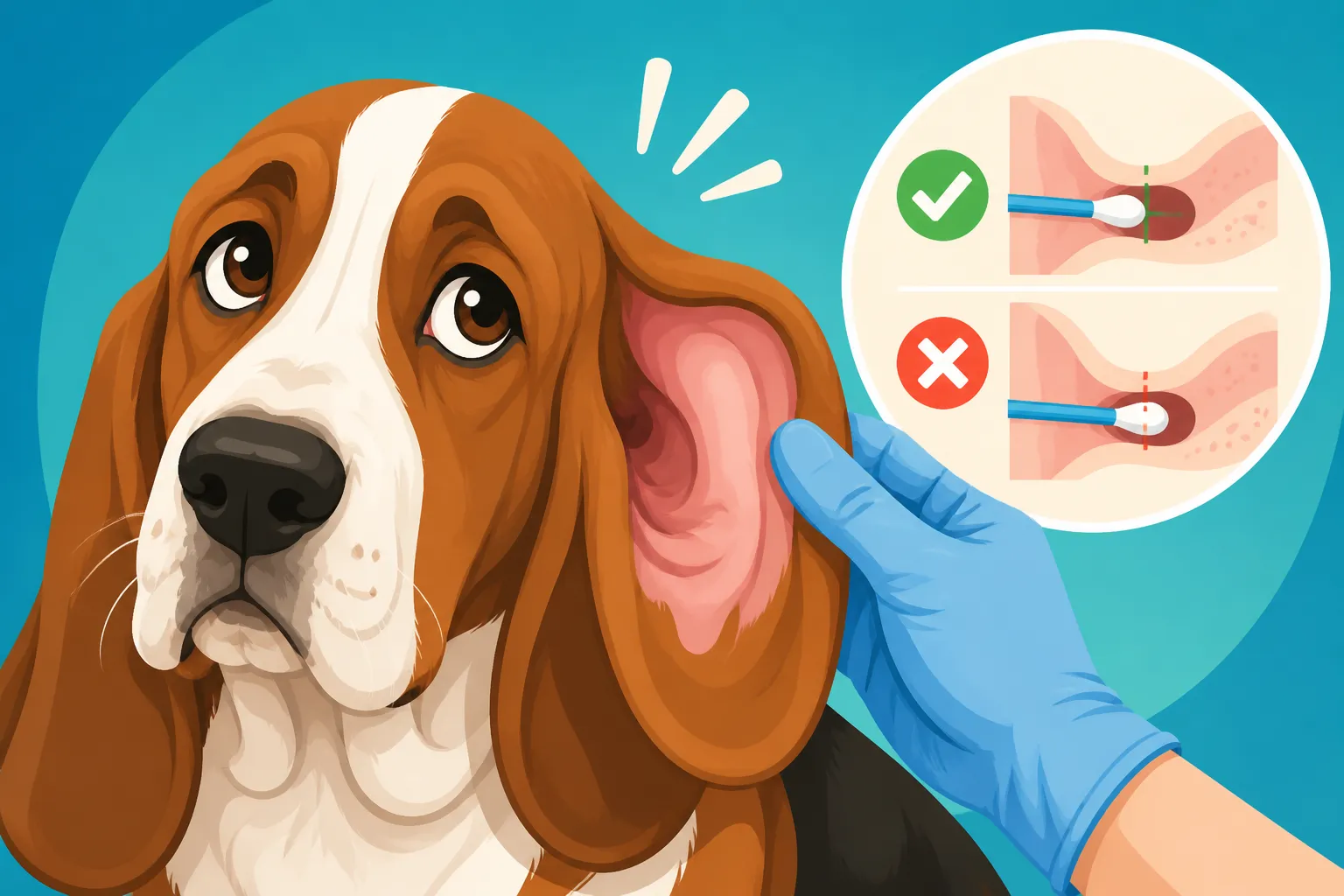
This is where many well-meaning pet owners can inadvertently cause harm. The biggest culprit? Cotton swabs, or "Q-tips." While they might seem perfect for reaching into small spaces, they are an absolute no-go for a Basset Hound's ear canal. That curved, narrow canal means a cotton swab cannot reach the eardrum safely, and instead, it acts like a plunger, compacting wax, dirt, and debris further down towards the eardrum. This not only makes infections more likely but also makes them much harder for a vet to treat.
Beyond pushing debris, there's a real risk of physical trauma. The eardrum is incredibly delicate, and even a slight poke or scrape with a cotton swab or any other foreign object can cause a rupture, leading to immense pain, hearing loss, and serious secondary infections. Even if you don't puncture the eardrum, you can scratch the lining of the ear canal, creating micro-abrasions that are perfect entry points for bacteria, turning a simple cleaning into a potential medical emergency. Your Basset relies on you to protect them, and that means resisting the urge to delve into the unseen depths of their ears.
Tools and Techniques for Effective, Safe Ear Cleaning
Okay, so we know not to go too deep. But how do we actually clean those wonderful, floppy Basset ears effectively and safely? It's all about having the right tools and following a gentle, consistent technique.
Choosing the Right Ear Cleaner and Supplies
First things first, forget the water, hydrogen peroxide, or rubbing alcohol. These can irritate your Basset's sensitive ear canal, strip natural protective oils, or simply not be effective against the specific types of gunk found in dog ears. You need a veterinary-approved ear cleaner specifically formulated for dogs. These cleaners are typically pH-balanced and contain ingredients designed to dissolve wax, dry the ear canal, and sometimes include mild antiseptic agents to help prevent bacterial and yeast overgrowth. There are so many great options out there; you can find excellent choices on platforms like Chewy or Amazon.
When choosing a cleaner, look for one that is described as "drying" if your Basset is prone to moisture-related issues, or "wax-dissolving" if you notice a lot of waxy buildup. Some popular brands offer gentle, effective formulas. You'll also need soft cotton balls or gauze pads – steer clear of cotton swabs for insertion into the canal, as we've discussed. Having plenty of treats on hand is also a must, both to make the experience positive and to reward your Basset for tolerating the process. Which Ear Cleaner Suits a Basset Hound can offer more specific recommendations.
Step-by-Step Safe Cleaning Method
Now for the nitty-gritty. This process should be calm, gentle, and as positive an experience as possible for your Basset Hound. If they associate ear cleaning with discomfort or fear, it’ll be a battle every time. Teaching a Basset Hound to Tolerate Ear Cleaning covers making it a positive experience.
- Gather Your Supplies: Have your ear cleaner, cotton balls/gauze, and treats ready. Find a quiet, well-lit spot where you and your Basset can be comfortable.
- Position Your Basset: Have your dog sit or lie down, whatever is most comfortable for them and allows you easy access to their ear. Many Bassets are surprisingly cooperative when they know treats are involved!
- Lift the Ear Flap: Gently lift and hold the long ear flap straight up and back, exposing the ear canal opening. This helps open the vertical canal as much as possible.
- Apply the Cleaner: Carefully insert the nozzle of the ear cleaner bottle into the very top of the ear canal opening. Do not push it deep. Give a good squeeze to fill the ear canal with the cleaning solution. You'll likely hear a squishing sound.
- Massage the Base of the Ear: This is the critical step for getting the cleaner to work. With the ear flap still held up, gently but firmly massage the base of your Basset's ear for about 30 seconds. You should hear that satisfying squishing sound as the liquid moves around and breaks up debris deep inside. This massage encourages the cleaner to reach all those nooks and crannies in the "J" shaped canal.
- Allow Your Basset to Shake: Let go of the ear flap and step back. Your Basset will almost certainly shake their head vigorously – this is exactly what you want! The shaking action helps to dislodge the loosened wax and debris, bringing it up and out of the ear canal. Be prepared, as some gunk might fly!
- Wipe the Visible Parts: After the shaking, take a clean cotton ball or gauze pad and gently wipe out any visible dirt, wax, or discharge from the inside of the ear flap and the immediate opening of the ear canal. Remember, only wipe what you can see. Do not try to push the cotton ball deep into the canal. Change cotton balls as needed until no more visible debris comes out.
- Repeat for the Other Ear: Follow the same steps for the second ear.
- Reward Generously: Finish with lots of praise and plenty of those delicious treats! Make it clear that they were a good dog.
Remember, consistency is key. Following How Often a Basset Hound's Ears Must Be Cleaned diligently can prevent many issues.
When to Call in the Professionals (and Why)
As much as we adore our Bassets and want to provide all their care ourselves, there are definite limits to home ear cleaning. Knowing when to escalate the situation to a veterinarian isn't just wise; it's essential for your Basset's health and comfort.
Recognizing Signs of Deeper Trouble
You might be diligently cleaning your Basset's ears, but sometimes, despite your best efforts, signs of a deeper problem can emerge. These are your cue to put down the ear cleaner and pick up the phone to your vet. Look for things like a strong, foul odor coming from the ear – not just a 'doggy ear' smell, but something distinctly yeasty, sweet, or putrid. Excessive scratching or pawing at the ears, head shaking that seems constant, or a painful reaction when you try to touch their ear are also huge red flags. If you see persistent redness, swelling, or any discharge that is yellow, green, or thick and black, especially if it returns quickly after cleaning, it's a clear sign of an active infection.
Another thing to watch for is a change in behavior, such as lethargy, loss of appetite, or an unwillingness to play, which can all indicate pain. If your Basset holds their head tilted to one side, or if one ear flap feels hotter than the other, these are also serious indicators. Never try to self-diagnose or treat a suspected infection with home remedies or old medications. The wrong treatment can make things much worse, particularly if the eardrum is compromised. The Signs a Basset Hound's Ear Has Gone Bad offers more guidance on what to look for.
The Vet's Role in Deep Ear Cleaning and Diagnosis
Your veterinarian has tools and expertise that you, as a loving owner, simply don't. When you bring your Basset in with suspected ear issues, the vet will use an otoscope – a specialized instrument with a light and magnification – to examine the entire ear canal, all the way to the eardrum. This allows them to see the extent of any inflammation, identify foreign bodies, assess the integrity of the eardrum, and determine the type of infection present.
They'll often take a sample of the ear discharge for cytology, examining it under a microscope to identify whether the culprits are bacteria, yeast, or mites. This is crucial because different types of infections require different medications. Based on their findings, they can then prescribe appropriate ear drops or oral medications that directly target the problem. In some severe cases, a veterinary deep ear flush might be necessary under sedation to thoroughly clean out impacted debris. Sometimes, issues can be so persistent or severe that Whether a Basset Hound Needs Ear Surgery becomes a consideration. Trust your vet's judgment; they are your best partner in keeping your Basset's ears healthy.
Do's and Don'ts of Basset Hound Ear Cleaning
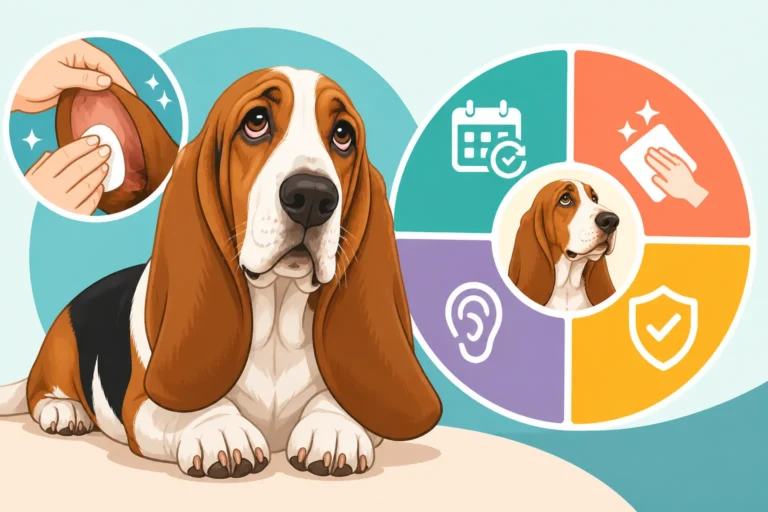
To make things easy, here's a quick summary of what to keep in mind when caring for your Basset's precious ears.
| Aspect | Do | Don't |
|---|---|---|
| Cleaning Depth | Wipe only what you can visibly see and comfortably reach. | Insert cotton swabs, fingers, or any objects deep into the ear canal. |
| Cleaning Solution | Use veterinary-approved ear cleaners for dogs (e.g., from Chewy, Amazon). | Use water, hydrogen peroxide, rubbing alcohol, or human ear drops. |
| Technique | Massage the base of the ear after applying cleaner. Allow head shaking. | Scrub vigorously inside the canal. Force your dog to remain still if they want to shake. |
| Frequency | Clean regularly as advised by your vet or for prevention. | Over-clean (can cause irritation) or neglect cleaning entirely. |
| Tools | Use soft cotton balls or gauze pads. | Use cotton swabs (Q-tips) for inside the ear canal. |
| Observation | Regularly check for signs of infection: odor, redness, discharge. | Ignore persistent scratching, head shaking, or pain. |
| Professional Help | Consult your vet if you suspect an infection or chronic issues. | Attempt to treat suspected infections yourself with unprescribed medications. |
| Behavior | Keep the experience positive with treats and praise. | Make ear cleaning a stressful or painful ordeal for your Basset. |
Remember, your Basset Hound relies on you to be their advocate. Understanding the delicate nature of their ears and knowing your limits when it comes to cleaning them is one of the most loving and responsible things you can do for them. Happy cleaning, and may your Basset's ears stay healthy and sweet-smelling!
Disclaimer
This article is for general informational purposes only and does not constitute professional advice. Laws, prices and regulations vary by location and change over time. Consult a qualified professional for guidance on your specific situation.