When a Basset Hound Moves to Adult Food
It's a common question that pops up in every Basset Hound owner's mind: when exactly do you switch your adorable, clumsy puppy over to adult dog food? It feels like one minute they're a tiny bundle of wrinkles, and the next they're a lanky, growing teenager, and the bag of puppy kibble seems to last forever. Getting this transition right is more important than you might think, especially for a breed like the Basset Hound with their unique growth patterns and predisposition to certain joint issues. This guide is here to walk you through the nuances of recognizing when your Basset Hound is truly ready for adult food, and how to make that change as smoothly as possible for their health and happiness.
Understanding Puppy Growth Stages in Basset Hounds
Basset Hounds, while not giant breeds, are certainly not small dogs, and their growth journey is a bit different from a tiny terrier. They have a significant amount of bone and muscle to develop, and their distinctive short legs and long backs mean their skeletal development needs careful consideration. This isn't a race to grow as fast as possible; it's a marathon.
The Rapid Early Months
When your Basset Hound is just a little pup, say up to about six months old, they are in a period of incredibly rapid growth. Think of it like a human baby in their first year – everything is expanding quickly, from their bones to their internal organs. During this time, puppy food is absolutely essential. It's packed with higher levels of protein and fat to fuel this intense development, and it also contains a specific balance of calcium and phosphorus. This balance is critical for proper bone formation, and getting it wrong can have long-term consequences, particularly for a breed prone to joint issues.
During these early months, your Basset Hound is burning through calories at an astonishing rate, even if they seem to spend a lot of time napping. Every bite of that puppy food is going directly into building their foundational structure. It's not just about getting bigger; it's about forming strong, healthy bones and tissues that will support their unique body type for years to come. Skipping out on proper puppy nutrition during this phase is a disservice to their future well-being.
The Adolescent Phase
After the initial burst of growth, usually around six months of age, your Basset Hound enters their adolescent phase. This period can last quite a while, often until they are 12 to 18 months old, and sometimes even a little beyond for true physical maturity. While they might look like full-grown dogs to the untrained eye, especially their length and depth, their skeletal system is often still maturing and solidifying. They may not be getting taller at the same rate, but their bones are still thickening, and their muscle mass is increasing.
During this adolescent time, their calorie needs will start to decrease slightly compared to their peak puppy growth, but they still require more energy and specific nutrients than a fully mature adult Basset Hound. Their activity levels might also be a bit erratic – one day they’re tearing around the yard, the next they’re acting like a furry, four-legged rug. It’s a tricky balance, and it’s why rushing the transition to adult food can be problematic. They still need that crucial support for healthy development, just in a slightly different ratio than when they were tiny. You might observe them filling out rather than growing up, which is a good sign they are heading towards maturity. Whether a Basset Hound Fills Out After Two discusses this further.
Why the Timing of Transition Matters for Basset Hounds
For a breed with the Basset Hound's distinctive physique, the timing of moving to adult food is more than just a casual decision; it's a critical component of their long-term health. Their long back, short bowed legs, and heavy bone structure make them particularly susceptible to certain orthopedic challenges if their growth isn't managed correctly.
Nutritional Needs: Puppy vs. Adult Food
The fundamental difference between puppy food and adult food lies in their nutritional composition. Puppy formulas are designed with higher protein and fat content to support rapid growth and energy demands. More importantly for breeds like the Basset, they also contain higher levels of calcium and phosphorus, and a precise ratio between these two minerals, which is vital for proper bone development. Imagine building a house – puppy food provides the high-quality, fast-setting concrete needed for the foundation.
Transitioning too early can mean your Basset Hound isn't getting the necessary building blocks to properly form their bones and joints. This can lead to weaker structures, potentially exacerbating issues they are already predisposed to. On the flip side, keeping them on high-calorie puppy food for too long after their rapid growth phase can lead to them becoming overweight. What Extra Weight Does to a Basset Hound is a read worth your time. Overfeeding, especially with food designed for intense growth, provides excess calories and can result in unwanted rapid growth spurts in their bones, which can be just as detrimental as growing too slowly. It’s a delicate balance to strike, but one that is absolutely essential for a healthy Basset Hound.
Impact on Bone and Joint Development
This is where the Basset Hound's unique conformation truly comes into play. Their heavy bones and short legs mean their joints carry a significant load. Conditions like Elbow Dysplasia in a Basset Hound and The Back Trouble a Basset Hound Is Built Into are unfortunately common in the breed. Proper nutrition during development is a cornerstone of minimizing the risk and severity of these issues.
Puppy food, particularly large breed puppy formulas (which a Basset Hound often benefits from, despite their medium size in terms of height, due to their bone structure and adult weight), is formulated to support a steady, controlled growth rate. This slow and steady approach is paramount. If a puppy grows too quickly, their bones and cartilage may not have enough time to properly solidify and mature, leading to weaker joints that are more prone to injury and degenerative conditions later in life. Switching to adult food too soon deprives them of essential nutrients for this critical development, while switching too late can lead to excessive growth and weight gain, putting undue stress on immature joints. The goal is a gradual, consistent maturation that allows their unique skeletal system to develop robustly, preparing them for a long, comfortable life. Whether a Basset Hound Puppy Should Grow Slowly elaborates on this important concept.
When to Make the Switch: Key Indicators and Guidelines
Deciding the exact moment to transition your Basset Hound to adult food can feel a bit like a guessing game, especially when every dog is an individual. However, there are some clear indicators and general guidelines that can help you make an informed decision.
Age as a General Guideline
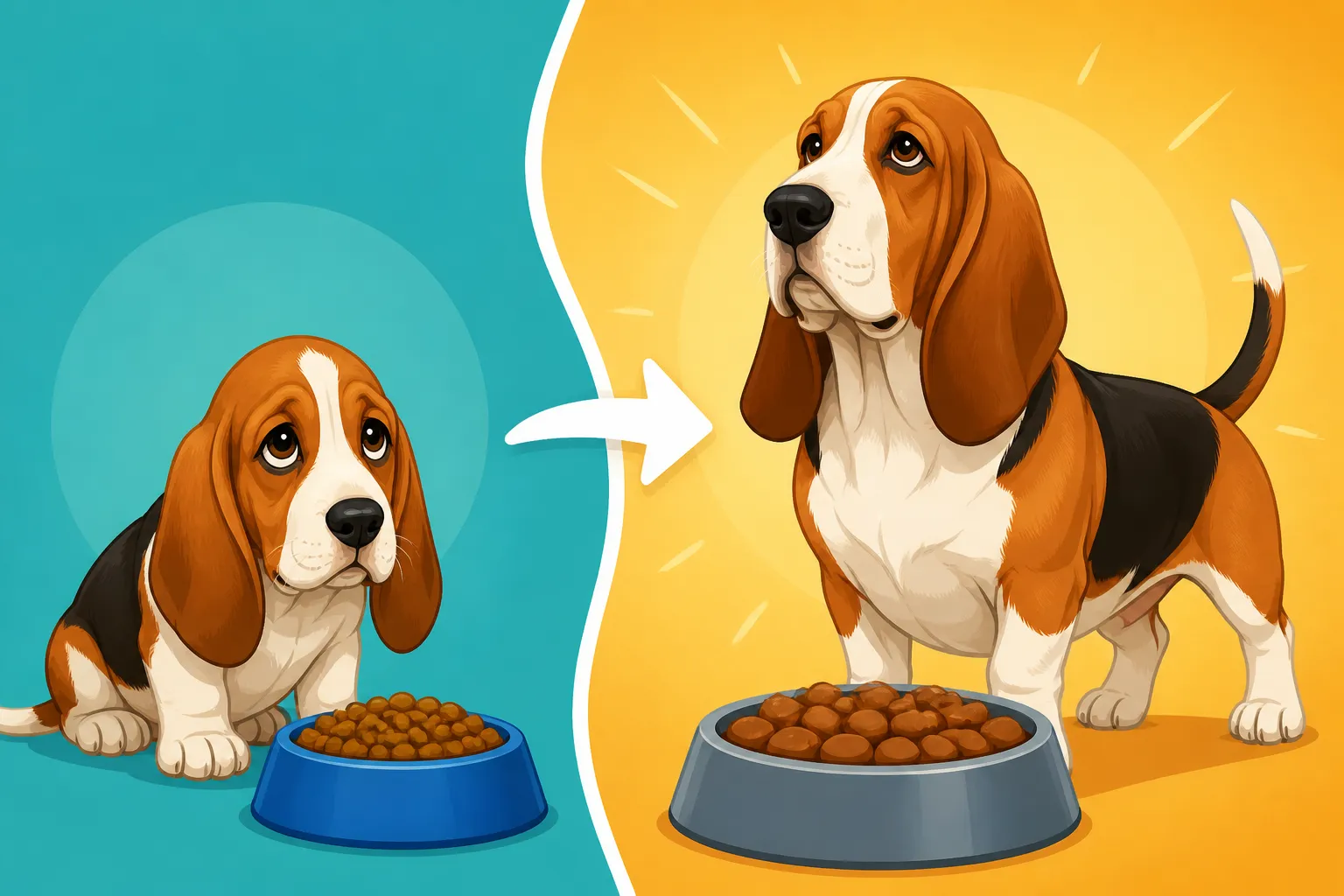
For many breeds, a general rule of thumb is to switch to adult food around 12 months of age. For Basset Hounds, who are considered a medium to large breed in terms of bone structure and adult weight, this window often extends a bit further, usually between 12 and 18 months. Some owners even wait until closer to 18 months, especially for males, who may take a little longer to fully mature and fill out.
It's important to remember that this is a guideline, not a strict deadline. Your Basset Hound's individual rate of maturation can vary. Factors like genetics, overall health, and even activity level can influence when they reach a point where puppy food's intense calorie and nutrient profile is no longer beneficial. You're looking for signs that they've completed their significant growth phases and are now maintaining rather than rapidly building. A good reference point is knowing The Age a Basset Hound Reaches Full Size, which can sometimes surprise owners expecting them to be done sooner.
Physical Maturity Cues
Beyond just their calendar age, paying close attention to your Basset Hound's physical development is crucial. You're essentially looking for signs that they've 'finished' growing up and are now just filling out.
- Reaching Adult Height: Observe if your Basset Hound has reached their maximum height. While their legs are naturally short, you can tell when they're no longer getting taller at the shoulder.
- Weight Stabilization: Is their weight relatively stable, or are they still rapidly gaining? You want to feel their ribs without seeing them, and they should have a discernible waist when viewed from above. If they're gaining weight rapidly while on puppy food without significant increases in height, it might be a sign they're getting too many calories for their current growth needs. How Much a Basset Hound Should Weigh offers more insight here.
- Filling Out: Instead of lengthening or growing upwards, you'll notice them "filling out." This means their muscles are developing, and they're gaining their adult body mass, rather than skeletal growth. This stage can continue for some time after primary bone growth has finished.
- Changes in Energy Levels: While Basset Hounds aren't typically known for boundless energy, you might notice a shift from the more sporadic, intense bursts of puppy play to a more consistent, perhaps slightly mellower, energy level.
Consulting Your Veterinarian
Without a doubt, the single best resource for guiding your Basset Hound's transition to adult food is your veterinarian. They have a comprehensive understanding of your individual dog's health history, growth trajectory, and breed-specific needs. During your routine check-ups, especially as your Basset approaches that 12 to 18-month mark, your vet will be assessing their body condition, weight, and overall development.
Your vet can provide personalized recommendations based on their observations. They might suggest a specific timeframe, advise on a particular type of adult food (perhaps a large-breed specific formula or one geared towards weight management if they're a bit chunky), or even identify any underlying health factors that might influence the transition. Never hesitate to bring up your concerns about feeding and nutrition during these visits. Their professional advice ensures that your Basset Hound gets the best possible start into their adult life, minimizing risks associated with improper feeding at this crucial developmental stage.
The Transition Process: Smooth Sailing for Sensitive Stomachs
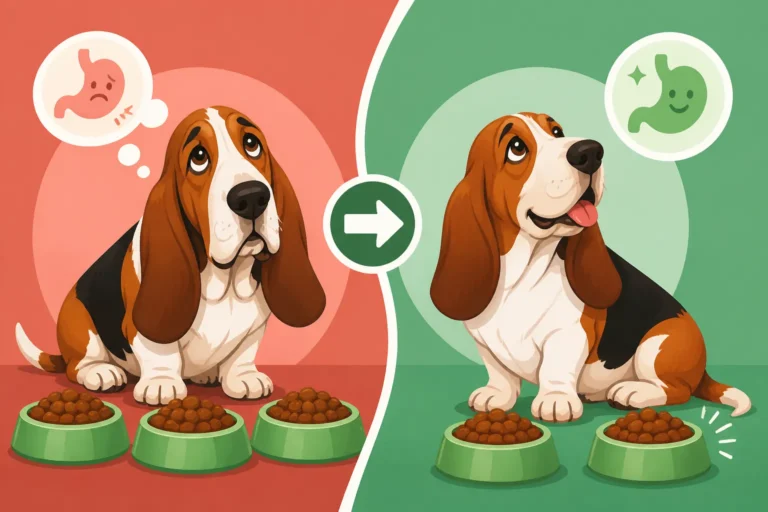
Once you've decided it's time to make the switch, don't just dump out the old food and pour in the new. Basset Hounds, like many breeds, can have sensitive digestive systems, and an abrupt change can lead to upset tummies, which is no fun for anyone. A gradual transition is key to a happy, healthy Basset.
Gradual Introduction of New Food
A slow, steady introduction of new food over about a week is the gold standard for avoiding digestive upset. This gives your Basset Hound's digestive system time to adjust to the new ingredients and nutritional profile. Here’s a typical schedule you can follow:
- Days 1-2: Start by mixing about 25% new adult food with 75% of their old puppy food. Keep an eye on their appetite, stool consistency, and general demeanor. If everything seems fine, proceed.
- Days 3-4: Increase the new food to 50% and reduce the old food to 50%. Continue to monitor for any signs of discomfort like diarrhea, vomiting, or a lack of interest in eating.
- Days 5-6: Move to 75% new adult food and just 25% old puppy food. At this point, if they've handled the previous steps well, you're almost there!
- Day 7 and Beyond: If your Basset Hound has had no issues, you can now feed 100% adult food.
During this whole process, ensure they have constant access to fresh water. If at any point you notice significant digestive issues, slow down the transition or consult your vet. Some Basset Hounds really do have Whether a Basset Hound Has a Sensitive Stomach, and a slower approach might be necessary. It’s better to take an extra few days than to deal with a very unhappy pup and a messy situation!
Choosing the Right Adult Food
Selecting the right adult food for your Basset Hound goes beyond just finding a bag labeled "adult." Given their unique body structure and propensity for weight gain, making an informed choice is vital.
Firstly, consider a "large breed" adult formula, even though Basset Hounds aren't typically considered truly large in height. These formulas are often designed with a slightly lower calorie density and a specific mineral balance to continue supporting joint health and prevent excessive growth, which is beneficial for a heavy-boned breed. You want to avoid foods that promote rapid weight gain, as maintaining a lean body condition is paramount for protecting their joints and spine. Keeping a Basset Hound at Its Correct Weight is one of the most important aspects of their long-term health.
Secondly, look for reputable brands. There are many excellent options available on platforms like Chewy or Amazon, offering a wide range of ingredients and formulations. If you're exploring fresh food options, a service like Ollie might be of interest. Always check the ingredient list for high-quality protein sources as the primary ingredient and avoid excessive fillers. Different Basset Hounds may thrive on different formulas, so don't be afraid to try a few options if the first choice doesn't seem to agree with your dog or if their coat isn't as shiny as it should be. Reading reviews from other Basset Hound owners can sometimes offer helpful insights, but remember that individual needs vary.
Finally, discuss your food choices with your veterinarian. They can help you sift through the marketing claims and ensure the food you choose aligns with your Basset Hound's specific needs and health profile. What How Much a Basset Hound Should Eat daily will also change with their adult food, so be sure to adjust portion sizes accordingly to prevent them from becoming overweight.
| Aspect | Puppy Food | Adult Food |
|---|---|---|
| Protein Content | Higher (25-30%) for muscle/tissue growth | Moderate (18-25%) for maintenance |
| Fat Content | Higher (15-20%) for energy and development | Moderate (10-15%) for sustained energy |
| Calcium/Phosphorus | Higher levels, precise ratio for bone growth | Balanced levels for bone maintenance |
| Calorie Density | Higher, to fuel rapid growth | Moderate, to prevent obesity |
| Purpose | Supports rapid growth, development, high energy | Maintains health, energy, and ideal weight |
| For Basset Hounds | Essential for skeletal development (up to 18 mos) | Critical for joint health & weight management (18 mos+) |
Disclaimer
This article is for general informational purposes only and does not constitute professional advice. Laws, prices and regulations vary by location and change over time. Consult a qualified professional for guidance on your specific situation.