Whether a Basset Hound Needs Its Teeth Brushed
It's a common misconception, isn't it? Many of us grew up thinking that dogs just… handle their teeth. They gnaw on bones, eat kibble, and that's supposed to be enough, right? But if you've ever gotten a whiff of your beloved Basset Hound's breath, or peered into their often-crowded mouth, you might start to suspect otherwise. The truth is, ignoring your Basset's dental hygiene isn't just about tolerating bad breath; it can lead to serious health issues and a lot of unnecessary discomfort for them. This guide is here to walk you through why dental care, including brushing, is absolutely essential for your Basset Hound, and how you can tackle this sometimes challenging but incredibly important task.
The Harsh Reality of Canine Dental Health
Let's be frank: canine dental health is often overlooked until there's a problem, and by then, your Basset Hound might already be in significant pain. It's not just a minor issue; dental disease is one of the most common health problems veterinarians see in dogs, and Basset Hounds, with their unique oral structure, are often at a higher risk. Understanding the progression of this disease is key to appreciating why proactive care is so critical.
Why Dental Disease Isn't Just "Bad Breath"
When we talk about "bad breath" in dogs, we're usually talking about halitosis, which is often a tell-tale sign of underlying dental issues. It starts subtly. Every time your Basset Hound eats, tiny food particles combine with bacteria in their mouth to form plaque. This plaque is soft and easily removed by brushing. However, if it's not removed, it quickly hardens into tartar, a cement-like substance that stubbornly clings to the tooth surface. Once tartar forms, you can't simply brush it away; it requires professional removal.
The real trouble begins when tartar accumulates, pushing up against the gum line. This leads to gingivitis, an inflammation of the gums that causes redness, swelling, and sometimes bleeding. If left unchecked, gingivitis progresses to periodontal disease, a much more serious condition where the inflammation spreads beneath the gum line, destroying the supporting structures of the teeth. This can lead to painful gum recession, bone loss around the teeth, and eventually, tooth mobility and loss. Imagine living with that constant, aching pain in your mouth – it's no different for our Bassets. Furthermore, the bacteria from severe periodontal disease can enter the bloodstream and travel to other organs, potentially causing serious issues with the heart, kidneys, and liver. It’s a silent, insidious threat to their overall well-being.
Basset Hounds: Uniquely Prone to Dental Woes
Our floppy-eared friends are undeniably charming, but their distinctive appearance comes with some anatomical quirks that unfortunately make them more susceptible to dental problems. While their snouts are long, the shape of their jaw often means their teeth are more crowded than they ideally should be. Those broad, heavy heads and sometimes disproportionate jawlines can lead to rotations and overlaps in their teeth, creating perfect little nooks and crannies where food particles and bacteria love to hide, out of reach of any natural cleaning action.
Moreover, Basset Hounds are often known for their prodigious drooling. While a little slobber is part of the charm, excessive drool can contribute to the rapid buildup of plaque and tartar, especially on the outer surfaces of their teeth. The moisture and the minerals in saliva can essentially accelerate the calcification process, turning soft plaque into hard tartar even faster. This combination of crowded teeth, a predisposition to drooling, and that signature 'jowly' mouth means that Basset Hounds really do need more focused and consistent dental care than many other breeds. It’s not just an aesthetic thing; it’s a necessary part of keeping them healthy and comfortable throughout their The Ten to Twelve Years a Basset Hound Lives.
Understanding the Symptoms: When Your Basset Hound's Teeth Are Crying for Help
It can be tough to tell when your Basset Hound is hurting, especially with something as seemingly minor as a toothache. They're masters of stoicism, often hiding pain until it becomes unbearable. However, there are both visible and behavioral cues that, once you know what to look for, can signal that their dental health is in distress and that their teeth are genuinely crying out for help.
The Visible Red Flags
The easiest and often first sign many owners notice is that infamous bad breath. While no dog has "minty fresh" breath, a truly foul, rotting odor, often described as a smell you could practically taste, is a strong indicator of bacterial overgrowth and infection in the mouth. Don't dismiss it as just "dog breath" – it's usually a symptom. Next, try to get a peek at their gums. Healthy gums should be a salmon pink color, firm, and snugly around the teeth. If you see gums that are red, swollen, or appear to be receding from the tooth surface, that’s a clear sign of inflammation and potential periodontal disease.
As the disease progresses, you'll start to notice visible tartar buildup. This appears as a yellowish-brown or even black crust on the surface of the teeth, especially around the gum line. It’s often most apparent on the canine teeth and the large molars towards the back. You might also notice bleeding when your Basset chews a toy, or even just when you try to examine their mouth. In advanced cases, you might even see loose teeth or missing teeth, which are undeniable indicators of severe dental disease that has likely been present for a long time. These aren't just cosmetic issues; they represent significant pain and potential infection.
Behavioral Clues That Indicate Pain
Since your Basset Hound can't tell you their tooth hurts, you need to be a detective and observe their behavior. One of the most common subtle signs is a change in eating habits. They might suddenly be reluctant to eat dry kibble, preferring softer foods, or they might chew only on one side of their mouth. You might see them approach their food bowl with enthusiasm, only to drop food repeatedly or chew very slowly and carefully. This often points to pain when biting down or chewing.
Other behavioral changes can include pawing at their mouth or rubbing their face against furniture or the floor, as if trying to relieve discomfort. You might notice increased drooling, or even drooling with a reddish tint if their gums are bleeding. Sometimes, a Basset Hound in dental pain might become more irritable or withdrawn, especially when you try to touch their face or head. Imagine having a constant toothache – it would make you grumpy too! If your normally happy-go-lucky Basset suddenly seems less enthusiastic about their favorite chew toy, or shies away from head pats, it's worth a dental check. These are often the first, quiet warnings that something is seriously wrong in their mouth and that prompt veterinary attention is needed. Dental disease is a painful condition that needs addressing.
The Indispensable Role of Tooth Brushing
So, after learning about the grim realities of dental disease, you might be wondering, "What's the absolute best thing I can do?" The answer, unequivocally, is tooth brushing. Just like in humans, regular, mechanical removal of plaque is the most effective way to prevent tartar buildup and keep those pearly whites healthy. It's the gold standard for a reason.
Why Brushing is the Gold Standard for Prevention
Think of it this way: everything else – dental chews, water additives, special diets – works around the problem or helps a little. Brushing directly addresses the root cause by physically scrubbing away the soft plaque before it has a chance to harden into tartar. Plaque forms daily, so daily or at least every-other-day brushing is truly your Basset Hound's best defense against the onset and progression of periodontal disease. It's about consistency, not just occasional efforts.
When you brush your Basset's teeth, you're not just cleaning the visible surfaces. You're also gently massaging their gums, which helps promote healthy circulation and can reduce inflammation. This active, mechanical action is far superior to any passive method. It's proactive prevention that saves your Basset Hound from pain and potentially saves you from expensive veterinary dental procedures down the line. It really is the single most impactful thing you can do at home to contribute to their long-term oral health and prevent severe conditions that can lead to The Old Basset Hound That Cannot Get Off the Floor due to pain.
Tools of the Trade: What You'll Need
Before you dive in, you need the right equipment. First and foremost, you absolutely must use toothpaste designed specifically for dogs. Human toothpaste contains fluoride and other ingredients that are toxic if swallowed, and your Basset will swallow it. Dog toothpastes come in appealing flavors like poultry, beef, or peanut butter, which can make the experience much more palatable for your hound. You can find a good selection of these on platforms like Chewy or Amazon.
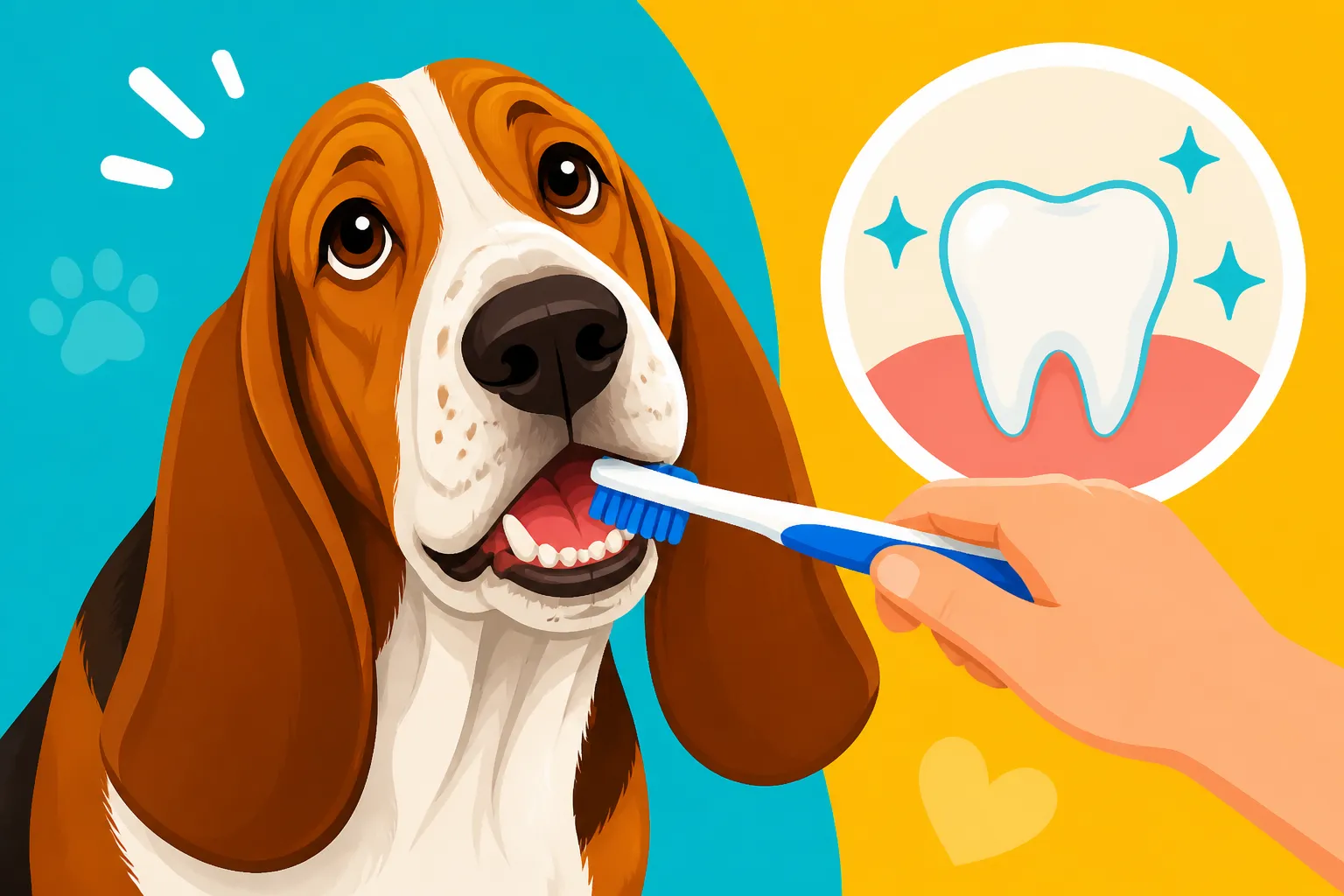
For the brush itself, you have a few options. A finger brush, which slips over your finger, is often a great starting point, as it gives you a direct feel for their teeth and gums and can be less intimidating for a dog. As your Basset gets more comfortable, you might transition to a dog-specific toothbrush with an angled head and softer bristles, designed to reach all those unique contours in a dog's mouth. Some brushes even have multiple heads to clean different surfaces at once. If your Basset Hound is particularly resistant to a full brush, dental wipes or gauze wrapped around your finger can be a good intermediate step, offering some abrasive action, though they won't clean as effectively as a brush. The key is finding what works for your Basset and sticking with it.
Making Tooth Brushing a Positive Experience for Your Basset Hound
Okay, so we know brushing is vital. But for many Basset Hound owners, the idea of wrestling those long jowls and opening that stubborn mouth feels like an impossible feat. The good news is, it doesn't have to be a battle. With patience, consistency, and a positive approach, you can turn tooth brushing into a routine that your Basset Hound at least tolerates, if not enjoys.
Starting Slow: The Desensitization Process
The secret to success lies in gradual desensitization and positive reinforcement. Don't just grab a brush and dive in on day one. Start by letting your Basset Hound lick a tiny bit of dog toothpaste off your finger. Make it a tasty treat. Do this for a few days, just getting them used to the taste and the idea of you near their mouth.
Once they're happy with the toothpaste, introduce your finger. Gently rub your finger along their gums and teeth, praising them and offering another dollop of toothpaste as a reward. Keep sessions very short – literally just a few seconds – and always end on a positive note. Over several days or even weeks, gradually introduce the finger brush, then the actual toothbrush. The goal is to build positive associations, making each step a non-threatening, rewarding experience. If you rush, you risk creating a negative association that will make future attempts much harder. Patience is truly a virtue here.
The Actual Brushing Technique
When your Basset Hound is finally comfortable with the brush, you can begin the actual cleaning. Focus primarily on the outside surfaces of their teeth, especially the upper canines and molars, as these are typically where plaque and tartar accumulate most rapidly. Don't worry too much about the inside surfaces; their tongue usually does a decent job of keeping those relatively clean. Gently lift their lip to expose the teeth and gums.
Hold the brush at a 45-degree angle to the gum line, using small, gentle circular motions. Imagine you're polishing each tooth, paying extra attention to where the tooth meets the gum. Again, keep the sessions brief – a minute or two is often enough to make a difference, especially when you're first starting out. Always follow up with plenty of praise, cuddles, and perhaps a small, healthy treat. The aim is efficiency and consistency, not perfection. Even a little bit of brushing done regularly is infinitely better than no brushing at all.
Beyond Brushing: Other Dental Health Strategies
While brushing is the absolute cornerstone of at-home dental care for your Basset Hound, it's not the only tool in your arsenal. Think of it like a comprehensive health plan: brushing is the primary workout, but dental chews, specific diets, and professional cleanings are the essential supplements and specialist appointments that round out the program.
Dental Chews and Toys: A Supplement, Not a Substitute
Dental chews and certain toys can be a valuable addition to your Basset Hound's oral hygiene routine, but it's crucial to understand their role. They are a supplement, not a substitute, for brushing. Many dental chews are designed with unique shapes and textures to provide a mild abrasive action as your dog chews, which can help scrape away some of the soft plaque. Some also contain ingredients that can help reduce bacteria or tartar formation. When choosing, look for products that carry a veterinary dental health seal, indicating they've been tested and proven to be effective to some degree. You can often find a wide array of options on Chewy, making it easy to experiment with what your Basset prefers.
However, a word of caution: avoid extremely hard chews like real bones, antlers, or nylon toys that don't give at all. These can cause dental fractures, leading to painful broken teeth that require costly extractions. Always supervise your Basset Hound with any chew toy to ensure they're chewing safely and not attempting to swallow large pieces. Remember, these are best used as an extra layer of defense, particularly on days you might miss brushing, or as a treat that also happens to offer some dental benefit. Whether a Basset Hound Needs Dental Chews is a common question, and the answer is usually "yes, but carefully."
Professional Dental Cleanings: The Essential Foundation
No matter how diligent you are with brushing at home, plaque and tartar will eventually build up below the gum line and in areas you simply can't reach. This is where professional dental cleanings by your veterinarian become absolutely essential. Unlike human dental cleanings, which can be done while you're awake, veterinary dental cleanings require anesthesia. This isn't just for cooperation; it's to ensure a thorough and safe cleaning. Anesthesia allows the vet to perform a comprehensive oral exam, take dental X-rays to assess the health of the tooth roots and bone beneath the gums, and meticulously scale away tartar from all tooth surfaces, including below the gum line.
After scaling, the teeth are polished to create a smooth surface that makes it harder for plaque to adhere again. If any teeth are severely diseased or fractured, extractions may be performed to alleviate pain and prevent further infection. The frequency of these cleanings varies depending on your Basset Hound's individual needs and your home care routine, but many vets recommend them every one to three years. These professional cleanings are not a luxury; they are a fundamental part of maintaining your Basset Hound's overall health and comfort, preventing the systemic spread of infection, and can significantly impact What a Basset Hound's Yearly Vet Bill Looks Like in the long run if ignored.
Nutrition and Dental Health: What Your Basset Hound Eats Matters
It's easy to focus on just the mechanics of brushing, but what goes into your Basset Hound's mouth plays a significant role in their dental health too. The type of food, its texture, and even specific additives can influence how quickly plaque and tartar accumulate. Thinking holistically about their diet is another powerful way to support those often-troublesome Basset Hound teeth.
The Role of Diet in Dental Plaque Accumulation
There's a long-standing myth that feeding dry kibble "cleans" a dog's teeth. While some kibbles are designed with a larger, more abrasive crunch that can offer a minimal scraping action on the tooth surface, standard kibble generally shatters rather than scrubs. It's certainly not a substitute for brushing. In fact, many kibbles contain carbohydrates that can stick to teeth and contribute to plaque formation, especially if your Basset Hound is one of those who barely chews their food before swallowing.
On the flip side, wet food, while often preferred by some Bassets, can also lead to more food particles adhering to teeth if not followed by good hygiene, as it lacks any abrasive quality. For Bassets with existing dental issues, softer foods can be a blessing, but they also necessitate even more diligent brushing. There are specialized prescription dental diets available from veterinarians that are specifically formulated with a unique kibble size and texture, and sometimes contain ingredients that help prevent tartar. These diets are designed to provide a gentle scrubbing action and can be a valuable part of an overall dental health plan. Even if you feed fresh food, from brands like Ollie for example, which is generally considered very healthy, you still need to be vigilant about brushing, as softer foods don't naturally clean the teeth. How Much a Basset Hound Should Eat needs to be balanced with dental considerations.
Water Additives and Oral Rinses: Are They Effective?
Beyond the main meal, there are various supplemental products on the market, such as water additives and oral rinses, all claiming to improve dental health. Water additives typically contain ingredients designed to reduce bacteria in the mouth or interfere with plaque formation. You simply add a measured amount to your Basset Hound's drinking water daily. Oral rinses are applied directly to the gums or sprayed into the mouth, often containing antiseptic agents.
While these products can offer some benefit by reducing the bacterial load in the mouth, it’s important to manage your expectations. They are generally considered adjunctive therapies, meaning they work best when used in conjunction with other methods, particularly brushing and professional cleanings. They cannot physically remove existing plaque or tartar, especially not below the gum line. Think of them as an extra layer of protection, a little bit of help to keep things under control, but never a standalone solution. They are most effective as a preventive measure in a healthy mouth or to slow down the progression of mild disease, rather than as a treatment for established problems. Always check with your vet before introducing new supplements into your Basset Hound's routine, especially if they have a Whether a Basset Hound Has a Sensitive Stomach.
Comparing Dental Care Methods for Your Basset Hound
To help you visualize the different approaches to dental care and their roles, here's a quick comparison of the common methods available to Basset Hound owners.
| Method | Primary Benefit | Effort Level (Owner) | Cost Implication (Owner) | Key Considerations |
|---|---|---|---|---|
| Daily Tooth Brushing | Best for daily plaque removal | High | Low (initial supplies) | Gold standard; requires patience & consistency; dog-specific products essential. |
| Dental Chews/Treats | Reduces surface plaque; occupies | Low | Moderate (ongoing) | Supplemental; choose vet-approved; supervise to prevent choking/fractures. |
| Water Additives | Reduces oral bacteria | Very Low | Low (ongoing) | Supplemental; limited plaque removal; check for palatability. |
| Prescription Dental Diets | Abrasive kibble action; specific ingredients | Low (after diet transition) | Moderate/High (ongoing) | Consult vet; for prevention & management; not a sole solution. |
| Professional Cleaning | Comprehensive plaque/tartar removal (above & below gum line) | Low (vet performs) | High (per procedure) | Essential; done under anesthesia; includes examination & X-rays. |
This table clearly illustrates that a multi-faceted approach, with brushing as the consistent daily effort and professional cleanings as the periodic deep dive, offers the most comprehensive protection for your Basset Hound's dental health.
Disclaimer
This article is for general informational purposes only and does not constitute professional advice. Laws, prices and regulations vary by location and change over time. Consult a qualified professional for guidance on your specific situation.