Whether a Snood Helps a Basset Hound at Dinner
If you're a Basset Hound owner, you know the struggle: dinner time often looks less like a dignified meal and more like a chaotic art project, with food splattered everywhere and those magnificent long ears dragging through every morsel. It's frustrating, messy, and frankly, a bit gross. This guide is here to walk you through whether a simple snood can be the practical solution to your Basset Hound's messy eating habits, offering sanity back to your meal routines and protecting those precious ears.
The Basset Hound Dinner Disaster: When Ears Become Food Magnets
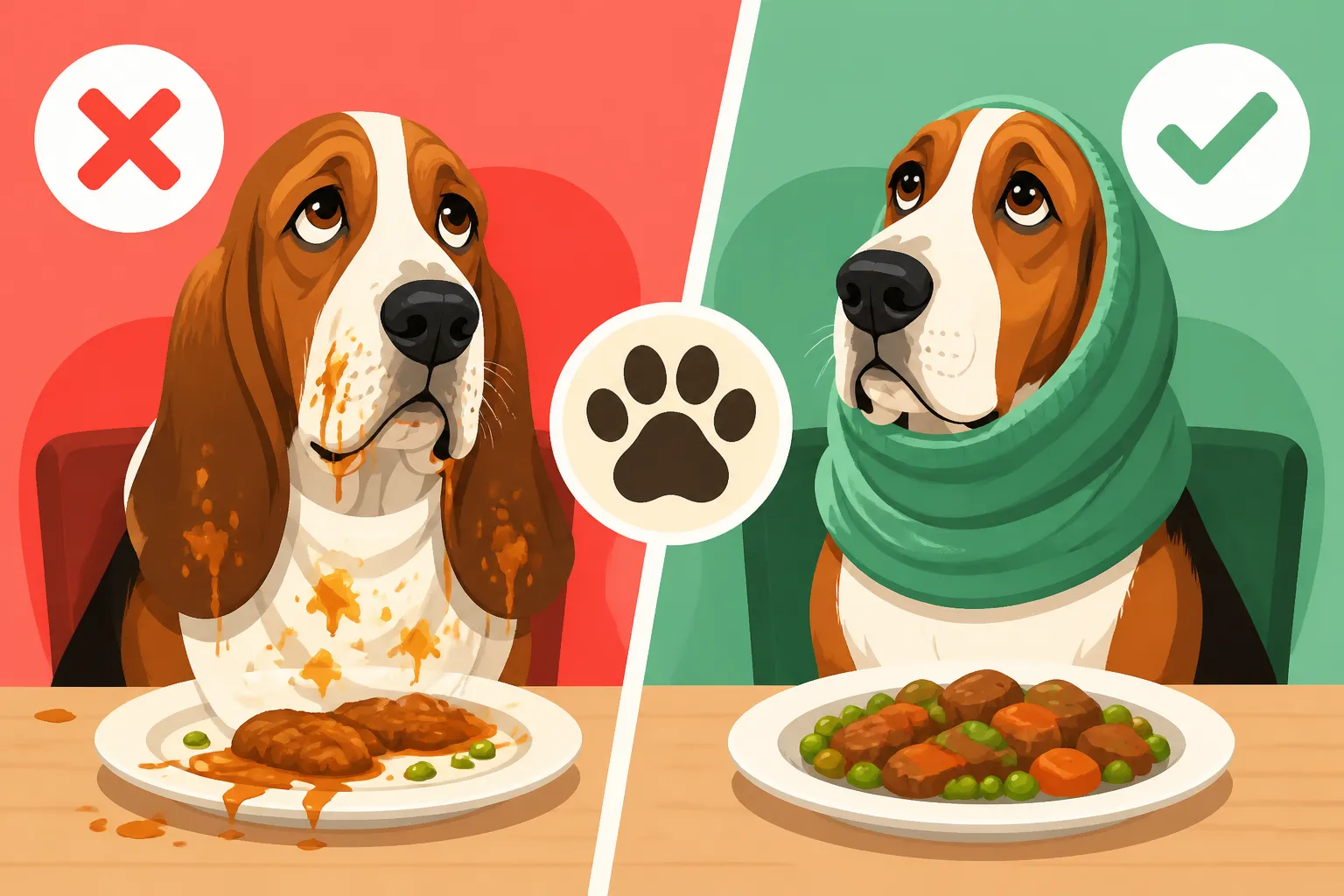
Let's be real, Basset Hounds are built for scent work, not for pristine dining. Their low-slung bodies, long pendulous ears, and loose, droopy skin are all fantastic for tracking a scent trail, but when it comes to eating from a bowl, they're a recipe for a mess. It's not their fault; they simply can't help it! Those gorgeous, heavy ears, which can reach impressive lengths, hang low, often dipping right into their food or water bowl. The result? Ears caked with kibble, soaked in gravy, or dripping with water.
Think about it: your Basset leans down to eat, and immediately, those velvety ear flaps swing forward and plunge straight into the chow. Wet food, dry kibble, water – it all clings. This isn't just an aesthetic problem; it's a hygiene nightmare. Food-laden ears can become sticky, smelly, and a breeding ground for bacteria or yeast. You spend a good chunk of time after every meal wiping down their ears, and sometimes even their dewlap and chest, because the mess just seems to spread. It's exhausting, and it makes you dread mealtime, which should be a happy, bonding experience. We've all been there, looking at our beloved hound with a sigh as they finish their meal, wondering if we should just install a doggy shower in the kitchen.
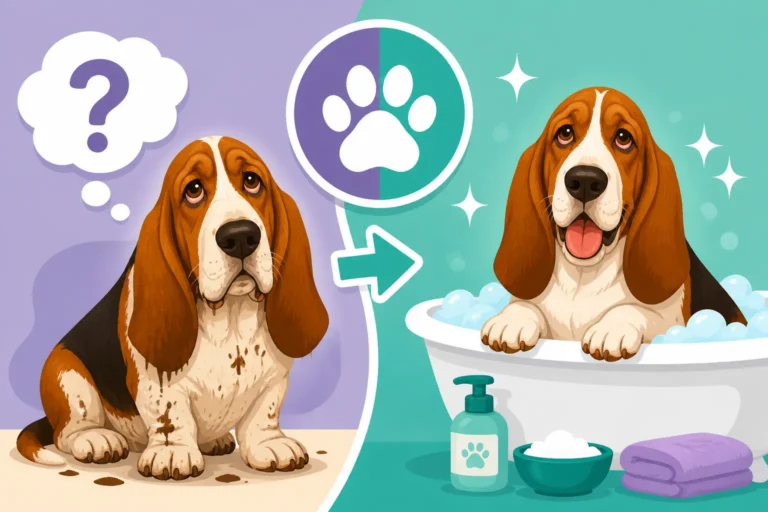
The issue isn't limited to food, either. Their ears frequently get soaked when they drink, leading to drips and dribbles all over your floor. If you've ever cleaned up a trail of muddy paw prints mixed with water drips, you know exactly what I mean. Beyond the immediate mess, this constant dampness and food residue can contribute to more serious health concerns. Those long, heavy ear flaps already trap moisture and heat, creating an ideal environment for ear infections. Adding food debris to the mix only exacerbates the problem. It's a never-ending battle to keep their ears clean and dry, especially with how prone Basset Hounds are to ear issues. You might even find yourself constantly checking The Signs a Basset Hound's Ear Has Gone Bad because of this persistent dampness.
Snoods to the Rescue: A Fabric Shield for Mealtime Mayhem
So, what's a loving Basset owner to do? Many of us have discovered the simple, yet brilliant, solution: the snood. A snood is essentially a fabric tube, often made from soft, stretchy material like fleece, cotton jersey, or even lighter mesh fabrics, that you gently slide over your Basset Hound's head. It acts like a protective sleeve, gathering their long ears and holding them up and back, completely out of the food or water bowl. It's not a fancy gadget, but its effectiveness is truly remarkable.
Imagine a world where your Basset can enjoy their meal without you hovering, ready with a towel. The snood creates a barrier, keeping those magnificent ears clean and dry, protecting them from anything that might cling or soak into their fur. This dramatically reduces the amount of post-meal cleanup you have to do, giving you back precious time and reducing your daily frustration. More importantly, it helps prevent the accumulation of food particles and moisture that can lead to skin irritation or those stubborn ear infections Basset Hounds are so prone to. Less mess means less moisture, which can be a game-changer for ear health.
When choosing a snood, consider the material. Fleece is warm and cozy, great for winter or if your Basset has particularly sensitive ears, but might be too hot in summer. Lighter cotton or a breathable mesh fabric is fantastic for year-round use. The fit is crucial too; it needs to be snug enough to stay on and keep the ears tucked away, but not so tight that it's uncomfortable or restricts circulation. Most snoods have elastic at both ends to ensure a good, gentle fit around the neck and the back of the head. You can find a wide variety of snoods on online retailers like Chewy or Amazon, ranging from basic utility designs to surprisingly stylish options.
Here's a quick comparison of common snood materials:
| Material Type | Pros | Cons | Ideal Use |
|---|---|---|---|
| Cotton Jersey | Soft, breathable, easy to wash, good stretch. | Can absorb liquids, might get damp. | Everyday use, year-round comfort. |
| Fleece | Warm, very soft, good for sensitive skin, durable. | Can be hot, may collect static, slower to dry. | Winter, colder climates, dogs needing extra warmth. |
| Mesh/Nylon | Lightweight, very breathable, quick-drying, less absorbent. | Less protection from liquids, might feel less cozy. | Summer, hot climates, water activities. |
| Water-resistant fabrics | Excellent for keeping ears dry, easy to wipe clean. | Less breathable, can feel stiff, less comfortable for long wear. | Meal times only, very messy eaters, outdoor activities. |
Using a snood is a preventative measure that can save you from constantly needing to clean those ears or, even worse, dealing with vet visits for recurring ear problems. It's a small investment in your Basset's comfort and your peace of mind. For many Basset owners, once you start using a snood, you'll wonder how you ever managed without one.
Making the Snood a Success: Tips and Alternatives
Introducing anything new to a Basset Hound can sometimes feel like trying to negotiate with a stubborn toddler, but with patience and positive reinforcement, most Bassets take to snoods quite well. Start by making the experience positive. Show them the snood, let them sniff it, and offer a high-value treat. Gently slip it on for just a few seconds, distracting them with another treat or praise, then take it off. Gradually increase the time they wear it, always associating it with something pleasant, like a favorite toy or a tasty snack from Ollie. Consistency is key here. Pretty soon, they'll associate the snood with delicious meal times, and it will become a natural part of their routine.
When choosing a snood, sizing is critical. Too loose, and it'll fall off or allow ears to escape. Too tight, and it will be uncomfortable, potentially rubbing or restricting blood flow. Most brands offer sizing guides based on neck circumference and head size, so make sure to measure your Basset before purchasing. You want one that covers the ears entirely but doesn't pull on their neck or eyes. Consider getting a couple of different snoods, perhaps one for meals and a lighter one for general wear if you find other situations where it's helpful.
Beyond snoods, there are other mealtime hacks that can complement their use or serve as alternatives if your Basset truly rebels against wearing one.
Elevated Food Bowls
Raising your Basset's food and water bowls can make a surprising difference. When the bowls are elevated to a comfortable height, your Basset doesn't have to bend their head down as far, which can prevent those long ears from dipping into the food. It also promotes a more natural eating posture, which some believe can aid digestion. You can find a variety of elevated bowl stands on Amazon, ranging from simple plastic to stylish wooden designs. This can also be helpful for older Bassets who might struggle to bend down due to The Old Basset Hound That Cannot Get Off the Floor.
Slow Feeder Bowls
If your Basset is a fast eater – and let's face it, many are, acting like every meal is their last – a slow feeder bowl can help. These bowls have ridges or obstacles that force your dog to eat around them, slowing down their consumption. While primarily designed to prevent gulping and bloat, they can also slightly reduce the frantic head movements that often lead to ear-dipping and messy trails. Many slow feeder bowls are available on Chewy, offering different patterns and challenge levels. Just remember, even with a slow feeder, a snood is often still the best bet for keeping ears completely out of the bowl.
Wider, Shallow Bowls
Some owners find success with bowls that have a wider diameter and shallower depth. This design might spread the food out more, making it harder for the ears to get deeply submerged. However, this is often a trial-and-error approach, as every Basset's ear length and eating style vary. It's something to consider alongside a snood, not necessarily a full replacement for it.
Regular Ear Cleaning & Inspection
Regardless of whether you use a snood or other accessories, maintaining a consistent ear cleaning routine is paramount for Basset Hounds. Their long, floppy ears are prone to collecting dirt, wax, and moisture, making them susceptible to infections. Regularly checking and cleaning their ears helps you catch any issues early. For a deeper dive, check out How Often a Basset Hound's Ears Must Be Cleaned and Which Ear Cleaner Suits a Basset Hound.
Beyond Mealtime: Unexpected Snood Benefits
While the primary benefit of a snood for a Basset Hound is undeniably keeping those long ears out of their dinner, its usefulness extends far beyond the kitchen. Once your Basset is comfortable wearing one, you might find yourself reaching for it in several other scenarios, making it a truly versatile piece of their wardrobe.
Consider those outdoor adventures. Basset Hounds love to follow their noses, and that often means sniffing through tall grass, bushes, and muddy patches. Without protection, their ears become magnets for burrs, twigs, dirt, and general outdoor grime. A snood can act as a protective barrier, keeping their ears clean and free from hitchhikers that can be painful or difficult to remove. Imagine a walk through a field after a light rain – a snood can prevent their ears from getting completely soaked and caked with mud, saving you a lengthy ear cleaning session later. It's also a great way to prevent minor scratches or tears to the delicate ear leather from sharp branches.
For Basset Hounds prone to recurring ear infections, a snood can be a valuable tool during treatment. If your vet has prescribed ear drops or ointments, a snood can help keep the medication in the ear and prevent your Basset from shaking it out immediately. It also keeps the treated ear clean, preventing external dirt or debris from interfering with the healing process. While a snood isn't a cure, it's a supportive tool that can help make those ear treatments more effective and less messy. Understanding The Ear Infections That Never Really Leave a Basset Hound highlights how critical such preventative and supportive measures are.
Even just lounging around the house, some Basset Hounds seem to get their ears stepped on by other pets or even their own clumsy paws. For dogs who might be particularly sensitive or have a minor injury, a snood can offer a gentle layer of protection, keeping the ears tucked safely away. It’s a bit like a cozy hat for their ears, providing comfort and a sense of security. If your Basset enjoys car rides with the window down, a snood can also help protect their ears from excessive wind, which can sometimes cause irritation or dry out the ear canal.
Ultimately, a snood is a simple, inexpensive accessory that addresses a significant and common problem for Basset Hound owners. It contributes to better hygiene, reduces the risk of ear issues, and makes daily life just a little bit cleaner and calmer. Whether you're dealing with a puppy learning manners or an elderly hound who needs a little extra care, a snood can be a wonderfully effective solution.
Disclaimer
This article is for general informational purposes only and does not constitute professional advice. Laws, prices and regulations vary by location and change over time. Consult a qualified professional for guidance on your specific situation.