Whether a Basset Hound’s Ear Odor Is Normal
As a Basset Hound parent, there's a certain "eau de Basset" that comes with the territory – their unique scent, their floppy ears, their wrinkles. But when that familiar doggy smell morphs into something decidedly unpleasant coming from their ears, it's natural to wonder if it's just a Basset thing, or if you've got a genuine problem brewing. This guide will walk you through understanding why Basset Hounds are prone to ear issues and how to differentiate a normal sniff from a concerning funk, empowering you to keep your hound's ears healthy and happy.
Understanding the Basset Hound's Unique Ear Anatomy and Why It's a Challenge
Let's be real, those magnificent, long, velvety ears are a Basset Hound's crowning glory, aren't they? They're iconic, almost comical in their length, and absolutely part of their charm. But what many new Basset owners quickly discover is that these very features, while adorable, are also prime real estate for ear problems. It's not just a superficial thing; their entire ear structure is predisposed to trouble.
The Deep, Floppy Ear Flap: A Natural Incubator
Imagine wearing a thick, heavy blanket over your ears all day, every day. That's essentially what your Basset Hound experiences. Their extraordinarily long and heavy ear flaps, which can sometimes reach up to twelve inches, drape down, completely covering the ear canal opening. This design, while fantastic for sweeping scents upwards to their incredible noses when they're tracking, is a nightmare for natural ventilation.
The lack of airflow creates a warm, moist, and dark environment deep within the ear. It’s like a tiny, cozy sauna, perfect for microscopic organisms to thrive. Moisture from baths, humidity in the air, or even just general dampness after a sniff-filled walk through dewy grass gets trapped in there. This isn't just uncomfortable; it sets the stage for bacteria and yeast to multiply unchecked, leading to irritation and, yep, that tell-tale odor. Furthermore, the skin on the underside of these heavy ear flaps, and within the folds of the outer ear itself, can get irritated if not kept clean and dry, adding to the potential for issues.
The L-Shaped Ear Canal: A Drainage Nightmare
If you could peer inside your Basset Hound's ear, you'd find it's not a straight shot to the eardrum like in many other breeds. Instead, they possess a distinct L-shaped (or even somewhat Z-shaped) ear canal. The canal starts vertically, going downwards, and then takes a sharp, almost 90-degree turn horizontally before reaching the eardrum.
This complex architecture is a massive challenge when it comes to drainage. In dogs with straighter ear canals, gravity and normal head movements can help expel excess wax, debris, and moisture. For a Basset, however, that sharp bend acts like a dam. Anything that gets into the ear – water, dirt, ear wax, dead skin cells, or even discharge from an infection – tends to get stuck at the corner of that "L." It just sits there, collecting, fermenting, and worsening the warm, moist environment we just talked about. This trapped gunk creates a literal breeding ground for pathogens and contributes significantly to the awful smells many Basset owners encounter. You can read more about Why a Basset Hound's Ear Canal Never Dries to understand this challenge better.
Glandular Activity and Wax Production
All dogs produce ear wax (cerumen) and natural oils to protect the delicate skin of the ear canal. This is a normal, healthy process. However, in Basset Hounds, this natural production can become problematic due to their unique anatomy. Because of the limited airflow and poor drainage, any excess wax, along with shed skin cells, doesn't have an easy escape route.
When these natural secretions combine with trapped moisture, it quickly becomes a thick, sticky mess. This accumulation can clog the ear canal further, creating an even more inviting habitat for bacteria and yeast. The trapped wax and oils themselves, when they start to break down and mix with microbes, can develop a distinct, unpleasant odor. It's a vicious cycle where the ear's natural functions, combined with its structure, lead to a high likelihood of odor and infection if not meticulously managed.
What "Normal" Ear Odor Isn't for a Basset Hound
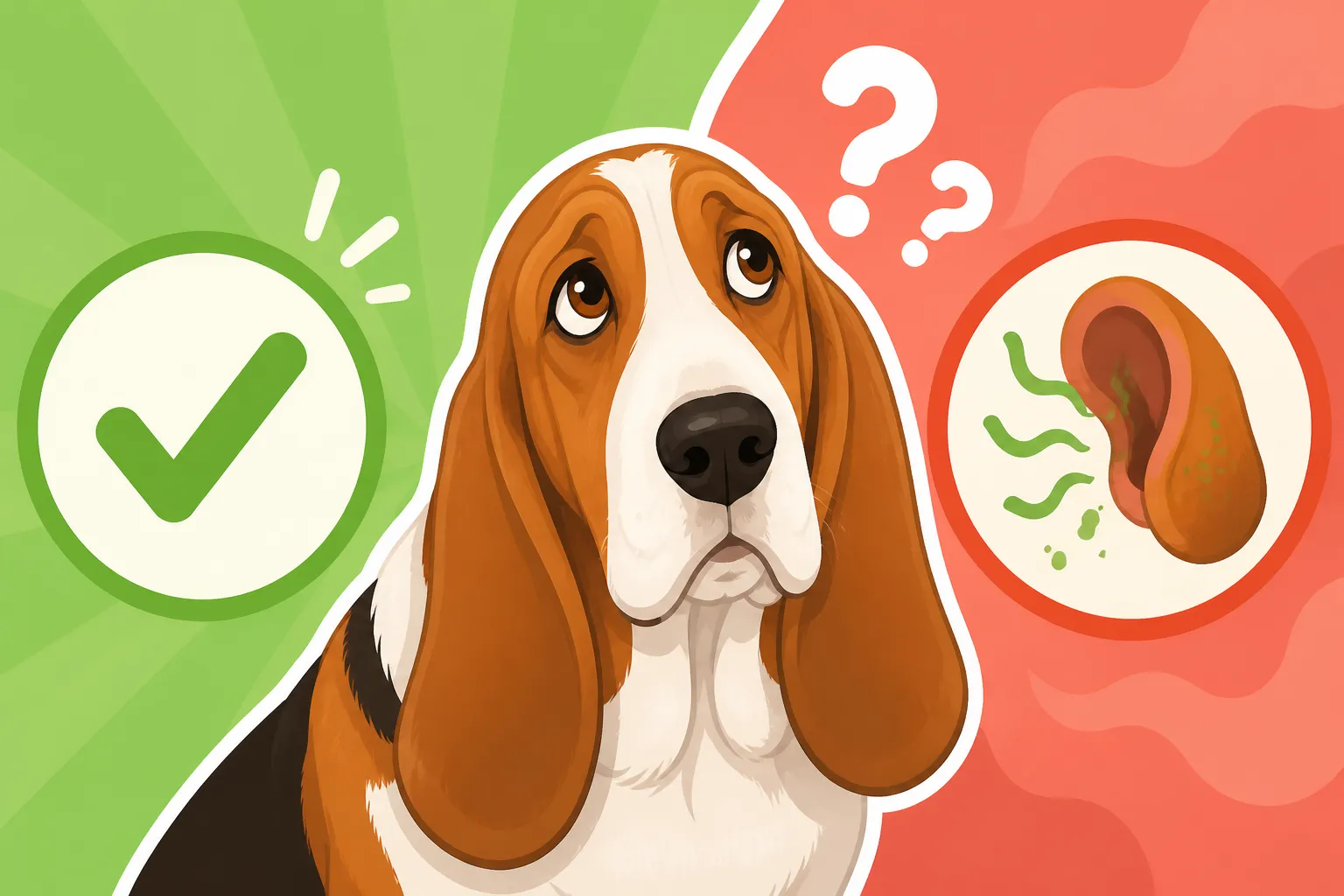
Let's clear the air (pun intended) right away: a healthy Basset Hound's ear, while it might have a faint, warm, "doggy" smell if you stick your nose right in it, should not have a strong, noticeable, or offensive odor. If you're catching a whiff of something distinctly unpleasant as your Basset walks by, or when they flop their head on your lap, that's a red flag. It's not normal, and it almost certainly means something is amiss in those lovely, long ears.
Identifying the Telltale Signs of Trouble
When it comes to identifying actual ear trouble, your nose is often your first and best detective. However, the type of smell can give you clues about the underlying issue.
- Sweet or Yeasty: This is perhaps the most common smell associated with Basset Hound ear infections. It's often described as a sweet, sickly-sweet, or distinctly yeasty scent, like baking bread or old beer. This aroma is a strong indicator of a Malassezia yeast infection, which thrives in warm, moist environments. Along with the smell, you'll often see dark brown, waxy, or greasy discharge, and the ear might appear red or inflamed. If you notice your Basset shaking their head a lot or scratching vigorously at their ears, these are also classic signs. Whether Yeast or Bacteria Is in a Basset Hound's Ear delves deeper into these common culprits.
- Foul, Pungent, or Cheesy: If the smell is more acrid, like old cheese, putrid meat, or just generally foul and strong, you're likely dealing with a bacterial infection. These infections often produce yellow, green, or thick pus-like discharge. The ear canal itself might be visibly swollen, hot to the touch, and extremely painful for your dog. They might shy away when you try to touch their ear or even cry out. This kind of smell often indicates a more severe infection that needs prompt veterinary attention.
- Pungent and Strong, but Different: Occasionally, a foreign body like a grass awn or even a tick lodged deep in the ear can cause intense irritation and a resulting infection with a unique, very strong odor. While less common, it's definitely something to consider if the smell seems unusual and sudden. Another possibility, though rarer, could be polyps or tumors within the ear canal, which can become infected and produce a very unpleasant odor.
Beyond just the smell, keep an eye out for other visual and behavioral clues that scream "ear trouble":
- Excessive Head Shaking: This is often one of the first signs, as your Basset tries to dislodge whatever is irritating their ear. Whether a Basset Hound Shakes Its Head Constantly
- Persistent Ear Scratching: Pawing at the ear, rubbing their head along furniture or the floor.
- Redness and Swelling: The ear flap and visible ear canal may be inflamed.
- Discharge: Any visible discharge, especially if it's not light brown wax, is a concern. Pay attention to color and consistency.
- Pain or Sensitivity: Your Basset might yelp, growl, or pull away when you try to touch their ear.
- Lethargy or Irritability: They might just not be themselves due to discomfort.
- Uneven Ear Carriage: One ear might hang differently, or they might tilt their head constantly to one side.
These are all signs that your Basset Hound's ear has gone bad, and you can learn more about them in The Signs a Basset Hound's Ear Has Gone Bad.
The Difference Between a "Doggy Smell" and an Infection
It's true, Basset Hounds, like all dogs, have a natural scent. And let's face it, with their ample skin folds, long ears, and often oily coats, they can sometimes have a stronger "doggy" aroma than some other breeds. This is particularly true if they've been out exploring and collecting scents, or if they're due for a bath. This natural scent is usually fairly mild, not unpleasant, and tends to dissipate with good hygiene.
However, an infected ear's odor is a different beast entirely. It's potent, often sickeningly sweet, rancid, or cheesy, and it persists. It doesn't go away after a bath, and you'll likely smell it even when you're not specifically sniffing their ear. If the smell is making your nose wrinkle, then it's almost certainly not "normal" and warrants investigation. Think of it this way: a healthy Basset Hound smells like a dog. A Basset Hound with an ear infection smells like a problem. Don't dismiss a strong, offensive odor as just "part of being a Basset" – it's a critical signal from your dog that they need help.
Common Causes Behind Bad Ear Odor in Basset Hounds
While a Basset Hound's ear anatomy is a significant predisposing factor, the direct cause of the bad odor is usually an overgrowth of microorganisms or other irritants within that hospitable environment. Understanding these common culprits can help you manage and prevent future issues.
Yeast Infections: The Sweet, Yeasty Culprit
Yeast infections are incredibly common in Basset Hounds, largely due to the reasons we've already discussed: warmth, moisture, and poor ventilation. The primary culprit is often a yeast called Malassezia pachydermatis, which naturally lives on a dog's skin in small numbers. However, when conditions are right – especially if the ear canal becomes damp, irritated, or inflamed – this yeast can multiply rapidly, leading to an infection.
The characteristic smell of a yeast infection is often described as sweet, musty, or distinctly yeasty, similar to bread dough or fermenting fruit. You might also notice a dark brown, waxy, or greasy discharge in the ear. The skin inside the ear can become red, inflamed, and itchy, causing your Basset to scratch at their ears or shake their head frequently. These infections can be incredibly uncomfortable for your dog, and while they might seem minor, they can quickly escalate if not treated. Over-the-counter remedies might offer temporary relief, but a vet diagnosis is crucial to ensure it's indeed yeast and to get the right antifungal treatment.
Bacterial Infections: Foul and Pungent
Bacterial infections are another frequent cause of offensive ear odor in Basset Hounds. These often occur as primary infections or, more commonly, as secondary infections following a yeast infection or irritation. The moist, warm, and nutrient-rich environment created by trapped wax and yeast is also ideal for bacteria to proliferate. Common bacteria involved include Staphylococcus and Pseudomonas.
The odor from a bacterial infection tends to be more foul, pungent, or cheesy compared to the sweet smell of yeast. It can be quite strong and putrid. You'll often see yellowish or greenish pus-like discharge, which can be thick and abundant. The ear canal will likely be very red, swollen, and extremely painful to the touch. Your Basset might react strongly to having their ear examined, or even just touched. Bacterial infections are typically more severe than yeast infections and almost always require prescription antibiotics, often after a culture and sensitivity test to identify the specific bacteria and the most effective antibiotic. Left untreated, these can lead to chronic ear disease and even affect hearing.
Allergies and Their Impact on Ear Health
Many Basset Hound owners are surprised to learn that allergies can be a huge factor in recurrent ear infections and bad ear odor. Just like people, dogs can suffer from environmental allergies (atopy), food allergies, or flea bite allergies. When a dog has allergies, one of the most common ways they manifest is through skin inflammation and itchiness, and the ears are often a primary target.
Allergies cause the skin lining the ear canal to become inflamed, itchy, and sometimes swollen. This inflammation alters the microenvironment of the ear, making it more susceptible to overgrowths of normal yeast and bacteria. The increased warmth, irritation, and sometimes increased moisture from scratching or fluid production create the perfect storm. Your Basset might not just have itchy ears; they could have itchy paws, a rash on their belly, or general skin irritation. They might scratch constantly, leading to self-trauma, further breaking down the skin barrier and making infections worse. Managing underlying allergies is often a critical step in breaking the cycle of recurrent ear infections. This might involve special diets, allergy medications, or immunotherapy. If your Basset Hound gets allergies, addressing them holistically is key.
Other Less Common, But Serious Issues
While yeast, bacteria, and allergies account for the vast majority of Basset Hound ear odor issues, there are other, less common but potentially more serious causes that warrant mentioning:
- Foreign Bodies: Imagine a tiny blade of grass, a seed, or a piece of dirt making its way deep into your Basset's ear canal. These foreign bodies can cause intense irritation, pain, and quickly lead to a severe infection with a foul odor. Your dog might suddenly start shaking their head vigorously or pawing at their ear after being outside. These require veterinary removal, often under sedation.
- Ear Mites: More common in puppies, ear mites are tiny parasites that live in the ear canal and feed on wax and skin debris. They cause intense itchiness and produce a dark, crumbly, coffee-ground-like discharge that can also smell quite bad. While rare in adult Bassets with good hygiene, they're always a possibility, especially if a new puppy joins the household.
- Polyps or Tumors: Although less frequent, abnormal growths like polyps or tumors can develop within the ear canal. These growths can block the canal, interfere with drainage, and easily become infected, leading to chronic odor and discharge. They usually require surgical removal.
- Aural Hematomas: While not a direct cause of odor, an aural hematoma (a blood blister on the ear flap, often caused by vigorous head shaking due to an underlying ear infection) can indicate a severe and painful ear issue. The bleeding and subsequent swelling can exacerbate the humid environment and make existing infections worse. Whether a Basset Hound Develops an Aural Hematoma is a related read.
It's clear that a persistent bad smell from your Basset's ears is rarely "normal." It's almost always a sign that something needs your attention, and often, a veterinarian's expertise.
Proactive Steps for Managing Basset Hound Ear Health
Given their predisposition, managing your Basset Hound's ear health isn't a "wait and see" game; it's an active, ongoing commitment. By being proactive, you can significantly reduce the frequency and severity of ear issues, and keep those lovely ears smelling sweet (or at least neutral!).
Regular Cleaning: Your First Line of Defense
This is probably the most crucial step in preventing ear problems in Basset Hounds. You simply cannot rely on their ears to self-clean or self-drain. Regular ear cleaning is not just about aesthetics; it's about maintaining a healthy microclimate within the ear canal.
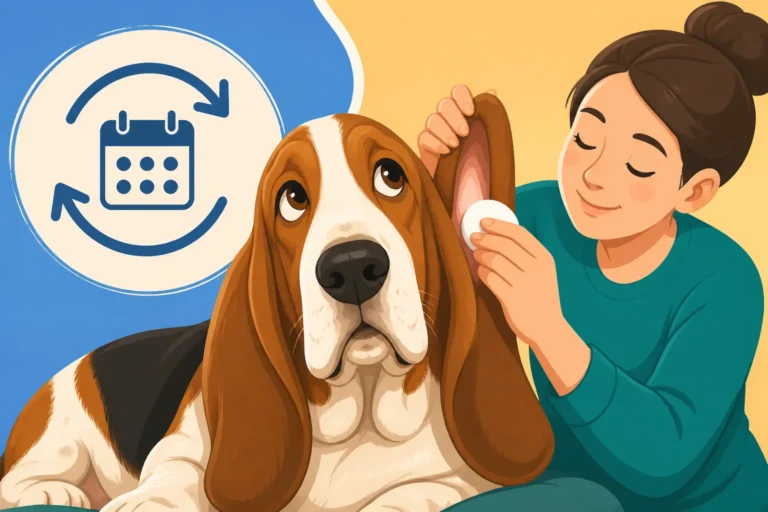
Aim for a routine that involves cleaning your Basset's ears at least once or twice a week, even when they appear healthy. If your Basset is prone to infections, your vet might recommend cleaning every few days. The goal is to remove excess wax, debris, and any moisture before it has a chance to cause trouble.
When cleaning, always use a veterinary-approved ear cleaner that is specifically designed for dogs. These cleaners are formulated to be gentle on the delicate ear canal lining, to help dissolve wax, and often contain drying agents or antiseptics. You can find excellent options on platforms like Chewy or Amazon. Which Ear Cleaner Suits a Basset Hound will offer more specific guidance.
How to clean properly:
- Gather your supplies: Ear cleaner, cotton balls or gauze pads (avoid cotton swabs for deep cleaning), and plenty of treats for positive reinforcement.
- Lift the ear flap: Gently hold your Basset's long ear flap up to expose the ear canal opening.
- Apply cleaner: Fill the ear canal with the cleaner until it's visibly full. Don't be shy; it needs to get down into that L-shaped canal.
- Massage: Gently massage the base of the ear (where it meets the head) for about 30-60 seconds. You should hear a squishing sound as the cleaner breaks up wax and debris.
- Let them shake: Stand back! Your Basset will inevitably want to shake their head, which helps dislodge the cleaner and loosened gunk.
- Wipe clean: Use cotton balls or gauze to gently wipe away any visible solution and debris from the outer ear and the opening of the canal. Never insert cotton swabs deeply into the ear canal, as this can push debris further down, irritate the lining, or even damage the eardrum.
- Reward: Always end with praise and treats to make it a positive experience.
Consistency is key here. Don't wait until you smell something funky. Proactive cleaning is your best friend. For more details on the frequency, check out How Often a Basset Hound's Ears Must Be Cleaned.
Drying and Airflow: Combatting Moisture
Since moisture is a huge contributor to ear infections, actively managing it is paramount.
- After Baths or Swims: Basset Hounds love to splash, but their ears definitely don't. After every bath, swim, or even a walk in the rain or dewy grass, thoroughly dry your Basset's ears. Use a soft towel to absorb as much moisture as possible from the ear flaps and the visible part of the ear canal. You can also use a cotton ball to gently dab the opening. Some owners even use a hair dryer on a cool, low setting, held at a safe distance, to aid drying, but be very careful not to startle your dog or burn them. For a deeper dive, read Whether a Basset Hound's Ears Should Be Dried After Swimming.
- During Mealtimes and Water Breaks: Those long, luscious ears can easily dip into food and water bowls, collecting moisture and food particles. This isn't just messy; it’s a direct route for bacteria to enter the ear canal. Consider investing in a "snood" – a fabric tube that slips over your Basset's head to hold their ears back and out of the way during meals. They're often available on Amazon and can be a game-changer for ear hygiene. Whether a Basset Hound Needs a Snood at Dinner offers more insights. Alternatively, special narrow, deep bowls can help keep ears clear.
- General Airflow: While you can't dramatically change their anatomy, ensure your Basset isn't always lying on their ears in damp spots. Providing a clean, dry, and comfortable bed can help keep their ears aired out when they're resting.
Dietary Considerations and Allergy Management
As we touched on earlier, allergies are a common underlying cause of chronic ear infections. If your Basset Hound experiences recurrent ear issues despite diligent cleaning, it's time to talk to your vet about potential allergies.
- Food Allergies: These can often manifest as skin and ear problems. Your vet might recommend an elimination diet trial, where your Basset eats a novel protein or hydrolyzed protein diet for several weeks to see if symptoms improve. There are many specialized hypoallergenic foods available, and companies like Ollie offer fresh food options which some owners explore under veterinary guidance, as part of a broader allergy management plan. It's crucial to work with your vet to find the right approach for your individual dog.
- Environmental Allergies: Pollens, dust mites, and molds can all trigger allergic reactions that lead to itchy, inflamed ears. Management might include antihistamines, medicated ear drops, topical treatments, or even allergy shots (immunotherapy) prescribed by your vet. Regular cleaning becomes even more vital for allergic Bassets to remove allergens from the ear canal.
Addressing the root cause, whether it's a food sensitivity or environmental triggers, is essential for long-term ear health and reducing that persistent odor.
When to See the Vet: Don't Delay
This point cannot be stressed enough. While proactive cleaning and management can prevent many issues, any strong, persistent, or new unpleasant odor from your Basset Hound's ears, especially when accompanied by other symptoms like redness, swelling, discharge, head shaking, or pain, warrants an immediate visit to your veterinarian.
Delaying a vet visit can turn a minor issue into a severe, painful, and much more difficult (and costly) chronic condition. Untreated ear infections can lead to:
- Chronic pain and discomfort for your dog.
- Permanent damage to the ear canal, including narrowing or calcification, which can make future treatment even harder.
- Eardrum rupture, leading to middle or inner ear infections, balance issues, and hearing loss.
- Surgical intervention, such as a Total Ear Canal Ablation (TECA), as a last resort for chronic, unresponsive infections.
Your vet will be able to:
- Examine the ear: Using an otoscope to visualize the ear canal and eardrum.
- Take a swab: Collect a sample of discharge for cytology (looking under a microscope for yeast, bacteria, or mites) and possibly culture and sensitivity testing.
- Prescribe appropriate treatment: This could include medicated ear drops (antibiotics, antifungals, anti-inflammatories), oral medications, or a combination.
Never try to self-diagnose or treat a severe ear infection with home remedies, as this can worsen the problem or delay effective treatment. The Basset Hound's ears are one of their most vulnerable points, and What Basset Hounds Are Most Often Treated For confirms how frequently ear issues arise. Taking their ear odor seriously is one of the best things you can do for your beloved hound.
Ear Odor Quick Reference Guide
To help summarize, here’s a quick comparison of what to look for:
| Feature | Normal Basset Hound Ear | Abnormal Basset Hound Ear (Infection) |
|---|---|---|
| Odor | Faint, mild "doggy" smell, or no noticeable scent | Strong, sweet/yeasty, foul, pungent, or cheesy |
| Appearance | Pale pink, clean, minimal wax | Red, inflamed, swollen, sometimes thickened skin |
| Discharge | Minimal light brown or yellowish wax | Dark brown, waxy, greasy (yeast); yellow/green pus-like (bacteria) |
| Behavior | No scratching, head shaking, or sensitivity | Excessive scratching, head shaking, rubbing ears, pain when touched |
| Temperature | Cool to the touch | Warm or hot to the touch |
This table should help you quickly assess if that sniff you're catching from your Basset's ear is a normal part of their charm or a sign that it's time to call the vet.
Disclaimer
This article is for general informational purposes only and does not constitute professional advice. Laws, prices and regulations vary by location and change over time. Consult a qualified professional for guidance on your specific situation.