Whether a Basset Hound’s Skin Is Oily
It’s a common thing to wonder about the texture and smell of your Basset Hound’s skin. Many Basset owners find themselves asking if that slightly greasy feel or distinctive "hound smell" is normal, or if it's a sign of something amiss. This guide is here to unravel the mysteries of Basset Hound skin, helping you understand if your furry friend's skin is naturally a bit oily, what might be contributing to it, and how you can best care for it to keep them comfortable and healthy.
Understanding the Basset Hound's Unique Skin
The Basset Hound is a breed known for its distinctive appearance – those long, pendulous ears, soulful eyes, and a coat that just begs for a pat. But beneath that short, dense coat lies a unique skin structure that plays a significant role in their overall health and, yes, often contributes to that slightly oily feel. It’s not just about what you see; it’s about how their skin is designed.
The Basset Hound's Loose Skin and Folds
One of the most defining characteristics of a Basset Hound is their abundance of loose skin and prominent folds. From their wrinkled brows to their magnificent dewlaps and the skin around their neck and chest, these folds are much more than just cosmetic. Historically, this loose skin served a purpose in hunting, allowing them to push through brambles and undergrowth without serious injury, acting like a protective cushion. The folds also helped to trap scent particles, keeping them closer to their incredibly sensitive nose, aiding their tracking abilities.
However, these wonderful folds, while endearing, create an environment that can easily trap moisture, warmth, and debris. This creates a perfect breeding ground for bacteria and yeast, leading to potential skin issues if not properly managed. The constant rubbing of skin against skin in these deep crevices can also cause irritation, which in turn might stimulate the skin to produce more oil as a protective mechanism. It’s a delicate balance to maintain the health of these unique features. Many owners realize too late that The Skin Under a Basset Hound's Folds needs consistent attention.
Sebaceous Glands and Natural Oils
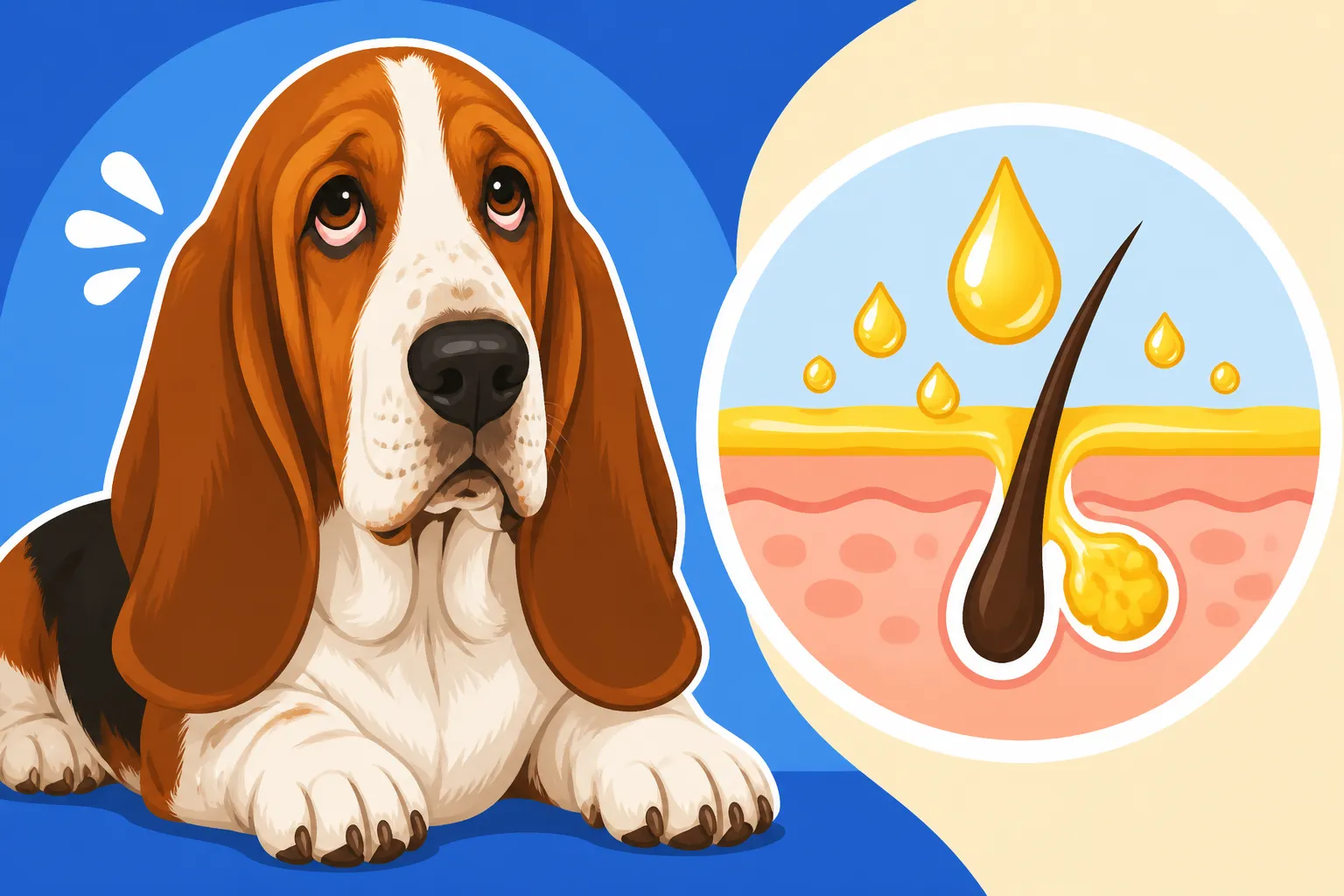
Like all dogs (and humans!), Basset Hounds have sebaceous glands in their skin. These glands produce sebum, a natural oily substance that helps to keep the skin moisturized, supple, and acts as a barrier against external elements. Sebum also contributes to the natural sheen of a dog's coat. For Basset Hounds, who were historically bred to be robust working dogs, a certain level of natural oiliness was likely beneficial for skin protection in various outdoor conditions. Their dense, short coat, combined with their loose skin, can sometimes make this natural oil more noticeable to us.
The amount of sebum produced can vary from dog to dog, and it's influenced by genetics, diet, and overall health. A healthy level of sebum is essential, but an overproduction can lead to skin that feels excessively greasy, appears dull, and might even develop a distinct odor. It's a natural function, but when it goes into overdrive, it signals that something needs attention. Understanding this natural process is the first step in differentiating between a healthy, naturally oily Basset and one experiencing a skin problem.
Factors That Contribute to Oily Skin and Odor
So, you've noticed your Basset Hound's skin feels a bit greasy, or perhaps there's a stronger odor than you'd like. It's easy to jump to conclusions, but several factors can contribute to this, ranging from the mundane to more serious health concerns. Pinpointing the cause is crucial for effective management.
Diet and Nutrition's Role
What goes into your Basset Hound's bowl can have a surprisingly direct impact on the health and oiliness of their skin. A diet lacking in essential fatty acids, particularly Omega-3 and Omega-6, can lead to dry, flaky skin, but paradoxically, sometimes an imbalance can also cause the skin to overcompensate and produce more oil. Furthermore, low-quality ingredients, artificial additives, or common allergens in food can trigger inflammatory responses in the skin, which might manifest as excessive oil production, redness, and itching.
Consider the quality of the protein and fat sources in your dog's food. For instance, some Basset Hound owners find that switching to a fresh food diet, like those offered by Ollie, or a high-quality kibble rich in beneficial fatty acids can make a noticeable difference in their dog's skin and coat health. Sometimes, a Basset Hound's body might be reacting to a specific protein or grain, and the skin is often the first place these sensitivities show up. Paying attention to Whether a Basset Hound Reacts to Its Food can provide valuable clues.
Environmental Influences
Just like our skin reacts to the world around us, so does your Basset Hound's. The environment they live in plays a significant role in their skin health. High humidity can exacerbate oiliness by preventing natural evaporation and creating a moist environment within skin folds, which can lead to bacterial or yeast overgrowth. Allergens in the environment, such as pollen, dust mites, or certain cleaning products, can trigger allergic reactions in sensitive Bassets.
When a Basset Hound experiences an allergic flare-up, their skin can become inflamed, itchy, and irritated. This irritation can stimulate the sebaceous glands to produce more oil, creating a vicious cycle of itchiness, scratching, and increased oiliness. If you notice your Basset Hound seems to be scratching or licking themselves more than usual, especially after being outside or exposed to certain substances, environmental allergies could be a culprit. It’s worth investigating Whether a Basset Hound Gets Allergies if these symptoms persist.
Underlying Health Conditions
While some oiliness is normal for a Basset Hound, excessive greasiness accompanied by itching, redness, hair loss, or a foul odor can be a red flag for underlying health issues. One common condition that causes very oily skin is seborrhea, specifically seborrhea oleosa. This condition results in an overproduction of sebum, leading to greasy, scaly skin and a strong, often rancid, odor. It can be primary (genetic) or secondary to allergies, parasites, hormonal imbalances, or other infections. Whether a Basset Hound Gets Seborrhea is a genuine concern for many owners.
Other issues, such as bacterial skin infections (pyoderma) or yeast infections (Malassezia dermatitis), often thrive in the warm, moist, and oily environments created by Basset Hounds' skin folds and their general skin type. These infections frequently lead to increased oil production as the skin tries to protect itself, along with intense itching and a very unpleasant odor. If you suspect an underlying health condition, especially if the oiliness is persistent, severe, or accompanied by other symptoms, a veterinary visit is absolutely essential. A vet can accurately diagnose the issue and recommend appropriate treatment, which might include specific medications, medicated shampoos, or dietary changes.
Managing and Minimizing Oily Skin
Discovering that your beloved Basset Hound has oily skin can be a bit disheartening, especially if it comes with an accompanying odor or discomfort. The good news is that for many Bassets, managing oily skin is entirely possible with a consistent routine and the right approach. It's all about proactive care and making smart choices for their well-being.
Grooming Routine Essentials
A regular and appropriate grooming routine is paramount for managing oily skin in Basset Hounds. This means bathing them frequently enough to remove excess oils and debris, but not so often that you strip their natural skin barrier. For many Bassets with oily skin, a bath every 2-4 weeks is a good starting point, but your vet might recommend more frequent bathing if an underlying skin condition is present. When choosing a shampoo, look for products specifically formulated for oily or sensitive skin, or medicated shampoos if prescribed by your vet. Brands like Douxo S3 Pyo or Malaseb are often recommended by veterinarians and can be found on sites like Chewy or Amazon.
Beyond baths, daily wiping of their numerous skin folds is non-negotiable. Those deep wrinkles around their face, neck, and even under their tail can accumulate moisture and oil, creating a perfect habitat for bacteria and yeast. Use gentle, fragrance-free pet wipes or a damp cloth to clean these areas, and always ensure they are thoroughly dried afterwards. Leaving moisture in the folds is an invitation for trouble, potentially leading to Skin Fold Infections on a Basset Hound. Regular inspections during these cleaning sessions can help you catch any issues early.
Dietary Adjustments and Supplements
As we touched on earlier, diet plays a huge role in skin health. If your Basset Hound has persistently oily skin, it might be worth evaluating their current diet. Consider switching to a high-quality food with easily digestible proteins and a good balance of Omega-3 and Omega-6 fatty acids. Some owners have success with limited-ingredient diets to rule out potential food allergies that could be contributing to skin issues. While cost can be a factor, many premium foods are available on platforms like Chewy, offering detailed ingredient lists to help you choose wisely.
In addition to dietary changes, certain supplements can be highly beneficial. Fish oil, rich in EPA and DHA, are powerful anti-inflammatory agents that can improve skin barrier function and reduce excessive oil production. Whether a Basset Hound Needs Fish Oil is a common question, and for those with oily skin, it can often be a game-changer. Probiotics can also support gut health, which in turn can positively influence skin health. Always discuss any significant dietary changes or the introduction of supplements with your veterinarian to ensure they are appropriate for your individual Basset Hound and don't interact negatively with any existing conditions or medications.
When to Seek Veterinary Advice
While a certain degree of "Basset smell" and natural oiliness might be typical, it's crucial to know when to seek professional help. If your Basset Hound's skin oiliness is accompanied by intense itching, redness, hair loss, persistent unpleasant odor (beyond the usual hound scent), scabs, sores, or any signs of discomfort, it's time to visit the vet. These symptoms can indicate a more serious underlying condition that requires medical intervention. For instance, if you're battling a stubborn yeast infection, Whether a Medicated Bath Helps a Basset Hound will likely be something your vet recommends alongside other treatments.
Your veterinarian can perform a thorough examination, conduct skin scrapings, cytology (examining cells from the skin under a microscope), or even blood tests to pinpoint the exact cause of the problem. They might identify bacterial infections, yeast overgrowth, allergies, hormonal imbalances, or other dermatological conditions. Early diagnosis and treatment are key to preventing the condition from worsening and ensuring your Basset Hound's comfort. Don't hesitate; persistent skin issues are not just cosmetic, they can significantly impact your dog's quality of life. Understanding What a Basset Hound's Skin Fold Infection Costs to Treat might also help in decision making, as early intervention can sometimes prevent more costly and invasive procedures.
Common Misconceptions About Basset Hound Skin
There's a lot of chatter and anecdotal wisdom out there about Basset Hounds, and sometimes it can be hard to separate fact from fiction, especially when it comes to their unique skin and scent. Let's clear up a couple of common misunderstandings that often worry new and even experienced Basset owners.
The "Basset Hound Smell": Separating Normal from Problematic
Ah, the infamous "Basset Hound smell." It’s a topic of much discussion among owners, often whispered with a mix of affection and slight resignation. Many Basset Hounds do have a distinct, somewhat musky "hound smell," and this is often considered quite normal for the breed. This scent comes from the oils in their skin and coat, as well as the unique environment created by their loose skin and folds. It's part of their charm, for many of us! It's a natural canine scent, amplified by their breed characteristics. It's often the topic of conversation around Whether a Basset Hound Smells.
However, there’s a big difference between a normal, mild "hound smell" and a foul, pungent, or yeasty odor. If the smell is overwhelmingly unpleasant, accompanies intense itching, redness, or discharge from their folds or ears, then it’s definitely not normal. This strong, offensive odor usually signals an underlying bacterial or yeast infection, possibly exasperated by trapped moisture and debris in their skin folds. In particular, their lip folds and the skin around their mouth can become quite odorous if not kept clean, leading to concerns like Whether a Basset Hound's Lip Folds Sour. If you're wrinkling your nose more than usual, it’s a sign to investigate further, perhaps with a vet check-up.
Over-Bathing Concerns
When faced with an oily or smelly Basset Hound, a natural first instinct might be to bathe them more frequently. While regular bathing is crucial, as discussed, there's a fine line between effective cleaning and over-bathing. Stripping the skin of its natural oils too often, especially with harsh shampoos not designed for dogs, can actually worsen the problem. When the skin's protective barrier is compromised, it can react by producing more oil to compensate, creating a cycle of dryness followed by increased oiliness.
Using the wrong type of shampoo can also irritate sensitive Basset skin, leading to itching and inflammation, which, again, can prompt increased oil production. It's not about how often you bathe, but how you bathe and what you use. Consulting with your vet or a professional groomer about Which Shampoo Suits a Basset Hound and how often to bathe (for example, How Often a Basset Hound Should Be Bathed) is a much better approach than just increasing the frequency. The goal is to gently cleanse, rebalance the skin, and address any underlying issues, not to wage war on every single oil gland. Remember, your Basset's skin is a complex ecosystem, and a gentle, consistent approach is always best.
| Skin Characteristic | Description | Potential Issues if Not Managed |
|---|---|---|
| Loose Skin/Folds | Excess skin around face, neck, body, trapping moisture and debris. | Skin fold infections (pyoderma), yeast overgrowth, irritation, increased oiliness. |
| Sebaceous Glands | Produce sebum (natural skin oil) for moisture and protection. | Overproduction leads to greasy feel, dull coat, strong odor; underproduction leads to dry, flaky skin. |
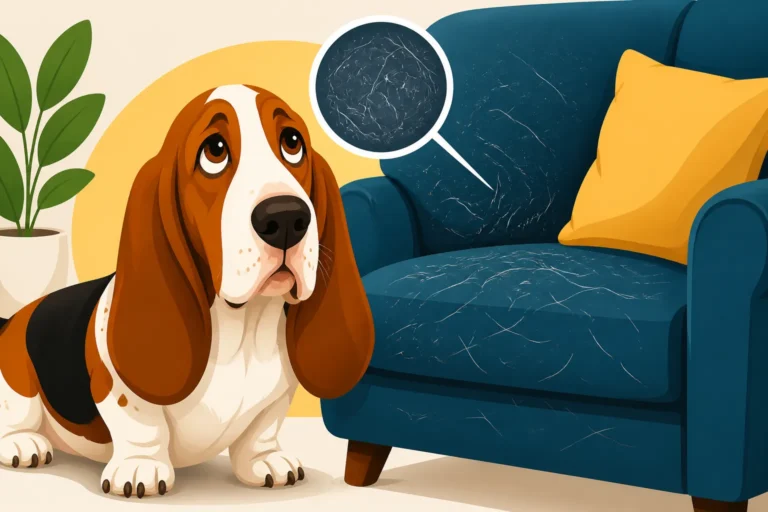
| Coat Type | Short, dense, and smooth, which can hold oils close to the skin. | Can make oiliness more noticeable, requires specific grooming to manage. |
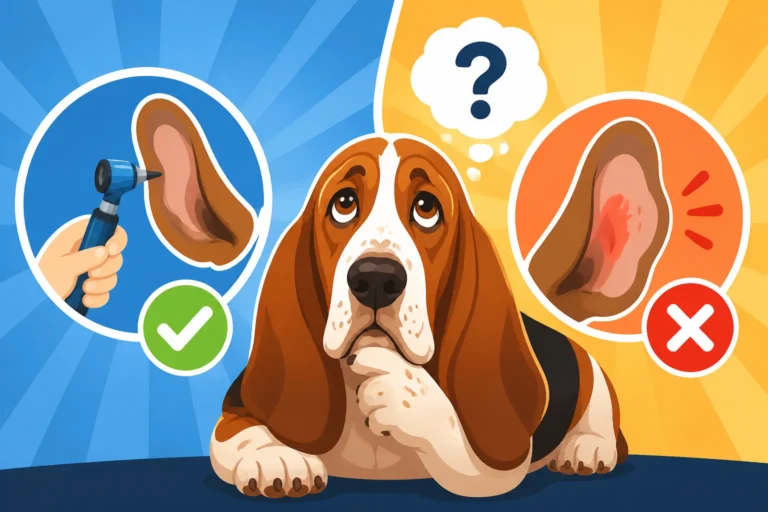
| Ear Leathers | Long, pendulous ears that cover the ear canal, creating a warm, moist environment. | Ear infections, which can often coincide with general skin oiliness/issues. |
Disclaimer
This article is for general informational purposes only and does not constitute professional advice. Laws, prices and regulations vary by location and change over time. Consult a qualified professional for guidance on your specific situation.