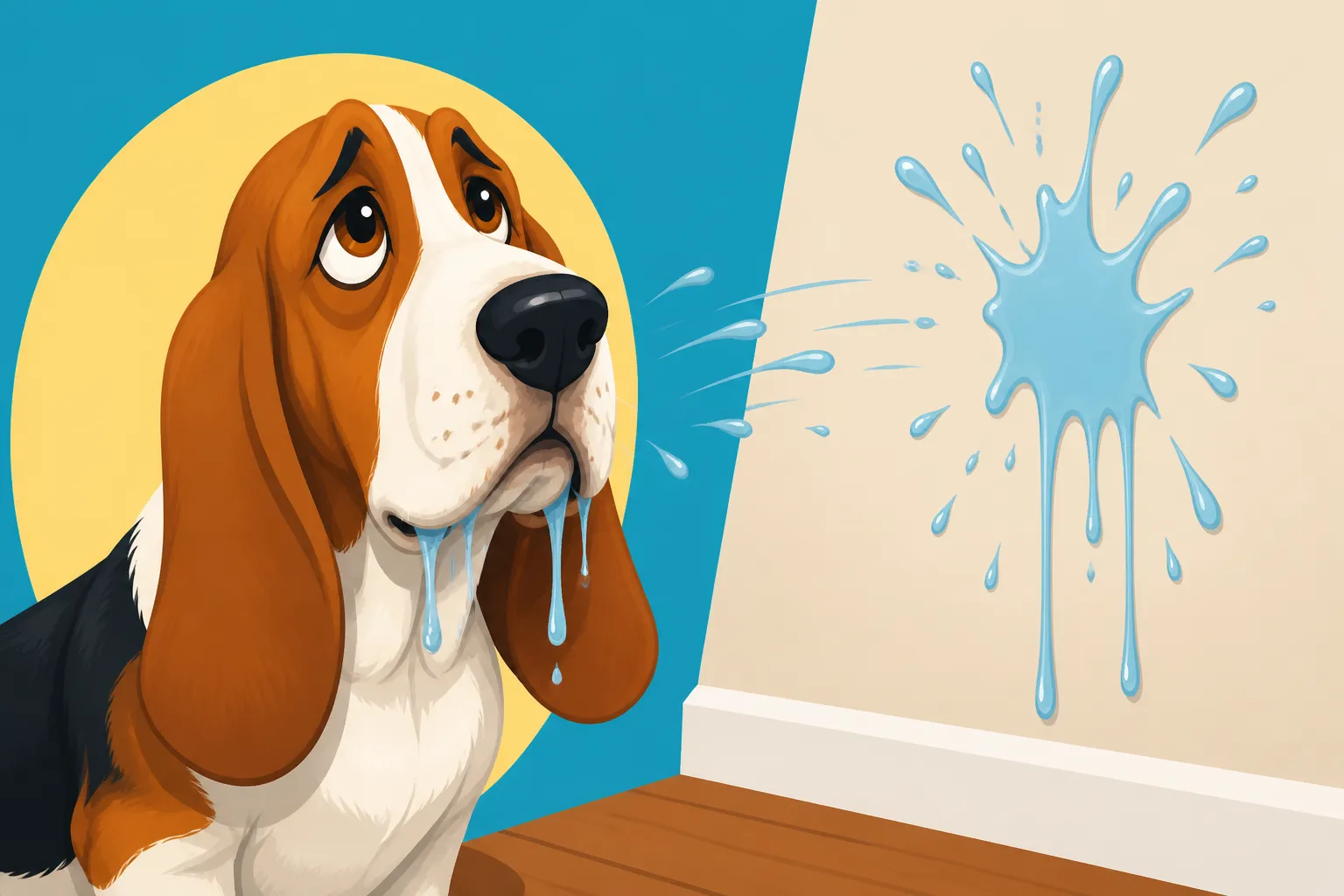
Whether a Basset Hound Slings Drool on the Walls
Oh, the quintessential Basset Hound drool! If you've ever walked into your kitchen and found a glistening, somewhat sticky trail stretching from the floor, up the cupboard, and possibly even to the ceiling, you're not alone. Many Basset Hound owners find themselves wondering if their beloved, low-slung companion is secretly training for the Olympics in drool flinging, because it certainly feels like their saliva can defy gravity. This guide is here to shed some light on why Basset Hounds drool so much, how it ends up in the most unexpected places, and, most importantly, what you can do to manage the delightful, if sometimes messy, reality of living with these charming hounds.
The Reality of Basset Hound Drool Production
Let's face it, Basset Hounds are champions in the drool department. It’s not a flaw; it’s a feature, woven into the very fabric of their breed. Understanding why they produce so much saliva and how their unique anatomy contributes to its widespread distribution is the first step in living harmoniously with these lovable, slobbery dogs.
Why Basset Hounds Drool More Than Many Breeds
The primary reason Basset Hounds seem to have an endless supply of drool is directly tied to their signature looks and their purpose as scent hounds. Their physical structure, particularly around their mouth and muzzle, is practically designed for maximum drool output and minimal containment.
Think about those wonderfully loose, pendulous lips, often referred to as "flews." These aren't just for show; they're an integral part of their superb scenting ability. When a Basset Hound puts its nose to the ground, these flews, along with their long ears, help to trap scent particles close to their nostrils, creating a kind of scent-rich bubble that enhances their tracking prowess. It's truly amazing to watch them work! However, this design comes with a trade-off. Unlike dogs with tighter lips, Basset Hounds don't have a snug seal around their mouth. This means that the saliva they constantly produce, which is crucial for moistening their nasal passages and enhancing their sense of smell, doesn't stay neatly tucked away inside. It accumulates in those loose flews, forming those infamous ropes of drool that can stretch and drip with surprising speed.
It’s a constant battle against gravity for the Basset. Every time they drink, eat, or even just yawn, those generous folds of skin around their mouth act like little reservoirs. The sheer volume of saliva they can produce is often underestimated until you experience it firsthand. It's part of The Drool a Basset Hound Produces and Cannot Swallow, and it's something every Basset owner learns to live with.
Distinguishing Normal Drool from Excessive Drool
While a certain level of drooling is absolutely normal for a Basset Hound, it's important to understand the difference between typical Basset slobber and excessive drooling that might signal an underlying health issue.
Normal Basset Drool: This usually manifests as occasional drips, stringy strands after drinking water, or a bit more moisture around their mouth after a meal. You'll notice it when they're excited, anticipating food, or have just had a big drink. It's often clear and odorless, though after a meal, it might mix with food particles. If you've been around Basset Hounds for a while, you get a feel for what their "baseline" drool production is. How Much a Basset Hound Actually Drools can vary from one individual to another, but a consistent pattern is key.
Excessive or Abnormal Drool: This is when the drooling seems to suddenly increase significantly, or changes in character. Look out for these signs:
- Sudden Onset: If your Basset, who usually only drools a moderate amount, suddenly starts producing rivers of saliva, pay attention.
- Changes in Consistency or Odor: Drool that is thick, foamy, discolored (yellowish, brownish), or has a foul odor is a red flag. This can indicate infection, dental disease, or digestive upset.
- Difficulty Swallowing or Pawing at Mouth: If your Basset is drooling excessively and also seems to be struggling to swallow, gagging, or pawing at their mouth, they might have something stuck in their throat, a dental issue, or another form of oral discomfort.
- Associated Symptoms: Excessive drooling accompanied by lethargy, loss of appetite, vomiting, diarrhea, or a swollen face definitely warrants an immediate call to your veterinarian. Dental issues are a common culprit for increased drooling, so regular checks of their teeth and gums are vital. A broken tooth, an abscess, or severe gum disease can cause discomfort and lead to more drooling.
When in doubt, always err on the side of caution and consult your vet. They can rule out any medical reasons for the change in drooling habits.
Understanding the "Slinging" Phenomenon
Ah, the mystery of how drool defies gravity and reaches the most improbable locations! It’s not magic, it’s just Basset physics, and a dash of enthusiastic canine movement.
How Drool Ends Up on Walls and Ceilings
The secret behind the Basset Hound's ability to "sling" drool onto walls, furniture, and even ceilings lies in their unique anatomy combined with typical dog behaviors. It's a chain reaction, really.
First, as we discussed, those loose flews are collecting pools of saliva. When a Basset Hound moves its head quickly, shakes, or bobs with excitement, the accumulated drool acts like a sling shot. Imagine them taking a big drink of water, then lifting their head and giving a happy shake – water mixed with saliva can go flying in every direction. This is particularly noticeable after they've had a drink from a bowl, or if their long ears have dipped into their water and they shake their head to dry them. Whether a Basset Hound's Ears Drag Through Its Food or water definitely contributes to this.
Excitement is another major trigger. When you walk through the door after a long day, and your Basset Hound greets you with their signature bay and a full-body wiggle, those loose jowls are in motion. A joyful shake of the head can send a misty shower of drool across a room. Whether a Basset Hound Drools More When Excited is definitely a common observation among Basset owners. If they're waiting for a treat or for dinner, the anticipation alone can cause a surge in saliva, and a quick turn of the head can send a string of it airborne.
Even a simple yawn or a stretch can be enough. As they stretch out those big jowls, any collected drool can easily detach and become airborne, clinging to the nearest vertical surface. It's often not a deliberate act, but simply an unavoidable consequence of their delightful, droopy design and their natural, expressive movements.
Common Areas Affected by Basset Hound Drool
Once you've witnessed the phenomenon, you start noticing the drool trails in predictable (and sometimes truly bizarre) places.
- Walls: These are probably the most common targets. Especially walls near their food and water bowls, where they might shake their head after eating or drinking. Also, walls in high-traffic areas like entryways or hallways where excited greetings happen. I've personally found it splattered at my eye level after an enthusiastic welcome home!
- Furniture: Sofas, armchairs, and the undersides of coffee tables are prime locations. If your Basset leans against furniture, or shakes their head while lounging, you'll find the evidence. Cushion covers, especially fabric ones, can become quite stained over time.
- Ceilings: Yes, it’s true! It might seem impossible, but a vigorous head shake can send a particularly viscous string of drool high enough to stick to the ceiling. It usually dries clear, leaving a faint, shiny spot – a surprise for any unsuspecting guest.
- Clothing: Your clothes, especially around the leg and hip area, will often bear the mark of a Basset's affection. A happy lean or a quick nuzzle can leave a damp, drooly patch. Their own coats can also get quite messy, particularly around the chest and front legs, becoming sticky or matted.
- Doors and Door Frames: Similar to walls, these often catch airborne drool as the Basset moves through a doorway or gives a shake.
- Your Hair: Don't be surprised if a loving head rub leaves a souvenir in your locks.
It's a testament to their presence in your home; a constant, albeit sometimes sticky, reminder of your Basset's cheerful, drooly existence.
Practical Strategies for Managing Basset Hound Drool
While you can't completely eliminate Basset Hound drool – and honestly, who would want to? It's part of their charm! – you can certainly manage it effectively. A few simple adjustments to their routine and environment can make a world of difference.
Dietary and Hydration Management
How your Basset eats and drinks can significantly impact the amount of drool that ends up outside their mouth.
- Bowl Selection: This is a big one. Shallow, wide bowls can encourage more spillage and allow their long ears to drag through the water, leading to more "slinging" when they pull their head up. Consider using a deep, narrower bowl, or even a slow-feeder bowl with high sides. Some owners have great success with bowls designed specifically to reduce ear contamination, which often means they also reduce drool spread. You can find a great variety of these on sites like Chewy or Amazon.
- Wiping After Meals and Drinks: This might sound tedious, but it's incredibly effective. Keep a dedicated "drool towel" or a stack of absorbent cloths near their eating area. Immediately after they finish eating or drinking, gently wipe their mouth and flews. This removes the accumulated saliva before it has a chance to be flung. Consistency is key here. Whether a Basset Hound's Mouth Should Be Wiped Daily is a habit worth forming.
- Food Consistency: Some owners find that certain types of food, particularly very wet or soupy foods, can lead to more mess around the mouth. If you feed wet food, ensure it's contained within the bowl and consider adding a little less liquid if it's homemade. High-quality kibble, like those offered by brands such as Ollie, can sometimes result in less residual mess around the mouth simply because it's less prone to adhering to their flews. However, the primary factor remains their anatomy.
- Raised Bowls: For some Bassets, especially those with neck or back issues, a raised feeding bowl can make eating more comfortable. While not directly aimed at drool reduction, a more comfortable eating posture might lead to less frantic head movement and therefore less drool flinging. Just be sure to find a height that suits your individual Basset.
Environmental Controls and Cleaning Tips
Making a few adjustments to your home environment can significantly reduce the visibility and impact of Basset drool.
- Strategically Placed Drool Rags: Keep a supply of dedicated "drool rags" in key locations around your home – near the food bowls, by the back door, next to their favorite napping spot. This makes quick clean-ups effortless. Whether a Drool Towel Is Necessary With a Basset Hound is a resounding yes for most Basset owners!
- Washable Furniture Covers: Invest in washable slipcovers for your sofas, chairs, and dog beds. These can be easily removed and laundered, keeping your furniture clean and fresh without constant scrubbing. Amazon offers a wide range of styles and materials.
- Regular Cleaning Routine: Incorporate a quick wipe-down of walls and furniture into your regular cleaning schedule. For dried drool, a damp cloth with a mild all-purpose cleaner usually does the trick. For fabrics, a pet-safe enzymatic cleaner can help break down any organic residue and prevent odors. Chewy often carries highly rated pet stain removers that work wonders.
- Snoods: For meal times, consider a snood! This fabric tube fits over your Basset's head, holding their long ears out of their food and water. This not only keeps their ears clean but also minimizes them dragging through slobber and then shaking it everywhere. Whether a Basset Hound Needs a Snood at Dinner is a question many owners answer with a definite yes after experiencing a few messy meals!
Grooming and Health Considerations
Sometimes, consistent grooming and attention to health can indirectly help manage drool.
- Face Fold Cleaning: Basset Hounds have wonderful, expressive facial wrinkles. These folds can trap moisture, food particles, and yes, drool, leading to irritation or skin fold infections if not kept clean. Regularly cleaning these folds with a damp cloth and drying them thoroughly can prevent secondary issues that might exacerbate drooling. Cleaning a Basset Hound's Face Wrinkles should be part of your routine.
- Dental Hygiene: Poor dental health, such as gum disease, tartar buildup, or a painful tooth, can cause increased drooling. Regularly brushing your Basset's teeth can prevent these issues. If brushing is a challenge, discuss dental chews, water additives, or professional dental cleanings with your vet. Whether a Basset Hound Needs Its Teeth Brushed is an important question for overall health, not just drool management.
- Regular Vet Check-ups: Ensure your Basset Hound has routine veterinary check-ups to catch any underlying health issues that could contribute to excessive drooling. This includes checking for oral foreign bodies, masses, or systemic diseases.
Living with a Drooling Basset Hound: Acceptance and Love
Ultimately, living with a Basset Hound means embracing the drool. It's a hallmark of the breed, a constant reminder of their charming, scent-driven nature, and their unique physiology.
Adjusting Expectations and Embracing the Basset Life
When you welcome a Basset Hound into your home, you're not just getting a dog; you're adopting a lifestyle. And that lifestyle often includes a bit of slobber. Rather than fighting it, learning to accept it can make your life a lot more peaceful and enjoyable.
Think of it this way: every drool mark is a little memory, a trace of their presence, their excitement, their love. It's part of what makes them unequivocally them. They are goofy, lovable, incredibly loyal, and possess one of the most expressive faces in the canine world. These wonderful traits far outweigh the need for a bit more cleaning.
Many Basset owners develop a relaxed attitude towards it. They understand it's part of the package, and they learn to appreciate their hound's other qualities that make them such fantastic companions. The deep bays, the soulful eyes, the silly antics, and the unparalleled cuddles often make you forget all about that little streak on the wall.
Products and Habits That Help
Beyond the practical tips we've covered, incorporating a few more items and habits into your daily life can make managing drool feel less like a chore and more like a routine.
- Bandanas: A stylish bandana can actually serve a practical purpose by absorbing some of the drool around your Basset's neck and chest, preventing it from soaking directly into their fur or being shaken onto surfaces. Plus, they look absolutely adorable! Whether a Basset Hound Should Wear a Bandana is often answered with a "yes, for both fashion and function."
- Hard-Wearing Fabrics: When choosing furniture or flooring, consider materials that are easy to clean and less likely to absorb stains. Leather, pleather, or tightly woven, washable fabrics are often good choices.
- Dedicated Cleaning Station: Set up a small "cleaning station" in a convenient spot with a spray bottle of pet-safe cleaner, a roll of paper towels, and a few drool cloths. This makes quick clean-ups a breeze without having to hunt for supplies.
- Positive Reinforcement for Wiping: If your Basset isn't keen on having their face wiped, make it a positive experience. Use gentle strokes, offer a small, high-value treat immediately afterward, and use a calm, reassuring voice. Over time, they'll associate the wiping with something pleasant.
Living with a Basset Hound is a journey filled with love, laughter, and yes, a fair bit of drool. But for those who cherish this unique breed, a little extra cleaning is a small price to pay for the endless joy and companionship they bring. Embrace the slobber, because it's just another facet of the magnificent Basset Hound. What a Basset Hound Needs Every Day goes beyond just food and walks; it includes a bit of patience and a lot of understanding for their unique, drooly charm.
Disclaimer
This article is for general informational purposes only and does not constitute professional advice. Laws, prices and regulations vary by location and change over time. Consult a qualified professional for guidance on your specific situation.