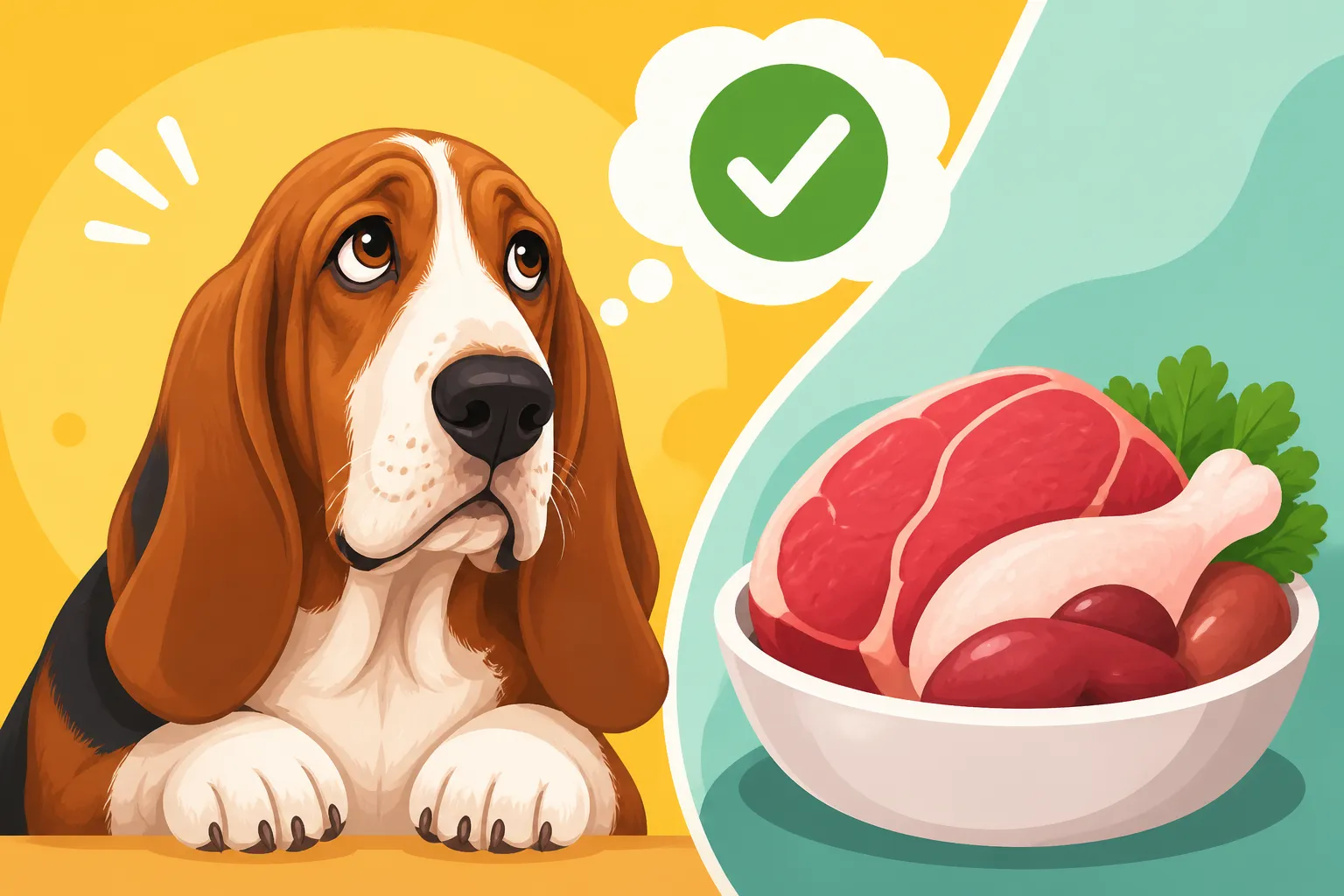
Whether a Basset Hound Can Eat Raw
Many Basset Hound owners find themselves constantly searching for ways to optimize their beloved hound's health, often wading through a sea of conflicting information about diet. The idea of feeding a raw diet, in particular, sparks a lot of curiosity and sometimes even heated debate. This guide aims to cut through the noise, offering a comprehensive look at whether a raw diet is a suitable and beneficial option for your Basset Hound, exploring the pros, cons, and crucial considerations.
Understanding Raw Feeding for Your Basset Hound
The concept of raw feeding for dogs has gained significant traction, often championed as a return to a more "natural" diet. For Basset Hound owners, whose dogs can face specific health challenges, understanding what raw feeding entails is the first step in deciding if it's the right path.
What "Raw Feeding" Actually Means
When we talk about raw feeding, we're not just tossing a steak into a bowl and calling it a day. It’s a carefully considered approach that typically falls into a couple of categories, most notably the BARF diet (Biologically Appropriate Raw Food or Bones And Raw Food) and the Prey Model Raw (PMR) diet.
The BARF diet aims to replicate the ancestral diet of canids by including a mix of raw muscle meat, organs, bones, and often a smaller percentage of fruits, vegetables, and supplements. The idea is to provide a comprehensive nutritional profile that dogs would naturally derive from whole prey animals, but with added plant matter for a broader spectrum of nutrients and fiber. On the other hand, the PMR diet is stricter, focusing almost exclusively on muscle meat, organs, and bones from various animals, aiming to mimic whole prey animals in terms of ratios. This diet generally excludes plant matter, believing dogs are obligate carnivores.
For Basset Hounds, who often have specific dietary needs due to their conformation and propensity for certain health issues, understanding these distinctions is vital. Whether you're looking at pre-packaged, commercially available raw diets, or considering a homemade approach, the foundation is uncooked, unprocessed ingredients. This includes things like chicken necks, beef chunks, lamb organs, or even whole fish. Reputable raw food brands, often found at pet supply stores or online through retailers like Chewy, formulate these diets to be nutritionally complete, taking much of the guesswork out of the equation for owners.
The Ancestral Argument: Are Basset Hounds Built for Raw?
The ancestral argument for raw feeding posits that dogs, despite thousands of years of domestication, retain the digestive system of their wild wolf ancestors. This means their bodies are supposedly better equipped to process raw, unprocessed foods than the cooked, often grain-heavy kibbles that dominate the market today.
Basset Hounds, with their deep history as scent hounds, were originally bred for hunting. While they've evolved into beloved family companions, their fundamental physiology still reflects their predatory past. Their strong jaws, sharp teeth designed for tearing and crushing, and a relatively short, acidic digestive tract are often cited as evidence that their bodies are optimized for handling raw meat and bone. The argument suggests that a raw diet aligns more closely with what their ancestors would have eaten in the wild, potentially leading to better health and vitality.
However, it's also important to acknowledge that modern Basset Hounds are not wolves. They have adapted over generations to living alongside humans, and their diets have included a variety of foods, not just raw prey. While their basic digestive anatomy might resemble a wolf's, their gut microbiomes and metabolic pathways have undergone changes. The challenge lies in balancing this ancestral ideal with the realities of feeding a domesticated dog in a modern household. It’s not simply a matter of reverting to wild habits; it’s about providing optimal nutrition within a safe and practical framework.
The Allure and Potential Benefits for Bassets
Many Basset Hound owners who switch to raw feeding report seeing significant improvements in their dog's health and well-being. These perceived benefits often align with the claims made by raw feeding proponents and can be particularly appealing for a breed like the Basset, known for certain common ailments.
Improved Digestion and Gut Health
One of the most frequently cited benefits of a raw diet is improved digestion. Owners often notice less gas, firmer and smaller stools, and a general reduction in digestive upset. For Basset Hounds, who can sometimes be prone to a Whether a Basset Hound Has a Sensitive Stomach, this can be a huge relief. The theory behind this improvement is that raw foods, being unprocessed and rich in natural enzymes, are easier for a dog's digestive system to break down and absorb.
The natural moisture content in raw food is also higher than in kibble, which can contribute to better hydration and smoother digestion. When a Basset Hound's gut is healthier, it can absorb nutrients more efficiently, leading to better overall health. This means the dog's body isn't working overtime to process fillers or hard-to-digest ingredients, freeing up energy and resources for other bodily functions. Owners report a reduction in unpleasant odors emanating from their Bassets, which is always a welcome change!
Shinier Coat and Healthier Skin
Who doesn't want a Basset Hound with a lustrous, healthy coat? Another common benefit reported by raw feeders is a noticeable improvement in skin and coat condition. Many Basset Hounds, unfortunately, can struggle with skin issues, whether it's dryness, itchiness, or flare-ups related to The Skin Under a Basset Hound's Folds. A raw diet, rich in essential fatty acids (like Omega-3s) from natural sources, is thought to nourish the skin from within.
These unprocessed fats and proteins are crucial for maintaining skin elasticity and a healthy, shiny coat. Unlike highly processed kibbles where some beneficial fats might be damaged or depleted during manufacturing, raw diets preserve these nutrients in their natural state. Owners often describe their Bassets' fur becoming softer, thicker, and shinier, with less shedding and fewer dry, flaky patches. This natural glow is a strong indicator of internal health and proper nutrition.
Dental Health and Stronger Teeth
Dental disease is a pervasive problem in dogs, and Basset Hounds are certainly not immune to Whether a Basset Hound Gets Dental Disease. The traditional kibble diet, despite claims of "dental benefits," often does little to mechanically clean teeth. Raw meaty bones, when incorporated correctly into a raw diet, act as nature's toothbrush. As a Basset Hound chews on a raw bone, the abrasive action helps scrape away plaque and tartar buildup from their teeth.
This isn't about giving them large, weight-bearing bones that can fracture teeth, but rather appropriate edible raw bones like chicken wings, necks, or lamb ribs. The act of tearing and crunching these bones exercises their jaws and gums, promoting strong oral health and potentially reducing the need for costly professional dental cleanings down the line. It's a natural way to maintain clean teeth and fresh breath, two things every Basset owner appreciates.
Weight Management and Energy Levels
Basset Hounds are notorious for their love of food and their propensity to gain weight. Maintaining Keeping a Basset Hound at Its Correct Weight is critical, as What Extra Weight Does to a Basset Hound can exacerbate many health issues, particularly those affecting their joints and back. Raw diets, typically higher in protein and lower in carbohydrates and fillers, can be an excellent tool for weight management.
The lean protein in raw food helps Bassets feel full and satisfied, potentially reducing incessant begging. Without the excess carbohydrates often found in kibble, their bodies are encouraged to burn fat for energy. Owners often report that their Bassets, while maintaining a healthy weight, also display more consistent energy levels – less of the frantic sugar rush followed by a crash, and more sustained stamina for sniffing out new adventures on a walk. This balanced energy can be a game-changer for a Basset, helping them enjoy their lives more fully without the burden of extra pounds.
Navigating the Real Risks and Challenges
While the potential benefits of raw feeding can sound incredibly appealing, it's crucial to approach this dietary choice with a clear understanding of the very real risks and challenges involved. Skipping these considerations can lead to serious health problems for your Basset Hound and even for your household.
Nutritional Imbalance: A Major Concern
Perhaps the biggest and most overlooked risk of a raw diet, especially if you're attempting a homemade one without expert guidance, is nutritional imbalance. It's not enough to just feed raw meat. Dogs require a precise balance of muscle meat, organs, and bone, along with essential vitamins and minerals, to thrive. Getting these ratios wrong can have devastating consequences over time.
For example, feeding too much muscle meat without enough bone can lead to a calcium deficiency and an inverted calcium-to-phosphorus ratio, which can cause significant skeletal problems, especially in growing puppies. Conversely, too much bone can lead to constipation and nutrient absorption issues. Deficiencies in vital vitamins like Vitamin A or D, or excesses of certain minerals, can also occur if the diet isn't carefully formulated. This isn't a simple task, and guessing can seriously compromise your Basset Hound's long-term health. Consulting with a veterinary nutritionist is highly recommended before embarking on a homemade raw diet plan. While commercial raw diets from brands like Ollie or those available on Chewy are often formulated to be complete and balanced, even with these, it's wise to review their nutritional profiles and rotate proteins to ensure a broad spectrum of nutrients.
Bacterial Contamination and Food Safety
Another significant concern is the risk of bacterial contamination. Raw meat, by its very nature, can harbor bacteria like Salmonella, E. coli, Listeria, and Campylobacter. While dogs' digestive systems are generally more resilient to these bacteria than humans', they are not immune. Dogs can still get sick, experiencing symptoms ranging from mild gastrointestinal upset to severe illness.
More importantly, these bacteria can be shed in your Basset Hound's feces and saliva, posing a risk to human family members, especially children, the elderly, or those with compromised immune systems. Cross-contamination in the kitchen during preparation is also a serious concern. This means meticulous hygiene is absolutely non-negotiable: separate cutting boards, dedicated utensils, thorough cleaning of all surfaces, and careful handwashing after handling raw food. The convenience of simply opening a bag of kibble is replaced by a strict protocol of food safety, which some owners find cumbersome and risky.
Choking Hazards and Digestive Upset from Bones
Bones are a critical component of many raw diets, providing essential calcium and phosphorus, and aiding dental health. However, not all bones are created equal, and improper bone feeding can lead to severe problems. Cooked bones are an absolute no-go, as they can splinter and cause internal damage or blockages. But even raw bones carry risks.
Weight-bearing bones from large animals (like femurs) are too dense and can easily fracture a Basset Hound's teeth, leading to painful dental emergencies and costly veterinary bills. Smaller, raw edible bones, such as chicken wings, necks, or backs, are generally safer, but still carry a choking risk if not appropriately sized for your dog or if your dog is a "gulper." Bones can also cause blockages in the digestive tract, especially if too many are consumed or if they are not fully digested. These incidents can lead to What a Basset Hound's Emergency Surgeries Cost. It's vital to choose appropriately sized bones and supervise your Basset Hound while they are chewing.
Cost and Convenience Considerations
Let's be realistic: raw feeding is often more expensive and time-consuming than feeding commercial kibble. The cost of sourcing high-quality, human-grade raw meats, organs, and bones can add up significantly, especially when considering What Feeding a Basset Hound Costs Monthly over their lifespan. If you're opting for commercially prepared raw diets, like those delivered by services, the price point can be even higher due to the convenience and careful formulation.
Beyond the monetary cost, there's the time commitment. Preparing homemade raw meals requires careful calculation, measuring, and assembly. Storage also becomes a consideration; you'll need ample freezer space for bulk purchases of meat. Traveling with a raw-fed Basset Hound requires extra planning to keep the food fresh and safe. For busy households or those on a tight budget, these practicalities can make raw feeding an unsustainable option. It's a lifestyle commitment, not just a food choice. What a Basset Hound Costs a Year to Keep will undoubtedly increase if you opt for a raw diet.
Making the Best Raw Feeding Choice for Your Basset
Deciding whether raw feeding is right for your Basset Hound is a significant decision that shouldn't be taken lightly. It requires careful consideration, commitment, and, most importantly, informed choices.
Consulting Your Veterinarian
This cannot be stressed enough: always consult your veterinarian before making any significant changes to your Basset Hound's diet. While many vets may not be proponents of raw feeding due to the associated risks, a good veterinarian will work with you to ensure your dog's nutritional needs are met safely. They can assess your Basset Hound's current health status, discuss any underlying conditions, and help you understand the specific requirements for their age, activity level, and breed.
Your vet can offer guidance on how to identify potential deficiencies or excesses if you're pursuing a homemade diet, or help you evaluate the nutritional completeness of commercial raw options. They can also advise on necessary supplements, such as Whether a Basset Hound Needs Glucosamine Early for joint health, which might be particularly important for a Basset, regardless of diet. Open communication with your vet is crucial to navigate the complexities and ensure your Basset's well-being is the top priority.
Sourcing Quality Ingredients
If you do decide to explore raw feeding, the quality of your ingredients is paramount. This isn't just about nutrition; it's about safety. Opt for human-grade ingredients from reputable sources. This means avoiding meat intended for animal consumption only, as it may not be held to the same safety standards.
For commercially prepared raw diets, choose brands that are transparent about their sourcing and manufacturing processes. Look for companies that follow rigorous safety protocols, test for pathogens, and provide clear nutritional analysis. You might find a wide variety of brands available through major pet supply retailers like Chewy or on specialized raw pet food websites. Some owners also opt to buy directly from local butchers or farmers who can vouch for the quality and handling of their meats. For supplements or specialized items like slow feeder bowls suitable for a Basset Hound, you might find a good selection on platforms like Amazon. The goal is to minimize the risk of bacterial contamination and ensure your Basset is getting the highest quality fuel possible.
Transitioning Safely and Monitoring Progress
Changing any dog's diet, especially to something as different as raw food, needs to be done gradually. A sudden switch can lead to severe digestive upset. A typical transition might involve slowly introducing small amounts of the new raw food alongside their current diet, gradually increasing the raw proportion over several days or weeks. Some Basset Hounds with more sensitive stomachs might need an even slower transition.
Once your Basset Hound is fully on a raw diet, vigilant monitoring is essential. Pay close attention to their stool quality, energy levels, coat condition, and overall demeanor. Keep a watchful eye for any signs of digestive upset, lethargy, or changes in appetite. Regular vet check-ups are also crucial to ensure they are maintaining a healthy weight and that there are no emerging nutritional deficiencies or health issues. You'll want to carefully monitor How Much a Basset Hound Should Eat to ensure they're getting the right calories without overfeeding. This ongoing observation and professional oversight will help ensure that raw feeding truly benefits your Basset Hound without introducing unforeseen problems.
Pros and Cons of Raw Feeding for Basset Hounds
Here's a quick overview of the potential upsides and downsides to consider:
| Aspect | Potential Pros for Basset Hounds | Potential Cons for Basset Hounds |
|---|---|---|
| Digestion | Improved gut health, firmer stools, less gas | Digestive upset during transition, risk of nutrient imbalance |
| Skin & Coat | Shinier coat, healthier skin, reduced itching | Possible skin issues if diet is unbalanced |
| Dental Health | Natural plaque removal from raw meaty bones | Choking hazards, fractured teeth from inappropriate bones |
| Weight Management | Leaner protein, better satiety, easier weight control | Can still gain weight if portions are not controlled |
| Energy Levels | More consistent, sustained energy, less hyperactivity | Lethargy if diet is deficient in key nutrients |
| Safety & Hygiene | Perceived "natural" diet | High risk of bacterial contamination (dog & human), strict hygiene required |
| Cost & Convenience | Can feel more natural and satisfying to feed | Significantly more expensive, time-consuming preparation & storage |
| Veterinary View | Some holistic vets endorse it | Many vets express concerns due to risks and potential for imbalance |
Disclaimer
This article is for general informational purposes only and does not constitute professional advice. Laws, prices and regulations vary by location and change over time. Consult a qualified professional for guidance on your specific situation.