Whether Fresh Food Suits a Basset Hound
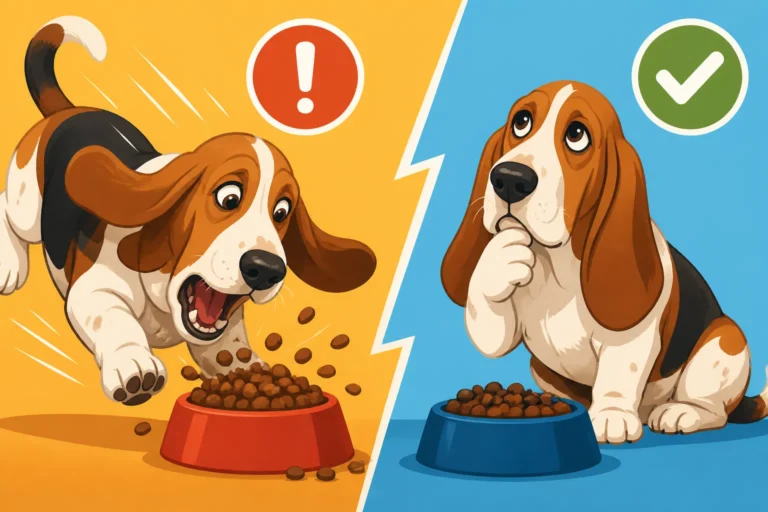
Many Basset Hound owners find themselves constantly questioning what to feed their beloved companions. It's not just about what they will eat – which is often everything – but what truly nourishes their unique bodies and helps them thrive, rather than just adding to their already stocky build. This guide is here to cut through the confusion and explore whether a fresh food diet is a suitable and beneficial option for your Basset Hound, delving into the pros, cons, and practicalities you need to consider.
Understanding Your Basset Hound's Unique Dietary Needs
Basset Hounds are, without a doubt, a special breed. Their charmingly long ears, soulful eyes, and sturdy build make them utterly irresistible, but these very characteristics also come with a set of health considerations that heavily influence their dietary requirements. It’s not a one-size-fits-all situation when it comes to feeding, and what works for a Labrador might not be ideal for our low-slung friends.
The Basset Hound's Predisposition to Weight Gain
Let's be honest, Basset Hounds love their food. They possess an almost legendary ability to find dropped crumbs, beg with an intensity that could melt glaciers, and generally act as if they haven't eaten in weeks, even after a substantial meal. This endearing, yet persistent, appetite combined with their naturally lower energy levels – yes, those short legs aren't built for marathons! – makes them highly susceptible to packing on the pounds. An overweight Basset Hound isn't just a fluffier Basset; it's a dog at increased risk for a whole host of health problems, particularly stressing their already vulnerable joints and spine.
Think about it: their heavy bone structure and elongated back are already under considerable strain just from daily movement. Adding extra weight exacerbates this, accelerating conditions like arthritis and making existing issues like Intervertebral Disc Disease in a Basset Hound far more painful and debilitating. Keeping them at their correct weight is paramount, and diet is the biggest piece of that puzzle. We're talking about avoiding the insidious creep of extra pounds that can happen so easily if you're not diligent. Every kibble, every treat, every "just a little bit" from your plate adds up, and with a Basset's metabolism, it adds up faster than you'd expect.
Sensitive Stomachs and Gut Health in Basset Hounds
While not every Basset Hound will have a delicate digestive system, a significant number of owners report their hounds experiencing issues ranging from occasional upset tummies to more chronic problems like gas, bloating, and loose stools. Sometimes it's a specific ingredient, other times it seems to be the general processing of commercial kibble that triggers a reaction. The breed's deep chest can also make them predisposed to conditions like bloat, although diet isn't the sole cause, managing meal times and ingredients can play a part in overall gut comfort.
When a Basset Hound is struggling with digestive issues, it's distressing for everyone. It means more accidents, more discomfort for your dog, and frankly, more cleanup for you. Owners often find themselves trying various "sensitive stomach" kibbles, only to have the issues persist. This is where the allure of fresh food often comes in, as it presents a simpler ingredient list, potentially fewer artificial additives, and often higher moisture content, which can all be beneficial for a grumpy gut. The goal is to provide nutrients efficiently without causing irritation, allowing their digestive system to work smoothly.
Joint Health Concerns and Nutritional Support
The Basset Hound's distinctive physique, while adorable, comes with inherent orthopedic challenges. Their short, bowed legs and long spine mean that conditions like elbow dysplasia, hip dysplasia, and intervertebral disc disease (IVDD) are more prevalent in the breed. These aren't just minor aches; they can lead to chronic pain, mobility issues, and significantly impact their quality of life. Why One Basset Hound in Seven Has Bad Elbows is a topic many owners grapple with, and diet can play a supportive role.
Nutrition isn't a cure-all, but it certainly can be a powerful tool in supporting joint health and managing inflammation. Foods rich in omega-3 fatty acids, glucosamine, and chondroitin, often found naturally or supplemented in fresh diets, can contribute to healthier cartilage and reduced inflammation. Furthermore, maintaining an ideal body weight, as discussed earlier, is perhaps the single most important dietary factor for joint health. If a Basset Hound is carrying even a few extra pounds, the stress on their joints multiplies. A diet that is highly palatable, nutrient-dense, and helps maintain a lean body condition is critical for ensuring they remain as comfortable and mobile as possible throughout their lives. Consider how crucial it is to manage Arthritis in a Basset Hound at Seven – a good diet can truly make a difference.
What "Fresh Food" Actually Means for Dogs
The term "fresh food" for dogs has become quite the buzzword, and it can mean a lot of different things, leading to confusion for even the most dedicated dog owners. It’s not just about sharing your dinner plate with your Basset Hound – though their pleading eyes might suggest otherwise! Understanding the various categories is key to making an informed decision about what might be best for your floppy-eared friend.
Differentiating Between Types of Fresh Dog Food
When people talk about "fresh food" for dogs, they generally fall into a few distinct camps, each with its own preparation methods, philosophies, and practical implications.
- Raw Food (BARF – Biologically Appropriate Raw Food / PMR – Prey Model Raw): This approach advocates feeding dogs raw meat, bones, and organs, sometimes with added fruits and vegetables (BARF) or strictly muscle meat, organ, and bone (PMR). The idea is to mimic the ancestral diet of canids. Raw feeding requires careful sourcing, meticulous handling to prevent bacterial contamination, and a thorough understanding of nutritional balance. You're essentially becoming your dog's personal chef and nutritionist. It's a significant commitment but proponents swear by its benefits for coat, teeth, and digestion.
- Lightly Cooked/Gently Cooked Meals: This category often involves human-grade ingredients that are gently cooked to kill off pathogens while retaining more nutrients than high-heat processed kibble. These meals can be prepared at home or purchased from specialized companies. They often look much like human food, featuring recognizable proteins, vegetables, and grains. The cooking process can make them more palatable and digestible for some dogs than raw options, while still offering the benefits of fresh, whole ingredients.
- Human-Grade, Fresh-Prepared Commercial Diets: These are pre-portioned, often refrigerated or frozen meals made by companies that use ingredients fit for human consumption. Brands like Ollie fall into this category, delivering customized meal plans right to your door. The convenience factor is huge here, as the nutritional balancing, ingredient sourcing, and cooking are all handled by experts. You just thaw and serve. These typically consist of gently cooked proteins, vegetables, and often a small amount of grains or legumes, along with added vitamins and minerals to ensure a complete and balanced diet.
- Home-Cooked Meals (Veterinarian-Approved): This involves preparing meals from scratch in your own kitchen using recipes formulated by a veterinary nutritionist. This is different from just throwing some chicken and rice together, which can quickly lead to nutritional deficiencies over time. A balanced home-cooked diet needs precise measurements and a range of ingredients to meet all essential nutrient requirements. This offers the most control over ingredients but demands the most research and dedication to ensuring completeness.
Each of these options offers a different level of control, convenience, and commitment. The common thread is the emphasis on less processed, higher quality ingredients compared to traditional kibble.
The Potential Benefits of a Fresh Food Diet
Switching to a fresh food diet, regardless of the specific type, can bring about some noticeable improvements for many Basset Hounds. It’s not a magic bullet, but the foundational principle of providing easily digestible, whole nutrients often translates into tangible health benefits.
One of the most commonly reported benefits is improved digestion. For Basset Hounds prone to sensitive stomachs, gas, or inconsistent stools, a fresh diet can often lead to firmer, more regular bowel movements and less overall digestive upset. The higher moisture content in fresh foods can also contribute to better hydration and softer stools, which can be a blessing for those prone to constipation. Many owners notice a significant reduction in gas and discomfort after moving away from heavily processed kibble.
Another visible change is often in their coat health and skin condition. Basset Hounds, with their ample skin folds, can be prone to skin issues, from dryness and flakiness to recurring infections in their folds. The Skin Under a Basset Hound's Folds needs all the help it can get. A fresh diet, particularly one rich in omega fatty acids, can lead to a shinier, softer coat, and healthier, less irritated skin. The nutrients are often more bioavailable, meaning the dog's body can utilize them more effectively, which translates to better outward signs of health.
Increased energy levels and improved appetite are also frequently observed. While Basset Hounds aren't known for being high-energy athletes, a well-nourished dog generally feels better and has more vitality. Owners might notice their Basset being a bit more playful, showing more enthusiasm for walks (even if they're still short ones!), and having a healthier zest for life. For picky eaters, or those who have grown tired of their kibble, the novelty and palatability of fresh food can be a game-changer, ensuring they get the calories and nutrients they need without a struggle.
Finally, some owners report better weight management with fresh food. Because fresh diets are often less calorie-dense by volume than kibble and higher in moisture, dogs can feel fuller on fewer calories. This can be immensely helpful for Keeping a Basset Hound at Its Correct Weight, especially when dealing with a dog that constantly feels hungry. The focus on lean protein and nutrient-rich vegetables helps maintain muscle mass while shedding excess fat.
Practical Considerations for Feeding a Basset Hound Fresh Food
Deciding to feed your Basset Hound fresh food isn't just about the potential health benefits; it's a lifestyle choice that comes with its own set of practical realities. For many, the pros outweigh the cons, but it's crucial to go into it with open eyes, understanding the commitment involved.
Cost and Convenience
Let's address the elephant in the room: cost. Feeding fresh food, especially commercially prepared human-grade meals, is almost universally more expensive than feeding kibble. You're paying for higher quality ingredients, less processing, and often, the convenience of home delivery and portioning. For a Basset Hound, who, despite their short stature, can weigh as much as a medium-sized dog, those costs can add up quickly.
Think about it: a typical Basset Hound might need a significant amount of food to maintain its weight, and if you're buying fresh ingredients, the grocery bill will certainly reflect that. If you opt for services like Ollie, you're looking at a premium price point compared to even high-end kibble. The cost isn't just about the ingredients; it's about the time saved if you choose a subscription service, or the time invested if you're cooking it yourself.
Convenience is the flip side of this coin. If you choose to home-cook raw or lightly cooked meals, you're dedicating significant time to shopping, prepping, cooking, and portioning. This can be incredibly rewarding, but it's a commitment that might not fit every busy schedule. On the other hand, pre-made fresh food services, often found on platforms like Chewy or directly from specialized brands like Ollie, offer unparalleled convenience. Meals are delivered, often pre-portioned, and simply require thawing and serving. This can be a huge time-saver for busy families who still want to provide a fresh diet. You're paying more for the service, but you're buying back your valuable time.
Nutritional Balance and Professional Guidance
This is perhaps the single most critical consideration when contemplating a fresh food diet. Simply feeding your Basset Hound cooked chicken and vegetables, or a mix of raw meat and off-the-cuff additions, is a recipe for disaster. Dogs, especially growing puppies and senior dogs, have complex nutritional requirements for vitamins, minerals, amino acids, and fatty acids that need to be met precisely. Without proper balance, you risk causing severe deficiencies or excesses that can lead to serious health problems over time.
This is why professional guidance is non-negotiable if you plan to home-prepare fresh food. Consulting a board-certified veterinary nutritionist is essential. They can formulate a balanced recipe tailored to your Basset Hound's specific age, weight, activity level, and any underlying health conditions. Using online calculators or generic recipes found on blogs is risky and strongly advised against. Even with the best intentions, it's incredibly difficult to ensure completeness without expert input.
If you opt for commercially prepared fresh food brands, ensure they meet AAFCO (Association of American Feed Control Officials) nutritional standards for "complete and balanced" diets for your dog's life stage. Reputable brands will clearly state this on their packaging or website. They have done the hard work of balancing the ingredients, adding necessary supplements, and conducting feeding trials to ensure their food provides everything your Basset Hound needs. Always check these credentials, as not all "fresh" pet food is created equal. Remember, a Basset Hound’s well-being relies heavily on a diet that supports its unique physiology, including its joints and propensity for weight gain.
Transitioning Your Basset Hound to a Fresh Food Diet
Switching your Basset Hound to a new diet, especially from kibble to fresh food, should never be done abruptly. Their digestive systems need time to adjust to new ingredients, different moisture levels, and varying nutrient profiles. A sudden change can lead to upset stomachs, diarrhea, and a generally miserable hound.
Here's a general guideline for a smooth transition:
- Start Slowly: Begin by replacing a very small portion (e.g., 10%) of their old food with the new fresh food, mixing it thoroughly.
- Gradual Increase: Over the next 7-10 days, gradually increase the proportion of fresh food while decreasing the old food. Aim for roughly a 10% increase of the new food every day or two.
- Monitor Closely: Pay close attention to your Basset Hound's stool consistency, appetite, and general demeanor throughout the transition.
- Loose Stools: If you notice very loose stools or diarrhea, slow down the transition. Maintain the current ratio for a few more days before increasing the fresh food again.
- Vomiting or Lethargy: If your Basset Hound shows signs of vomiting, loss of appetite, or lethargy, stop the transition and consult your veterinarian.
- Listen to Your Dog: Some Basset Hounds will adjust quickly, while others with more sensitive stomachs might need a slower, more extended transition period (e.g., 2-3 weeks). Don't rush it.
- Small, Frequent Meals (Initially): Especially during the early stages, feeding smaller, more frequent meals might be easier on their digestive system. This can also help manage the risk of bloat, though this is a general recommendation, not a fresh-food-specific one.
Remember that patience is key. A smooth transition is much better for your Basset Hound's gut health and overall comfort. For Basset Hounds prone to digestive issues, a very slow introduction can make all the difference, preventing a situation where you conclude fresh food "doesn't suit" them just because the transition was too fast.
Making the Best Decision for Your Basset Hound
Choosing a diet for your Basset Hound is a significant decision that impacts their health, happiness, and your wallet. There’s no single "best" diet for every dog, and what truly suits your Basset will depend on their individual needs, your lifestyle, and your budget.
Weighing the Pros and Cons
To help you decide whether a fresh food diet is a good fit for your Basset Hound, let's lay out some of the key advantages and disadvantages. This isn't just about what sounds good; it's about what realistically works for you and your dog.
| Feature | Pros of Fresh Food for Basset Hounds | Cons of Fresh Food for Basset Hounds |
|---|---|---|
| Ingredients | Typically made with human-grade, whole ingredients, offering transparency and often fewer artificial additives, fillers, or heavily processed components. This can be great for Basset Hounds with Whether a Basset Hound Has a Sensitive Stomach. | High cost, especially for larger breeds like Basset Hounds who eat a substantial amount. Ingredient sourcing for home-prepared diets can be time-consuming and expensive. |
| Digestibility | Often highly digestible due to less processing and higher moisture content, leading to improved gut health, reduced gas, firmer stools, and better nutrient absorption. Can be beneficial for those prone to digestive upsets. | Requires meticulous attention to nutritional balance if home-prepared; incorrect formulation can lead to severe deficiencies or excesses over time. Professional veterinary nutritionist consultation is crucial. |
| Palatability | Generally much more appealing to picky eaters or those who've lost interest in kibble, making meal times easier and ensuring adequate intake. The fresh aroma and texture are often irresistible. | Convenience factor varies greatly. Home preparation is very time-consuming (shopping, prepping, cooking, portioning). Commercial fresh food services are convenient but carry a higher price tag. Storage can also be an issue if you lack freezer space. |
| Health Benefits | Potential for improved coat shine, skin health, better energy levels, and easier weight management due to appropriate calorie density and satiety. Can provide natural anti-inflammatory compounds beneficial for joint health. | Risk of bacterial contamination (e.g., Salmonella, E. coli) with raw diets if not handled and stored meticulously. This poses a risk not just to the dog, but also to human family members, especially children or immunocompromised individuals. |
| Weight Management | Easier to control caloric intake and maintain a lean body condition, which is critical for a Basset Hound’s joint and spinal health. What Extra Weight Does to a Basset Hound is a serious consideration. | If home-prepared, ensuring consistency in portioning and recipe adherence can be challenging, potentially leading to inconsistencies in nutrient delivery or caloric intake. |
| Allergies | Easier to identify and avoid specific allergens if your Basset Hound has Whether a Basset Hound Reacts to Its Food, as ingredient lists are typically simpler and more transparent than many processed kibbles. | The learning curve for understanding canine nutrition and safe food handling (especially with raw) can be steep. It requires research, dedication, and often a willingness to adapt. |
| Hydration | Higher moisture content contributes to better overall hydration, which supports kidney function and urinary tract health. | Some Basset Hounds may initially experience digestive upset during the transition phase, which must be handled gradually to avoid issues like diarrhea or vomiting. This is less a "con" of the food itself, and more a procedural challenge. |
Finding Reputable Fresh Food Options
If you decide that fresh food is the right path for your Basset Hound, the next step is finding reliable sources.
- Commercial Fresh Food Services: Brands like Ollie are well-regarded options in the fresh food space. They offer customized meal plans, often formulated by veterinary nutritionists, and deliver pre-portioned, human-grade, gently cooked meals right to your door. This is often the easiest entry point into fresh feeding for those seeking convenience and guaranteed nutritional balance. Many of these services, or similar ones, can be found through online retailers like Amazon or Chewy, which often stock a wide variety of specialty pet foods and dietary supplements.
- Local Pet Stores & Boutiques: Many independent pet stores now carry frozen or refrigerated fresh food options, sometimes from smaller, regional brands. These can be a good way to explore different formulations and ingredient profiles. Always check for AAFCO statements to ensure they are complete and balanced.
- Veterinary Nutritionist Consultation: If you plan to home-cook, your absolute first step should be to consult a board-certified veterinary nutritionist. They can provide personalized recipes and guidance specific to your Basset Hound's needs. This investment ensures your homemade meals are truly beneficial and not harmful in the long run.
- DIY with Caution: If you're passionate about preparing food yourself, start with a professionally formulated recipe. Research ingredients carefully, ensure proper food safety (especially with raw meat), and commit to consistent portioning. Think of it like baking a delicate cake – precision matters!
Whether you choose a pre-made subscription or decide to embark on a home-cooking adventure, the goal is always the same: to provide your Basset Hound with the best possible nutrition to support their unique health needs and ensure they live a long, happy, and comfortable life. The extra effort often feels incredibly worth it when you see your beloved Basset thriving.
Disclaimer
This article is for general informational purposes only and does not constitute professional advice. Laws, prices and regulations vary by location and change over time. Consult a qualified professional for guidance on your specific situation.