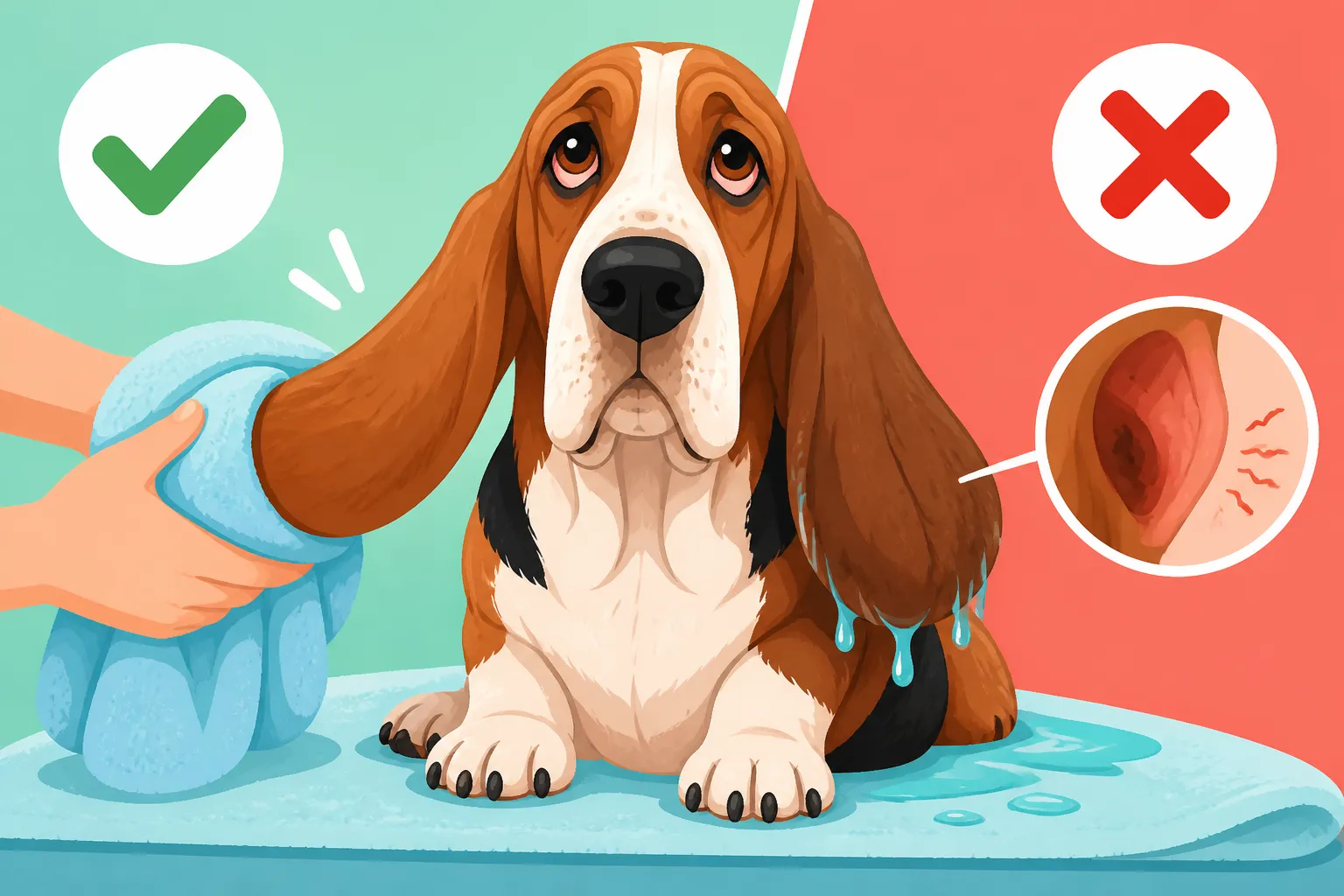
Whether a Basset Hound’s Ears Should Be Dried After a Bath
As a Basset Hound parent, you know the bath-time struggle is real. The suds, the shake-offs, the sheer determination of a Basset not to be scrubbed. But once the ordeal is over, a critical question often comes to mind: what about those magnificent, pendulous ears? Leaving a Basset Hound's ears wet after a bath isn't just a minor oversight; it's a direct invitation to the kind of chronic, painful ear infections that are a hallmark of the breed, and this guide will walk you through exactly why proper drying is non-negotiable and how to make it part of your routine.
The Anatomy of a Basset Hound's Ear and Why It Matters for Moisture
Let's be honest, those long, floppy ears are one of the most endearing features of a Basset Hound, right? They're practically a breed signature. But what makes them so charming is also what makes them a veritable hazard zone for moisture and potential infections. Understanding the unique structure of a Basset's ear is the first step in appreciating why drying them thoroughly after a bath is so crucial. It’s not just about a damp spot; it’s about preventing a perfect storm for trouble.
The Deep, Narrow Canal
Imagine a winding tunnel, deep and not very wide. That's pretty much what a Basset Hound's ear canal looks like. Unlike many other breeds with more open, airy ear canals, the Basset's is designed in a way that makes air circulation incredibly challenging. When water inevitably makes its way in during a bath, or even just from humidity, it doesn't just evaporate easily. Instead, it gets trapped, pooling in the depths of that canal, setting the stage for bigger problems down the line. It's like leaving a damp sponge in a dark cupboard – it's going to get funky, fast.
This anatomical quirk means that while a quick shake might get some of the water out for other dogs, for a Basset, it's rarely enough. The water lingers, creating a consistently moist environment deep inside. This isn't just uncomfortable for your hound; it actively undermines the natural defenses of the ear, making the delicate skin lining the canal more susceptible to irritation and infection. It's a design flaw, in a way, but one that with diligent care, we can absolutely manage. You might find yourself thinking, "Why on earth would nature design an ear like this?" and trust me, you're not alone in that frustration!
The Long, Heavy Pinnae
Now, let's talk about those glorious, velvety ear flaps – the pinnae. They're so long they can almost reach your Basset's chin, often dragging on the ground when they're sniffing a particularly interesting scent. While these long ears are fantastic for sweeping scents up towards their super-sensitive noses, they also act like heavy, furry curtains, sealing off the ear canal from the outside world. This lack of external airflow is the second strike against natural drying. Why a Basset Hound's Ear Canal Never Dries
Think about it: when you get out of the shower, you might towel dry your hair, but then air helps finish the job, right? For a Basset, those long ears block any air from circulating into the canal, trapping any moisture even more effectively. It creates a dark, warm, humid microclimate that is just perfect for undesirable guests to set up shop. This isn't just an inconvenience; it's a constant factor in their ear health that we, as their caregivers, need to actively counteract. It’s another reason why a casual approach to post-bath ear care just won’t cut it for our long-eared companions.
The Perfect Breeding Ground
Put the deep, narrow canal and the airflow-blocking pinnae together, and what do you get? A wonderfully dark, warm, and moist environment – the absolute ideal breeding ground for bacteria and yeast. These microscopic organisms are naturally present on a dog's skin and in their ears, but in small, balanced quantities, they don't cause trouble. However, introduce excessive moisture and warmth, and they can proliferate rapidly, leading to an overgrowth that causes infection. It's a common story for Basset Hound owners.
This humid haven isn't just about simple growth; it's about creating an imbalance. The normal protective mechanisms of the ear get overwhelmed, and suddenly, you're dealing with an angry, itchy, painful infection. This is why many Basset Hound owners become intimately familiar with the distinct, often yeasty smell of an infected ear. It’s a tell-tale sign that the environment inside has gone awry, and more often than not, it started with some lingering moisture. Ignoring this perfect storm means almost guaranteeing a trip to the vet for ear trouble. The Ear Infections That Never Really Leave a Basset Hound
The Risks of Undried Basset Hound Ears
If the idea of a perfect breeding ground wasn't enough to convince you, let's talk about the tangible consequences of letting those Basset ears stay damp. It’s not just a theoretical risk; it’s a reality that countless Basset Hound owners face, leading to discomfort for their beloved pets and significant veterinary bills for their humans. Understanding these risks can motivate you to be extra diligent.
Chronic Ear Infections
The most common and frustrating consequence of undried ears is, without a doubt, chronic ear infections. These can be bacterial, yeasty, or often a delightful combination of both. You might notice your Basset shaking their head excessively, scratching at their ears, or holding one ear down. There might be a noticeable odor, ranging from sweet and yeasty to downright foul, and a discharge that can be brown, black, yellow, or even bloody. It’s a cycle many Basset owners know too well: treat an infection, it seems to clear, and then it comes right back (see Whether a Basset Hound's Ear Odor Is Normal).
These infections aren't just an occasional nuisance; they can become a persistent problem that requires ongoing management. The moist environment facilitates the growth of these pathogens, and once they've taken hold, they can be difficult to eradicate completely, especially if the underlying moisture issue isn't consistently addressed. This constant battle against infection takes a toll on your dog, causing them significant distress, and on your wallet. It's truly one of the main reasons Basset Hounds end up at the vet.
Pain and Discomfort
Beyond the annoyance of itching and head shaking, ear infections are genuinely painful. Imagine having an inflamed, itchy, throbbing ear that you can't properly scratch. The ear canal can become swollen, red, and hot to the touch. Your Basset might become withdrawn, lethargic, or even aggressive when you try to touch their head or ears because of the intense pain. They might lose their appetite or seem generally out of sorts.
This isn't just about a localized irritation; it can impact their overall well-being. A dog in constant pain isn't a happy dog. The discomfort can lead to changes in behavior, making them less playful and more irritable. It's heartbreaking to see your usually jovial Basset suffering, and much of this suffering is preventable with proper ear care. A little extra time spent drying those ears can save your hound from a world of pain.
Secondary Complications
If chronic ear infections aren't addressed, they can lead to a cascade of more severe secondary complications. One common issue is an aural hematoma, which occurs when a Basset shakes its head so violently due to discomfort that blood vessels in the ear flap rupture, creating a swollen, blood-filled pouch. This requires veterinary intervention, often surgery, and can be quite painful. What an Aural Hematoma Repair Costs on a Basset Hound
Furthermore, persistent inflammation and infection can cause the ear canal itself to thicken and narrow, a condition called stenois. In severe cases, the canal can even close up entirely, trapping infection and making treatment nearly impossible without drastic measures. This severe narrowing or closing of the ear canal often necessitates extensive surgery, known as a Total Ear Canal Ablation (TECA), which is a major, invasive, and costly procedure. In some cases, severe, untreated infections can even lead to hearing loss. Whether a Basset Hound Needs Ear Surgery or Whether a Basset Hound's Ear Canal Closes Up.
These complications highlight just how critical proactive ear care is. What starts as a simple oversight after a bath can escalate into conditions that seriously impact your Basset's health and require significant financial and emotional investment.
Essential Drying Techniques After a Basset Hound's Bath
Okay, we've established why it's vital to dry your Basset's ears. Now, let's get into the how. It’s not just about a quick ruffle; it’s about systematic, thorough drying. Making this a positive experience for your Basset is key, so grab some treats and prepare for patience!
Gentle Towel Drying
The first line of defense against damp Basset ears is a good, old-fashioned towel. After rinsing all the shampoo out, gently squeeze any excess water from the ear flaps. Then, take a soft, absorbent towel – a microfiber towel works wonders here – and gently blot the outer and inner surfaces of the ear flaps. Don't rub vigorously, as this can irritate the delicate skin and even push water deeper into the ear canal. The goal is to absorb, not abrade.
Next, you'll need to get into the crevices. Gently fold back the ear flap and use the corner of the towel or a dry cotton ball (never a cotton swab for the inner canal!) to meticulously blot the visible parts of the ear canal entrance and any folds. You want to absorb as much surface moisture as possible. Pay special attention to the deep folds and wrinkles around the ear opening where water loves to hide. Making this a gentle, positive experience with praise and treats will go a long way in making your Basset tolerate, and perhaps even enjoy, this necessary step.
Low-Heat Hair Dryer (with extreme caution)
For those extra-damp ears, or Bassets prone to recurring infections, a low-heat hairdryer can be a powerful ally, but it must be used with extreme caution. The key here is "low heat" and "distance." Never use hot air, which can burn their sensitive skin or even damage their eardrums. Always test the air temperature on the back of your hand first to ensure it's comfortably warm, not hot.
Hold the dryer several inches away from the ear, directing the airflow into the opening of the canal and along the inside of the ear flap. Gently lift the ear flap to allow the air to circulate. Keep the dryer moving, never concentrating the heat in one spot. It’s more about circulating air to aid evaporation than blasting hot air. If your Basset is sensitive to the noise, start by simply turning the dryer on in another room, then in the same room, gradually moving closer over several sessions, associating the sound with treats and praise. The goal is to dry, not to scare or hurt them.
Ear Cleaners and Drying Solutions
Even with thorough towel and blow drying, a Basset Hound's ear canal is still a challenge. This is where specialized ear cleaners or drying solutions come in incredibly handy. Many reputable brands offer formulas designed specifically to dry out the ear canal while also cleaning it. Look for solutions that contain ingredients like boric acid, salicylic acid, or witch hazel, which have drying and antiseptic properties. Always choose products designed for veterinary use or recommended by your vet. You can often find these reliable products on sites like Chewy or Amazon.
To use them, gently lift your Basset's ear flap, insert the nozzle into the ear canal (without going too deep), and squirt in the recommended amount of solution. Then, massage the base of the ear for about 30 seconds to help the cleaner distribute throughout the canal and break up any debris. You'll hear a satisfying squishing sound! After massaging, allow your Basset to shake their head – which they will enthusiastically do – to dislodge any loosened debris and excess solution. Finally, use cotton balls or a soft cloth to wipe away any visible discharge and excess liquid from the outer ear. This step is particularly effective for getting at moisture trapped deep inside after a bath. Which Ear Cleaner Suits a Basset Hound
Establishing a Comprehensive Ear Care Routine
Drying ears after a bath is a vital step, but it’s just one piece of the puzzle for maintaining optimal Basset Hound ear health. A truly comprehensive approach integrates drying into a broader routine of checks and preventative measures. This proactive stance can make all the difference in keeping those adorable, yet problematic, ears happy and healthy.
Regular Ear Checks and Cleaning
Beyond bath time, regular ear checks should be a standard part of your Basset's grooming routine. Aim for at least once a week, and certainly more often if your dog is prone to infections or has been swimming. Gently lift their ear flaps and visually inspect the inside of the ear. Are the skin and hair healthy-looking? Is there any redness, swelling, or discharge? Is there an unusual odor? A healthy ear should be relatively clean, pale pink, and free of strong smells.
If you notice any early signs of irritation or a build-up of wax, that's your cue for a gentle cleaning with a veterinary-approved ear cleaner. Don't wait until an infection is raging. Proactive cleaning can often prevent minor issues from escalating. Remember, consistency is key here. How Often a Basset Hound's Ears Must Be Cleaned It’s all part of The Twice Weekly Ear Ritual a Basset Hound Owner Signs Up For.
Post-Swim Care
Basset Hounds aren't typically known as avid swimmers, and for good reason – their dense bones and short legs aren't exactly hydrodynamic! However, if your Basset does enjoy a splash, or even just gets wet playing in puddles or wet grass, their ears are just as vulnerable to moisture as they are after a bath. Immediately after any water exposure, the same thorough drying techniques apply. Towel dry meticulously, and if necessary, use a low-heat hairdryer or a drying ear solution.
For Bassets who love water, consider using a preventative drying ear cleaner specifically formulated for post-swim use. These often contain mild alcohols or acids that help evaporate water and adjust the pH inside the ear, making it less hospitable for yeast and bacteria. Ignoring post-swim ear care is just as risky as neglecting it after a bath, leading to the same uncomfortable consequences. Whether a Basset Hound's Ears Should Be Dried After Swimming
Training for Ear Handling
Let's face it, most dogs aren't thrilled about having their ears poked and prodded, and Basset Hounds are no exception. Their deep ears and the potential for discomfort mean they might develop an aversion to ear care. This is why positive reinforcement and desensitization are so important, starting from a young age if possible. Make ear handling a calm, positive experience, associating it with treats, praise, and gentle touches.
Start with simply touching their ear flaps, giving a treat. Gradually progress to lifting the ear, looking inside, gently blotting, and eventually to full cleaning and drying. Keep sessions short and always end on a positive note. If your Basset resists, don't force it, but rather take a step back and make the experience more positive and less invasive next time. A cooperative Basset will make ear care far less stressful for both of you, making it more likely you'll stick to the routine. Teaching a Basset Hound to Tolerate Ear Cleaning A little upfront work here can save you a lot of wrestling and frustration down the line, and potentially What Chronic Ear Treatment Costs a Basset Hound Owner.
Here's a quick comparison of common drying methods:
| Method | Pros | Cons | Best For |
|---|---|---|---|
| Towel Drying | Gentle, accessible, non-intrusive | May not reach deep moisture | Initial surface drying, sensitive Bassets |
| Low-Heat Hair Dryer | Effective for evaporating deep moisture | Can be noisy, risk of burns if not careful, requires acclimatization | Thorough drying, Bassets prone to deep infections |
| Drying Ear Solutions | Specifically formulated to dry and clean | Requires direct application into canal, Basset may shake vigorously | Post-bath/swim, preventative care, managing moisture |
Taking the time to dry your Basset Hound's ears thoroughly after a bath, and incorporating it into a consistent ear care routine, is one of the most important things you can do for their long-term health and comfort. It prevents painful infections, avoids costly veterinary interventions, and ultimately ensures your beloved hound can enjoy life without the constant irritation of problematic ears. It might feel like a chore sometimes, but trust me, your Basset will thank you for it with every happy, healthy shake of those magnificent ears.
Disclaimer
This article is for general informational purposes only and does not constitute professional advice. Laws, prices and regulations vary by location and change over time. Consult a qualified professional for guidance on your specific situation.