Whether a Basset Hound Needs Glucosamine Early
It's a question many Basset Hound owners find themselves grappling with, often with a worried glance at their beloved low-rider's famously sturdy yet somewhat challenged physique: "Does my Basset Hound puppy, or even a young adult, really need glucosamine early on?" You're not alone in pondering this. The thought of giving supplements to a seemingly healthy young dog can feel a bit like overkill, or even a slippery slope, but the truth is, Basset Hounds come with a unique set of structural considerations that make this a very valid and important discussion for any responsible owner. This guide is here to help you navigate the complexities of Basset Hound joint health and understand when, or if, early glucosamine supplementation might be a beneficial path for your floppy-eared friend.
Understanding the Basset Hound's Unique Joint Challenges
Let's be frank: the Basset Hound's charming, distinctive build, while utterly endearing, is also a source of some significant musculoskeletal vulnerabilities. Those short, powerful legs, that long, heavy body, and their substantial bone structure aren't just for show or tracking scents low to the ground; they also put a particular kind of stress on their joints. It's not a flaw in the breed, per se, but rather an inherent characteristic that owners simply need to be aware of and proactively manage.
Thinking about their physical makeup, it's easy to see why joint health is such a pervasive concern. Unlike many other breeds that might face joint issues later in life due to aging or injury, Basset Hounds often contend with conformation-related stresses from a much younger age. It's like building a bridge with a unique architectural design – it might be beautiful, but you need to understand where the stress points are and reinforce them appropriately. This isn't about fear-mongering; it's about informed care.
The Anatomy of a Basset Hound's Joints
A Basset Hound's skeletal structure is a masterpiece of specialized breeding, but it comes with a trade-off. Their short, thick, and often bowed front legs, a trait known as achondroplasia, means their bones develop differently than a dog with standard leg length. This isn't just a cosmetic feature; it affects the angles and mechanics of every joint, from their shoulders down to their paws. Imagine the cumulative impact of carrying a relatively heavy, long torso on those short limbs. It's a constant, low-level strain that can, over time, lead to wear and tear.
Consider their elbows, for instance. Due to their unique leg structure, the bones in a Basset Hound's foreleg—the ulna and radius—don't always align perfectly, leading to conditions like Elbow Dysplasia in a Basset Hound. This misalignment can cause abnormal pressure and friction within the joint, eventually eroding cartilage. Their hips, while perhaps not as overtly challenged as their elbows, are still subject to significant forces from their weight and gait, making conditions like hip dysplasia a concern, even if less prevalent than in some larger breeds. Then there's their remarkably long and often somewhat flexible spine, which, coupled with their low-slung body, makes them particularly susceptible to disc issues. It's a lot for those joints to contend with, day in and day out, even when they're just ambling around the house.
Genetic Predispositions and Early Onset Issues
Beyond the sheer mechanics of their build, Basset Hounds also carry genetic predispositions to certain joint and skeletal conditions. This means that even with the best care, some individuals may develop problems simply because it's "in their cards." Conditions like Why One Basset Hound in Seven Has Bad Elbows can manifest at a relatively young age, sometimes even before a puppy reaches full maturity. Hip and elbow dysplasia, while often associated with larger breeds, are certainly not unheard of in Bassets and can contribute to discomfort and mobility issues as they grow.
Perhaps the most notorious concern for Bassets, however, is Intervertebral Disc Disease (IVDD). Their long backs, a hallmark of the breed, make them prone to Intervertebral Disc Disease in a Basset Hound. While IVDD typically presents in middle age, the underlying structural vulnerability is present from puppyhood. A seemingly innocent jump off the couch or a misstep could, in theory, trigger an episode much earlier if the discs are already compromised. These genetic factors mean that preventative or supportive care is often a conversation to have with your vet much earlier than you might for a less predisposed breed. It's about recognizing that "normal" for a Basset might mean proactive measures that wouldn't be necessary for other breeds.
What Glucosamine Is and How It Might Help
So, with all these joint concerns swirling, it's natural that glucosamine often enters the conversation. But what exactly is it, and how is it supposed to work its magic? It's not a cure-all, and it's certainly not a painkiller, but for many, it's considered a key player in supporting long-term joint health. The concept is that by providing the building blocks for healthy cartilage, we can help maintain joint function and potentially slow down the degenerative processes that can lead to discomfort and reduced mobility.
Many owners reach for glucosamine and chondroitin supplements when they start to notice stiffness or signs of aging in their dogs. However, for breeds like the Basset Hound, the discussion sometimes shifts to whether it's beneficial to start before obvious symptoms appear, as a proactive measure. This is where the "early" aspect of the question truly comes into play, aiming to shore up those joint defenses before they're even seriously challenged.
The Role of Glucosamine in Cartilage Health
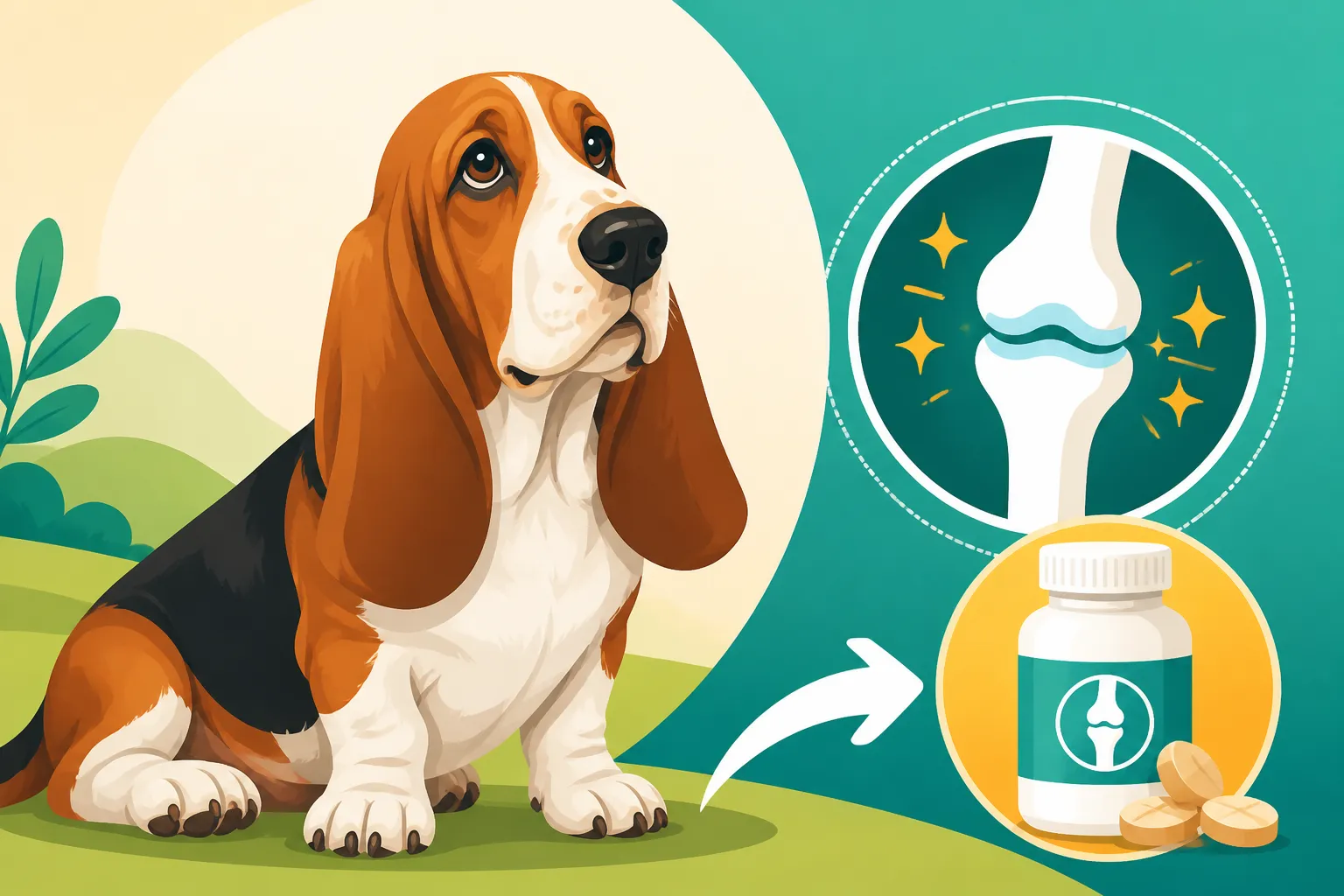
At its core, glucosamine is an amino sugar that occurs naturally in the body. It plays a crucial role in forming and repairing cartilage, which is that rubbery, protective tissue that cushions the ends of bones in a joint. Think of cartilage as the shock absorber for your Basset's joints, allowing bones to glide smoothly over each other without friction. When this cartilage starts to wear down, often due to age, injury, or the constant stress from a unique anatomy, the joint becomes inflamed, painful, and less mobile.
Glucosamine acts as a building block for glycosaminoglycans (GAGs), which are major components of cartilage. By providing supplemental glucosamine, the theory is that we're giving the body more raw materials to maintain and repair this vital cushioning. It's not about regrowing lost cartilage, which is generally not possible, but rather about supporting the existing cartilage and potentially reducing further degradation. Chondroitin, often paired with glucosamine, is another natural substance found in cartilage. It's believed to give cartilage elasticity and help inhibit enzymes that destroy cartilage, effectively working hand-in-hand with glucosamine to promote a healthier joint environment.
Different Forms of Glucosamine and What to Look For
When you start looking at glucosamine supplements, you'll quickly notice there isn't just one type. The most common forms you'll encounter are glucosamine hydrochloride (HCl) and glucosamine sulfate. While both are used, many studies suggest that glucosamine HCl is more concentrated and often considered more stable, providing more active glucosamine per dose. Always check the label to see which form is present and its concentration.
Beyond glucosamine itself, many reputable joint supplements for dogs include other beneficial ingredients. Chondroitin sulfate, as mentioned, is almost always found alongside glucosamine. Other common additions include MSM (methylsulfonylmethane), which is thought to have anti-inflammatory properties, and sometimes even omega-3 fatty acids for their overall anti-inflammatory benefits. Some newer formulations might also include ingredients like avocado/soybean unsaponifiables (ASU) or hyaluronic acid. When choosing a supplement, look for products specifically formulated for dogs and from reputable brands. You might find a wide selection on sites like Chewy or Amazon, but always do your research and read reviews. Discussing options with your vet is also paramount, as they can recommend specific brands or formulations that align with your Basset's needs.
The "Early" Question: When is it Really Necessary?
This is the million-dollar question for Basset Hound owners. Unlike an older dog clearly showing signs of arthritis, the decision to give a young, seemingly healthy Basset Hound glucosamine is a nuanced one. There's no universal "right age" that applies to every dog, but for breeds with known predispositions to joint issues, the conversation often starts earlier. It's about balancing the potential benefits of proactive support against the idea of unnecessary supplementation.
Many vets adopt a "wait and see" approach for healthy, low-risk breeds, but a Basset Hound rarely falls into that low-risk category. Their unique conformation and genetic tendencies mean that even without overt symptoms, their joints might be experiencing a level of stress that could benefit from early support. The goal isn't to prevent genetic conditions from ever occurring, but rather to potentially mitigate their severity or delay their onset, giving your Basset a longer, more comfortable life.
Puppyhood vs. Adulthood: Debating Proactive Versus Reactive Supplementation
The idea of giving glucosamine to a Basset Hound puppy can feel quite unusual. Puppies are bundles of energy, right? They're constantly growing and developing. However, for a Basset Hound puppy, especially one from lines with a history of joint issues, the discussion might start before they even hit their first birthday. Some breeders and veterinarians advocate for starting joint support as early as 6-12 months of age, particularly if the puppy is large for its age or shows any early signs of awkward movement. The rationale here is to support the rapid growth of cartilage and bone during this critical developmental period, ensuring the joints have all the building blocks they need.
For an adult Basset Hound (say, from 1-6 years old) who isn't yet showing overt signs of stiffness or pain, the decision often comes down to individual risk factors. Is your Basset particularly active? Is he a bit overweight, putting extra strain on those joints? Has he had any minor injuries or lameness in the past? In these cases, proactive supplementation can be seen as a form of "insurance," helping to maintain cartilage integrity before significant damage occurs. It's a different mindset than reactive supplementation, which begins only once symptoms are undeniable, and at that point, you're often playing catch-up.
Factors to Consider Before Starting Early Supplementation
Before you dive into a bag of glucosamine treats or liquid supplements, it's crucial to have an open and honest conversation with your veterinarian. They are your best resource for tailored advice, understanding your individual Basset Hound's health history, genetic background (if known), and lifestyle.
Here are some key factors to discuss:
- Breed Predisposition: For Basset Hounds, this is a big one. Their inherent structure makes them candidates for early consideration.
- Genetic History: If you know the health history of your Basset's parents or grandparents, particularly regarding hip or elbow dysplasia or IVDD, this information is vital. A reputable breeder should provide this. You might even ask Whether a Basset Hound Breeder Should Show Elbow Scores.
- Current Age and Growth Stage: A rapidly growing puppy might have different needs than a fully mature young adult.
- Activity Level: A Basset who is constantly romping and roughhousing, despite their low-rider status, might put more strain on their joints than a more sedate couch potato. However, too little activity can lead to muscle weakness, which is also detrimental.
- Weight Management: This cannot be stressed enough. What Extra Weight Does to a Basset Hound is profound. Even a few extra pounds dramatically increase the load on their joints. Maintaining an ideal weight is perhaps the single most important thing you can do for their long-term joint health.
- Subtle Signs of Discomfort: Keep a keen eye out. Is your Basset slow to rise sometimes? Does he hesitate before jumping (even if he shouldn't be jumping much anyway)? Does he shift his weight awkwardly? These subtle clues might indicate underlying issues.
- Veterinary Assessment: Your vet can perform a physical examination to assess joint mobility, pain, and range of motion. They might even suggest baseline X-rays if there's a strong genetic history or early concerns, though this isn't standard for every young dog.
Based on these factors, your vet can help you decide if and when to introduce glucosamine, and recommend a specific dosage and product. They might suggest a brand like Nutramax's Dasuquin or Cosequin, which are often vet-recommended and can be found at pet supply stores or online through retailers like Chewy or Amazon.
Holistic Approaches to Basset Hound Joint Health
While glucosamine can be a valuable tool, it's never the only answer. A truly comprehensive approach to Basset Hound joint health involves a multi-faceted strategy that incorporates lifestyle, environment, and regular veterinary care. Thinking holistically means looking at every aspect of your Basset's life and making choices that support their unique musculoskeletal needs. After all, a supplement can only do so much if other critical factors aren't addressed.
It's about creating an environment where their joints are protected, their muscles are strong, and their overall well-being is prioritized. This proactive stance isn't just about preventing issues; it's about ensuring your Basset Hound enjoys a happy, comfortable, and mobile life for as long as possible.
Maintaining Ideal Weight
This is, without a doubt, the cornerstone of joint health for a Basset Hound. Those short legs and long back are simply not designed to carry excess weight. Every extra pound your Basset carries puts disproportionate strain on their elbows, hips, and most critically, their spine. Imagine wearing a heavy backpack all day, every day – that's what being overweight feels like for your dog's joints.
Regularly assessing your Basset's body condition is essential. You should be able to easily feel their ribs without pressing hard, and they should have a discernible waistline when viewed from above. If you're struggling to keep the weight off, don't despair; it's a common challenge with food-motivated Bassets! Talk to your vet about a weight management plan. This might involve a specialized diet, portion control, and finding creative ways to increase their activity without overstressing their joints. Brands like Ollie can provide portion-controlled, fresh food options, which some owners find helps manage weight, or your vet might recommend specific prescription weight-loss diets available through online pet pharmacies or directly from your clinic. Remember, Keeping a Basset Hound at Its Correct Weight is one of the most loving things you can do for them.
Controlled Exercise and Safe Movement
While Basset Hounds aren't marathon runners, they do need regular, moderate exercise to maintain muscle tone and flexibility. Strong muscles provide crucial support for their joints and spine. However, the type of exercise and how they move is critical. High-impact activities like jumping, sudden twists, or prolonged running on hard surfaces can be detrimental.
Focus on controlled, low-impact activities. Regular, leisurely walks on soft surfaces like grass or trails are ideal. Swimming can be fantastic for joint health, as it's non-weight-bearing and builds excellent muscle. Consider using ramps for furniture and vehicles to prevent jarring jumps that can injure their back. Whether a Basset Hound Should Use a Ramp is a definite yes in many cases. Teach them to wait patiently rather than leaping, and always lift them properly, supporting their long body, if they must go up or down stairs. How to Lift a Basset Hound Safely is a skill every Basset owner should master. Short, frequent play sessions are better than one long, intense burst of activity. Think about enrichment activities like scent work (which Bassets excel at) that engage their minds without putting undue stress on their bodies.
The Importance of Regular Veterinary Check-ups
Even with all the proactive care in the world, regular veterinary check-ups remain indispensable. Your vet is your partner in managing your Basset Hound's health. During these visits, they can thoroughly assess your dog's mobility, palpate their joints, and catch any subtle signs of discomfort or developing issues that you might miss.
These check-ups are also the perfect opportunity to discuss any concerns you have about your Basset's gait, activity level, or general well-being. Your vet can monitor their weight, recommend appropriate diets, and advise on the most suitable supplements, dosages, and brands for your individual dog. They can also guide you on physical therapy exercises or lifestyle modifications if needed. Early detection and intervention are key to managing joint conditions effectively, and your vet is the primary driver of that crucial early insight. Don't underestimate the power of regular professional oversight in keeping your Basset Hound's joints as healthy as possible throughout their life.
Conclusion
The question of whether a Basset Hound needs glucosamine early isn't a simple yes or no; it's a thoughtful consideration of their unique physiology, genetic predispositions, and individual circumstances. While not every young Basset Hound will require early supplementation, their distinctive short legs, heavy bodies, and long backs mean they are inherently predisposed to joint challenges like elbow dysplasia, hip dysplasia, and Intervertebral Disc Disease. Being proactive, rather than reactive, is often the wisest course of action for this beloved breed.
Ultimately, the decision to introduce glucosamine or other joint supplements early should always be made in close consultation with your veterinarian. They can provide personalized advice based on your Basset's specific health profile, age, activity level, and any known genetic history. Coupled with maintaining an ideal weight, ensuring controlled, appropriate exercise, and making use of ramps to protect their delicate spines, glucosamine can be a valuable part of a holistic strategy to support your Basset Hound's joint health, helping them lead a comfortable and joyful life, full of happy waddles and enthusiastic bays, for many years to come.
Disclaimer
This article is for general informational purposes only and does not constitute professional advice. Laws, prices and regulations vary by location and change over time. Consult a qualified professional for guidance on your specific situation.