Whether a Basset Hound Needs Its Belly Checked for Ticks
For Basset Hound owners, that adorable low-slung body, while charming and iconic, comes with a unique set of challenges – and one of the most persistent worries is the lurking danger of ticks, especially hidden away on their vulnerable underbelly. It’s not just about a quick glance; the truth is, a Basset’s build makes them prime targets for these tiny hitchhikers, and finding them requires a careful, methodical approach that can feel overwhelming if you don't know where to start. This guide will walk you through exactly why your Basset's belly needs special attention, how to perform a thorough check, and what steps to take if you find one of these unwelcome pests.
The Unique Vulnerability of a Basset Hound's Undercarriage to Ticks
Let's be real, a Basset Hound isn't built for high jumps or long-distance running. Their entire magnificent design is about keeping that powerful nose to the ground, trailing scents with unwavering determination. While this makes them incredible scent hounds, it also means their entire undersurface, from their chest to their belly and inner thighs, is in constant, intimate contact with the very environments where ticks thrive. It's not a flaw in their design, just a fact of their breed that we, as their devoted caretakers, need to be aware of and proactively manage.
Why Their Signature Low Stance Becomes a Tick Magnet
Think about your Basset during a walk in the park, a sniffari around the backyard, or even just lounging in a grassy patch. Their short, stout legs, a characteristic often pondered in discussions like Why a Basset Hound's Legs Are So Short, keep their belly almost brushing against the ground. This isn't just about mud; it's about constant exposure to grass, leaf litter, low-lying shrubs, and undergrowth – all prime habitats for ticks waiting to latch onto a passing host. While other dogs might pick up a tick or two on their legs or chest, a Basset is essentially 'sweeping' these areas with their entire underside, making their belly an exceptionally high-risk zone.
Imagine your Basset meandering through slightly overgrown grass in your garden. For a taller dog, only their legs might brush the tips. But for a Basset, their entire torso is parting the blades, creating a direct pathway for any tick residing there to scramble aboard. This constant contact means that even a short stroll can result in a tick finding its way onto your hound's skin. It’s not a matter of if they'll encounter ticks, but when, and their low profile amplifies the chances of attachment. This proximity to the ground also makes them susceptible to various environmental irritants, something to keep in mind for their overall skin health.
The Hidden Havens: Skin Folds and Sparse Belly Fur
Once a tick has made its way onto your Basset's body, their unique physical attributes provide ideal hiding spots. Basset Hounds are known for their wonderfully loose skin, forming adorable wrinkles around their face and neck, but also often presenting subtle folds and creases along their belly and groin. These folds are fantastic for trapping scent, as discussed in posts about The Skin Under a Basset Hound's Folds, but they are equally excellent at creating warm, dark, protected crevices where a tick can burrow in undisturbed. These areas offer the perfect sanctuary from grooming hands or even casual glances.
Furthermore, while a Basset's coat is generally short, the fur on their belly can be thinner and sparser than on their back or sides. This might seem like a good thing because it theoretically makes ticks easier to see, but it also means there's less hair to impede a tick's progress to the skin. Once attached, the tick can quickly swell, but in its initial stages, it can be incredibly tiny and hard to spot, nestled deeply within a skin fold or tucked into a tuft of slightly longer belly fur. This combination of low-lying exposure and ample hiding spots makes a meticulous belly check not just recommended, but absolutely essential for every Basset owner.
Mastering the Art of the Belly Tick Check on Your Basset Hound
Let's face it, getting a Basset Hound to lie still for a thorough inspection can sometimes feel like trying to convince a stubborn mule to join a ballet class. They're often focused on their own agenda, usually involving food or a particularly enticing smell. But with patience, positive reinforcement, and the right approach, you can turn this vital health routine into a calm, even pleasant, bonding experience for both of you.
Preparing for a Calm and Thorough Inspection
The key to a successful tick check is preparation, both for yourself and your Basset. First, choose a quiet time when your dog is relaxed, perhaps after a meal or a gentle walk, but definitely not when they’re full of zoomies or still buzzing from an exciting outdoor adventure. A calm environment helps them feel secure and makes them more cooperative. Lay out a soft, comfortable blanket or bed on the floor – this makes the surface more inviting than a cold, hard floor and is kinder on their joints, especially if you have an older hound. You might even consider placing it on a raised, sturdy surface if your Basset tolerates it, which can save your back, but always prioritize safety and comfort, remembering that Keeping a Basset Hound Off the Furniture It Should Not Jump From is often about protecting their fragile spine.
Gather your tools beforehand so you're not fumbling around mid-check. You'll want a good light source (a headlamp works wonders, freeing up both hands), a fine-toothed comb (like a flea comb, useful for parting fur), a tick removal tool (there are several excellent designs that grasp the tick without squeezing its body), antiseptic wipes or rubbing alcohol, and a small sealed container or ziplock bag to put any removed ticks in (to dispose of them safely, and in case your vet wants to see them). Many of these items, from tick removers to antiseptic wipes, are readily available online through retailers like Chewy or Amazon, making it easy to stock up on your tick-check arsenal. Having treats on hand is non-negotiable – reward cooperation, even if it's just for lying still for a few seconds. This positive association is crucial, much like when you're working on Teaching a Basset Hound to Have Its Ears Handled for cleaning.
A Step-by-Step Guide to Effective Belly Examination
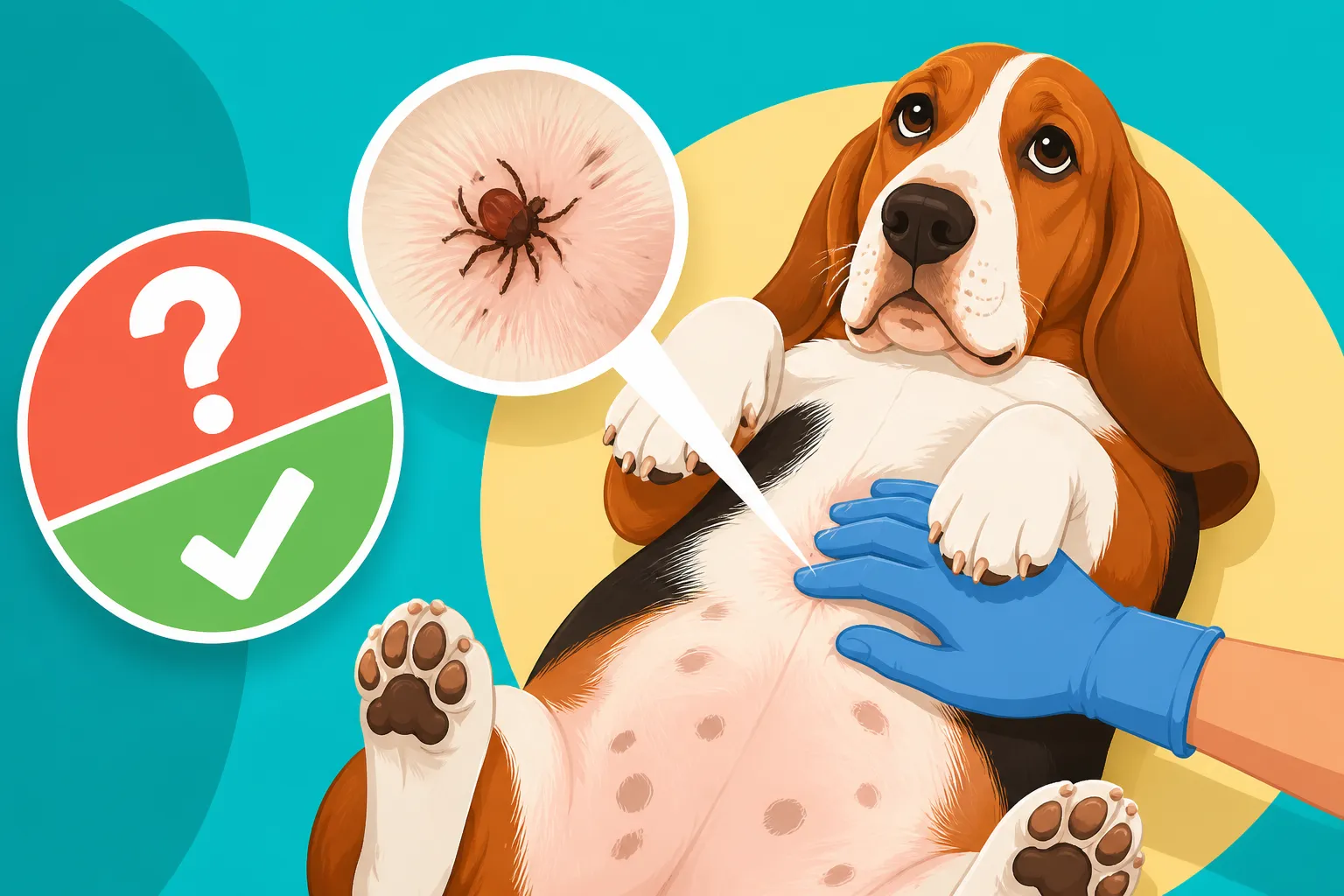
Now for the hands-on part. Get down on the floor with your Basset. Gently encourage them to lie on their side. If they're a bit resistant, start by just petting and praising them. Offer a treat. Once they’re settled, begin at their armpit area and work your way down towards their groin. Use your fingers to systematically part the fur, visually scanning the skin for any dark spots, bumps, or irregularities. Remember, ticks can be as small as a poppy seed before they've engorged, so you're looking for tiny details.
After the visual inspection, switch to a tactile one. Use the pads of your fingers, gently but firmly, to feel for any raised bumps, scabs, or unusual textures. Run your hands over every inch of their belly, paying extra close attention to those loose skin folds, the creases in their groin, and around their private areas. Ticks often feel like a small, firm pea or a tiny, hard scab attached to the skin. Don't forget their inner thighs and tail base, areas that are also close to the ground. If you find something suspicious, use your light source and gently part the fur to get a closer look. Sometimes it might just be a nipple, a skin tag, or a scab, but it's always better to investigate thoroughly. Make this a part of your regular grooming routine, just like considering How Often a Basset Hound Should Be Bathed, because consistency is key to catching ticks early.
Swift Action: Removing a Tick and What Comes Next
Discovering a tick embedded in your Basset's skin can be alarming, especially on their delicate belly, but panicking won't help. The most important thing is to remove it safely and as quickly as possible to minimize the risk of disease transmission. Remember, your calm demeanor will help keep your Basset calm too.
The Right Way to Evict an Unwanted Guest
Once you've confirmed it's a tick and not just a benign skin tag or a speck of dirt, grab your trusty tick removal tool or a pair of fine-tipped tweezers. The goal is to grasp the tick as close to your Basset's skin as possible, avoiding squeezing the tick's body, which can inadvertently inject more potentially harmful bacteria into your dog. If using tweezers, spread them open and slide them under the tick's body until they are flush against the skin. Then, close the tweezers and pull straight upwards with a steady, firm pressure. Do not twist, jerk, or wiggle. If you use a specialized tick removal tool, follow its specific instructions, which usually involve sliding it under the tick and twisting or lifting.
The key is to remove the entire tick, including its head. If parts of the tick remain embedded, it can lead to irritation, infection, or a localized reaction. Don't be too rough; a Basset's skin can be quite sensitive. After removal, inspect the tick to ensure it's intact. Place the tick in your sealed container with a tiny bit of rubbing alcohol to kill it. This way, if your Basset develops symptoms later, you can show the tick to your vet for identification. While we always hope for the best, it's wise to be prepared for all eventualities, as emergency situations can arise, and knowing What a Basset Hound's Emergency Surgeries Cost reminds us of the importance of preventative care.
Post-Removal Care and Vigilance for Tick-Borne Concerns
After successfully removing the tick, clean the bite area on your Basset's belly with an antiseptic wipe or rubbing alcohol. You might notice a small red bump, which is normal and similar to a mosquito bite. Keep an eye on the area for the next few days to ensure it doesn't become overly red, swollen, painful, or develop pus, which could indicate a localized infection.
Beyond the immediate bite site, your vigilance must extend to your Basset's overall health for several weeks. Ticks can transmit various diseases, such as Lyme disease or Anaplasmosis, and symptoms might not appear for days or even weeks after the bite. Watch for signs like lethargy, loss of appetite, lameness (especially shifting lameness where one leg is affected, then another), fever, swollen joints, or any other unusual changes in behavior. If you notice any of these symptoms, contact your veterinarian immediately. Be proactive; early detection and treatment of tick-borne diseases are crucial for your Basset's prognosis. Regular vet check-ups are always a good idea, and understanding What Basset Hounds Are Most Often Treated For can give you an idea of common health concerns, including those related to ticks.
Preventing Ticks on Your Basset Hound's Belly and Beyond
While diligent tick checks are crucial, prevention is always the best defense. Living with a Basset Hound means accepting that they're going to explore, sniff, and inevitably come into contact with environments where ticks reside. However, by implementing effective prevention strategies, you can significantly reduce their risk of infestation and the potential health problems that come with it.
Effective Tick Prevention Products
The market is flooded with various tick prevention products, and it can be a bit overwhelming to choose the right one for your Basset Hound. These products come in several forms, each with its own advantages:
- Topical Spot-Ons: These liquid treatments are applied to a small area on your dog's skin, usually between the shoulder blades, and spread across their body. They typically repel and/or kill ticks on contact. Brands like Frontline or K9 Advantix are popular examples.
- Oral Medications: These are chewable tablets that your dog ingests. They work by entering your dog's bloodstream and killing ticks that attach and bite. Bravecto, NexGard, and Credelio are common oral preventatives. These offer the advantage of not washing off and are often preferred for dogs who swim or are bathed frequently.
- Tick Collars: Certain collars release active ingredients that repel or kill ticks. Seresto is a well-known brand that provides long-lasting protection. Ensure the collar fits snugly but comfortably and that your Basset doesn't try to chew it off.
It's vital to consult your veterinarian to determine the most appropriate tick prevention product for your individual Basset Hound, taking into account their age, health status, lifestyle, and any other medications they might be on. Your vet can provide tailored advice and prescribe prescription-strength options if needed. You can often purchase these products directly from your vet, or sometimes from reputable online pet supply stores like Chewy, after obtaining a prescription. While these preventative measures might seem like an added expense, they are a critical investment in your Basset’s health and can help manage What a Basset Hound Costs a Year to Keep by potentially preventing costly treatments for tick-borne diseases.
Environmental Management and Routine Checks
Beyond direct products, managing your Basset's environment plays a significant role in tick prevention. Keep your yard tidy by mowing grass regularly, trimming shrubs, and removing leaf litter. Ticks prefer shaded, moist areas with dense vegetation, so minimizing these zones around your home reduces their habitat. If you live in a particularly tick-heavy area, you might consider professional pest control for your yard, though always ensure it's pet-safe.
The most critical step, however, is establishing a routine of daily tick checks, especially after any outdoor excursions. Make it a habit to thoroughly check your Basset Hound every single day, focusing not just on their belly, but also behind their ears, in their armpits, between their toes, and around their tail. Early detection is paramount. The sooner a tick is found and removed, the less time it has to transmit diseases. Even with preventative medications, a diligent physical check is your best line of defense. Remember, consistency in care, whether it's checking for ticks or ensuring they have an orthopedic bed for a Basset Hound to rest comfortably, contributes significantly to their overall well-being.
Disclaimer
This article is for general informational purposes only and does not constitute professional advice. Laws, prices and regulations vary by location and change over time. Consult a qualified professional for guidance on your specific situation.