Keeping a Basset Hound Off the Furniture It Should Not Jump From
It's a common dilemma for Basset Hound owners: you want your beloved long-bodied, short-legged companion to be comfortable, but their enthusiastic leaps on and off furniture can pose a serious risk to their delicate backs and joints. This guide is here to walk you through why this seemingly innocuous behavior is so dangerous for our low-riders and, more importantly, how you can lovingly and effectively keep your Basset Hound off the furniture they absolutely should not be jumping from, safeguarding their health for years to come.
Understanding Why Basset Hounds and Furniture Don't Mix
You look at those soulful eyes and floppy ears, and all you want is for your Basset to be happy and cozy on the couch right next to you. And for many dogs, a jump onto the sofa is just a jump. But for Basset Hounds, their very design, which we love so much, actually makes furniture-hopping a significant hazard. It’s not just about being told "no"; it's about protecting them from their own structural vulnerabilities.
The Unique Basset Hound Anatomy and Its Vulnerabilities
Let's be real, Basset Hounds are built unlike most other dogs. They possess what's called a chondrodystrophic build – essentially, a genetic trait that results in disproportionately short limbs. Think of that long, substantial body perched atop those delightfully stumpy legs. It's adorable, yes, but it means their spine and joints bear a unique kind of stress. When a Basset jumps, whether it's up onto a high bed or down from a sofa, that long spine acts like a lever, and the impact concentrates immense force on their intervertebral discs. Imagine trying to balance a heavy log on two small stilts and then asking it to jump; it's a recipe for disaster. This heavy bone structure, combined with their short limbs, means they don't absorb shock nearly as well as a longer-legged breed might. The forces are simply too great for their specialized architecture to handle repeatedly without consequence.
The Instinct to Be Close to Their People
Despite their independent, scent-driven nature when they're out exploring, Basset Hounds are incredibly social creatures who thrive on companionship. They adore being part of the family "pack" and often crave physical closeness with their humans. For many Bassets, the highest honor is to be curled up right beside you, or even on your lap, if they can manage it. This strong desire for connection is a huge driver for them to try and get onto furniture where you are. They're not being disobedient out of spite; they're simply trying to fulfill a deep-seated need for proximity and comfort. It's hard to deny them that closeness, which is why finding safe alternatives that still allow for bonding is so crucial. We want them to feel loved and included, but not at the expense of their long-term health.
The Lure of the Elevated Viewpoint
While their short stature might seem to limit their horizons, Basset Hounds are surprisingly curious about the world around them. An elevated spot, like a couch or a bed, offers them a completely different perspective. From the sofa, they might be able to gaze out the window at squirrels, watch the mail carrier approach, or simply oversee the bustling activity of the household from a comfortable vantage point. This bird's-eye (or rather, "low-hound's-eye-elevated") view can be incredibly stimulating and satisfying for them. They're keen observers, and getting up high allows them to engage with their environment in a way they can't from floor level. Understanding this motivation helps us realize that simply blocking access isn't enough; we need to offer them enriching alternatives that cater to their observational instincts without risking injury.
Assessing the Risks: What Can Go Wrong When a Basset Jumps
It's not just about a little "ouch" or a clumsy landing. For a Basset Hound, a seemingly harmless jump can lead to chronic pain, expensive surgeries, and a significantly reduced quality of life. The risks are profound, and understanding them deeply can help solidify your resolve to keep your Basset safe.
The Spine: Intervertebral Disc Disease (IVDD)
This is, without a doubt, the biggest concern for our Basset Hounds when it comes to jumping. Intervertebral Disc Disease, or IVDD, is a degenerative condition where the cushioning discs between the vertebrae in their spine begin to harden and protrude or even rupture. Because of their chondrodystrophic genetics, Bassets are predisposed to this condition. Each jump, each sudden twist or awkward landing, puts immense pressure on these already compromised discs. Think of it like a jelly donut: repeated jarring and squishing can cause the jelly to ooze out or the donut to split. When a disc protrudes, it presses on the spinal cord, causing pain, weakness, and potentially even paralysis. In severe cases, emergency surgery is required, which is not only incredibly stressful for your dog but also comes with a significant financial and emotional toll for you. Even with successful surgery, recovery is long and arduous, often involving strict crate rest and physical therapy. Prevention, by managing their environment and discouraging jumping, is truly the best medicine for Intervertebral Disc Disease in a Basset Hound.
Joint Stress: Elbow and Hip Dysplasia
Beyond the spine, a Basset Hound's joints are also at significant risk from high-impact activities like jumping. While their short legs might seem to absorb less impact, the sheer force transferred through their heavier bones can wreak havoc on their elbows and hips, especially if they are already predisposed to conditions like elbow or hip dysplasia. Elbow Dysplasia in a Basset Hound is a particular concern in the breed, a complex condition resulting from abnormal development of the elbow joint. Repetitive impact from jumping can exacerbate existing mild dysplasia, accelerating the onset of pain and arthritis. Similarly, while perhaps less commonly discussed than in some larger breeds, hip dysplasia can also affect Bassets. Each hard landing sends a shockwave through these joints, contributing to the breakdown of cartilage and the development or worsening of painful arthritis. The cumulative effect of these small traumas can lead to chronic lameness, reduced mobility, and a need for ongoing pain management as they age.
Other Potential Injuries
It's not always about a catastrophic spinal injury or a worsening degenerative joint disease, though those are the most serious. Basset Hounds, with their unique proportions and often clumsy demeanor, are also prone to more acute injuries from jumping. They can misjudge distances, slip upon landing, or land awkwardly, leading to a variety of painful issues. We're talking about sprains and strains of muscles and ligaments, which can be incredibly painful and require weeks of restricted activity. In worst-case scenarios, a bad fall could even result in a fracture, especially in their already stressed leg bones. Think about their long, heavy ears, too; sometimes they can even get tangled or stepped on during a clumsy jump, leading to tears or an aural hematoma. It's easy to underestimate the potential for injury in a dog that seems so sturdy, but their distinct build actually makes them quite vulnerable to everyday mishaps.
Proactive Strategies: Preventing Furniture Jumps from the Start
Knowing the risks is one thing, but actually implementing strategies to protect your Basset is where the real work—and love—comes in. It's much easier to prevent a habit from forming than to break an established one, especially when their safety is on the line.
Early Training and Consistent Reinforcement
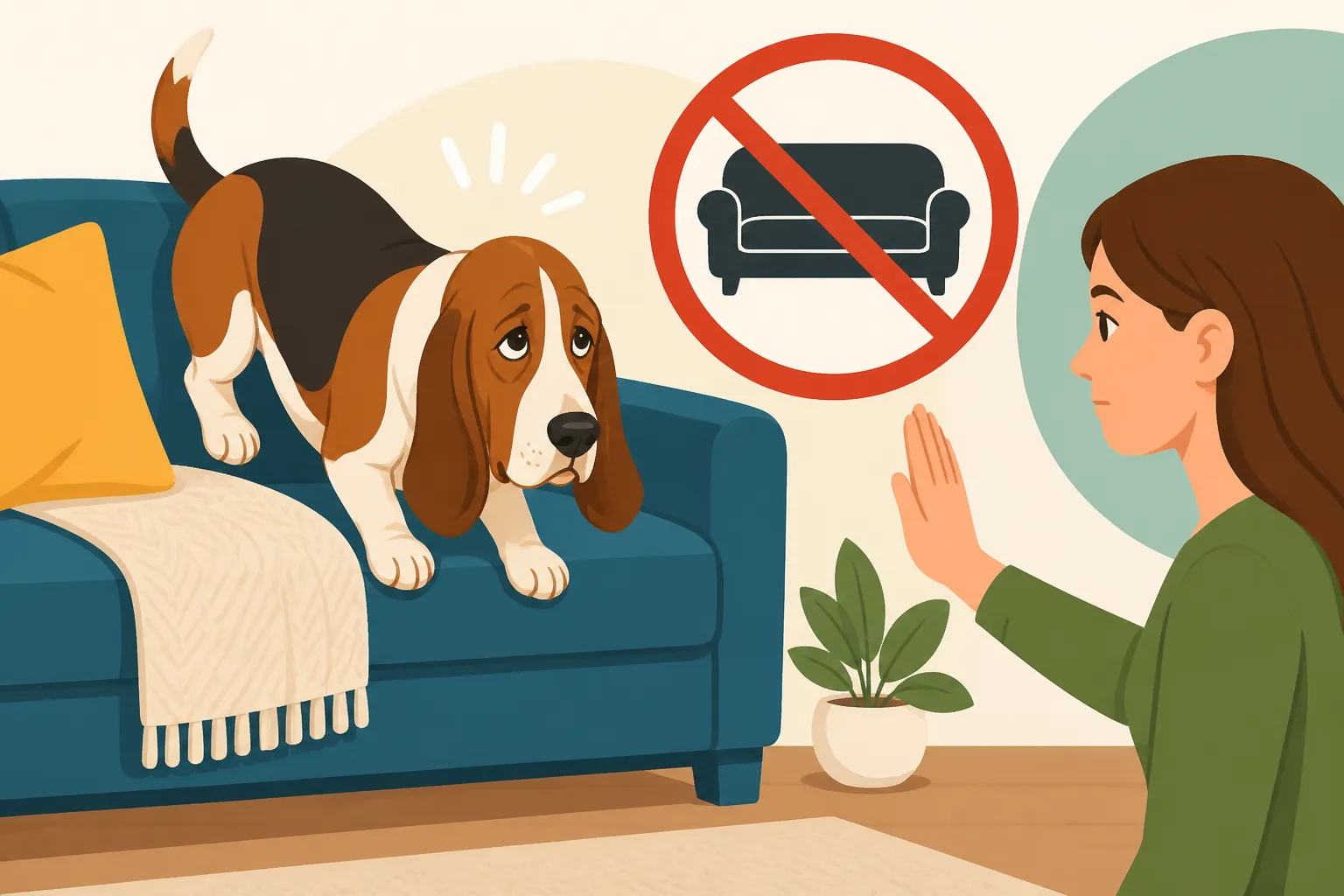
Starting early with training is paramount. Even as puppies, Bassets should be taught that furniture is not for jumping on or off. The key here is consistency, and everyone in the household needs to be on the same page. Teach a clear "off" command – lure them off with a treat, say "off," and reward them when all four paws are on the floor. Don't use force, as this can create fear and resentment. Instead, focus on positive reinforcement. When they choose their designated bed on the floor, lavish them with praise and a special treat. You can also incorporate "place" training, teaching them to go to their bed on command. Make their "place" incredibly inviting and comfortable. The goal is to make staying on the floor a more rewarding experience than attempting to climb onto the sofa. Remember, Basset Hounds might have a reputation for stubbornness, but they are highly food-motivated, so tasty treats can be a powerful training tool.
Creating Inviting Alternatives on the Floor
If you want your Basset off the furniture, you need to offer them an even better spot. This is where creating truly inviting and comfortable alternatives on the floor becomes crucial. Invest in high-quality, orthopedic dog beds that provide excellent support for their long backs and joints. Place these beds strategically near the furniture you usually occupy, so your Basset can still feel close to you without needing to jump up. Consider having multiple beds in different rooms, especially where the family gathers most. For instance, a plush, memory foam bed from Amazon placed right next to your armchair can be a game-changer. Ensure the beds are appropriately sized, allowing them to stretch out fully. Some Bassets also enjoy elevated cots or special mats that give them a slight lift off the cold floor, without being so high that jumping poses a risk. The aim is to make their designated spots so appealing that they naturally choose them over the forbidden sofa. This not only protects their bodies but also satisfies their desire for comfort and companionship. What a Bed That Suits a Basset Hound Costs is worth considering as an investment in their long-term health.
Physical Barriers and Management
Sometimes, training and comfy beds aren't quite enough, especially with a determined Basset Hound or when you can't supervise them constantly. This is where physical barriers and management strategies come into play. Baby gates are your best friend in a Basset Hound household. Use them to block access to certain rooms entirely, or to create a designated "Basset-safe" zone where furniture is either low enough or completely inaccessible. You might place a gate across the entrance to your living room or dining area. For individual pieces of furniture, you can get creative. Placing sturdy boxes, laundry baskets, or even upturned chairs on the sofa when you're not home can deter them from jumping up. Some owners also find success with deterrent mats that emit a static pulse (harmless, but startling) or a loud sound when touched, though these should be used with caution and only after trying positive reinforcement methods first. The idea is to make jumping onto the forbidden furniture unpleasant or impossible, without making their entire home experience negative. Learning What Baby Gates Cost a Basset Hound Owner can help you budget for these essential safety items.
Tools and Aids: Making Furniture Accessible (Safely!)
While the ideal is often to keep them off furniture entirely, sometimes you want your Basset to enjoy the comfort of a couch or bed, especially as they get older. The good news is that there are fantastic tools available to help them access these elevated spots safely, eliminating the dangerous jumping.
The Magic of Ramps
Ramps are truly a Basset Hound owner's best friend. They eliminate the impact of jumping entirely, allowing your dog to walk smoothly up and down from furniture. When choosing a ramp, the incline is critical. It should be gradual enough that your Basset feels comfortable walking up and down without straining. Look for ramps with a non-slip surface, like carpeting or a textured tread, to provide good grip. The ramp should also be sturdy and stable; a wobbly ramp will deter your Basset from using it and could even cause injury. Measure the height of your furniture carefully and select a ramp that can extend to that height with a gentle slope. Place the ramp firmly against the furniture, ensuring there are no gaps or shifts when your Basset uses it. You might need to gently guide them up and down the ramp a few times with treats to help them get accustomed to it. Once they understand how to use it, many Bassets will happily trot up and down, gaining safe access to their favorite elevated spots. This is a topic worth exploring further, such as in Whether a Basset Hound Should Use a Ramp.
Steps Designed for Little Legs
While ramps are generally preferred for their continuous surface and minimal joint stress, dog steps can be an option for lower furniture or for Bassets who struggle with ramps. The crucial difference here is that each step still involves a mini-jump or a significant lift, so they aren't entirely impact-free. If you opt for steps, they must be very shallow and wide, providing a stable platform for each of your Basset's short legs. Look for steps with a low rise between each level, much lower than standard human steps. Like ramps, they need to be incredibly sturdy and have non-slip surfaces. The height of the top step should be flush with the furniture to avoid an awkward final leap. You'll need to teach your Basset to use them slowly and deliberately, one paw at a time. For Bassets with existing back or joint issues, steps might still pose too much of a risk, and a ramp would be a safer choice. Always observe your dog's comfort level and consult your vet if you're unsure.
Lifting Techniques for the Basset Hound Owner
There will inevitably be times when you need to lift your Basset Hound, whether it's into the car, onto the exam table at the vet, or simply onto a piece of furniture that you haven't ramped. Knowing how to lift them correctly is vital to protect both their delicate spine and your own back. Never lift a Basset by their front legs alone, or by the scruff, or by pulling on their collar. The safest way to lift a Basset is to support their entire body. Crouch down, place one arm under their chest between their front legs, and the other arm under their hindquarters, supporting their long back. Lift them smoothly, keeping their body straight and horizontal, minimizing any twisting or bending of their spine. It’s almost like you’re giving them a big hug from underneath. Teach children how to properly interact with and never lift the dog. This technique prevents unnecessary stress on their intervertebral discs and other joints. Mastering this technique is an essential part of responsible Basset Hound ownership, ensuring you can help them navigate situations safely. You can delve into How to Lift a Basset Hound Safely for more detailed instructions.
Managing the Environment: Making Your Home Basset-Friendly
Beyond training and specific aids, thinking about your home environment holistically can make a huge difference in protecting your Basset Hound from jumping-related injuries. A thoughtful setup can minimize opportunities for risky behavior and improve their overall mobility and comfort.
Non-Slip Surfaces and Good Footing
Hard, slippery floors like tile, hardwood, or laminate can be treacherous for Basset Hounds. Their short legs and heavy bodies make them prone to slipping and sliding, especially when trying to gain traction to jump onto or off furniture, or even just moving quickly around the house. These slips can lead to awkward falls, sprains, or even contribute to disc injuries. To mitigate this risk, strategically place rugs and runners throughout your home, especially in high-traffic areas and near furniture. Look for rugs with non-slip backing, or use rug pads to keep them firmly in place. These surfaces provide much-needed grip, allowing your Basset to move with more confidence and reducing the risk of accidental slips and subsequent desperate attempts to regain balance that could strain their back. Creating secure footing is a simple yet incredibly effective way to protect your Basset's joints and spine. Understanding Whether Rugs Help a Basset Hound's Footing is a good starting point.
Strategic Furniture Arrangement
Sometimes, the way your furniture is arranged inadvertently encourages risky behavior. For instance, if your sofa is pushed right up against a large window, your Basset might be more tempted to jump up to gaze outside. Consider rearranging furniture to block access to tempting windows or to create a more direct path to a ramp or steps if you've provided them. You might move a favorite armchair away from a direct jumping spot or place a sturdy, low ottoman nearby that acts as an intermediate step, making the jump less impactful (though a ramp is still preferable). Also, think about the height of surrounding objects. If there's a low table next to a higher couch, your Basset might try to use the table as a launchpad, which could be unstable. Being mindful of these potential "stepping stones" and adjusting your layout can make your home a safer haven for your Basset.
Providing Appropriate Enrichment and Exercise
A bored Basset Hound is a creative Basset Hound, and that creativity can sometimes manifest in undesirable behaviors like trying to conquer the forbidden furniture. Ensuring your Basset receives adequate mental and physical stimulation for their breed is essential. While Bassets aren't built for marathons, they do need regular, moderate exercise, like a couple of good walks each day, that don't involve high-impact activities. More importantly, their incredible noses need a job! Scent work, puzzle toys, and interactive feeders are fantastic for engaging their minds and tiring them out in a low-impact way. A snuffle mat or a KONG filled with treats from Chewy can keep them happily occupied on the floor for extended periods, reducing their desire to seek adventure on the sofa. By satisfying their natural instincts, you can redirect their energy away from potentially harmful activities and keep them content and stimulated in their safe zones. This type of mental engagement is incredibly beneficial, as discussed in Whether Nose Work Tires a Basset Hound Out.
Nutrition and Weight Management for Joint Health
When we talk about protecting a Basset Hound's back and joints, their diet and weight are absolutely foundational. Every extra pound puts additional strain on their unique structure, amplifying the risks associated with daily activities, let alone jumping. This is one area where you have significant control and can make a massive difference.
The Crucial Link Between Weight and Joint Stress
It cannot be overstated: maintaining a healthy weight is perhaps the single most important thing you can do for your Basset Hound's long-term musculoskeletal health. Their long spines and already stressed joints are simply not designed to carry excess baggage. Imagine strapping a weighted vest onto yourself every day – it would put extra strain on your back and knees, right? It's the same for your Basset. Every extra pound of fat translates into significantly more pressure on their intervertebral discs and cartilage in their elbows and hips. This accelerated wear and tear makes them far more susceptible to IVDD, arthritis, and other joint ailments. An overweight Basset is also less agile, making them more prone to clumsy movements and falls, further increasing the risk of injury when attempting to jump. Keeping them lean isn't just about aesthetics; it's a vital preventative measure that directly impacts their comfort, mobility, and lifespan. For more insights, refer to What Extra Weight Does to a Basset Hound.
Choosing the Right Diet and Supplements
Selecting a high-quality, balanced diet that provides appropriate calories for your Basset's age, activity level, and weight is crucial. Avoid overfeeding, and be mindful of treats – they add up quickly! Look for dog foods formulated for adult dogs of medium-to-large breeds, ensuring they provide complete nutrition without excessive fat or calories. Some owners explore fresh food options, like those offered by Ollie, which can be precisely portioned and made with wholesome ingredients. Always measure your Basset's food rather than free-feeding, and stick to a consistent feeding schedule. Beyond diet, many Basset Hound owners find value in supplementing their dog's diet with ingredients known to support joint health. Common supplements include glucosamine, chondroitin, and omega-3 fatty acids (like fish oil), which can help support cartilage health and reduce inflammation. While supplements aren't a magic bullet and won't fix structural issues, they can certainly play a supportive role in overall joint wellness, especially as your Basset ages. Always consult your veterinarian before starting any new supplements to ensure they are appropriate for your individual dog. Information on Whether a Basset Hound Needs Joint Supplements can further guide your decisions.
Regular, Controlled Exercise
While we're trying to prevent jumping, that doesn't mean Basset Hounds don't need exercise. In fact, controlled, regular exercise is essential for building and maintaining strong muscles that support their spine and joints, and for keeping their weight in check. The key is "controlled" and "low-impact." Forget agility courses, intense running, or anything involving leaps and bounds. Focus on consistent, moderate walks on a leash. These walks help maintain muscle tone, improve circulation, and burn calories without stressing their delicate structure. Short, frequent walks are often better than one long, strenuous one. Allowing them to sniff and explore on walks also provides mental stimulation. Swimming can be an excellent low-impact exercise option if your Basset enjoys water and you take proper safety precautions, as it builds muscle without impact. Avoid activities that involve sudden stops, starts, or twisting motions. Think gentle strolls, not vigorous sprints. A good exercise routine contributes significantly to their physical well-being and reduces the likelihood of them breaking down prematurely. You wouldn't want to encourage activities like those explored in Whether a Basset Hound Should Jog With You.
When to Seek Professional Advice
Despite all your best efforts, sometimes things go wrong, or you encounter challenges that require a professional touch. Knowing when to reach out to your veterinarian or a qualified dog trainer can make a significant difference in your Basset Hound's prognosis and quality of life.
Recognizing Signs of Injury or Pain
Basset Hounds are often stoic, and sometimes their pain signals can be subtle. It's crucial for owners to be vigilant and recognize the signs that something might be wrong with their back or joints. Watch for changes in gait, such as limping, dragging a paw, or an uncoordinated walk. Reluctance to move, jump, or use ramps/steps they once did easily is a red flag. Pain might manifest as crying out when touched or moved, hunching their back, shivering, or a change in their usual posture. They might struggle to get up from lying down, or refuse to go up or down stairs. You might notice a decreased appetite or a general lethargy. Any sudden change in their mobility or behavior warrants immediate veterinary attention. Time is often critical with spinal injuries like IVDD, so don't delay. Early intervention can significantly improve outcomes. Pay close attention to The Signs a Basset Hound Has Hurt Its Back to know what to look for.
Consulting a Vet for Joint and Spine Health
Your veterinarian is your primary partner in managing your Basset Hound's musculoskeletal health. Regular check-ups are important for early detection of any emerging issues. If you notice any signs of pain, lameness, or difficulty moving, schedule an appointment promptly. Your vet can perform a thorough physical examination, assess their neurological function, and recommend diagnostic tests like X-rays or even advanced imaging like an MRI if a spinal issue is suspected. They can also discuss appropriate pain management strategies, anti-inflammatory medications, and physical therapy options. Proactive discussions with your vet about joint health supplements and weight management are also invaluable. Don't be afraid to ask questions and express your concerns; a good vet will work with you to create the best care plan for your unique Basset Hound.
Working with a Certified Professional Dog Trainer or Behaviorist
While your vet handles the physical health, a certified professional dog trainer or behaviorist can be an invaluable resource for addressing behavioral aspects of furniture-jumping. If your Basset has a deeply ingrained habit of jumping on forbidden furniture, or if you're struggling to implement ramp training, a trainer can provide personalized guidance. They can teach you effective, positive reinforcement techniques to modify behavior, help you understand your Basset's motivations, and troubleshoot any training roadblocks. A good trainer will never advocate for harsh corrections or punitive methods, as these can damage your bond and are ineffective in the long run. Instead, they'll help you teach your Basset what you want them to do – like settling happily on their orthopedic bed – making the desired behavior rewarding and natural. This partnership ensures that both your Basset's physical and emotional well-being are supported.
Comparison of Furniture Access Aids
| Feature | Ramps | Steps (Dog-Specific) | Owner Lifting (Proper Technique) |
|---|---|---|---|
| Impact on Joints/Spine | Zero impact, continuous surface. Ideal for IVDD/arthritis. | Low impact, but still involves lifting/placing paws. Not entirely stress-free. | Zero impact on dog, but requires owner strength and proper form. |
| Ease of Use for Dog | Generally easy to learn, natural walking motion. | Can be learned, but requires more deliberate limb placement. | Fully managed by owner. |
| Stability | Must be sturdy, non-slip, and properly anchored. | Must be wide, shallow, and very stable. | Depends entirely on owner's technique and strength. |
| Versatility | Good for beds, sofas, cars. | Best for lower sofas, shorter rises. | For any situation where lifting is needed (vet, car, short-term furniture access). |
| Space Required | Requires more floor space for gradual incline. | Less floor space than a ramp. | No space for equipment, but requires owner's physical presence. |
| Cost | Varies based on material, length, features. | Varies based on material, number of steps. | No direct cost for aid, but potential vet costs if done improperly. |
| Best For | All Basset Hounds, especially those with existing or high risk of back/joint issues. | Bassets without current mobility issues and for lower furniture. | Occasional use, emergencies, or when no aid is available. |
Disclaimer
This article is for general informational purposes only and does not constitute professional advice. Laws, prices and regulations vary by location and change over time. Consult a qualified professional for guidance on your specific situation.