Whether a Basset Hound Needs Dental Chews
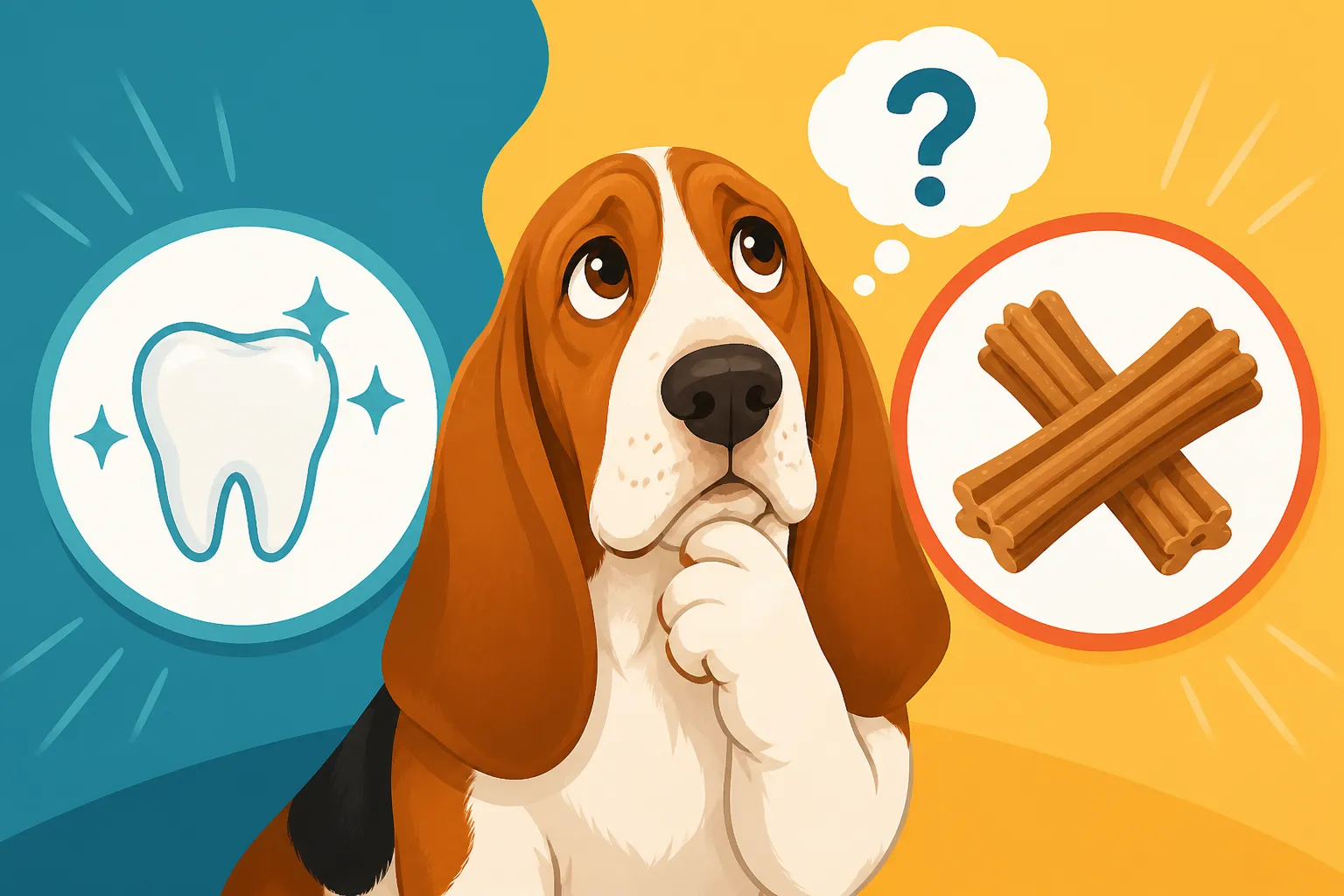
Oh, the perennial question for us Basset Hound parents: "Do these lovable, lanky-eared clowns really need dental chews?" It’s a common frustration, isn't it? We spend so much time on their ears, their folds, making sure they don't eat something questionable off the floor, that their dental health can sometimes feel like an afterthought. But trust me, neglecting those pearly (or not-so-pearly) whites can lead to a world of pain and expense down the road. This comprehensive guide is here to unravel the truth about dental chews and provide a holistic look at keeping your Basset Hound’s mouth healthy and happy.
The Unique Challenges of Basset Hound Dental Health
It's easy to assume all dogs have similar dental needs, but our Bassets have some unique quirks that make them particularly susceptible to oral health problems. Their distinctive structure, from their droopy lips to their often-crowded teeth, creates a perfect storm for plaque and tartar buildup.
Why Basset Hounds Are Prone to Dental Issues
Let's face it, Basset Hounds aren't exactly known for their delicate features. Their long, pendulous lips, while incredibly charming, can unfortunately trap moisture and food particles around their teeth and gums. This creates a warm, damp environment that bacteria absolutely adore. Couple that with their slightly brachycephalic (short-nosed) skull structure, which can lead to teeth that are a bit more crowded than in some other breeds. When teeth are packed in tightly, there's less space for natural cleaning from the tongue and saliva, and more nooks and crannies for plaque to accumulate. Think about trying to clean between very close-set blinds – it's a similar challenge for their mouths.
Beyond their anatomy, Basset Hounds are notorious for their love of sniffing every single thing on the ground, and often, that leads to them mouthing or trying to eat all sorts of questionable items. While this is more of a digestive or parasite concern, it does mean their mouths are constantly interacting with environmental bacteria and debris. All of these factors combine to make Bassets highly prone to plaque buildup, which quickly hardens into tartar. This then leads to gingivitis (inflammation of the gums) and, if left unchecked, progresses to full-blown periodontal disease, which is painful and can have systemic health implications. You might already be familiar with managing other health concerns unique to the breed, such as The Ear Infections That Never Really Leave a Basset Hound, and dental issues often require a similar level of diligent, ongoing care.
The Hidden Dangers of Poor Oral Hygiene
Many Basset Hound owners, myself included, have probably dismissed "doggy breath" as just part of having a dog. But that really stinky breath, known as halitosis, isn't just unpleasant; it's a blaring siren indicating a bacterial party in your Basset's mouth. This bacterial buildup isn't merely an aesthetic problem. Imagine having a constant toothache or painful, bleeding gums yourself – that's often what our Bassets are silently enduring. They are incredibly stoic animals and will often hide their discomfort until the problem is severe.
The real danger, however, lies beyond the mouth. The bacteria from severe periodontal disease can enter the bloodstream and travel to vital organs, potentially causing serious damage to the heart, kidneys, and liver. We often think of dental disease as just a problem for the teeth, but it's a gateway to far more serious systemic health issues. Untreated dental disease can lead to tooth abscesses, bone loss in the jaw, and even fractured teeth from decay. It can shorten their lifespan and drastically reduce their quality of life. It’s a stark reminder that what seems like a simple oversight can lead to incredibly complex and distressing health complications, often necessitating costly interventions down the line. What Basset Hounds Are Most Often Treated For often includes dental disease, highlighting its prevalence and impact.
Understanding Dental Chews: What Are They Really For?
So, with all these dental challenges, it's natural to wonder if those dental chews you see advertised everywhere are the magic bullet. They seem so simple, a treat that also cleans teeth! But are they truly effective, and how do they actually work?
How Dental Chews Work or Don't Work
Dental chews are designed with a primary goal: to reduce plaque and tartar buildup on your dog's teeth. They typically achieve this through a combination of mechanical action and, in some cases, enzymatic or antiseptic ingredients. The mechanical action is usually the most straightforward: as your Basset chews, the abrasive texture of the chew physically scrapes away soft plaque from the tooth surface. Think of it like a very mild, edible toothbrush. Some chews are shaped specifically to reach different contours of the teeth, while others rely on a dense, chewy texture that encourages prolonged chewing, increasing contact time.
Then there are chews that incorporate active ingredients. These might include enzymes that break down plaque, or antiseptics that reduce bacteria in the mouth. However, it's crucial to understand that not all dental chews are created equal. Many treats marketed as "dental" products offer minimal benefit beyond perhaps freshening breath temporarily. For a chew to be truly effective, it needs to have been rigorously tested and proven to reduce plaque and tartar. This is where the Veterinary Oral Health Council (VOHC) seal of acceptance comes in. A product with a VOHC seal has met specific standards for plaque or tartar reduction. If a chew doesn't have this seal, its dental benefits are largely unproven. It’s worth noting that while they can help, chews are generally considered a supplement to, not a replacement for, other forms of dental care.
Choosing the Right Dental Chew for Your Basset Hound
When you head to the pet store aisle or browse online at places like Chewy or Amazon, the sheer number of dental chews can be overwhelming. For your Basset Hound, selecting the right one is paramount. First and foremost, always look for that VOHC seal. This is your assurance that the product has scientific backing for its claims. Beyond that, consider the size and texture. A chew that's too small can be a choking hazard, and one that's too hard can lead to fractured teeth – a painful and expensive emergency. Basset Hounds, with their strong jaws and love of chewing, need something durable enough to provide abrasion but flexible enough not to cause damage. Many brands offer different sizes, so choose one appropriate for a medium-to-large dog, keeping in mind your Basset's robust build.
Digestibility is another key factor. Some chews can cause stomach upset or even blockages if not properly digested, especially in dogs with sensitive stomachs. Introduce any new chew slowly and monitor your Basset for any adverse reactions. And don't forget the calorie count! Many dental chews are high in calories, and adding them to your Basset's daily routine without adjusting their food intake can quickly lead to unwanted weight gain, which exacerbates other breed-specific issues like What Extra Weight Does to a Basset Hound. Always factor the chew's calories into their daily food allowance to help keep them at their ideal weight.
Beyond Chews: A Holistic Approach to Basset Hound Oral Care
While dental chews can be a helpful tool in your arsenal, they are just one piece of the puzzle. Truly effective oral care for your Basset Hound requires a multi-faceted approach, combining home care with professional veterinary attention.
The Gold Standard: Brushing Your Basset Hound's Teeth
If there's one thing you can do at home that makes the biggest difference in your Basset Hound's dental health, it's regular tooth brushing. Yes, I know, the thought of wrestling those droopy lips and getting a toothbrush into a Basset's mouth can sound like an Olympic sport! But it truly is the gold standard for preventing plaque and tartar buildup. Think of it this way: dental chews might be like rinsing with mouthwash, but brushing is like a proper scrub with a toothbrush. The mechanical action of brushing physically removes plaque before it hardens, and it allows you to reach all surfaces of the teeth, including the gum line, where problems often begin.
The trick is to start slow and make it a positive experience, especially if you have a The First Year With a Basset Hound Puppy. Begin by just touching their muzzle, then their lips, then gently lifting a lip and touching a finger to their teeth. Reward them with praise and a tiny, delicious treat for each step. Gradually introduce a finger brush, then a soft-bristled dog toothbrush (never use human toothpaste, as it contains ingredients toxic to dogs). Aim for at least a few times a week, ideally daily. Focus on the outside surfaces of the upper teeth, as these are most prone to tartar buildup. Even a quick 30-second brush can make a significant difference. It’s a commitment, much like The Twice Weekly Ear Ritual a Basset Hound Owner Signs Up For, but one that truly pays off for their long-term health and comfort.
Professional Dental Cleanings and Their Importance
Even with the most diligent home care, most Basset Hounds will eventually need professional dental cleanings by a veterinarian. This is because once plaque hardens into tartar, brushing and dental chews simply can't remove it. A professional cleaning, performed under anesthesia, allows your vet to thoroughly examine your Basset's entire mouth, scale away tartar both above and below the gum line, and polish the teeth to create a smooth surface that resists new plaque buildup. X-rays are also often taken to check for problems lurking beneath the gum line, such as abscesses or bone loss, which can be incredibly painful but invisible to the naked eye.
The idea of anesthesia can be daunting for any pet owner, but modern veterinary anesthesia protocols are very safe, especially with pre-anesthetic blood work to assess organ function. Ignoring dental problems to avoid anesthesia can lead to far greater health risks and more extensive, painful, and expensive procedures down the road, such as extractions of badly decayed teeth. What Dental Cleaning Costs on a Basset Hound might seem significant, but it's a preventative measure that can save you from far greater expenses and your Basset from immense suffering. Consider it an investment in their overall health and longevity, an important part of What a Basset Hound Costs a Year to Keep.
Other Supportive Measures and Products
Beyond brushing and professional cleanings, there are several other products and practices that can complement your Basset Hound's oral care routine. Water additives, for example, contain ingredients designed to reduce plaque bacteria in the drinking water. While they're not as effective as brushing, they can offer a small daily benefit. Dental sprays or gels can also be applied directly to the teeth and gums, offering antiseptic or plaque-reducing effects, especially for Bassets who resist brushing. You can find many of these supportive products easily through retailers like Chewy or Amazon.
Some specialized prescription dental diets are formulated with unique kibble shapes and textures that help scrub teeth, or with ingredients that prevent plaque from adhering. These can be particularly beneficial for Bassets with chronic dental issues. When it comes to natural chews, options like raw bones are often mentioned, but these come with significant risks, including fractured teeth or internal blockages. If considering raw bones, always discuss with your vet. Safer, supervised alternatives might include sturdy rubber toys that encourage chewing, or edible chews like bully sticks, always ensuring they are size-appropriate and given under supervision to prevent choking. The key with any of these supplementary methods is to discuss them with your veterinarian to ensure they are safe and appropriate for your individual Basset Hound's needs and health status. They are part of the ongoing management, similar to how some Bassets might need Whether a Basset Hound Needs Lifelong Ear Medication for chronic ear issues.
Integrating Dental Care into Your Basset Hound's Routine
The best dental care isn't a one-off event; it's a consistent, integrated part of your Basset Hound's daily and yearly routine. Just like managing their weight or ensuring they get enough enrichment for their amazing noses, their oral health needs regular attention.
Starting Early: Puppy Dental Care Habits
The absolute best time to start any kind of dental care is when your Basset Hound is a puppy. Their baby teeth will eventually fall out, but getting them accustomed to having their mouth handled, fingers in their mouth, and even a soft brush, will set them up for a lifetime of easier dental care. Puppyhood is a critical time for socialization and habit formation, and dental routines should be no exception. Start by simply touching their gums and teeth gently, rewarding profusely. As they grow and their adult teeth emerge, you can transition to a proper dog toothbrush and toothpaste.
Making dental care a positive experience from the beginning is key. Keep sessions short, fun, and always end with a reward. Never force it, as a negative experience can make future attempts much harder. If you’re introducing a dental chew, give it as a special treat and supervise them to ensure they chew it appropriately. Puppies are still learning how to chew, and you want to avoid any choking hazards or swallowed pieces that could cause digestive upset. Establishing these habits early on will make dental care a breeze compared to trying to introduce it to an adult Basset Hound who isn't used to it. Remember, consistency in The First Year With a Basset Hound Puppy lays the foundation for a healthy adulthood.
Maintaining Consistency for Lifelong Health
Consistency is truly the secret ingredient to lifelong dental health for your Basset Hound. It’s not enough to brush for a week and then forget about it for a month. Just like humans, plaque starts to rebuild on canine teeth within hours of cleaning. A daily or every-other-day routine of brushing is ideal. Make it part of your daily rhythm – perhaps after their last meal or before bedtime. During these home care sessions, take a moment to look inside their mouth. Familiarize yourself with what healthy gums look like (pink, not red or swollen) and what their teeth should look like (clean, no heavy tartar).
Knowing the signs of dental trouble is crucial. Beyond bad breath, watch for red or bleeding gums, excessive drooling, pawing at the mouth, reluctance to eat dry food or chew toys, or any changes in behavior. A Basset Hound in dental pain might become withdrawn, irritable, or simply less enthusiastic about their favorite activities. They're masters of masking discomfort, so even subtle changes can be significant. If you notice any of these signs, it's time for a vet visit. Early intervention can prevent minor issues from becoming major health crises. This diligent observation is similar to how we might look for signs of back trouble or other common ailments, such as The Signs a Basset Hound Has Hurt Its Back. And for our senior Bassets, who might already be struggling with mobility or other age-related issues, like The Old Basset Hound That Cannot Get Off the Floor, good dental health is even more critical for their comfort and overall well-being.
The Long-Term Benefits of Proactive Dental Care
Investing time and effort into your Basset Hound's dental care offers profound long-term benefits that extend far beyond just a sparkling smile. First and foremost, you're protecting them from pain. Imagine living with constant toothaches or gum inflammation – it severely impacts quality of life. By preventing periodontal disease, you're ensuring your Basset can eat comfortably, play without discomfort, and enjoy their golden years free from unnecessary suffering.
Secondly, you're likely saving yourself a significant amount of money in veterinary bills. While dental cleanings under anesthesia have a cost, they are almost always less expensive than treating advanced periodontal disease, which can involve multiple extractions, specialized surgeries, and long courses of medication. Proactive care truly is preventative medicine. Most importantly, you are contributing to their overall health and longevity. A healthy mouth is intrinsically linked to a healthy body, reducing the risk of systemic infections and organ damage. Giving your Basset Hound a healthy mouth is one of the kindest and most impactful things you can do for them, ensuring they live their fullest, happiest, and longest life by your side.
Here's a quick comparison of brushing vs. dental chews:
| Feature | Tooth Brushing | Dental Chews (VOHC-Approved) |
|---|---|---|
| Effectiveness | Gold standard, removes plaque effectively | Aids in plaque/tartar reduction, less comprehensive |
| Reach | Can reach all surfaces, including gum line | Primarily addresses outer surfaces of some teeth |
| Cost | Low initial cost (brush, paste), ongoing time | Ongoing cost of chews, varies by brand |
| Anesthesia Required? | No, for home use | No |
| Active Ingredients | Dog toothpaste (enzymatic, flavor) | Can contain enzymes, antiseptics, abrasives |
| Training Required | Yes, for dog and owner | Minimal, dog enjoys chewing |
| Choking/GI Risk | Minimal | Possible if chew is too small, hard, or swallowed whole |
| Calorie Content | Negligible | Can be significant, must be factored into diet |
| Professional Support | Best complement to vet cleanings | Supplement to vet cleanings and brushing |
Disclaimer
This article is for general informational purposes only and does not constitute professional advice. Laws, prices and regulations vary by location and change over time. Consult a qualified professional for guidance on your specific situation.