Why the Word Basset Just Means Low
If you’ve ever seen a Basset Hound waddle by, their long ears nearly sweeping the ground and their body practically skimming the pavement, you probably chuckled at their wonderfully distinctive appearance. But have you ever stopped to wonder why they’re called "Basset" Hounds? It’s more than just a cute moniker; it’s a direct description of the very thing that makes them unique: their lowness. This guide will take a deep dive into the fascinating history and practical implications behind the name, exploring why these beloved hounds are quite literally, and intentionally, built low to the ground.
The French Roots of "Basset"
The journey to understanding the Basset Hound's name begins, as many things do with this breed, in France. Their heritage is deeply intertwined with French hunting traditions and the language used to describe the dogs that aided these pursuits. It’s a linguistic tale that really highlights how thoughtfully these hounds were developed.
A Linguistic Journey to Low
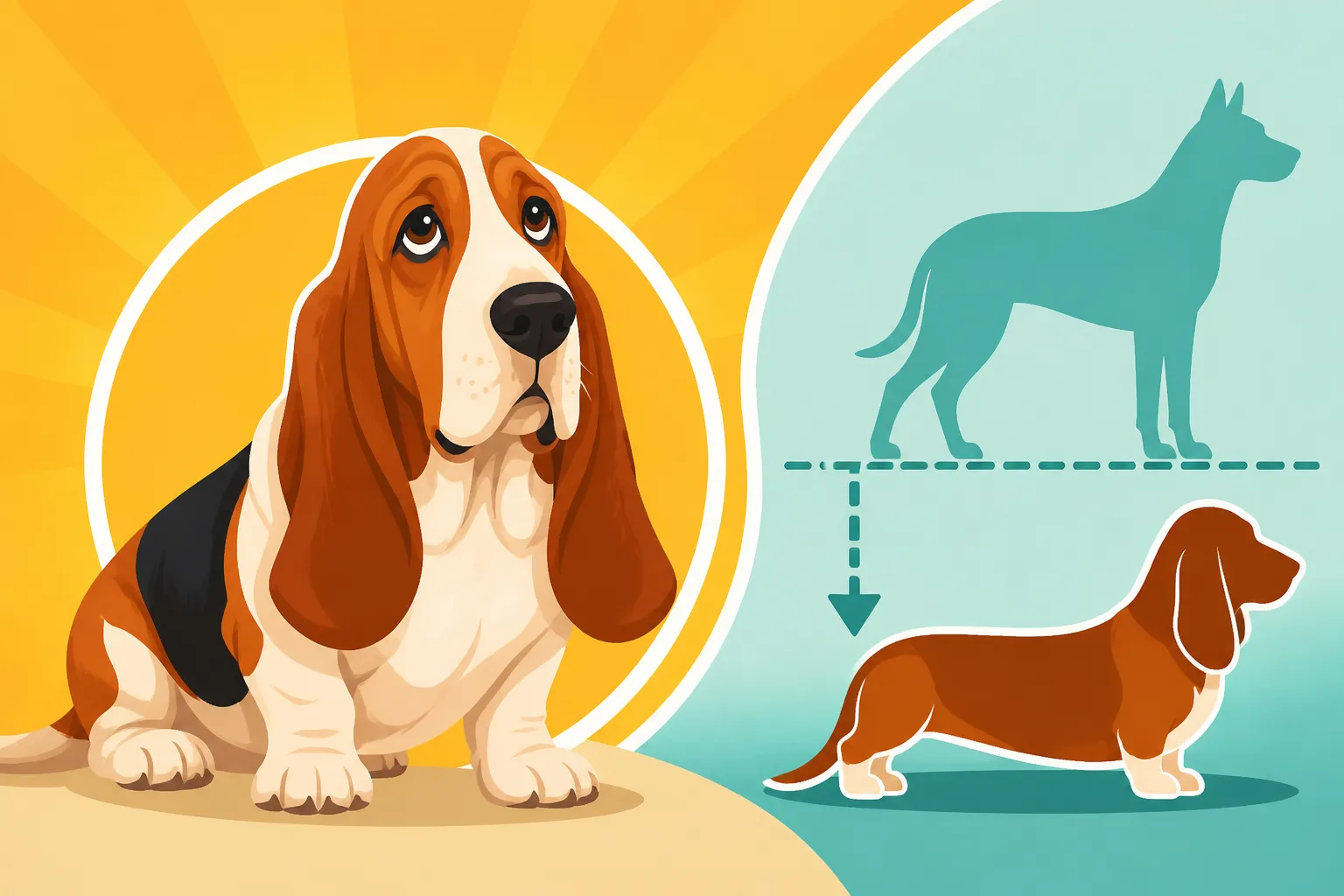
The word "basset" isn't just a fancy name; it's quite literally a descriptive term borrowed directly from Old French. In French, the word "bas" means "low" or "short." So, when you call a dog a "basset," you are, in essence, calling them "low-set" or "dwarfed." This wasn't initially a specific breed name, but rather a general classification for any dog with a low-to-the-ground stature. Think of it like calling a dog "curly-haired" or "long-nosed"; it described a key physical attribute.
This simple linguistic root tells us so much about the origins of the Basset Hound and other similar breeds. It implies that these dogs were distinguished from their taller, longer-legged counterparts by their compact, close-to-the-earth build. It's a pragmatic and straightforward naming convention, reflecting a time when dogs were named for their most salient features or their primary purpose. The French language is rich with words stemming from "bas," such as basse-cour (a farmyard, literally "low court"), further emphasizing the commonality and utility of the concept of "lowness" in their culture and daily life. This isn't just a quirky name; it’s a historical marker.
The "Bas" Prefix and Its Significance
The "bas" prefix is really the key to unlocking the Basset Hound's identity. It signifies more than just a physical description; it points to an entire genetic and functional blueprint. When early breeders and hunters used this term, they weren't just observing a characteristic; they were recognizing a deliberate, functional adaptation. The short legs and long body of a "basset" type dog weren't accidental; they were carefully selected for.
This deliberate shaping of a dog's physique for a specific role is a fascinating aspect of canine history. The "bas" prefix, therefore, becomes a shorthand for a whole host of traits: close-to-the-ground tracking, slower pace for foot hunters, and a distinct physical appearance. It tells a story of selective breeding, where a specific conformation was desired, not just for aesthetics, but for maximum efficiency in a particular hunting scenario. It speaks to an understanding of form following function, even centuries ago.
Early European Hounds and the "Basset" Classification
The Basset Hound we know and love today didn't just appear out of thin air. It evolved from a long line of "basset" type dogs across Europe, particularly in France, where the concept of a low-to-the-ground scent hound truly took hold and flourished.
The Proliferation of Low-Set Hounds
France, with its dense forests and rich hunting traditions, became a hotbed for the development of these low-set hounds. It wasn't merely one breed that emerged, but a whole family of "basset" types, each adapted to slightly different terrains or prey. You had the Basset Fauve de Bretagne, the Basset Artésien Normand, and others, all sharing that defining "low" characteristic. They were all bred for their incredible scenting abilities, paired with a slow, methodical pace that allowed hunters to keep up on foot.
These various basset breeds often shared common ancestors, particularly the ancient St. Hubert Hounds, which were known for their phenomenal noses. The deliberate breeding for short legs wasn't a universal trend for all hunting dogs, but it was a specific choice made for certain types of hunting. Imagine trying to follow a fast-moving foxhound through thick underbrush on foot; it would be nearly impossible. But a low-slung basset, carefully tracing a scent, made the sport accessible to those without horses. Many of these historical links can be traced back to The Abbey Hounds a Basset Hound Descends From.
From General Term to Specific Breed
Over time, as certain traits became more standardized and preferred, one particular "basset" type began to emerge as distinct. This was the ancestor of our modern Basset Hound. This transition from a general descriptive term to a specific breed name is a common evolutionary path for many dog breeds. As kennel clubs formed and breed standards were established in the 19th and early 20th centuries, the Basset Hound, with its distinct heavy bone, long body, and incredibly long ears, became a recognized entity.
The process involved careful selection by breeders who valued specific characteristics, ensuring consistency in appearance and temperament. This is when the Basset Hound truly cemented its identity, moving beyond simply being "a low dog" to becoming the Basset Hound. These organizations played a pivotal role in refining the breed, ensuring that the desired "lowness" was preserved and celebrated, albeit with increasing emphasis on the exaggerated features we see in show lines today.
The Practical Purpose of Being "Low"
Beyond the linguistic origins, the Basset Hound's lowness isn't just for show or a quaint historical detail; it serves a profound, practical purpose rooted deeply in their hunting heritage. Every inch closer to the ground is a deliberate engineering marvel for their primary job: tracking scent.
Ground-Level Scenting Advantage
Think about how scent works. Scent particles, especially those from an animal moving through vegetation, tend to settle and linger closer to the ground. A Basset Hound's incredibly low stature keeps their powerful nose precisely in this optimal scenting zone. Their entire head is positioned perfectly to vacuum up every available particle. It’s like they have a built-in, ground-level, high-definition scent detector.
But it’s not just their height. The Basset Hound's long, pendulous ears act like natural antennae, sweeping the ground as they move and stirring up scent particles directly towards their nose. Imagine a gentle breeze, created by their ears, pushing the faint trail of a rabbit right where they need it most. This unique combination of low stature and ear conformation creates a highly effective "scent cone" around their head, maximizing their ability to detect and follow even the coldest of trails. This specialized ear function is a key part of Whether a Basset Hound's Ears Sweep Scent Upward. Their loose skin and prominent dewlap also play a role, trapping scent around their face, helping them to process the complex information left behind by their quarry.
Endurance, Not Speed, for the Hunter on Foot
Another critical advantage of their "lowness" is directly tied to the historical needs of the hunters who developed them. In a time when many hunters could not afford horses, or when hunting took place in dense, challenging terrain, a fast-paced hound was actually a hindrance. What was needed was a dog that could meticulously follow a trail, no matter how faint or old, and do so at a pace that a human on foot could comfortably maintain.
Their short legs inherently dictate a slower, more deliberate gait. This isn't laziness; it's efficiency for a specific task. A Basset Hound might not win any races, but they can out-endure almost any other breed when it comes to following a scent over miles of varied terrain. This steadfast pace meant the hunter could follow, focus on the dog's signals, and be right there when the game was finally flushed out. It’s exactly Why French Hunters Wanted a Slow Hound. They were bred to be a reliable, unhurried tracking partner, a stark contrast to the swift, sweeping searches of a greyhound or foxhound.
Physical Traits That Define "Low" in a Basset Hound
When we talk about the Basset Hound being "low," we're talking about a very specific and intentional collection of physical traits. These aren't just random quirks; they are the hallmarks of a breed meticulously developed for its unique purpose and appearance.
The Characteristic Short, Crooked Legs
One of the most defining features of a Basset Hound is undoubtedly its legs. They are notably short, thick-boned, and often appear somewhat bowed or crooked at the front. This unique structure isn't a defect; it's a direct result of a form of dwarfism known as achondroplasia, which is intentionally bred into the Basset Hound, just as it is in Dachshunds and Corgis. Whether Achondroplasia Explains a Basset Hound's Shape is a deep dive into this genetic trait. This condition affects the growth plates of the long bones, resulting in their characteristic shortened limbs while the body length remains relatively normal.
Despite their short and somewhat unconventional appearance, these legs are surprisingly powerful and built for endurance, not speed. They are sturdy pillars designed to carry a substantial body over challenging ground for hours on end. A Basset Hound's legs are a marvel of functional adaptation, allowing them to navigate dense underbrush and uneven terrain with unwavering determination, all while keeping their nose glued to the trail. This conformation is part of their heritage and contributes significantly to their low center of gravity.
Heavy Bone and Long Body
While Basset Hounds are undeniably "low," they are far from delicate. In fact, they are surprisingly robust and heavily boned for their relatively short stature. If you've ever tried to lift one, you'll know exactly what I mean! A Basset Hound can often weigh as much as, or even more than, many medium-sized breeds with much longer legs, like a Border Collie or even some smaller Labrador Retrievers. This is precisely Why a Basset Hound Weighs as Much as a Labrador, and it's something people often underestimate. Their substantial bone structure provides a solid foundation for their muscular, powerful body.
Coupled with their heavy bone is their characteristic long body. This elongated torso, combined with their short legs, creates that distinctive low-slung profile. This long body isn't just for looks; it provides the ample lung capacity needed for sustained scent work and contributes to their overall stability as they navigate uneven ground. The combination of heavy bone and a long, sturdy body means the Basset Hound is a powerful, low-riding locomotive of scent detection, built for durability and unwavering pursuit.
The "Low" Impact on Basset Hound Life
The Basset Hound's unique "low" conformation, while central to their identity and historical purpose, also brings with it a specific set of considerations for their daily life and health. Owners need to be mindful of these characteristics to ensure their beloved hound lives a comfortable and healthy life.
Health Considerations of Being Low-Slung
While their low stature is part of their charm, it does predispose Basset Hounds to certain health challenges, particularly those related to their long backs and joints. Intervertebral Disc Disease (IVDD) is a significant concern for breeds with elongated spines, including Basset Hounds. This condition involves the discs between the vertebrae degenerating or rupturing, which can lead to pain, nerve damage, and even paralysis. The Back Trouble a Basset Hound Is Built Into is a vital read for any Basset owner.
Preventative measures are key. It's crucial to manage their weight rigorously, as extra pounds put undue stress on their already vulnerable spines. Preventing high-impact activities like jumping on and off furniture is also paramount. Many Basset owners find ramps or steps invaluable tools to help their dogs access sofas and beds safely, thereby reducing strain. It's truly important to avoid situations where Whether a Basset Hound Should Jump Off Furniture could lead to a serious injury. Regular, moderate exercise is good, but intense, high-impact activities should be avoided to protect their joints and backs.
Adapting Your Home to a Low Dog
Living with a Basset Hound often means making a few practical adjustments around the home to accommodate their unique physique. Their lowness, while adorable, means they interact with their environment differently than taller dogs. Ramps are a game-changer for many Basset owners, making it easier and safer for them to get into cars or onto favorite pieces of furniture without stressing their backs. There are many excellent ramps available on Chewy, designed to be sturdy and easy to use for dogs of all sizes, including our low-riders. These small investments can go a long way in preventing injuries.
When it comes to feeding, some owners opt for elevated food and water bowls. While not always strictly necessary, it can make mealtime more comfortable for a dog with a long neck and short legs, allowing them to eat without excessive bending or straining. However, don't confuse this with preventing bloat, which is a different issue, and elevated bowls for bloat prevention are actually a controversial topic. Their low height also means that while counter-surfing might not be their forte, anything left on a coffee table or at floor level is fair game for their keen noses and determined mouths! Consider child-proof latches on low cabinets. The Ramps, Beds and Gates a Basset Hound Needs covers many of these home modification essentials in detail.
Beyond the Physical: The Low-Key Temperament?
When people hear "basset" meaning "low," they sometimes mistakenly associate it with a low-energy or lazy temperament. While Basset Hounds certainly appreciate a good nap, their "lowness" in personality is often misunderstood.
A Calmer Pace, But Not Necessarily Low Energy
It's true that Basset Hounds are often described as laid-back or calm, and they absolutely have a wonderfully mellow disposition indoors. They love to lounge, cuddle, and generally be a relaxed presence in the home. However, it's a big mistake to equate their physical lowness with a lack of need for activity. Outside, especially when their nose hits a compelling scent, a Basset Hound transforms. That calm demeanor can give way to a focused, tireless pursuit, demonstrating surprising stamina.
They might not be sprinters, but they are endurance athletes when it comes to following a trail. A "low energy" Basset Hound is often an under-stimulated Basset Hound. They still need regular walks, and more importantly, mental stimulation through scent work. Letting them sniff and explore on a long leash satisfies their innate desire to follow a trail and can be far more tiring for them than a brisk walk with their nose up. Don't let their sleepy appearance fool you; a bored Basset can find plenty of "work" to do around the house, often involving mischievous exploration! How Many Miles a Basset Hound Can Walk often surprises new owners.
The Unmistakable Bay, Not Exactly "Low" in Volume
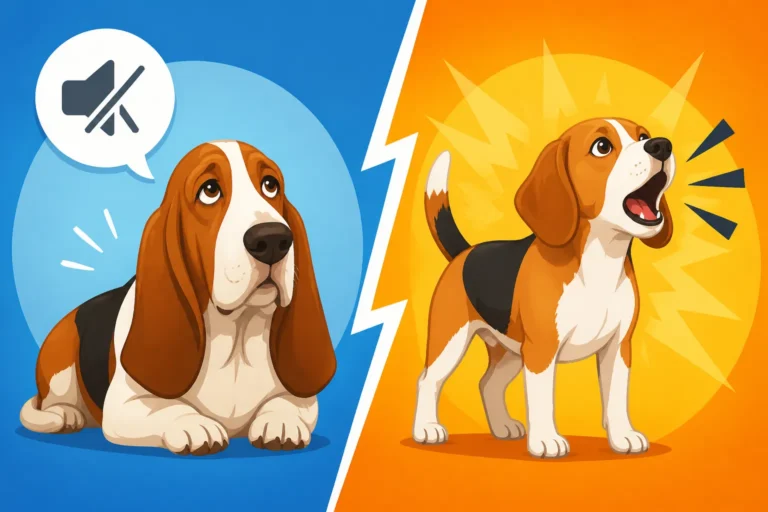
Perhaps the greatest contradiction to the idea of "lowness" in a Basset Hound is their voice. While their bodies hug the ground, their signature bay certainly does not stay "low" in volume! This deep, resonant, almost mournful sound is an integral part of their breed identity and a direct link to their hunting ancestry. When a Basset Hound bays, it's not just making noise; it's communicating. In the field, that bay told hunters exactly where the dog was and that it had found or was actively following a scent. The Bay a Basset Hound Uses and the Neighbors Hear is a very real consideration for Basset owners.
For owners, this means embracing the Basset's vocal nature. While they might not bark incessantly like some breeds, their bay is powerful and carries far. It can be triggered by exciting scents, the arrival of guests, or sometimes, seemingly nothing at all. Living with a baying Basset means understanding that it's a natural expression of their hound instincts. While you can train a "quiet" cue, you'll never completely silence a true Basset bay. It's a charming, albeit loud, reminder of their noble past.
The "Low" Standard and Modern Breeding
The unique physical characteristics that define the Basset Hound, especially its "lowness," are meticulously detailed in breed standards worldwide. These standards guide breeders in preserving the traditional look and working abilities of the breed, but also bring inherent responsibilities regarding health and welfare.
Preserving the "Low" Ideal
Breed standards for the Basset Hound place significant emphasis on their low-slung, heavy-boned conformation. Details like the amount of loose skin (wrinkles), the length and texture of their ears, and the characteristic bowed front legs are all carefully described. These standards ensure consistency across the breed, so that a Basset Hound recognized by the American Kennel Club or the Fédération Cynologique Internationale retains that iconic, unmistakable silhouette. Breeders strive to produce dogs that conform to these ideals, aiming for the perfect balance of form and function.
However, "preserving the ideal" also means walking a fine line. The Basset Hound's structure is, in some ways, an exaggeration of what nature might typically produce. Responsible breeders dedicate themselves to understanding the genetic implications of these traits, health testing their breeding stock for conditions like elbow and hip dysplasia, and glaucoma, which can sometimes be exacerbated by their conformation. They aim to produce dogs that are not only beautiful according to the standard but also healthy and able to lead long, comfortable lives.
The Balance Between Tradition and Welfare
In recent years, there has been a growing global conversation within the dog fancy about exaggerated features in certain breeds and their potential impact on animal welfare. The Basset Hound, with its extreme lowness, long back, and heavy bone, sometimes finds itself part of this discussion. While their unique look is cherished, concerns are occasionally raised about the incidence of spinal issues like IVDD, joint problems, and skin fold dermatitis.
Many dedicated breeders are now focused on a balanced approach, striving to maintain the classic Basset Hound appearance while prioritizing robust health and functional soundness. This might involve carefully selecting lines that show less extreme angles in their legs or a slightly less elongated back, all while staying within the accepted breed standard. The goal is to produce Basset Hounds that are truly fit for function, whether that function is tracking game or simply being a beloved family companion, without undue suffering. There are discussions, for example, about Whether a Basset Hound Can Be Bred Straighter in their legs to improve gait and reduce strain. When looking for a Basset Hound puppy, it's wise to seek out breeders who are transparent about health testing and actively work to improve the breed's health. Additionally, reputable online pet suppliers such as Chewy often provide detailed product descriptions for orthopedic beds or joint supplements, which can give you an idea of the kind of proactive care a well-structured, healthy Basset Hound might benefit from.
| Feature | Description | Purpose/Impact |
|---|---|---|
| "Bas" Etymology | Derived from Old French, directly meaning "low" or "short." | Names the dog by its most distinguishing physical characteristic and functional adaptation. |
| Low Stature | Short, often bowed legs, body close to the ground (typically 12-15 inches at the shoulder). | Optimizes scent tracking by keeping the nose near ground-level scent particles. Allows hunters to follow on foot. |
| Long Ears | Extremely long, pendulous ears that sweep the ground. | Act like "scent catchers," stirring up and directing scent particles towards the nose, enhancing olfactory detection. |
| Dewlap/Loose Skin | Abundant loose skin, especially around the face and neck. | Traps scent particles around the face, allowing for more thorough processing of the scent trail. |
| Heavy Bone | Substantial bone structure for their height, making them surprisingly heavy. | Provides strength, stability, and endurance for sustained tracking over varied terrain, despite short legs. |
| Long Body | Elongated body proportionate to their low height. | Provides ample lung capacity for endurance and contributes to a stable, ground-hugging profile. Increases risk of back problems like IVDD. |
| Temperament | Generally calm and amiable indoors, but with surprising stamina and determination when on a scent trail. | Balanced disposition; relaxed family companion but tenacious, focused worker when engaged in their innate purpose. Not "lazy" but methodical. |
| Vocalization | Distinctive, deep, resonant "bay" that carries far. | Historically used to alert hunters to their location and success on a trail. Can be a challenge for urban living. |
Disclaimer
This article is for general informational purposes only and does not constitute professional advice. Laws, prices and regulations vary by location and change over time. Consult a qualified professional for guidance on your specific situation.