What a Basset Hound’s Dewlap Is For
Many new Basset Hound owners find themselves endlessly fascinated by, and sometimes a little confused about, that prominent flap of loose skin under their dog's chin – the dewlap. It's easy to dismiss it as just part of their charmingly goofy appearance, but this distinctive feature is far more than just aesthetics. This guide will dive deep into the fascinating purpose of the Basset Hound's dewlap, helping you understand its functional significance and how to care for it properly to ensure your floppy-eared companion stays happy and healthy.
Understanding the Basset Hound's Unique Anatomy
The Basset Hound is a breed designed by nature and selective breeding for a specific job: scent trailing. Every physical characteristic, from their long, trailing ears to their heavy bone structure and low-slung body, plays a role in their incredible scenting ability. The dewlap, that impressive fold of loose skin under their neck, is no exception. It’s a signature feature that contributes significantly to their functionality and gives them their unmistakable profile.
The Distinctive Loose Skin
When you look at a Basset Hound, you can’t help but notice the sheer amount of loose skin draped over their body. It’s not just around their face and neck; it extends across their shoulders, chest, and even down their legs. This isn't some random evolutionary quirk; it's a deliberate characteristic that has been preserved and even emphasized through generations of breeding. This abundant, pliable skin allows for a certain amount of give and stretch, which can be beneficial in various ways, particularly when navigating dense undergrowth or encountering obstacles while on a scent trail.
This loose skin gives the Basset Hound its soft, pliable feel and contributes to its overall "noble" and somewhat melancholy expression. While it might seem like a lot of extra skin, it moves and drapes in a way that is fundamental to the breed's conformation and contributes to their famously gentle demeanor. It's a hallmark of their type, making them instantly recognizable, and frankly, incredibly huggable.
Where the Dewlap Fits into the Basset Hound's Overall Structure
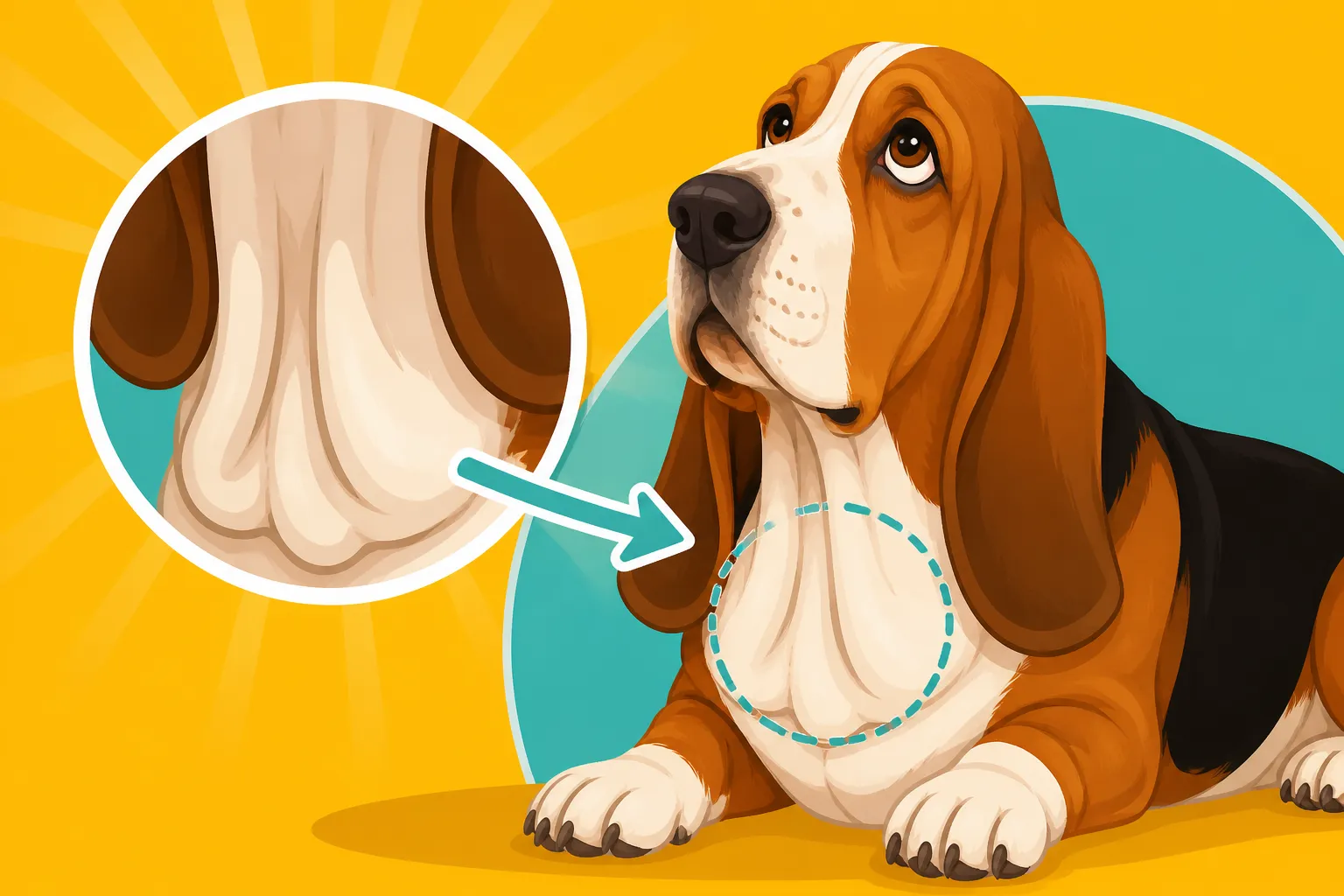
The dewlap, specifically, is the prominent, pendulous fold of skin that hangs beneath a Basset Hound's chin and throat. It’s connected to the jowls and extends down the neck, often merging with the loose skin of their chest. It’s not an isolated feature but an integral part of their overall head and neck structure, working in concert with their other exaggerated features, particularly their long, heavy ears and deep-set eyes.
Imagine the Basset Hound's head and neck as a complex, natural scent-collection system. The dewlap forms a crucial lower boundary of this system. It acts as a continuation of the deep, wrinkled brows and voluminous jowls that further enhance their scenting prowess. Coupled with the incredibly long and low-set ears, like those discussed in The Twelve Inch Ears a Basset Hound Was Given on Purpose, the dewlap completes a picture of a dog built from the ground up to follow a trail without missing a single molecule of scent. This intricate design ensures that when a Basset Hound's nose is to the ground, every possible advantage is leveraged to capture and identify a scent.
The Functional Purpose of the Dewlap
Far from being purely decorative, the Basset Hound's dewlap is a highly functional piece of equipment, intricately linked to their historical role as scent hounds. Its specific design features serve several key purposes, primarily revolving around their unparalleled sense of smell.
Scent Trapping and Enhancement
This is arguably the most critical function of the Basset Hound's dewlap. Think of it as a natural scent net. When a Basset Hound lowers its head to the ground to follow a scent, the dewlap, along with its heavy jowls and long ears, drapes down, acting like a natural air dam or funnel. This creates a small, enclosed pocket of air around the dog's nose. As the dog moves, this pocket helps to stir up and trap scent particles from the ground, directing them directly towards their highly sensitive nostrils.
The loose skin of the dewlap, much like the general loose skin discussed in Whether a Basset Hound's Loose Skin Traps Scent, increases the surface area available to collect and hold these scent molecules. Instead of scent dissipating into the open air, it's concentrated and held close to the nose, allowing the Basset Hound more time to analyze and differentiate between faint odors. This means they can pick up and follow trails that other breeds might completely miss, even faint or old scents. It's a sophisticated biological mechanism that makes them such formidable trackers.
Protection and Insulation
Beyond its primary role in scent work, the dewlap offers some secondary, yet still valuable, benefits. When a Basset Hound is pushing through dense brush, tall grasses, or thorny undergrowth, this thick, loose skin provides a layer of protection for their vulnerable throat and neck. It acts as a natural shield, guarding against scratches, scrapes, and minor impacts that could otherwise cause injury. This would have been particularly important for working hounds traversing challenging terrain during a hunt.
Furthermore, this extra layer of skin can offer a degree of insulation, helping to protect against temperature extremes. While not its main purpose, it contributes to the Basset Hound's overall resilience, whether they are working in cooler temperatures or simply lounging outdoors. It’s a testament to how every physical trait in a well-bred working dog serves multiple, often subtle, functions.
Role in Vocalization
Basset Hounds are famous for their deep, resonant bay. It's a sound that carries far and is instantly recognizable, making them beloved by some and perhaps less so by neighbors, as we explore in The Bay a Basset Hound Uses and the Neighbors Hear. While their vocal cords and lung capacity are the primary drivers of this unique sound, some believe that the loose skin of the dewlap, particularly around the throat, might play a role in amplifying or resonating their distinctive vocalizations.
Imagine the loose skin vibrating as they let out a deep bay. While scientific evidence specifically linking the dewlap to vocal amplification might be elusive, the sheer volume and depth of a Basset's bay do suggest a robust structure around their throat and chest. The dewlap contributes to this substantial neck and chest structure, which undoubtedly plays a part in generating such a powerful sound. It's a beautiful, if sometimes loud, part of their hound heritage.
Common Misconceptions and Realities of the Dewlap
It's easy to look at a Basset Hound and assume certain things about their distinctive features. The dewlap, in particular, often sparks questions and assumptions. Let's clear up some common misconceptions and dig into the realities of this fascinating anatomical trait.
Is it Just for Looks?
A common misconception is that the Basset Hound's dewlap, along with its other dramatic features, is purely for aesthetic appeal. It's true that the dewlap contributes significantly to the breed's iconic look – a look that has charmed countless individuals and made them famous in popular culture. However, to believe it's only for looks is to misunderstand the very essence of the Basset Hound as a working scent hound.
As we've discussed, the dewlap evolved and was specifically bred for a functional purpose: enhancing their scenting ability. While breeders naturally select for dogs that conform to breed standards, and aesthetics certainly play a role in show rings, the origin of these features is deeply rooted in utility. In some extreme cases, over-exaggeration of features like the dewlap or facial folds can indeed become purely aesthetic and even detrimental to the dog's health or function. However, in a well-bred Basset Hound, the dewlap remains a testament to its hunting heritage, a functional tool that also happens to be visually striking.
Does a Larger Dewlap Mean a Better Nose?
It's tempting to think that "more is more" when it comes to scent-trapping features. While a substantial dewlap certainly aids in the scenting process, suggesting a direct linear correlation where a larger dewlap automatically means a better nose isn't entirely accurate. Scenting ability is a complex trait influenced by many factors.
A dog's olfactory prowess depends on the number of scent receptors in its nose, the size and structure of its nasal passages, brain capacity for processing scent, and, crucially, training and instinct. The Basset Hound's nose, famously ranked second only to the Bloodhound in terms of pure scenting power, as detailed in The Nose That Puts a Basset Hound Second to a Bloodhound, is a marvel of evolution. The dewlap helps to optimize the environment for that powerful nose, but it doesn't solely create the power. A moderately sized, well-formed dewlap that functions effectively with the rest of the dog's head and ear structure is more important than sheer bulk. An overly large dewlap could potentially impede movement or become a hygiene challenge without offering proportional benefits in scenting. It's about balance and proper design, not just size.
Essential Care for Your Basset Hound's Dewlap
While the dewlap is a fantastic piece of canine engineering, its very design—loose folds of skin—makes it prone to certain issues if not properly maintained. Just like their long ears or deep facial wrinkles, the dewlap requires consistent attention to prevent discomfort, irritation, and potential infections.
Keeping the Dewlap Clean and Dry
The folds of the dewlap can easily trap moisture, food particles, drool, and environmental debris. This warm, moist environment is a perfect breeding ground for bacteria and yeast, which can lead to unpleasant odors, redness, and painful skin infections. Therefore, routine cleaning and, crucially, thorough drying are paramount.
After meals, especially if your Basset Hound is a messy eater (and let's be honest, most are!), take a moment to gently wipe the area. Use soft, damp cloths or specialized pet wipes. Many owners find products from retailers like Chewy to be effective for gentle, daily cleaning. For more specific advice, Which Wipes Suit a Basset Hound's Face Folds offers excellent guidance that also applies to the dewlap area. Once wiped, it is absolutely critical to dry the dewlap thoroughly. You can gently pat the area with a soft, clean towel or even use a low, cool setting on a hairdryer, being careful not to scare your dog or burn their sensitive skin. Dampness left behind is an invitation for trouble, turning a minor cleaning task into a potential trip to the vet.
Addressing Skin Irritations and Infections
Despite your best efforts, sometimes irritations can crop up. Redness, a foul odor, discharge, or excessive scratching at the area are all signs that something might be amiss. These are common indicators of skin fold dermatitis, which is very similar to issues that can affect other areas of loose skin, as discussed in The Skin Under a Basset Hound's Folds. Yeast infections often present with a sweet, yeasty smell and brownish discharge, while bacterial infections might have a more pungent odor and pus.
If you notice any of these symptoms, don't delay. Mild irritation might respond to increased cleaning and drying, potentially with a medicated wipe recommended by your vet. However, persistent or worsening signs warrant a veterinary visit. Your vet can diagnose the specific type of infection (bacterial, yeast, or both) and prescribe appropriate treatments, which might include medicated shampoos, topical creams, or oral antibiotics/antifungals. Early intervention is key to preventing a minor irritation from escalating into a painful and more difficult-to-treat infection.
Nutritional Considerations for Skin Health
Believe it or not, your Basset Hound's diet plays a significant role in the overall health of their skin, including the skin of their dewlap. A high-quality, balanced diet provides the essential nutrients needed for a strong skin barrier and a healthy coat. Look for foods that are rich in Omega-3 and Omega-6 fatty acids, which are known to promote skin health and reduce inflammation.
Some Basset Hounds might benefit from supplements, such as fish oil, or specialized dermatological diets if they are prone to skin issues. Retailers like Chewy offer a wide array of dog foods and supplements tailored to support skin and coat health, but it's always best to consult your veterinarian before making significant dietary changes or adding supplements. Ensuring your Basset Hound is well-hydrated also contributes to healthy skin. Proper nutrition, alongside diligent topical care, forms a comprehensive approach to keeping your Basset Hound's dewlap in top condition.
Living with a Basset Hound and Its Dewlap
Embracing life with a Basset Hound means accepting their unique quirks, and the dewlap certainly contributes to some of them. From managing drool to ensuring their comfort during daily care, understanding how to live harmoniously with this distinctive feature is part of being a dedicated Basset owner.
Managing Drool and Mess
Let's be real: Basset Hounds drool. A lot. Their loose jowls and dewlap, while excellent for scenting, are also highly efficient at collecting and distributing saliva. This isn't just a small dribble; it can be impressive, especially when they're excited, anticipating food, or after drinking. As highlighted in How Much a Basset Hound Actually Drools, it's a fact of life with this breed. The dewlap, being a prominent lower flap, is perfectly positioned to get soaked and then swing that drool onto your furniture, walls, or even unsuspecting guests.
To manage this, proactive measures are your best friend. Keep a "drool towel" handy for quick wipes, particularly after they drink or eat. Consider using a raised food and water bowl to minimize how much their dewlap dips into their meal or water. Some owners even use snoods during meal times to keep those long ears and the dewlap out of the food. Regular cleaning of the dewlap, as mentioned earlier, also helps prevent any sour smells from accumulated drool. Acceptance, a good sense of humor, and plenty of clean towels are key to coexisting with a drooling Basset.
Grooming and Handling Best Practices
Incorporating dewlap checks and cleaning into your regular grooming routine is crucial. This doesn't have to be a chore; it can be a bonding experience. Start when your Basset Hound is a puppy, gently lifting and examining their dewlap, offering treats and praise. This positive reinforcement will make them much more amenable to handling as adults. Getting a Basset Hound Used to Ear Handling as a Puppy shares similar principles that can be applied to accustoming them to dewlap handling.
When you're grooming your Basset, take the opportunity to not only clean and dry the dewlap but also to perform a quick visual inspection. Look for any redness, swelling, small cuts, or skin changes. Being familiar with what your dog's dewlap normally looks and feels like will make it easier to spot any anomalies early on. A soft brush over the area can also help distribute natural oils and keep the skin healthy. This regular, gentle contact is part of What a Basset Hound Needs Every Day and strengthens your bond while promoting good health.
Recognizing When to Seek Veterinary Advice
Knowing when a dewlap issue moves beyond routine care and requires professional attention is important. While minor redness from rubbing or a little trapped dirt can often be resolved with diligent cleaning and drying, certain signs should prompt an immediate call to your veterinarian. These include:
- Persistent Redness or Inflammation: If the area remains red and irritated for more than a day or two, despite your cleaning efforts.
- Foul Odor: A strong, unpleasant smell that doesn't go away after cleaning is a major red flag for infection.
- Discharge: Pus, yellowish, or brownish discharge indicates an infection that needs medical treatment.
- Pain or Sensitivity: If your Basset Hound cries out, flinches, or avoids you touching the area, it's likely painful.
- Swelling: Any noticeable swelling around the dewlap or neck area.
- Lethargy or Loss of Appetite: These general signs of illness could accompany a severe infection.
Ignoring these symptoms can lead to more serious and painful conditions. Skin infections can quickly spread and become deeply entrenched, requiring more aggressive treatments. In rare, severe cases, neglected skin issues might even lead to significant medical costs, possibly even emergency procedures, as alluded to in What a Basset Hound's Emergency Surgeries Cost. Being proactive and seeking veterinary advice early ensures your Basset Hound gets the care they need to recover quickly and comfortably.
Here's a comparison of key Basset Hound features and their care:
| Feature | Primary Purpose | Common Challenges | Daily/Weekly Care Routine | Signs of Trouble | Recommended Products |
|---|---|---|---|---|---|
| Ears | Scent collection, auditory aid | Infections, hematomas, dragging in food/water | Weekly cleaning/flushing, regular inspection, drying after baths | Redness, discharge, odor, head shaking | Ear cleaner, cotton balls, snood |
| Dewlap | Scent trapping, throat protection | Skin fold dermatitis, drool accumulation, odor | Daily wiping after meals, thorough drying, gentle cleansing | Redness, foul odor, discharge, swelling | Pet wipes, soft cloths |
| Face Folds | Scent trapping, facial expression | Skin fold dermatitis, moisture, debris | Daily wiping with specialized wipes, ensuring folds are dry | Redness, foul odor, discharge, itching | Hypoallergenic pet wipes, cotton pads |
| Feet | Movement, traction | Long nails, cracked pads, interdigital cysts | Regular nail trims, paw balm, checking for foreign objects | Limping, licking, swelling between toes | Nail clippers/grinder, paw balm, booties |
Disclaimer
This article is for general informational purposes only and does not constitute professional advice. Laws, prices and regulations vary by location and change over time. Consult a qualified professional for guidance on your specific situation.