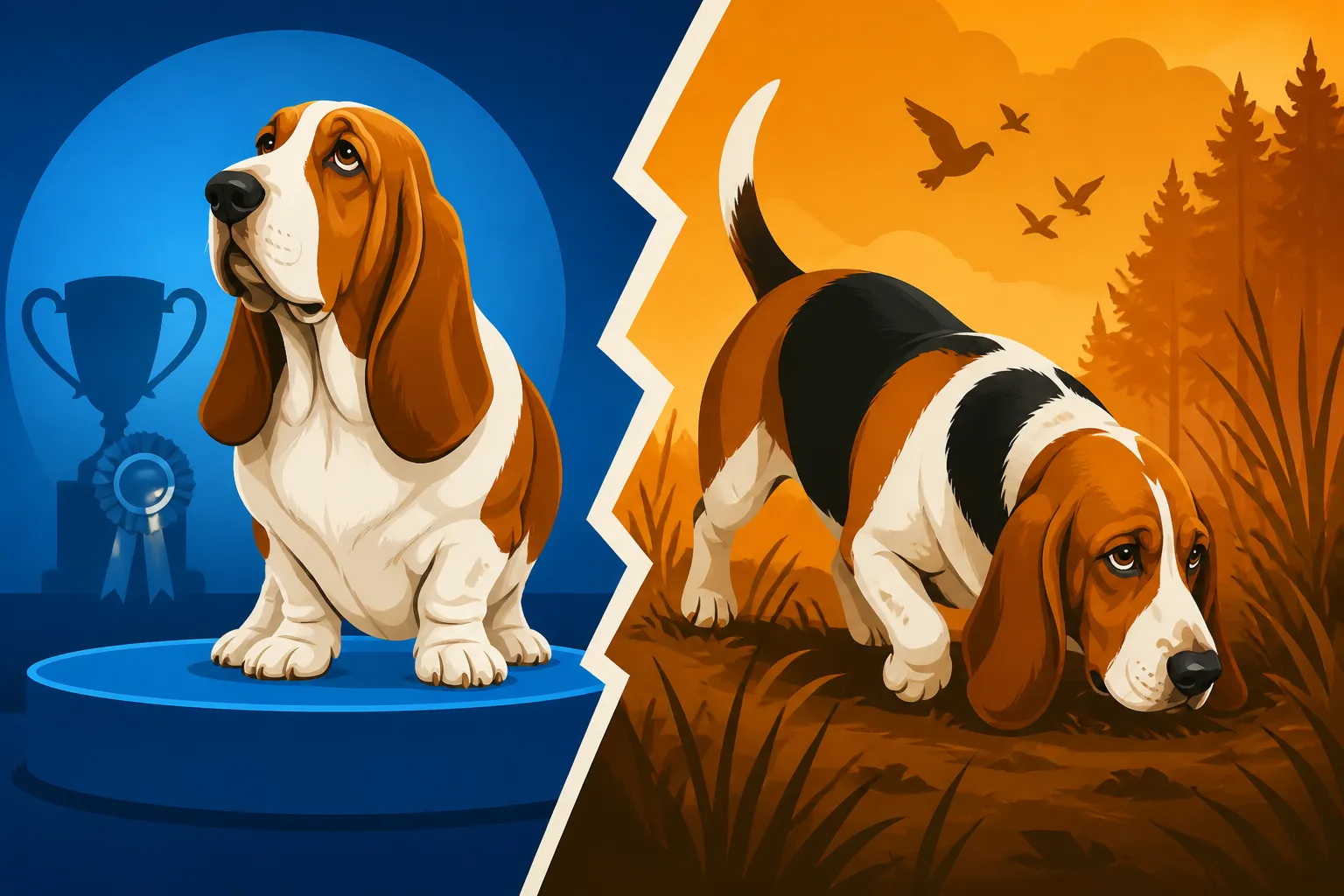
The Split Between Show and Hunting Basset Hounds
It's easy to look at a Basset Hound and think they're all cut from the same cloth. Those long ears, the soulful eyes, that signature low-slung body – they're unmistakable! But what many new and even seasoned owners don't realize is that beneath that familiar facade, there's a fascinating historical and practical split within the breed: the divergence between show-bred Basset Hounds and those bred for hunting. This guide will delve deep into these two distinct paths, helping you understand the differences, the motivations behind them, and what it means for the Basset Hound you bring into your home.
Understanding the Basset Hound's Dual Nature
For centuries, dogs have been bred for specific purposes, and the Basset Hound is no exception. While today many Bassets live wonderful lives as cherished family companions, their roots are firmly planted in the hunting fields. Over time, as dog shows gained popularity, a new emphasis emerged, leading to a visible, and sometimes impactful, split within the breed. It's not about one being "better" than the other, but rather understanding the distinct paths breeders have chosen and the resulting characteristics of their dogs.
A Glimpse into the Past: Origins and Purpose
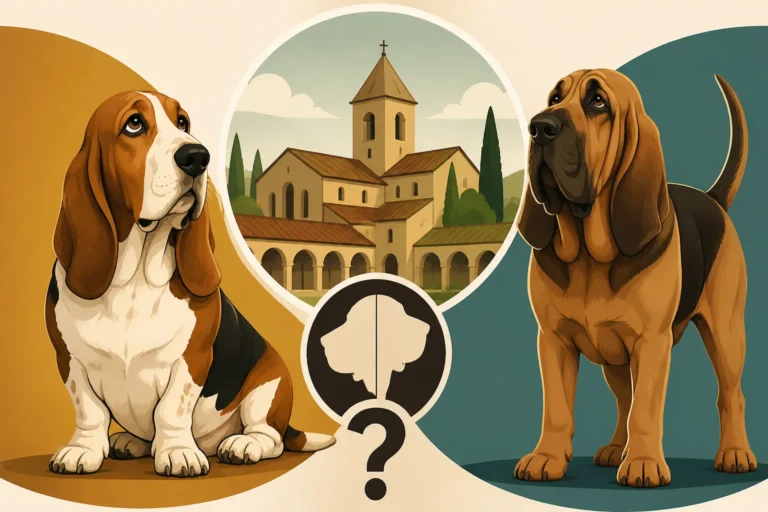
The Basset Hound's history stretches back to France, where it was developed from medieval St. Hubert Hounds. The name "Basset" itself is derived from the French word "bas," meaning "low," perfectly describing their close-to-the-ground stature. These dogs weren't bred for speed, but for their incredible scenting abilities and their methodical, unwavering pace, which allowed hunters on foot to follow them through dense undergrowth. Their long, pendulous ears were thought to help sweep scent towards their powerful noses, creating a scent-rich pocket around their face, making them formidable trackers of small game like rabbits and hare. The Nose That Puts a Basset Hound Second to a Bloodhound is no exaggeration; these dogs are scenting machines.
Early Bassets were practical working dogs, valued for their functional attributes: keen nose, endurance, distinct bay, and robust constitution. Their structure, while unique, was entirely suited to their job. Short legs meant they could navigate thickets and briar patches that taller dogs would struggle with, and their heavy bone gave them the stamina needed for a full day's work. They were bred to work collaboratively in packs, using their distinctive voices to alert hunters to the trail.
The Divergence Begins: Early Specialization
As dog breeding became more formalized in the 19th and early 20th centuries, and dog shows gained traction, a natural divide began to emerge in many breeds, including the Basset Hound. Some breeders continued to prioritize the functional qualities required for hunting, selecting for drive, scenting ability, and physical stamina. Their focus remained squarely on performance in the field. These were the "hunting Bassets," often owned by sportsmen and women who actively used their dogs for their original purpose.
Concurrently, another group of breeders started to focus on producing dogs that conformed to an emerging breed standard, designed for exhibition in the show ring. While the standard theoretically describes the ideal working dog, the interpretation often leaned towards aesthetics and exaggeration of certain features. This isn't unique to Basset Hounds; it's a phenomenon seen across many breeds when the show ring becomes the primary goal. The "show Basset" began to take shape, emphasizing heavy bone, substantial wrinkle, and a particular look that judges admired.
The Show Basset Hound: A Breed Standard in Focus
The show ring is a world of its own, with its own set of values and priorities. For show Basset Hound breeders, the goal is to produce dogs that closely adhere to the breed standard as interpreted by judges, aiming for titles and recognition in conformation events. This often means an emphasis on certain physical traits that might be more visually striking or considered hallmarks of the breed's "type."
Conformation and Aesthetics: What Judges Look For
In the show ring, a Basset Hound is evaluated on its adherence to the written breed standard. This standard calls for a dog of considerable substance, low-set, with long, heavy ears, a deeply wrinkled brow, and a solemn expression. Judges often reward dogs with extremely heavy bone, massive paws, and abundant loose skin, particularly around the face and neck (the dewlap). The longer the ears, the more pronounced the wrinkles, and the lower the dog appears to the ground, the more competitive it tends to be in many show lines. This can lead to an emphasis on extremes.
The ideal show Basset Hound should still move with purpose, but the priority is often on a slow, deliberate gait that showcases its heavy build and short legs, rather than the agile, ground-covering pace needed for a day in the field. The overall "look" – that classic, somewhat mournful, heavily built image – is paramount. While still called a "hound," the focus shifts from its hunting prowess to its visual representation of the breed's unique characteristics.
Health Concerns in Show Lines
When specific physical traits become exaggerated for aesthetic purposes, it can, unfortunately, introduce or exacerbate certain health challenges. The very features that win in the show ring can sometimes be a source of discomfort or medical issues for the dog. For instance, excessively long ears, while beautiful, can make a Basset Hound more prone to chronic ear infections because of poor air circulation and their propensity to drag through dirt and food. The Ear Infections That Never Really Leave a Basset Hound is a common lament among owners.
Similarly, abundant loose skin, particularly around the eyes (ectropion or entropion) can lead to eye irritation or infections. The sheer weight and exaggerated short legs can place significant strain on joints and the spine, contributing to conditions like elbow dysplasia or intervertebral disc disease (IVDD). The Back Trouble a Basset Hound Is Built Into is a serious consideration, and added weight from a heavier build doesn't help. Responsible show breeders strive to balance type with health, performing health clearances, but the pressures of the show ring can sometimes make this a tricky tightrope walk.
The Lifestyle of a Show Basset
A Basset Hound from a show line is often bred with the expectation of being a beloved family companion, perhaps occasionally gracing the show ring. Their exercise needs, while still important, may not be as intense as those of a working hound. They're typically calm and laid-back indoors, content to nap on the sofa or follow their people from room to room. Regular, moderate walks are usually sufficient to keep them happy and healthy, though care must be taken not to over-exercise them, especially as puppies, due to their developing joints and unique build.
Grooming, however, can be a more significant undertaking for a show-bred Basset. Their long ears require frequent cleaning and inspection, often multiple times a week, to prevent infections. How Often a Basset Hound's Ears Must Be Cleaned is a question many owners ponder. The deep wrinkles on their face and neck also need regular cleaning to prevent skin fold dermatitis. Owners of show-type Bassets often find themselves stocked with ear cleaner and wrinkle wipes, sometimes sourced from places like Chewy, to keep their beloved hounds comfortable and healthy.
The Hunting Basset Hound: Form Follows Function
In stark contrast to the show ring, the world of hunting Basset Hounds remains focused on the breed's original purpose. These dogs are bred to perform, to follow a scent trail with unwavering determination, and to use their unique voice to communicate with their human hunting partners. For these breeders, every physical trait and aspect of temperament is evaluated through the lens of functionality in the field.
Field Performance: Traits for the Trail
Hunting Bassets, often called "field Bassets," are selected primarily for their working ability. This means breeders prioritize an exceptional nose, strong hunting drive, stamina, and a clear, resonant bay. While they still have the characteristic Basset build – low to the ground with long ears – their physical traits are often less exaggerated than their show counterparts. They tend to be slightly lighter-boned, with perhaps a bit less excess skin, allowing for greater agility and endurance in rugged terrain.
Their gait is purposeful and efficient, designed for covering ground methodically but tirelessly, rather than for a slow, lumbering presentation. The length and set of their ears are still important for scenting, but an excessive length that might be prone to injury or constantly dragging through mud might be seen as a disadvantage in the field. The keenness of their senses, their unwavering focus on a trail, and their ability to work independently while still responding to their handler are the true measures of their worth. Whether a Basset Hound Still Hunts is a resounding yes in these circles.
Health and Vigor in Working Lines
With a primary focus on working ability, hunting Basset breeders tend to prioritize overall health, soundness, and longevity. A dog that can't physically perform in the field isn't valuable to a hunting program, so structural integrity and robust health are paramount. This often translates to selection against extreme features that might impede movement or lead to chronic health issues. You might find field Bassets with slightly less dramatic wrinkles or slightly shorter ear leathers than show Bassets, not because they are "less Basset," but because these traits are seen as beneficial for a dog that spends hours tracking.
While all Basset Hounds are susceptible to certain breed-specific ailments, a strong emphasis on functional soundness in hunting lines can contribute to dogs that are durable and less prone to issues exacerbated by extreme conformation. They still need regular vet care, proper nutrition, and exercise, but the selective pressure for working ability naturally weeds out some of the more delicate or physically challenged individuals over generations. The Health Tests a Basset Hound Breeder Should Run are just as important here, focusing on conditions that could impact performance and well-being.
The Life of a Field Basset
A hunting Basset Hound's life revolves around activity and scent work. These dogs thrive on having a job to do, whether it's actual hunting, participation in scent work trials, or simply extensive opportunities for tracking games in the yard or on long leashed walks in varied environments. Their energy levels, while not hyperactive, are geared towards sustained activity rather than short bursts. If not given an outlet for their strong hunting instincts, they can become bored or restless, potentially leading to undesirable behaviors like excessive baying or destructive chewing. The Bay a Basset Hound Uses and the Neighbors Hear can be a major consideration if their needs aren't met.
While still affectionate companions, field Bassets typically have a higher drive and a more independent streak than many show-bred counterparts. They excel when their minds are engaged. Owners often provide enrichment activities such as puzzle toys, snuffle mats, or regular tracking exercises to satisfy their innate drive. Their grooming needs are usually less intensive in terms of wrinkle care, but their active lifestyle means they might get dirtier and require more frequent baths or checks for burrs and ticks after outdoor adventures. Investing in durable outdoor gear, even from retailers like Chewy, is often a must.
Key Physical and Temperamental Differences
While both types are undeniably Basset Hounds, the cumulative effect of different breeding priorities over generations has led to discernible differences in their physical appearance and inherent disposition. It's not always black and white, and there can be overlap, but general trends exist.
Stature and Build: Subtle Yet Significant
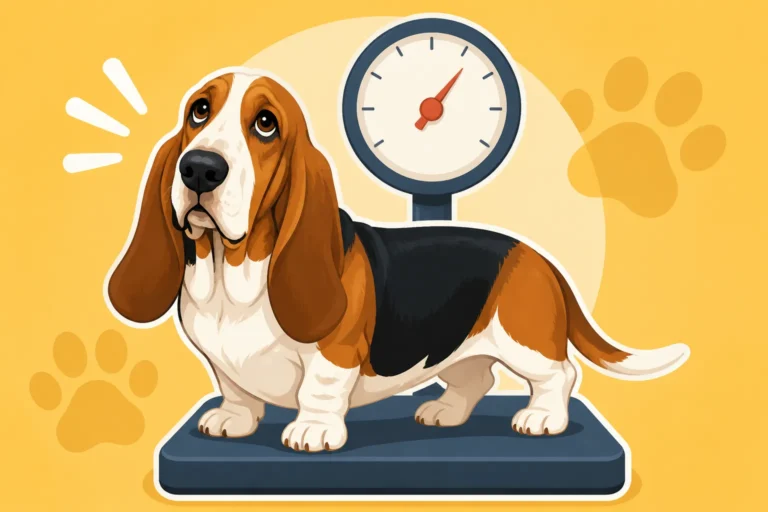
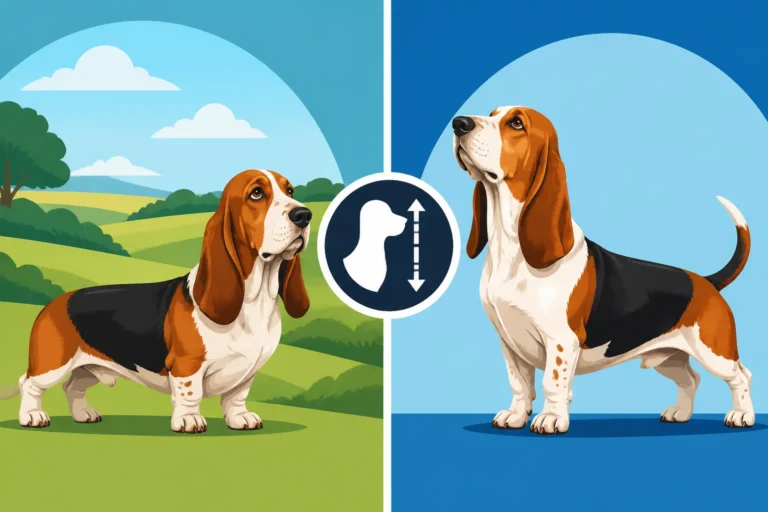
One of the most noticeable differences lies in their overall build. Show Bassets often possess an extremely heavy bone structure, giving them a very substantial, almost ponderous appearance. Their legs might be proportionally shorter to their body length, and they often carry significant loose skin, especially a very deep, dramatic dewlap and heavy facial wrinkles. They are bred to embody the "more is more" philosophy when it comes to certain breed traits. Why a Basset Hound Weighs as Much as a Labrador is due in part to this heavy bone and muscle.
Field Bassets, while still undeniably "low-slung," tend to have a slightly lighter, more athletic build. Their bone might be substantial, but not to the extreme of some show lines, allowing for greater agility and sustained movement. Their legs might appear a touch longer in proportion to their body, facilitating easier navigation through rough terrain. While they still have loose skin and expressive faces, the exaggeration is often tempered by practical considerations for movement and reduced risk of skin fold issues. Their ears might be long, but perhaps not quite "dragging on the ground" long.
Temperament and Drive: Instincts at Play
Temperament is another area where the split can be observed. Both types of Bassets are known for their generally placid and friendly nature, but their underlying drives often differ. Show Bassets, being primarily bred for companionship and the show ring, are often quite calm and adaptable in a home environment. They are typically very relaxed and make wonderful couch potatoes, happy with moderate walks and plenty of cuddles. Their stubbornness, often a hallmark of the breed, might manifest more as a reluctance to perform tasks they don't see the point in, rather than an intense focus on a scent. Whether a Basset Hound Is Stubborn or Just Not Interested is a question many owners of companion Bassets ask!
Hunting Bassets, conversely, typically possess a much stronger prey drive and a more independent, focused working ethic. When they get a whiff of an interesting scent, their world narrows to that singular pursuit. This intense focus can make them seem "stubborn" or "deaf" when their nose is engaged, as they are simply following their hardwired instincts. Why a Basset Hound Stops Hearing You When It Smells Something is perfectly natural for a dog whose ancestors were bred for exactly that purpose. They require more mental and physical engagement to be truly fulfilled and can be more challenging to manage off-leash due to their powerful urge to trail.
Coat and Color Considerations
While less of a primary differentiator than structure or temperament, there can sometimes be subtle differences in coat. Both show and hunting Bassets should have a short, smooth, dense coat. However, some show lines might encourage a slightly thicker or more "lush" coat for presentation, while field lines prioritize a coat that is easy to maintain and protective against elements without being cumbersome.
In terms of color, both lines adhere to the standard Basset Hound colors, which are typically combinations of black, white, and tan (tricolor); lemon and white; or red and white. The Colors a Basset Hound Comes In are varied and beautiful in both types. Neither type is generally bred for "rare" or non-standard colors, as these are not desirable in either the show ring or the hunting field. The focus remains on functional and traditional coloring.
Breeding Philosophies and Practices
The fundamental difference between show and hunting Basset Hounds boils down to the breeding philosophies that guide their creation. Each type of breeder has distinct goals, which in turn dictate their selection criteria for breeding pairs and the environment in which their puppies are raised.
Goals of the Show Breeder
Show breeders meticulously study the breed standard and the conformation ring. Their primary objective is to produce Basset Hounds that excel in competition, meaning dogs that perfectly embody the visual ideals described in the standard and are favored by judges. This involves a deep understanding of pedigrees, conformation points, and the trends within the show world. They aim for traits like correct proportions, distinctive head shape, heavy bone, and extensive wrinkle, all contributing to a dog that looks "correct" and impressive in the ring.
Beyond aesthetics, reputable show breeders also prioritize health and good temperament, as a dog that is unsound or ill-tempered will not succeed in the show ring or as a family pet. They typically perform comprehensive health screenings (eyes, elbows, genetic tests) on their breeding stock and carefully socialize their puppies. However, the ultimate "test" of their breeding success is often how well their dogs perform against other Bassets in conformation events. They are aiming to produce champions, dogs that represent the pinnacle of breed type as defined by the show world.
Priorities of the Hunting Breeder
Hunting breeders, by contrast, are deeply immersed in the world of field trials, scent work, and actual hunting. Their goal is to produce Basset Hounds that are superior working partners, capable of excelling in their historical role. This means selecting for innate hunting instincts, an exceptional nose, stamina, resilience, a strong voice, and trainability within a working context. Physical conformation is still important, but it's evaluated for its contribution to function – can this dog hunt effectively and tirelessly?
These breeders might prioritize slightly different physical attributes than show breeders, favoring a build that allows for agility and endurance over extreme heavy bone or excessive skin. A well-placed ear is crucial for scenting, but an ear that's too long might be a hindrance in dense cover. Temperamentally, they look for dogs with intense focus on scent, good drive, and an eagerness to work. While also valuing health, their health screenings are geared towards ensuring the dog can withstand the rigors of field work. Their success is measured by the dog's performance in tracking, trailing, and actual hunting scenarios.
Choosing Between Show and Hunting Lines
Deciding between a show-bred Basset and a hunting-bred Basset is a crucial decision for any prospective owner. There's no single "better" option; it's all about finding the right fit for your lifestyle, expectations, and what you're hoping for in a canine companion. Understanding these distinctions will help you make an informed choice that leads to a happy and harmonious life with your Basset.
What to Consider for a Companion Pet
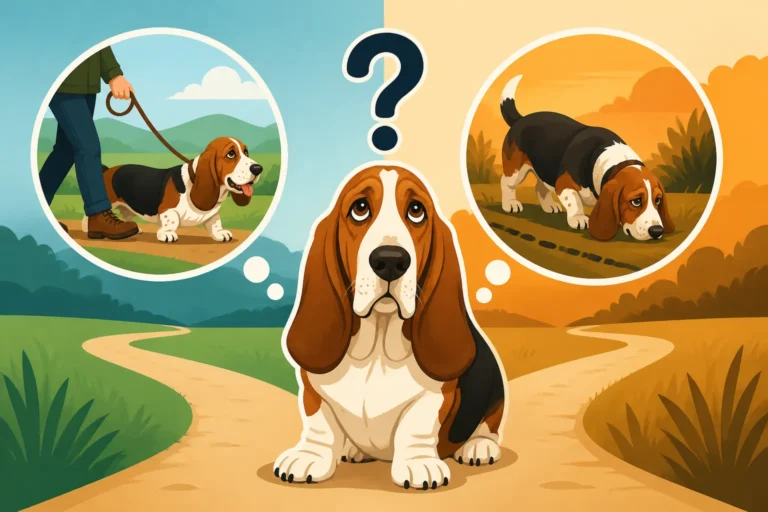
Most people seeking a Basset Hound are looking for a loving companion, not necessarily a show dog or a hunting partner. For this purpose, either type can be a wonderful addition to a family, but their inherent differences are worth considering. If you're envisioning a calm, somewhat laid-back dog who is content with moderate exercise, short walks around the neighborhood, and plenty of cuddle time on the sofa, a show-bred Basset might be a more natural fit. They often have lower energy demands and are generally more amenable to a quiet household life.
However, if you're an active individual or family who enjoys long hikes, is keen to try scent work, or has a large, securely fenced yard where a dog can follow its nose, a hunting-bred Basset could be an excellent match. These dogs thrive when their minds and noses are engaged. They might require more dedicated training to channel their strong instincts appropriately, and certainly a secure environment to prevent them from following an enticing scent too far. The Recall a Basset Hound Will Never Reliably Give You is a serious consideration, making secure containment paramount for either type, but especially for those with high prey drive. Consider how much effort you're willing to put into meeting the specific needs of a highly driven hound.
Finding a Reputable Breeder for Either Type
Regardless of whether you lean towards a show line or a hunting line, the most critical step is finding a reputable breeder. A good breeder, of either type, will prioritize health, temperament, and the well-being of their dogs above all else. They will be transparent about their breeding goals, health testing, and puppy raising practices. They should be able to articulate the differences within the breed and help you determine which type of Basset is best suited to your home.
Here's a quick comparison of what to look for:
| Feature/Consideration | Show-Bred Basset Hound | Hunting-Bred Basset Hound |
|---|---|---|
| Primary Goal of Breeding | Conformation to breed standard, show ring success | Working ability, scenting prowess, field performance |
| Physical Build | Often heavier bone, more pronounced wrinkles, very low-slung | Slightly more athletic, less exaggerated features, durable |
| Typical Temperament | Calm, laid-back, affectionate, can be stubborn (less scent-driven) | High prey drive, independent, highly focused on scent, enduring |
| Exercise Needs | Moderate walks, often content with indoor lounging | Requires regular, engaging scent work, longer walks, mental stimulation |
| Grooming Considerations | Frequent ear cleaning, wrinkle care, managing drool | Regular checks for burrs/ticks, ear cleaning, general coat care |
| Potential Health Bias | Exaggerated features can lead to some issues (ears, skin, joints) | Bred for soundness, but still susceptible to general breed issues |
| Ideal Owner | Seeks a devoted companion, enjoys moderate activity | Enjoys outdoor activities, willing to engage in scent work/training |
A reputable breeder will ask you many questions about your lifestyle to ensure a good match. They should be able to provide health clearances for their breeding dogs, be open to you visiting their facility, and offer ongoing support. They should also be involved in activities related to their breeding focus, whether that's showing dogs in conformation, participating in field trials, or both. Don't be shy about asking questions – a good breeder welcomes them! Many high-quality breeders will also be a great resource for food recommendations, sometimes even suggesting specific brands or types of food, which you can easily find on platforms like Chewy.
The Future of the Basset Hound: Bridging the Divide?
The split between show and hunting lines isn't unique to the Basset Hound, and it's a topic of ongoing discussion among breed enthusiasts. Some argue that the two types have diverged too far, potentially jeopardizing the health or working ability of the breed as a whole. Others believe that specialized breeding allows each type to excel in its respective domain.
Efforts to Maintain Function in Show Lines
There's a growing movement within the conformation world to emphasize "form follows function," encouraging judges and breeders to recognize dogs that are not only beautiful but also sound and capable of performing their original duties. This involves educating judges on the importance of movement, overall balance, and rejecting exaggerations that compromise health or function. Some show breeders actively participate in performance events like scent work or obedience with their Bassets, demonstrating that their dogs retain their innate working abilities.
By proving their dogs in both the show ring and the field, these breeders aim to produce Bassets that are truly "dual purpose" – beautiful examples of the breed standard that are also healthy and capable of doing what Basset Hounds were originally bred for. This approach helps to prevent the breed from splitting into two entirely separate entities and ensures that the genetic pool retains versatility and robustness.
The Role of Performance Events for All Bassets
Performance events, such as tracking tests, scent work trials, and even obedience or rally, offer a fantastic opportunity for all Basset Hounds, regardless of their lineage, to engage their minds and bodies. These activities celebrate the Basset Hound's incredible nose and determination. For a companion Basset from a show line, participation in scent work can provide much-needed mental stimulation and a fulfilling outlet for their natural instincts, even if they don't possess the intense drive of a dedicated field dog. Giving a Basset Hound's Nose Something to Do is crucial for their overall well-being.
For hunting-bred Bassets, these events offer a formalized way to test and showcase their abilities, even if they aren't actively used for hunting live game. They provide a structured environment for dogs to learn, grow, and bond with their owners. Encouraging participation across the breed in these activities helps to honor the Basset Hound's heritage and ensure that future generations retain the core traits that make them such unique and beloved hounds. Whether you're looking for specialized training equipment or just some fun puzzle toys, online pet stores like Chewy are excellent resources for engaging your Basset's powerful nose.
Ultimately, the goal for any Basset Hound owner or admirer should be to appreciate the breed in all its forms, while prioritizing health, temperament, and a fulfilling life for each individual dog. The split between show and hunting lines tells a fascinating story of the breed's evolution and its continued relevance in different spheres of our lives.
Disclaimer
This article is for general informational purposes only and does not constitute professional advice. Laws, prices and regulations vary by location and change over time. Consult a qualified professional for guidance on your specific situation.