What Basset Hound Owners Wish They Had Known
Oh, the Basset Hound! That soulful gaze, those ridiculously long ears, that lumbering gait… they steal hearts faster than a treat disappears from the counter. Many of us fall for that classic image, perhaps from old commercials or cartoons, and dream of a placid, low-maintenance companion. But let me tell you, as a veteran Basset parent and enthusiast, there are quite a few delightful (and sometimes challenging) realities that new owners often wish someone had clued them into beforehand. This guide is here to pull back the curtain on the everyday life with a Basset, sharing those invaluable insights so you can truly prepare for the unique joy and commitment they bring.
The Scent-Driven World and Why Your Recall Will Fail
If you've ever seen a Basset Hound with its nose to the ground, completely oblivious to your desperate calls, you've witnessed their true calling. These dogs are purpose-built scent hounds, and their world is quite literally run by their nose. What seems like stubbornness to us is often a dog in a profound, almost trance-like state, processing a scent trail that’s screaming much louder than your voice.
The Power of Their Nose
Let's be clear: a Basset Hound's nose is not just good, it's phenomenal. It's often said to be second only to the Bloodhound's in terms of sheer olfactory prowess, and for good reason. They possess an incredible density of scent receptors, and their long, low-slung ears actually work to sweep scent particles from the ground up towards their nostrils, essentially creating a personal scent bubble. When a Basset locks onto a particularly enticing smell – be it a rabbit that passed by hours ago, a forgotten snack wrapper, or the faintest whiff of a deer trail – their entire being becomes hyper-focused.
It’s not that they're ignoring you out of spite; it’s that their brain is so overwhelmingly engaged with the data flooding in from their nose that everything else, including your urgent plea to "come," becomes background noise. Imagine trying to concentrate on a quiet conversation while a rock concert is happening right next to you; that's a bit like what happens when a Basset hits a hot trail. Understanding this fundamental aspect of their physiology is key to managing expectations and keeping them safe. This intense drive explains Why a Basset Hound Stops Hearing You When It Smells Something.
The Great Escape Artist
That powerful nose comes with a side effect: an insatiable desire to follow a trail, no matter where it leads. This makes the Basset Hound a master escape artist. A seemingly secure fence might not be enough to contain a determined Basset. They'll push, squeeze, dig, and explore every weakness in your perimeter, driven by the siren song of an irresistible scent.
I’ve heard countless stories of Bassets performing Houdini-like feats, from wiggling under gates that seemed too low to scaling fences surprisingly well for their build. They can be incredibly focused and surprisingly agile when motivated by a scent. This is why an unfenced yard, or even one with gaps, is truly a recipe for disaster. Owners quickly learn that a secure, escape-proof yard is non-negotiable. Many find that double-gating or reinforcing fence lines with buried wire is necessary. And even then, it's wise to consider a GPS tracker for walks and adventures, because once that nose is engaged, they can cover a surprising amount of ground very quickly, leading to the question of Whether a Basset Hound Wanders if the Gate Opens.
The Sound of the Hound and Your Neighbors' Patience
The Basset Hound's vocalizations are as iconic as its ears. That deep, mournful bay is a defining characteristic of the breed, but it's also something that catches many new owners (and their neighbors) off guard. It's not just a cute howl; it's a powerful communication tool that can carry surprisingly far.
The Iconic Basset Bay
A Basset's bay is unlike any other dog sound. It's a resonant, drawn-out bellow that emanates from deep within their chest, often rising and falling in pitch. This isn't your average "woof." This is a sound designed to communicate across distances in a hunting pack, letting fellow hounds and human hunters know a trail has been found. While beautiful in its original context, it can be quite startling (and persistent) in a suburban backyard or apartment building.
They'll bay for a variety of reasons: when they're on a scent, when they hear other dogs, when they're lonely or bored, or even when they're simply excited to see you. One of the common surprises for new owners is just how loud and sustained this bay can be. It's not always a quick "woof-woof"; it can be a continuous, melodic declaration that fills the air. It's something you and your neighbors will definitely hear, making The Bay a Basset Hound Uses and the Neighbors Hear a very real concern for many households.
Managing the Melodies
Living with a vocal hound requires strategy and patience. Many Basset owners quickly realize that addressing the root cause of the baying is more effective than simply trying to suppress it. For boredom or loneliness, ensuring ample mental and physical enrichment is crucial. Scent games, puzzle toys, and regular, engaging walks can make a huge difference. If your Basset is baying out of anxiety when left alone, addressing separation issues might involve gradual desensitization or professional help.
Teaching a "quiet" cue can be challenging, as Bassets often don't see their baying as a problem. Positive reinforcement, rewarding silence rather than punishing noise, is generally the most effective approach. For those living in apartments or close-knit neighborhoods, managing a Basset's vocalizations is often a top priority to maintain good neighborly relations. It's a long game, but with consistency, you can teach them to be less vocally expressive in certain situations, which is where Teaching a Basset Hound a Quiet Cue comes into play.
The Basset Body: More Than Just "Cute"
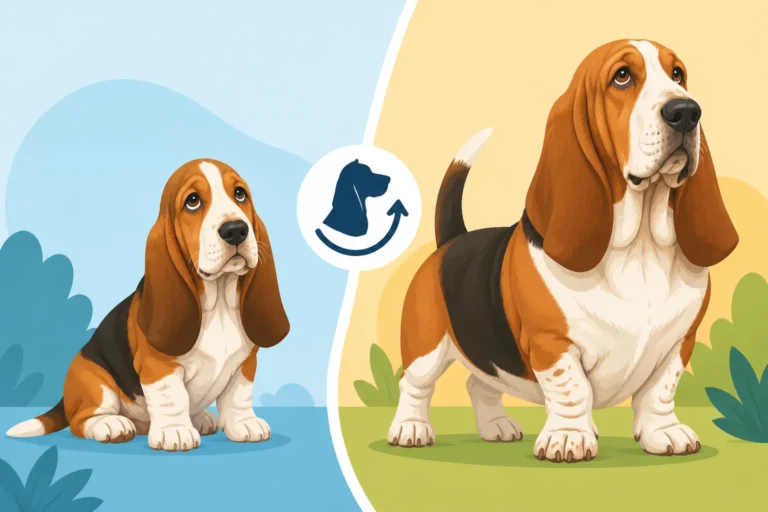
The Basset Hound's distinctive appearance is a huge part of its appeal: those long, pendulous ears, the mournful eyes, the sturdy body on short legs. But these charming features are also inextricably linked to specific health considerations that every owner needs to understand from day one.
The Cost of Those Long Ears
Ah, the ears. Magnificent, velvety, and endlessly problematic. While undeniably adorable, a Basset's long, heavy ears create a perfect breeding ground for ear infections. They hang low, trapping moisture, heat, and dirt, and they restrict air circulation within the ear canal. This moist, warm environment is exactly what yeast and bacteria adore, leading to chronic, recurring infections that can be incredibly painful for your dog and frustrating (and expensive) for you.
New owners often underestimate the sheer commitment required to keep these ears healthy. It's not just an occasional wipe; it's a dedicated, almost ritualistic process of regular cleaning and inspection. You'll become intimately familiar with various ear cleaning solutions, cotton balls, and the tell-tale signs of an impending infection – redness, odor, head shaking, or excessive scratching. Without diligent care, these infections can become severe, leading to discomfort, hearing loss, and in extreme cases, requiring expensive surgery to alleviate chronic issues. This daily care is why The Twice Weekly Ear Ritual a Basset Hound Owner Signs Up For is so important, as is understanding Why a Basset Hound's Ear Canal Never Dries.
Back and Joint Vulnerabilities
That iconic, long body supported by short, sturdy legs is another hallmark of the breed, but it also means Basset Hounds are prone to specific orthopedic issues, particularly intervertebral disc disease (IVDD). Their disproportionately long spines, combined with their chondrodystrophic (dwarfism) genetics, make their spinal discs more susceptible to herniation or rupture. A disc injury can range from mild pain to complete paralysis, often requiring emergency veterinary care and potentially expensive surgery and rehabilitation.
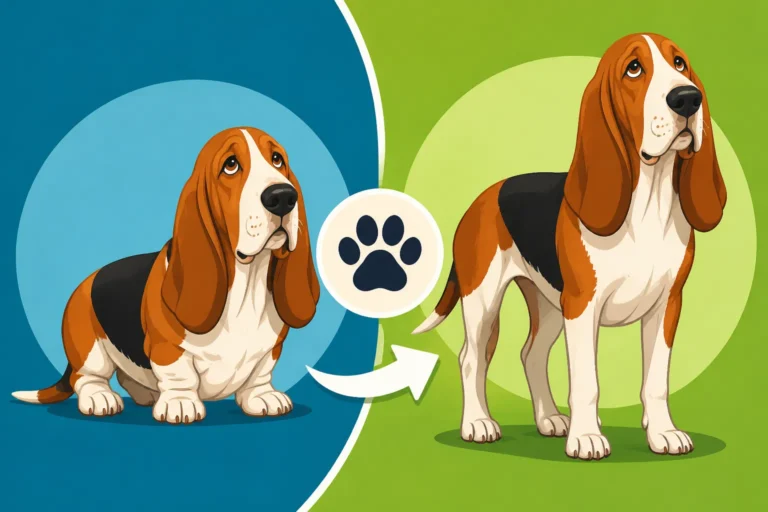
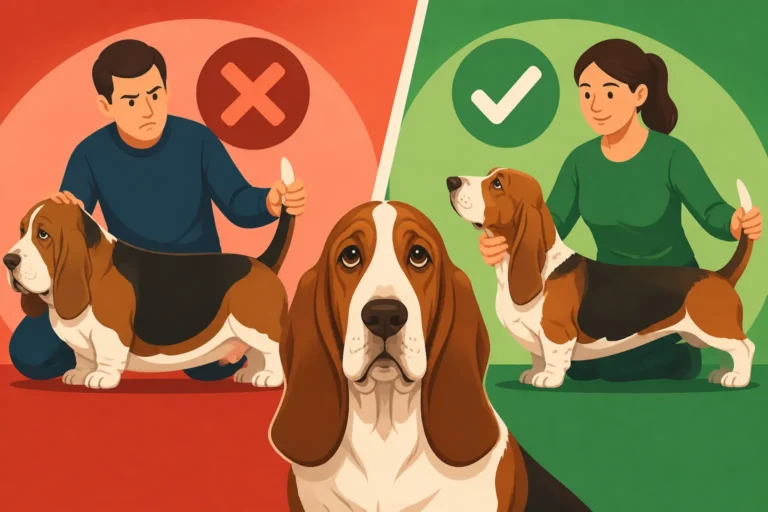
Because of this inherent vulnerability, Basset owners quickly learn the importance of protecting their dog's back. This means no jumping on or off furniture, using ramps or steps for beds and cars, and always supporting their long body properly when lifting them (one arm under the chest, one under the rump). Keeping them at a healthy weight is also paramount, as extra pounds put additional strain on their spine and joints. It's a constant vigilance that becomes second nature, all to avoid the potential heartache and expense of back problems, linking directly to The Back Trouble a Basset Hound Is Built Into and the necessity of Keeping a Basset Hound Off the Furniture It Should Not Jump From.
Drool, Wrinkles, and Skin Folds
Beyond the ears and back, the Basset's famously loose skin and jowly face come with their own set of care requirements. Let's talk about drool first. Oh, the drool! While not all Bassets are prodigious droolers, many are, especially when excited, around food, or after drinking water. That loose skin around their mouths and neck simply isn't designed to contain it all, leading to strings of slobber on your walls, furniture, and occasionally, your unsuspecting guests.
Then there are those adorable facial wrinkles and neck folds. While they give Bassets their distinctive sad-eyed look, they also trap moisture, food particles, and dirt. If not cleaned regularly, these folds can become irritated, leading to skin fold dermatitis – a common bacterial or yeast infection that can be itchy, red, and smelly. A quick wipe down with a soft, damp cloth or pet-safe wipe (you might find some great options on Chewy) daily or several times a week, particularly after meals, is often necessary to keep these areas healthy. And, let's be honest, that general "houndy" smell? It's often related to their oily skin and the potential for these skin fold issues if care isn't consistent. Understanding these realities is key to managing The Drool a Basset Hound Produces and Cannot Swallow and maintaining their skin health.
Training and Temperament: Stubborn Sweethearts
Many Basset Hounds are characterized as "stubborn," but that label often misses the mark. It's not so much that they're actively defying you; it's more about their independent nature, their overwhelming drive to follow their nose, and a rather pragmatic approach to "what's in it for me?" when it comes to training.
The "Stubborn" Label
Calling a Basset Hound stubborn is a bit like calling a fish a bad climber – it's not their fault; they're just built differently. Bassets were bred to trail game at a steady pace, independently making decisions based on scent. They weren't bred to be instantly obedient to human commands in every situation. When your Basset seems to ignore you, it's often a combination of being utterly engrossed in a scent, deciding your request isn't worth their effort, or simply not understanding why your command is more important than their current olfactory investigation.
This means that traditional, drill-like training methods can be met with a blank stare or a slow-motion flop to the ground. Harsh corrections are ineffective and can damage your relationship with your Basset. Instead, owners quickly learn that Bassets respond best to positive reinforcement, patience, and a deep understanding of what truly motivates them. This often revolves around high-value food rewards or engaging scent-based games. You’ll find yourself becoming quite creative in how you present requests, making it seem like their idea to comply. It's less about breaking their will and more about gentle persuasion and making the right choice utterly irresistible, which perfectly illustrates Whether a Basset Hound Is Stubborn or Just Not Interested.
Exercise Needs vs. Willingness
Despite their lumbering appearance, Basset Hounds do need regular exercise to stay healthy, maintain a healthy weight, and prevent boredom. However, their idea of "exercise" might not always align with yours. They are not built for long-distance running or high-impact activities, which can be detrimental to their joints and spine. Moderate, consistent walks are ideal.
The challenge often arises when a Basset decides they've had enough. You might be halfway through your planned route, and suddenly your Basset plants their feet, perhaps lays down, and refuses to budge. It’s a classic Basset move, especially if they’ve encountered an interesting smell they want to thoroughly investigate, or if they simply feel they've met their quota for the day. Trying to drag a determined Basset is a futile exercise. Owners quickly learn to factor in "Basset breaks" or understand that some walks might be shorter than planned. Carrying a Basset back home, especially a full-grown one, is not for the faint of heart, which many people realize when their Basset demonstrates The Basset Hound That Will Not Walk Any Further. Harnesses and short leashes are essential, as is a good sense of humor and a deep understanding of their unique gait and endurance.
Living with a Basset: Daily Realities
Life with a Basset Hound is full of endearing quirks and practical considerations that become part of the daily rhythm. From their endless pursuit of food to their shedding habits, these are the little things that truly define the Basset ownership experience.
The Perpetual Vacuum Cleaner
Basset Hounds possess an extraordinary love for food – and anything vaguely resembling it. Their low stature and keen noses mean they are constantly scanning the floor, counters, and even trash cans for forgotten morsels. They truly act like perpetual vacuum cleaners, often with surprising dexterity despite their clunky appearance. Counter surfing isn't uncommon, and an unsecured trash can is merely an invitation.
This insatiable appetite, combined with their tendency to gain weight easily, means owners must be incredibly diligent about food management. No unsupervised plates, no leaving food out on low tables, and secure storage for all dog food and treats. Many Basset owners invest in slow feeder bowls or puzzle toys to make mealtime last longer and engage their minds. For instance, products from places like Chewy can offer excellent slow feeders or puzzle toys to engage their minds without overfeeding. It's a constant battle against their internal "feed me!" drive, but managing it is crucial for their long-term health, as they truly would, if given the chance, spend their entire lives Feeding a Basset Hound That Would Eat Forever.
Shedding and Grooming Expectations
One might assume that a short-coated dog like a Basset Hound wouldn't shed much, but that's a common misconception. Bassets shed, and they shed a lot. Their short, dense coat continuously turns over, leaving a fine layer of Basset hair on your furniture, clothes, and floors. While it's not the tumbleweeds you might get from a double-coated breed, it's constant and pervasive.
Regular brushing, ideally several times a week with a rubber curry comb or a deshedding tool, can help manage the shedding, but it won't eliminate it entirely. You'll become accustomed to lint rollers and frequent vacuuming. Bathing can also help remove loose hair, but it's important not to over-bathe, as this can strip their skin of natural oils and exacerbate any skin issues. Beyond shedding, nail care is critical. Their heavy bone structure means their nails can grow quite long if not trimmed regularly, affecting their gait and potentially causing pain or orthopedic issues. It's a constant grooming commitment that goes beyond what many first-time owners expect from The Short Basset Hound Coat That Still Sheds Everywhere.
The Financial Commitment (Beyond the Puppy Price)
Bringing a Basset Hound into your life is an investment of love, time, and, undeniably, money. Many owners are surprised by the ongoing financial commitment, especially concerning health and specialized care, which often extends far beyond the initial purchase price of the puppy.
Unexpected Vet Bills
While Basset Hounds are generally robust dogs, their unique conformation predisposes them to several significant health issues that can lead to substantial veterinary bills. We’ve already discussed the chronic ear infections and spinal issues (IVDD), but they are also prone to eye conditions like glaucoma and entropion/ectropion, as well as skin fold infections. These aren't minor ailments; they often require specialized diagnostics, medications, and sometimes surgery.
A single episode of severe IVDD, for example, can involve an MRI, surgery, and post-operative physical therapy, quickly running into the thousands. Chronic ear infections can require ongoing medication, specialized cleaners, and frequent vet visits for rechecks or cultures. Many Basset owners quickly realize that pet insurance isn't a luxury but a sensible precaution, or that a dedicated savings account for veterinary emergencies is absolutely essential. It's about being prepared for the realities of Insuring a Basset Hound Against Eyes, Ears and Backs and other breed-specific ailments.
Ongoing Care Costs
Beyond emergency vet bills, the daily and monthly costs of caring for a Basset Hound can also add up. Quality food is paramount, especially considering their tendency to gain weight and their joint vulnerabilities. Many Bassets benefit from foods formulated for large breeds or those with joint-supporting ingredients. Joint supplements, even for younger Bassets, are a common preventative measure that adds to the monthly budget.
Then there's the equipment: specialized orthopedic beds to support their long backs, ramps or steps for furniture and cars to prevent jumping injuries, and durable toys that can stand up to their strong jaws. These items, while investments, are crucial for their comfort and long-term health. Online retailers like Chewy offer a wide range of these specialized beds and joint supplements, often at competitive prices. Factor in regular grooming supplies, parasite prevention, and annual check-ups, and you'll see that the financial commitment is ongoing. These dogs require consistent, thoughtful care that directly impacts their quality of life, making it important to budget realistically for all their needs.
Disclaimer
This article is for general informational purposes only and does not constitute professional advice. Laws, prices and regulations vary by location and change over time. Consult a qualified professional for guidance on your specific situation.