The Year Basset Hounds Were Shown in Britain
It’s easy to look at a Basset Hound today, with their unmistakable droopy ears and soulful eyes, and imagine they’ve always been a beloved fixture in homes and show rings, especially in a country like Britain with such a rich dog fancy tradition. But the truth is, every breed has a distinct journey, a moment when it truly steps into the public consciousness beyond its working roots. For the Basset Hound in Britain, that moment arrived at a specific point in history, transitioning them from obscure hunting companions to admired show dogs. This guide will walk you through the fascinating story of when Basset Hounds made their grand debut in the British exhibition scene, forever changing their destiny.
The First Glimpse of the Basset in Britain: Beyond the Fields
Before Basset Hounds became the charming, laid-back companions we know today, they were, first and foremost, working dogs. Their history is deeply rooted in France, where their unique build and exceptional nose were prized for tracking game on foot, allowing hunters to follow easily. When these remarkable hounds first arrived on British shores, it wasn't for ribbons and applause; it was for their incredible scenting abilities.
The French Connection and Early Imports
The Basset Hound’s lineage is a proud one, tracing back to The Abbey Hounds a Basset Hound Descends From and hunting estates in France. It’s believed that the earliest Basset Hounds made their way to Britain in the mid-19th century, brought over by enthusiasts who recognized their potential as hunting dogs. These weren't necessarily the Bassets we recognize instantly from popular media; they were robust, purpose-bred animals, valued for their noses and stamina in the field. Think less about the exaggerated features of some modern show lines and more about a lean, tenacious hunter.
These early imports often came from specific French strains, such as the Basset Artésien Normand, which shares a common ancestor with the modern Basset Hound. What the Basset Artesien Normand Is is a slightly different type, but it illustrates the variety that existed in France. The individuals who championed these hounds in Britain were typically gentry or avid hunters looking to diversify their sporting packs. They saw the value in a low-slung dog that could work through dense undergrowth with a keen nose, providing a slower, more deliberate hunt than faster hounds.
Not Just a Pretty Face: Utility Over Show
For quite some time, these Basset Hounds remained largely out of the public eye, their existence known primarily within hunting circles. They were working dogs, and their worth was measured by their performance in the field, not by how they stacked up against a breed standard. Owners were concerned with traits like scenting ability, endurance, and voice (the iconic "bay" that Basset Hounds are famous for), rather than specific conformation points that would later become crucial in the show ring.
This period was foundational for the breed in Britain. It allowed a small, dedicated group of owners to establish bloodlines and understand the Basset's unique needs in the British climate and terrain. They learned that a Basset Hound on a scent could be utterly oblivious to everything else, hence the emphasis on training a The Recall a Basset Hound Will Never Reliably Give You. This practical application contrasted sharply with the future direction of the breed, where aesthetic appeal would eventually play a larger role. The groundwork was laid, however, for what was to come, with dogs proving their worth one hunt at a time.
When the Basset Hound Stepped into the Spotlight
The transition from a specialized hunting dog to a public spectacle capable of winning rosettes required a significant shift in perception and a champion to bring them forward. That moment arrived, marking a pivotal year for the breed in Britain.
Queen Alexandra's Influence and Royal Endorsement
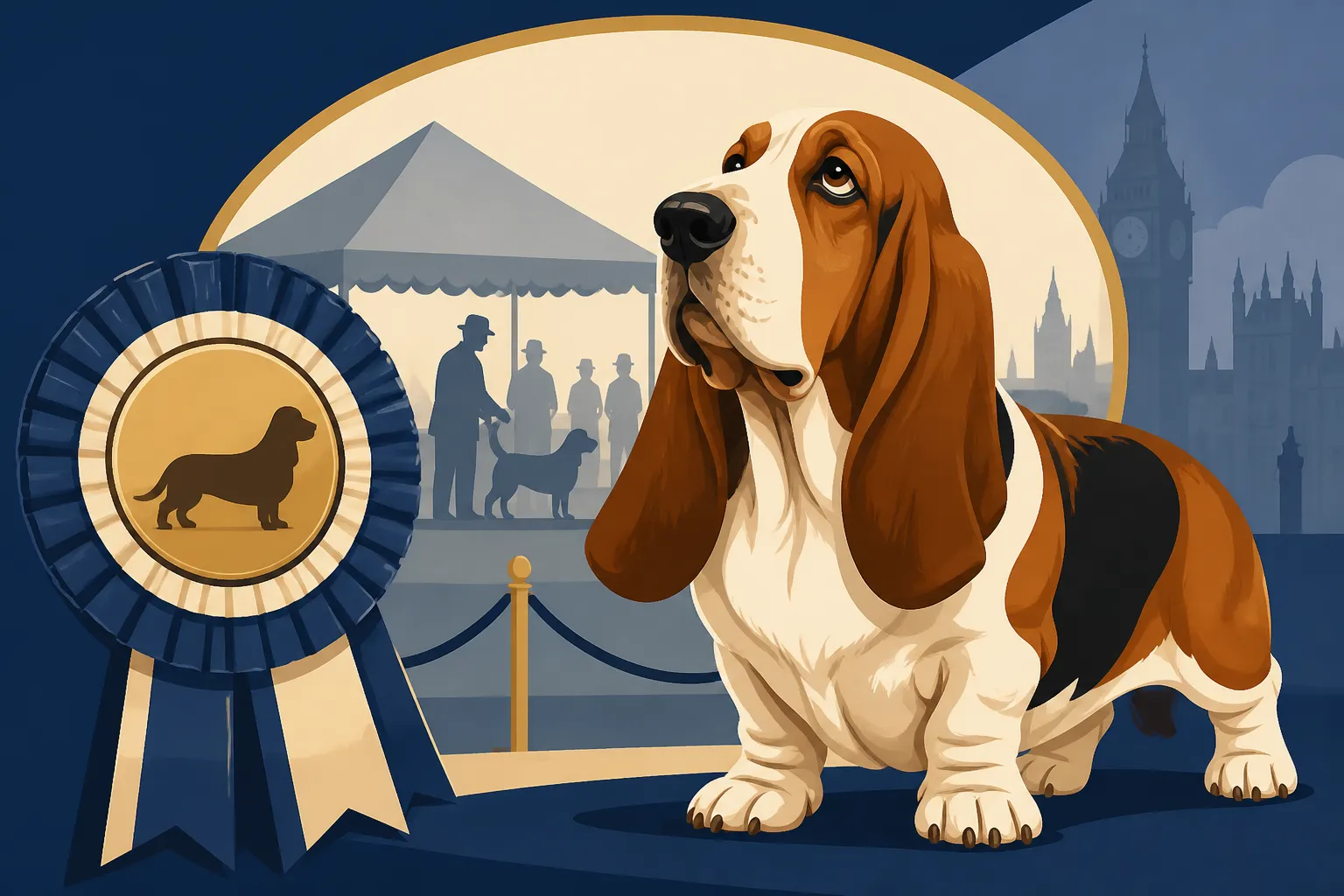
The year 1875 stands out as the earliest confirmed date that Basset Hounds were exhibited at a British dog show, specifically at Wolverhampton. This event was a crucial stepping stone. However, it was the patronage of royalty that truly catapulted the Basset Hound into the national consciousness. Queen Alexandra, then Princess of Wales, became an ardent admirer of the breed. Her interest wasn't just a passing fancy; she actively acquired Basset Hounds and exhibited them herself, lending immense prestige to these previously niche dogs. Whether Queen Alexandra Kept Basset Hounds is a testament to her dedication.
Her royal endorsement had an immediate and profound effect. Suddenly, the Basset Hound wasn't just a working dog for a few discerning hunters; it was a fashionable, desirable breed. People wanted what the Princess had, and breeders quickly saw the potential for a wider audience. This wasn't just about showing off a fancy pet; it was about showcasing the breed’s unique characteristics in a way that captured the public's imagination, paving the way for the development of the modern show Basset Hound. The royal connection was priceless, transforming a quiet, utilitarian presence into a celebrated phenomenon.
The Public's Fascination and Early Exhibitions
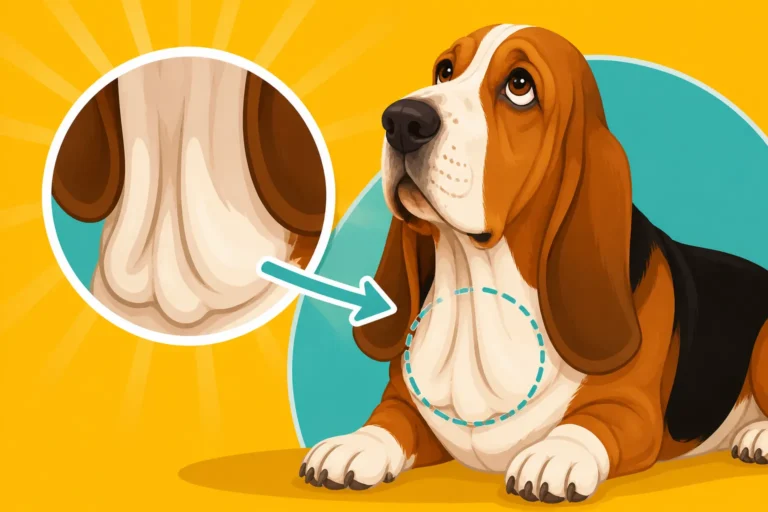
Once Basset Hounds started appearing at shows, they immediately captivated attendees. Their distinctive appearance – those long, pendulous ears, the soulful gaze, the wrinkled brow, and their remarkably low-slung, sturdy bodies – made them stand out from other breeds. Spectators, used to terriers, retrievers, and other more common breeds, were enchanted by the Basset's unique charm.
Early dog shows in Britain, often held alongside agricultural fairs, provided the perfect platform for this emerging interest. These events were social occasions, drawing crowds from all walks of life. Imagine the chatter and excitement as these unusual hounds were paraded, their dignified, almost melancholic expressions contrasting with their sturdy, powerful build. This exposure was vital for the breed's growth. It spurred conversations, created demand, and encouraged more people to become involved in breeding and exhibiting Basset Hounds. Soon, the emphasis began to shift from purely functional traits to the aesthetic qualities that judges would scrutinize, leading to the establishment of breed standards and the refinement of the show type. The Basset Hound was no longer just a hunter's companion; it was a star.
The Evolution of the Basset Hound Show Scene
From those initial appearances, the Basset Hound's journey in the British show world rapidly gained momentum. It wasn't long before they transitioned from being an interesting novelty to a firm favorite, requiring dedicated clubs and carefully developed standards to guide their future.
From Curiosity to Conformation Ring Staple
After their initial introduction and royal patronage, Basset Hounds quickly moved beyond being mere curiosities at dog shows. They started to be judged according to emerging breed standards, which detailed the ideal physical characteristics of the breed. This meant that breeders began to focus not just on hunting prowess, but on elements like ear length (those The Twelve Inch Ears a Basset Hound Was Given on Purpose!), the degree of loose skin (the 'dewlap' and facial wrinkles), body length, and correct angulation of their short legs. It was a conscious effort to standardize the breed's appearance.
This period saw a deliberate effort by early fanciers to establish a distinct British Basset Hound type, sometimes differentiating from their French counterparts. Exhibitors spent countless hours grooming, training, and preparing their hounds for the ring, understanding that a strong presence and adherence to the standard were key to success. The show ring became a competitive arena where breeders could showcase their efforts and gain recognition, influencing the direction of the breed for generations to come. This focus on conformation helped solidify the Basset Hound’s iconic look that we instantly recognize today, seen not just in Britain but influencing the breed globally, including breeds recognized by the American Kennel Club, such as The Year the AKC Recognized the Basset Hound.
The Development of Breed Clubs and Dedicated Events
As interest in the Basset Hound grew, so did the need for structured support for the breed. This led to the formation of specialized breed clubs. The Basset Hound Club in Great Britain, founded in 1883, was instrumental in championing the breed. These clubs played a crucial role in promoting responsible breeding, defining and refining the breed standard, and organizing dedicated events for Basset Hounds. They created a community for enthusiasts, where knowledge could be shared, and the welfare of the breed could be prioritized.
These clubs hosted their own specialty shows, which allowed for a deeper focus on the Basset Hound breed itself, often drawing larger entries and more specialized judges than general all-breed shows. This created an environment where breeders could truly compare their stock and contribute to the breed’s development. The club also helped educate the public about the unique needs and characteristics of Basset Hounds, making sure that potential owners understood what they were signing up for, including their distinctive bay The Bay a Basset Hound Uses and the Neighbors Hear and their strong scent drive. This organized effort ensured the Basset Hound’s continued success and popularity within the British canine world, establishing it as a truly significant and beloved breed.
The Lasting Legacy of British Basset Hounds
The impact of the Basset Hound's introduction and rise in popularity in British show rings cannot be overstated. It shaped the breed's appearance, its global reach, and its place in our hearts today.
Impact on the Breed Standard and Global Popularity
The meticulous efforts of early British breeders and clubs profoundly influenced the Basset Hound's breed standard, which in turn guided its development worldwide. The traits that were emphasized in the British show ring—the exaggerated skin, the deep chest, the specific head shape, and those impossibly long ears—became the hallmarks of the breed. While some might debate Whether the Basset Hound Has Been Bred Too Low, these characteristics undeniably cemented the Basset's distinctive image. This influence extended across the Atlantic and beyond, as other countries looked to Britain's established dog fancy for guidance.
British-bred Basset Hounds were often sought after for establishing new kennels in other nations, carrying with them the genes and characteristics perfected in the UK show scene. This global propagation meant that the British interpretation of the Basset Hound became the dominant one, shaping how the breed looked and was perceived globally. It’s a testament to the dedication of those early enthusiasts that the Basset Hound's appearance today still largely reflects the ideals set forth in those formative years.
Modern Basset Hounds: A Nod to Their History
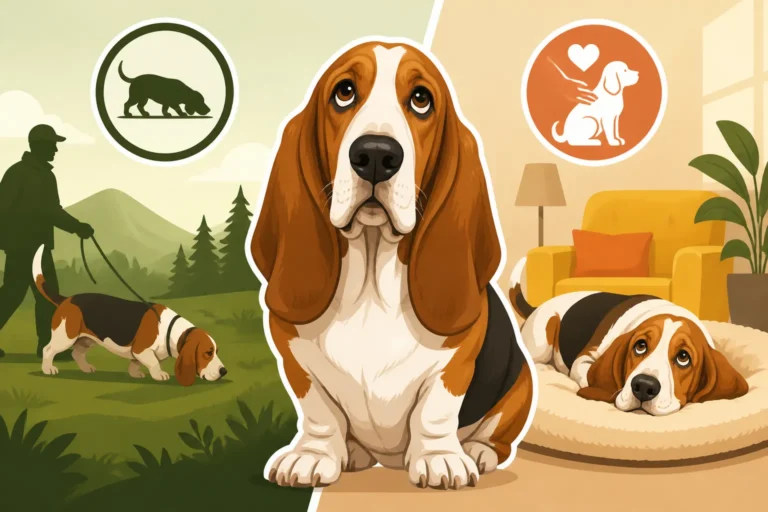
Today, Basset Hounds continue to be a beloved breed in Britain and around the world, whether they are cherished family pets, active participants in scent work trials, or stars of the conformation ring. The Basset Hound you see snoozing on the sofa, perhaps after a long walk where its nose led the way, owes a debt to its ancestors who first stepped into the show ring in 1875. Even if your Basset Hound is more interested in its Chewy treat than a show ribbon, its very existence and distinctive looks are products of this rich history.
The breed’s gentle nature, coupled with its comical appearance and unwavering devotion, ensures its enduring appeal. While their strong scent drive means they should Whether a Basset Hound Should Ever Be Off Leash in an unsecured area, their placid demeanor at home makes them wonderful companions. We’ve come a long way from the purely functional hunting hounds to the multifaceted dogs we enjoy today. Breeders continue to work towards maintaining the health and integrity of the breed, balancing distinctive features with overall well-being. Looking at a Basset Hound today is truly seeing a living piece of canine history, a direct link to those exciting early days of British dog shows. You can find everything you need for your modern Basset Hound, from nutritious foods to engaging toys, on platforms like Chewy, ensuring they live their best, historically rich lives.
| Year | Event/Significance | Impact on Basset Hounds in Britain |
|---|---|---|
| Mid-19th Century | First Basset Hounds imported from France | Introduced the breed to British hunting circles; utility-focused |
| 1875 | First recorded exhibition at Wolverhampton Dog Show | Initial public exposure; transition from purely working to show potential |
| Late 1870s | Queen Alexandra acquires and exhibits Basset Hounds | Royal patronage elevates breed's status; increases public interest and demand |
| 1880s | Formation of The Basset Hound Club | Established breed standard; organized dedicated shows and fostered community |
| Early 20th Century | British-bred Bassets exported globally | British standard becomes influential worldwide; shapes modern breed appearance |
| Today | Continued popularity as pets, show dogs, and working dogs | Legacy of historical showing endures; breed maintained and cherished |
This journey highlights how much a breed can evolve once it gains public recognition and dedicated fanciers. From a quiet working dog to a national darling, the Basset Hound's story in Britain is a captivating chapter in canine history. And whether you're ordering their favorite kibble from Chewy or just admiring their majestic ears, remember the year 1875 as a turning point for these wonderful hounds.
Disclaimer
This article is for general informational purposes only and does not constitute professional advice. Laws, prices and regulations vary by location and change over time. Consult a qualified professional for guidance on your specific situation.