Whether the Basset Hound Has Been Bred Too Low
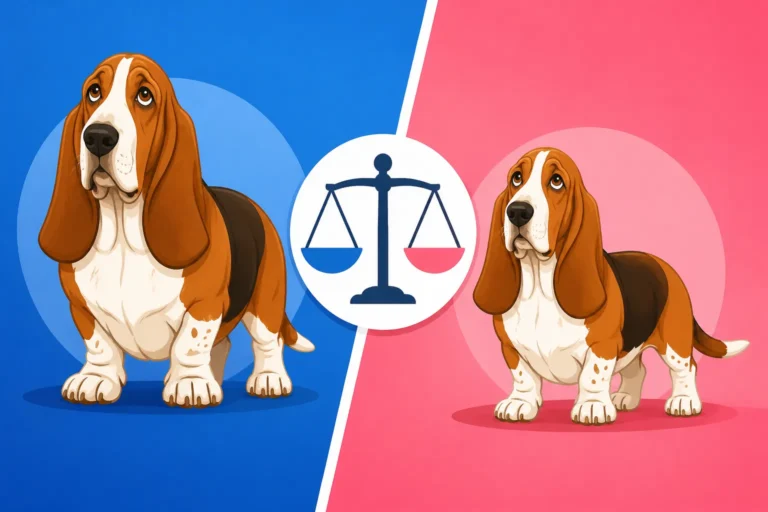
Many Basset Hound owners find themselves looking at their beloved, low-slung companion and wondering if the breed's distinctive shape, while endearing, might actually be a little too low for their own good. It’s a valid concern, especially when you see them struggling with stairs or simply getting up off the floor. This guide dives deep into the history and evolution of the Basset Hound's unique conformation, exploring whether the quest for a particular look has pushed the breed's physical characteristics to an unhealthy extreme.
The Historical Purpose Behind a Low-Slung Hound
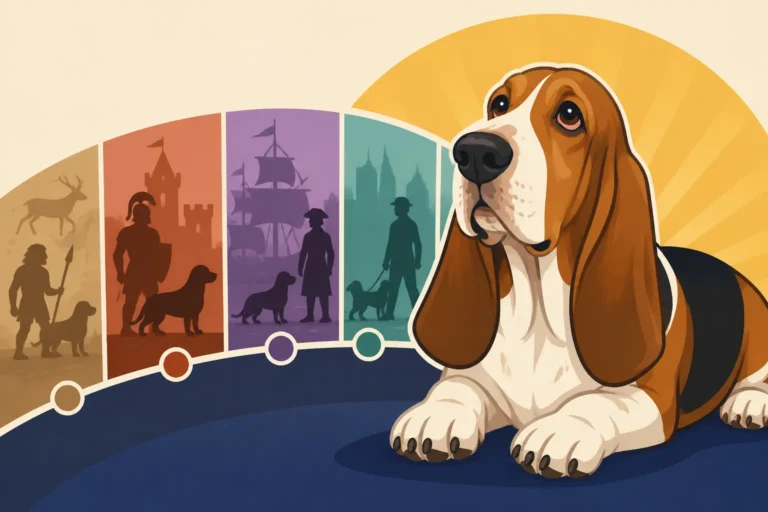
Before we ponder whether our Bassets are "too low," it’s crucial to understand why they were bred that way in the first place. The Basset Hound isn't a modern creation; its distinctive shape is a direct result of centuries of selective breeding for a very specific hunting purpose. These dogs weren't meant to chase down prey at breakneck speeds across open fields. They were designed for a much more methodical, scent-driven task.
Tracking Scent Close to the Ground
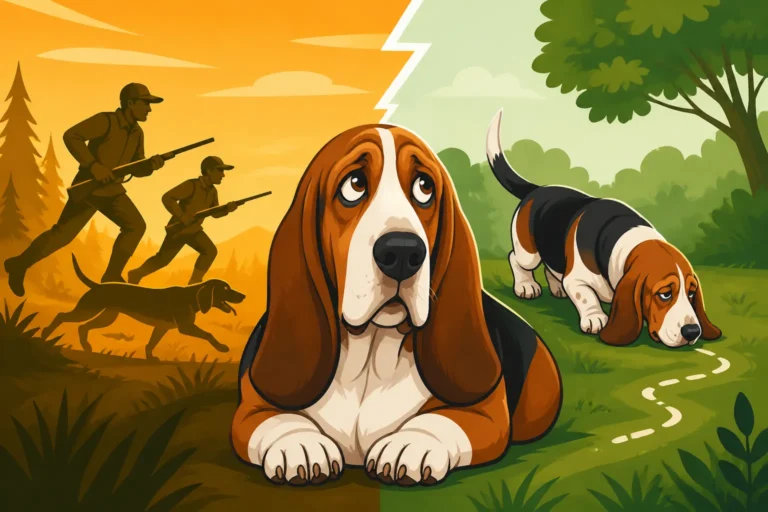
Imagine a dense forest or thick undergrowth, where scent trails lie hidden beneath leaves and low-hanging branches. This is the environment the early Basset Hounds, stemming from The Abbey Hounds a Basset Hound Descends From, were perfected for. Their short, powerful legs and long bodies allowed them to stay low to the ground, almost "swimming" through the vegetation. This close proximity to the earth meant their incredible noses could pick up and follow even the faintest of scent trails, which linger best at ground level where air currents are minimal. Their long, pendulous ears, which some believe act like little scent-sweepers, gently brush the ground, wafting forgotten odors directly towards their powerful olfactory organs. This specialized design was a hunter's dream, ensuring no rabbit or game bird could escape their relentless, ground-hugging pursuit.
The unique combination of short legs and heavy bone structure wasn't an accident or a purely aesthetic choice. It was a functional adaptation that made them exceptionally good at what they did. Their entire body was a finely tuned instrument for scent work, designed to keep their nose firmly planted on the trail, regardless of the terrain. When you watch a Basset follow a scent with intense focus, nose to the ground, you can truly appreciate the genius behind their design. It's an instinctive behavior, a primal drive that has been hardwired into them for generations. The very attributes that make them look "low" are what made them excellent at their original job. Whether a Basset Hound's Ears Sweep Scent Upward is a fascinating aspect of this design.
A Pace for Hunters on Foot
Another critical aspect of the Basset Hound's low stature and unique build was the pace it set for the hunt. Unlike other hounds bred for speed, Bassets were intended to be followed by hunters on foot. Think about it: a hunter on horseback chasing a speedy Greyhound is one thing, but a person navigating dense woodland or farmland on foot needs a dog that won't outpace them. The Basset Hound's short legs naturally meant a slower, more deliberate gait.
This slower pace made the hunt accessible and manageable. It allowed hunters to keep up with their dogs, observing the trail and enjoying the process without being left behind. The Basset's stamina, combined with its steady, unhurried tracking, created an efficient and enjoyable hunting experience. It wasn't about the kill as much as it was about the chase, the meticulous following of the scent. So, while their short legs might seem comical to some, they were a deliberate design choice that perfectly suited the needs of the hunter. This historical context is vital when we discuss Whether a Basset Hound Was Bred to Be Followed on Foot.
The Evolution of the Basset Hound's Conformation
Like many purebred dogs, the Basset Hound's journey from a working hound to a beloved companion and show dog has seen shifts in its physical appearance. Over the centuries, particularly with the rise of formal dog shows and breed standards, there has been an evolution, and sometimes an exaggeration, of certain traits.
Influence of Show Standards on Breed Type
When the Basset Hound transitioned from purely a working dog to one admired for its distinctive looks in the show ring, breed standards were established. These standards aimed to codify the ideal appearance of the breed. However, what often happens in the pursuit of "type" in the show ring is that judges and breeders sometimes favor more exaggerated features. The very traits that made the Basset Hound efficient for hunting – its long body, short legs, heavy bone, and extensive loose skin – began to be emphasized.
This push for distinctiveness can lead to a breed becoming a caricature of its former self. A slightly longer ear might become an excessively long ear. A low-slung body might become one almost dragging on the ground. The challenge lies in balancing these aesthetic ideals with the practicalities of a dog's health and functionality. Breeders, aiming to produce dogs that excel in competition, might inadvertently select for traits that, while visually striking, could impact the dog's overall well-being. It’s a delicate dance between preserving breed identity and ensuring physical soundness.
The Drive for Exaggerated Features
The desire for a "wow" factor in the show ring can push breeds towards more extreme features. For Basset Hounds, this has sometimes meant dogs with even lower-set bodies, an abundance of loose skin that creates overly deep wrinkles, and ears so long they frequently step on them. While these traits are undeniably part of the Basset Hound's charm and unique appeal, when taken to an extreme, they can become detrimental.
This drive isn't unique to Basset Hounds; many breeds have faced similar challenges where exaggerated features, initially deemed desirable, eventually lead to health concerns. The intention is rarely malicious; it's often a cumulative effect of individual breeding choices guided by the prevailing interpretation of the breed standard. Over generations, what was once considered a good example of the breed can shift towards an extreme version. This is where passionate breed enthusiasts and ethical breeders step in, working to steer the breed back towards a healthier, more moderate interpretation of its defining characteristics. They understand that while a Basset's unique shape is part of its identity, it should never come at the cost of its health and quality of life.
The Health Implications of Extreme Conformation
While the Basset Hound's low-slung, heavy-boned body is undeniably charming, an exaggeration of these features can lead to a host of health problems that significantly impact their quality of life. These are the real frustrations many owners face, seeing their beloved companions struggle with issues directly related to their unique build.
Spinal and Joint Concerns
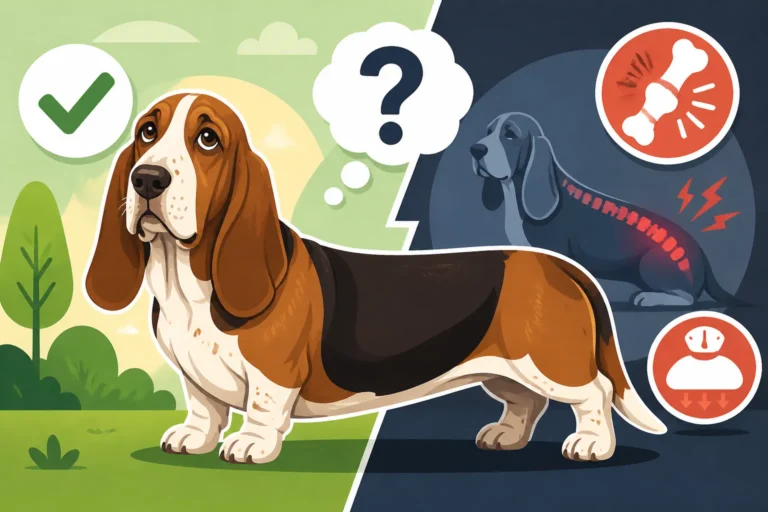
One of the most significant concerns for Basset Hounds, especially those bred to be excessively low and long, is the increased risk of spinal issues. Their elongated bodies combined with short, bowed legs place immense stress on their vertebral column. The most common and painful of these is Intervertebral Disc Disease (IVDD), where the discs between the vertebrae bulge or rupture, pressing on the spinal cord. This can lead to excruciating pain, nerve damage, and even paralysis. Owners often find themselves facing sudden emergencies and heartbreaking decisions when a disc issue strikes. Intervertebral Disc Disease in a Basset Hound is a deep concern for the breed.
Similarly, their heavy bone structure and specific leg conformation also predispose them to joint problems. Elbow dysplasia, a condition where the elbow joint doesn't develop properly, is sadly common. This can cause chronic pain, lameness, and debilitating arthritis, particularly as they age. While some bowing in the front legs is characteristic, an exaggerated "crooked front" can exacerbate these issues, making every step a challenge. Elbow Dysplasia in a Basset Hound and The Crooked Front a Basset Hound Is Built On highlight these inherent vulnerabilities. Preventing these conditions often means strict management of activity levels, maintaining a healthy weight, and sometimes, expensive medical or surgical interventions.
Skin Fold and Ear Issues
The Basset Hound’s characteristic loose skin and long, heavy ears, when exaggerated, become prime sites for infections and discomfort. Their deep facial folds, particularly around the mouth and eyes, can trap moisture, food particles, and debris, creating a warm, damp environment perfect for bacterial and yeast infections. These skin fold infections can be itchy, painful, and emit an unpleasant odor, requiring diligent cleaning and often medicated wipes or ointments. It's a daily battle for many owners to keep these areas clean and dry, a task that can become even more challenging if the dog is resistant to handling.
Their magnificent, long ears are another area of concern. While they aid in scenting, their length and lack of air circulation make them highly prone to chronic ear infections. Moisture, wax, and debris get trapped deep within the ear canal, leading to recurrent painful infections that can be bacterial, yeast, or both. These infections often require regular, intensive cleaning protocols and repeated vet visits, sometimes for life. The sheer weight and length of the ears also make them susceptible to trauma, like getting caught in doors or stepped on, which can lead to painful aural hematomas. The Skin Under a Basset Hound's Folds and Skin Fold Infections on a Basset Hound are important topics for every Basset owner.
Movement and Mobility Challenges
An overly low or exaggerated Basset Hound often struggles with basic mobility, which can significantly reduce their quality of life. Their short legs and long bodies mean they can’t move as freely or as gracefully as a more moderately built dog. Climbing stairs, jumping onto furniture (which they shouldn't do anyway, given their back issues), or even navigating uneven terrain can be a significant challenge. This lack of agility can limit their participation in activities, leading to boredom and potentially contributing to weight gain if exercise is too difficult.
Furthermore, the excessive weight of some Bassets, compounded by their low stature, puts immense strain on their joints and spine. An overweight Basset is at an even higher risk for IVDD, arthritis, and general discomfort. It becomes a vicious cycle: discomfort limits exercise, which leads to weight gain, which increases discomfort. Helping these dogs maintain a healthy weight is crucial, but it can be difficult when their physical conformation already makes vigorous exercise challenging. They might not be able to go for long walks or engage in active play for extended periods. It's important for owners to remember that How Far a Basset Hound Should Walk will vary greatly by individual and their overall health.
Recognizing a Healthy vs. Exaggerated Basset Hound
As a prospective or current Basset Hound owner, understanding the difference between a healthy, well-conformed Basset and one with exaggerated features is incredibly important. It's not just about looks; it's about supporting a dog's long-term health and well-being. Knowing what to look for can help you make informed decisions, whether you're choosing a puppy or adjusting your current Basset's care.
Understanding the Breed Standard (and its interpretation)
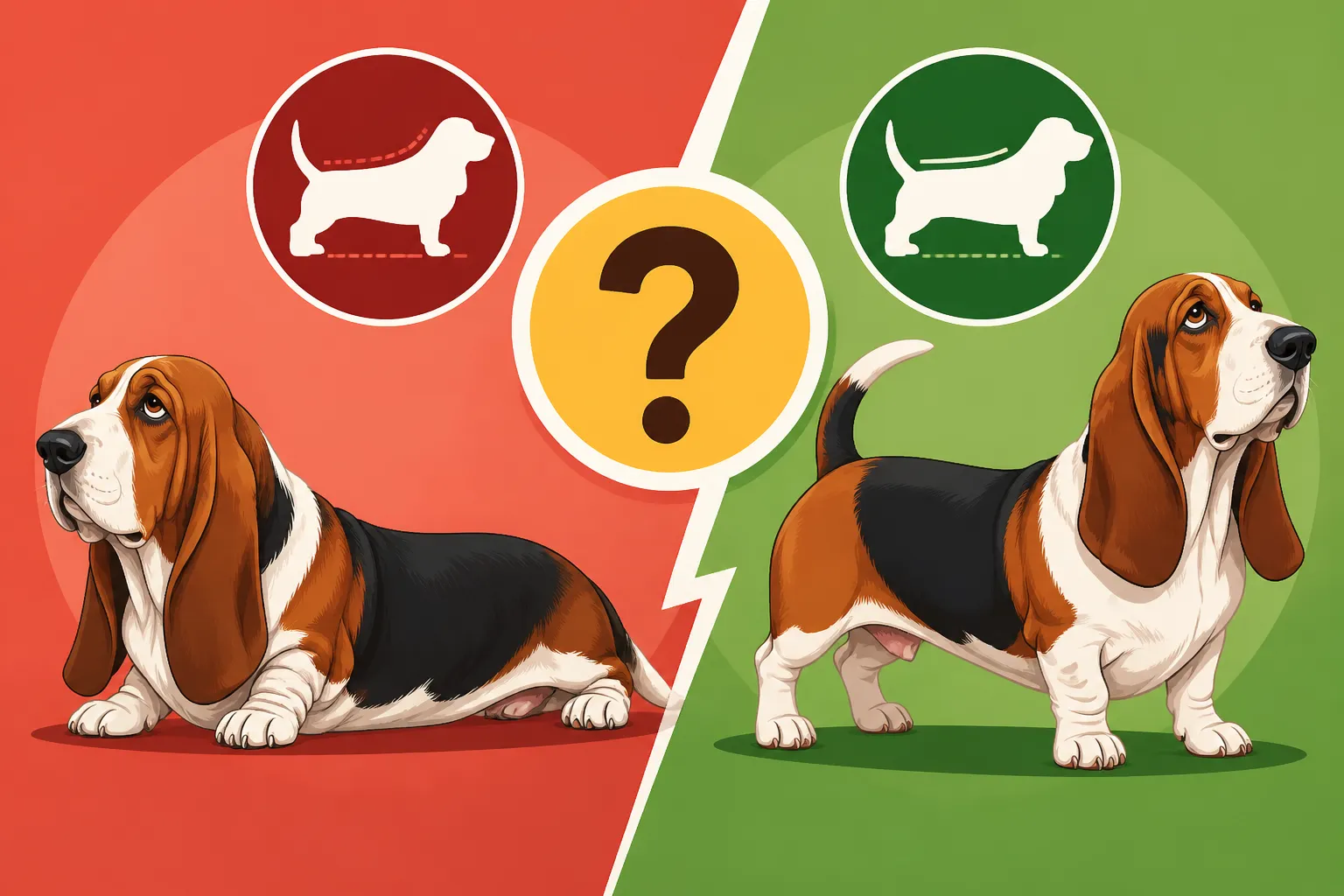
Every recognized purebred dog has a breed standard, a written description of the ideal dog of that breed. For the Basset Hound, the standard describes characteristics like its powerful, short legs, long, heavy body, and distinctive head. However, interpretation is key. A good, functional Basset Hound should embody these traits without taking them to an extreme that compromises health. For instance, the standard calls for "powerful short legs," not legs so short the dog's chest drags on the ground. It describes "ample loose skin," not so much that it creates excessive, constantly irritated folds.
Responsible breeders interpret the standard with an eye towards functionality and health. They strive for a dog that looks like a Basset but can also move freely, breathe easily, and live a comfortable life. An exaggerated Basset, on the other hand, might have an excessively long back disproportionate to its leg length, a chest that is so deep and low it impedes movement, or an overwhelming amount of loose skin and wrinkles that require constant medical attention. It's about moderation. The goal is to preserve the unique Basset "type" while ensuring the dog remains a robust and healthy companion. Why a Basset Hound's Legs Are So Short is part of this discussion, but the degree of shortness is what matters for health.
Practical Considerations for Everyday Living
Beyond the show ring, the true measure of a healthy Basset's conformation lies in its ability to navigate everyday life comfortably. A moderately built Basset should be able to walk a reasonable distance without undue strain, easily get up and down from a lying position, and generally move with a certain degree of ease. They shouldn't be constantly battling skin infections from overly deep folds or chronic ear infections due to ears that are too long and heavy.
When considering a Basset Hound, think about simple things:
- Can they climb a small step without obvious discomfort?
- Do their ears drag excessively through their food and water bowls, necessitating constant wiping or special feeders? (Many owners address this with snoods, but constant unavoidable contact adds to hygiene challenges.)
- Does their chest scrape on uneven ground during a normal walk?
- Is their skin clear and healthy, or are there constant issues with irritation and infection in their wrinkles?
If a Basset Hound's physical traits make these everyday tasks a constant struggle, it's a strong indicator that their conformation might be leaning towards the exaggerated side. Choosing a puppy from a breeder who prioritizes functional health and moderation over extreme features will contribute significantly to your dog’s long-term well-being and your peace of mind. Investing in a quality ramp for the car or steps for the couch can certainly help, and you can find many options on sites like Chewy, but the dog's inherent ability to move should still be a priority.
The Role of Responsible Breeding and Advocacy
For the Basset Hound to thrive for generations to come, the commitment of responsible breeders and dedicated advocates is absolutely paramount. It’s about more than just producing puppies; it’s about safeguarding the health and integrity of the entire breed.
Health Testing and Ethical Breeding Practices
Responsible breeders understand that a beautiful Basset Hound is also a healthy Basset Hound. They meticulously screen their breeding dogs for inheritable conditions that are prevalent in the breed, such as elbow dysplasia, eye conditions like glaucoma, and certain blood disorders like thrombopathia. While some tests, like for IVDD, are not as straightforward, breeders can still assess overall structure and choose dogs with sound backs and moderate length of body relative to their height. These health tests are not cheap, but they are a vital investment in the future of the breed, reducing the likelihood of passing on debilitating conditions to future generations. The Health Tests a Basset Hound Breeder Should Run is a topic every prospective owner should research.
Ethical breeding also involves making conscious choices about conformation. These breeders are not chasing extremes but rather aiming for a balanced dog that fits the breed standard in a functional, healthy way. They prioritize good structure, correct movement, and a moderate amount of loose skin and ear length, ensuring that these classic Basset traits don't become liabilities. They are transparent about their health testing results and are eager to educate prospective owners about the breed's unique needs and potential health challenges. They will also be honest about the cost of owning a Basset, including preventative care items like specific ear cleaners you might find on Chewy.
Supporting Breed Clubs and Welfare Initiatives
Breed clubs play a pivotal role in promoting responsible breeding and protecting the Basset Hound. Organizations like the Basset Hound Club of America and similar clubs in other countries work tirelessly to educate the public, support health research, and encourage ethical breeding practices among their members. They often host educational seminars, health clinics, and offer resources for owners struggling with common Basset ailments.
Supporting these clubs, whether through membership, donations, or simply following their guidelines, helps ensure that the breed's future is in good hands. Furthermore, numerous Basset Hound rescue organizations are dedicated to helping dogs in need, often those who have been surrendered due to health issues or a lack of understanding of the breed's specific care requirements. These rescues provide an invaluable service, rehabilitating and rehoming Bassets, and often educating the public on how to care for them properly. By choosing to support responsible breeders and advocate for the breed through these organizations, we can all contribute to a healthier, happier future for these wonderfully unique hounds. For example, if you adopt a Basset with existing ear issues, a rescue might recommend specific cleaning products that are readily available from online retailers like Chewy.
| Feature | Healthy, Moderate Basset Hound | Exaggerated Basset Hound | Health Implications |
|---|---|---|---|
| Leg Length | Short, strong legs providing clearance for body | Extremely short, bowed legs; chest drags | Impaired movement, calluses, dragging belly, higher IVDD risk |
| Body Length | Long, but balanced with leg length and depth of chest | Excessively long, disproportionate to leg length | Severe spinal stress, high risk of The Back Trouble a Basset Hound Is Built Into |
| Loose Skin | Ample, forming moderate wrinkles, especially on head and neck | Profuse, deep folds on face, body; excessive dewlap | Skin fold dermatitis, yeast infections, impaired vision, hygiene challenges |
| Ear Length | Long, velvety, reaching just past the nose | Extremely long, heavy, dragging on the ground | Chronic ear infections, trauma (stepping on ears), poor air circulation |
| Bone Structure | Heavy, solid bone | Overly massive bone for size, leading to clumsiness | Joint strain, Whether a Basset Hound Gets Hip Dysplasia (though less common than elbows), difficulty rising |
| Gait | Deliberate, low to the ground, but free and capable | Labored, shuffling, struggles with uneven ground or steps | Reduced exercise tolerance, painful movement, reluctance to move |
The conversation about whether the Basset Hound has been bred "too low" isn't about criticizing the breed itself, but rather about acknowledging the challenges that arise when specific physical traits are pushed to extremes. Our lovable Bassets, with their soulful eyes and distinctive form, deserve to live full, comfortable lives. Understanding their origins as purposeful working hounds designed for specific tasks helps us appreciate their unique build, while also recognizing the potential pitfalls of over-exaggeration. It's a call to action for all of us – breeders, owners, and enthusiasts alike – to prioritize health and function alongside classic Basset charm. By supporting ethical breeding practices, staying informed, and advocating for moderation, we can ensure that the Basset Hound continues to be a cherished companion for generations to come, embodying the best of its heritage without suffering for its looks.
Disclaimer
This article is for general informational purposes only and does not constitute professional advice. Laws, prices and regulations vary by location and change over time. Consult a qualified professional for guidance on your specific situation.