Whether a Basset Hound Can Be Bred With Longer Legs
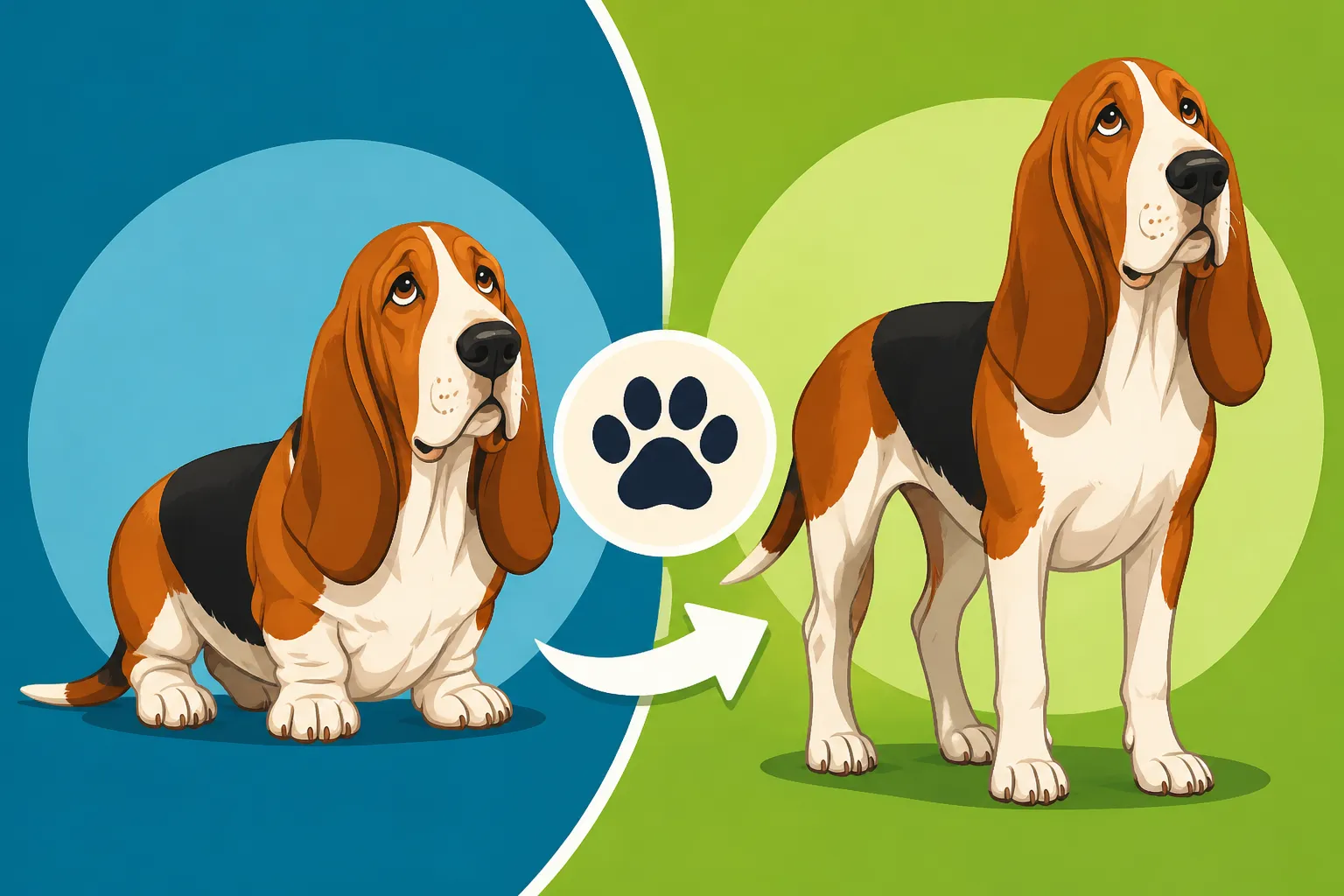
It's a common worry for many Basset Hound lovers: we adore their distinctive look, those long, droopy ears, and their incredibly sweet nature, but we also can't help but notice their extremely short legs and long backs. This unique build, while iconic, often raises concerns about their health and mobility. Many wonder if it's possible—or even desirable—to breed Basset Hounds with slightly longer, more functional legs to alleviate some of these potential issues. This guide will delve into the history, genetics, and current discussions surrounding the Basset Hound's conformation, exploring whether a future with a more moderate, healthier build is within reach.
The Basset Hound's Distinctive Low-Slung Stature
When you look at a Basset Hound, their profile is unmistakable: low to the ground, heavy bone, and those magnificent, sweeping ears. This isn't an accident; every feature of the Basset Hound's conformation was specifically developed for a purpose, primarily to aid in scent trailing. Their unique body structure is a testament to centuries of selective breeding aimed at creating the ultimate scent hound for hunters on foot.
A Heritage Rooted in Function
The origins of the Basset Hound trace back to France, where monks at the Abbey of St. Hubert are often credited with developing early versions of these low-slung hounds. The word "Basset" itself comes from the French word "bas," meaning "low," which perfectly describes their stature. Unlike faster hounds used for hunting on horseback, Bassets were bred to be slow and methodical, allowing hunters to follow them on foot through dense undergrowth. Their short legs were a distinct advantage, keeping their noses close to the ground to meticulously follow a scent trail without overrunning it.
These early Bassets were invaluable for hunting small game like rabbits and hares. Their design allowed them to navigate challenging terrain, pushing through thickets where a taller dog might struggle. The broad, heavy bone in their legs, while contributing to their low center of gravity, also added to their sturdy, resilient frame, capable of enduring long hours of trailing. It's a powerful reminder that their form truly followed their function for generations.
The Anatomical Blueprint of the Basset
Beyond just short legs, a Basset Hound's entire anatomy is geared towards scent work. Those long, pendulous ears, for instance, are believed to sweep scent from the ground towards their powerful nose, enhancing their ability to pick up and follow even the faintest trails. Their loose skin, particularly the dewlap around their neck, is thought to help trap scent particles, keeping them contained near their nose as they work.
Their disproportionately long body, set upon those short, sturdy legs, creates a low-slung, ground-hugging profile. This makes them incredibly efficient scent machines, but it also creates specific anatomical challenges. The weight of their body, combined with the extreme length of their spine relative to their leg length, puts considerable strain on their vertebral column. This balance of incredible scenting ability with a physically demanding structure is at the heart of the breed's conformation. Whether a Basset Hound's Legs Are Too Short to Be Sound is a question that often comes to mind when observing their unique build.
The Delicate Balance Between Form and Function
While the Basset Hound's conformation is a marvel of selective breeding for a specific task, the pursuit of exaggerated features, especially in show lines, has sometimes pushed the limits of what is comfortable and healthy for the dog. The focus on extreme shortness and length, while perhaps aesthetically pleasing to some, can unfortunately lead to a host of health problems that significantly impact a Basset's quality of life.
The Health Challenges Exacerbated by Extreme Conformation
One of the most widely recognized issues stemming from the Basset Hound's long body and short legs is related to their spine. Intervertebral Disc Disease (IVDD) is a significant concern for the breed, where the cushions between the vertebrae can rupture or bulge, pressing on the spinal cord. This can lead to immense pain, nerve damage, and in severe cases, partial or complete paralysis. It's a devastating condition that can require costly surgeries and intensive rehabilitation. Breeders and owners are keenly aware of The Back Trouble a Basset Hound Is Built Into.
Beyond spinal issues, the structure can also impact their joints. The heavy bone and short limbs can contribute to elbow dysplasia, a condition where the elbow joint develops abnormally. While Bassets might not suffer from hip dysplasia as commonly as some larger breeds, the overall stress on their joints from carrying a heavy body on those short legs can lead to early onset arthritis. This pain can significantly limit their mobility, especially as they age, making simple acts like getting up from a lying position or climbing a single stair a painful ordeal.
The Impact of Short Legs on Mobility and Longevity
The very features that made Basset Hounds excellent hunters can hinder their everyday lives. Their low stature means their chests can drag through wet grass or snow, leading to discomfort or skin issues if not properly managed. Their loose skin and deep folds, while good for scent, require diligent cleaning to prevent skin fold infections. The Skin Under a Basset Hound's Folds can become a breeding ground for bacteria and yeast if not kept dry and clean.
Furthermore, the physical limitations can impact their ability to exercise effectively. While Basset Hounds aren't built for marathons, adequate, consistent exercise is crucial for maintaining a healthy weight and muscle tone. However, dogs with severe spinal or joint issues might find even moderate walks challenging, leading to a vicious cycle where reduced activity contributes to weight gain, which then further stresses their skeletal system. What Extra Weight Does to a Basset Hound is a serious concern, compounding existing structural problems. Owners often need to get creative with exercise, focusing on short, frequent walks and nose work games rather than strenuous activity. You might even find specialized slow feeders or enrichment toys on sites like Chewy to encourage mental activity without overexertion.
The Complexities of Breeding for a Modified Basset Hound
The idea of breeding Basset Hounds with longer, more proportionate legs is appealing to many who want to see the breed thrive with fewer health issues. However, making such a change isn't as simple as just deciding to do it. It involves understanding the breed's deep genetic history, the established breed standards, and the ethical responsibilities of breeders.
Genetic Foundations of Leg Length in Bassets
The Basset Hound's short legs are a classic example of a genetic trait known as chondrodysplasia, a form of dwarfism. This isn't unique to Basset Hounds; it's also responsible for the short legs in breeds like Dachshunds and Corgis. This trait is typically inherited, meaning it's coded directly into their DNA. To breed for longer legs would mean actively selecting against this dominant genetic characteristic.
Changing such a fundamental, long-established genetic trait within a purebred population is a slow and complex process. It would require careful, generational breeding, focusing on individuals who naturally exhibit slightly longer leg bones, and then carefully assessing their offspring for consistency. This isn't a quick fix, nor is it something that could be achieved in a single generation without potentially introducing other unforeseen genetic issues or losing the essential characteristics that define a Basset Hound. Whether Achondroplasia Explains a Basset Hound's Shape delves deeper into this genetic reality.
The Role of Breeders in Shaping the Breed's Future
Breeders play a pivotal role in the health and future of any purebred dog. For Basset Hounds, responsible breeders are already striving to produce healthy, sound dogs within the current breed standard, while also prioritizing temperament. The breed standards set by organizations like the American Kennel Club (AKC) describe the ideal characteristics of a Basset Hound, including their low stature. Any significant shift towards longer legs would mean a departure from these established standards.
However, there's a growing movement within many breeds to prioritize health and function over extreme aesthetics. Some breeders are actively looking for Basset Hounds that, while still recognizably Bassets, exhibit a slightly less exaggerated conformation – a bit more ground clearance, a back that isn't excessively long for their frame, and good overall balance. This isn't about creating a "new" breed, but rather refining the existing one to enhance health and longevity. These breeders often conduct extensive health testing beyond the basic recommendations, looking for subtle indicators of better structural soundness. It's a nuanced approach, walking the line between preserving breed type and improving welfare. Whether a Basset Hound Can Be Bred Straighter explores this very concept.
Navigating the Quest for a Healthier Basset Hound Build
If you're considering bringing a Basset Hound into your life, and you share concerns about the health implications of extreme conformation, there are ways to approach your search for a puppy or adult dog that prioritizes health and a more moderate build. It's about being an informed advocate for the breed.
What to Look For in a Moderately Built Basset
When looking for a Basset Hound, especially if you're hoping for a dog with a more moderate structure, the key is careful observation and asking the right questions. Instead of focusing solely on the "lowest" or "longest" dog in a litter, observe their movement. Do they move freely and easily? Look for good angulation in their front and rear limbs, indicating better joint mechanics. While they will still be low-slung, a dog that has a little more ground clearance and seems well-balanced often indicates a more functional structure.
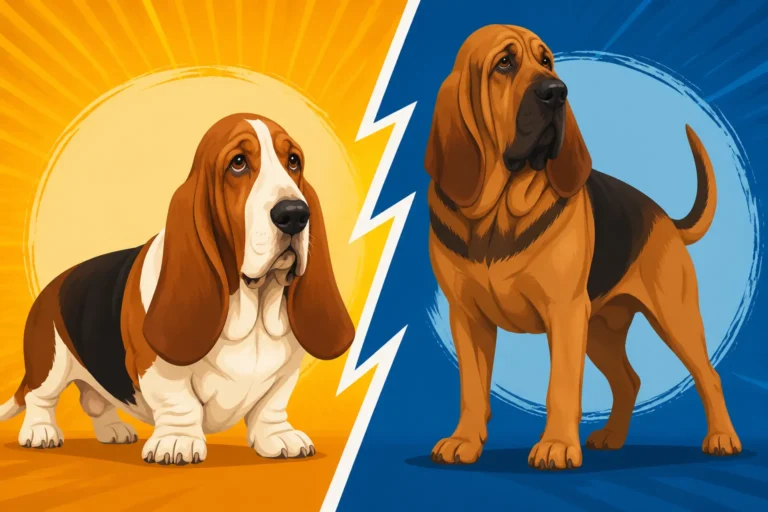
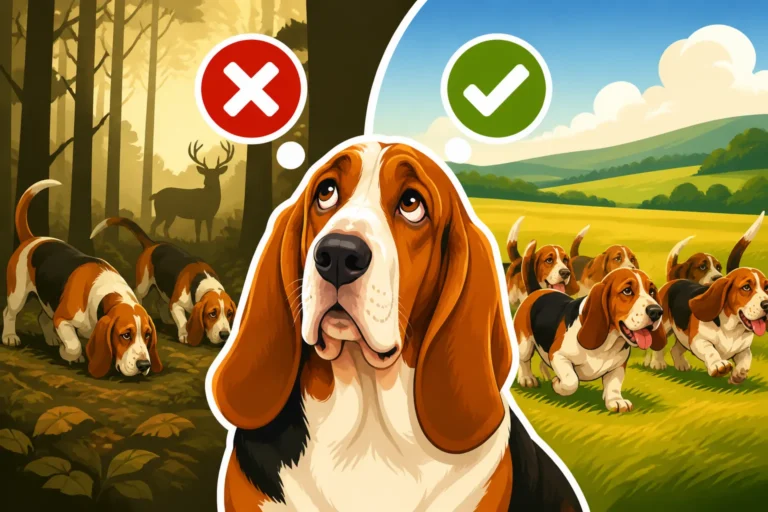
Talk to breeders about their breeding philosophy. Ask if they specifically consider temperament, health, and functional soundness in their breeding pairs. A reputable breeder will be transparent about their dogs' health histories, including any issues like IVDD or elbow dysplasia in their lines. They should also be eager to discuss the health testing they conduct, such as for elbow status or The Health Tests a Basset Hound Breeder Should Run. Looking at the parents and even grandparents can give you a good indication of the potential adult structure. Often, breeders involved in performance events like scent work or field trials may inadvertently be selecting for more functional builds, as dogs with severe structural problems would struggle in such activities. The Split Between Show and Hunting Basset Hounds highlights these differences.
Supporting the Evolution of the Breed
Ultimately, the direction of the Basset Hound breed is influenced by the choices made by breeders and prospective owners. By seeking out breeders who prioritize health and functional conformation, you are supporting the evolution of the breed towards a healthier future. This doesn't mean abandoning the Basset Hound's iconic look entirely, but rather finding a balance where their unique characteristics don't come at the cost of their well-being.
Consider connecting with breed clubs and rescue organizations. Often, rescue Basset Hounds may come from a variety of backgrounds, and some might exhibit more moderate builds, having been bred with less emphasis on extreme show ring characteristics. Adopting an adult Basset Hound can also give you a clearer picture of their mature conformation and potential health considerations. Many Basset Hound rescues work tirelessly to place dogs in loving homes, and they often have a wealth of knowledge about individual dogs' temperaments and physical needs. For those managing existing health issues, resources like orthopedic beds, specialized harnesses, or joint supplements are readily available from pet suppliers like Chewy, making life more comfortable for our beloved, long-backed friends.
A Table Comparing Conformation Focus
| Feature | Traditional/Show-Focused Basset Hound | Moderated/Health-Focused Basset Hound |
|---|---|---|
| Leg Length | Emphasizes extreme shortness, minimal ground clearance | Slightly more ground clearance, still short but better proportioned |
| Body Length | Can be excessively long relative to leg height | Long body, but balanced to reduce spinal strain |
| Bone Structure | Very heavy bone, can appear stocky | Sturdy bone, but without unnecessary bulk that adds weight |
| Spinal Health | Higher risk for Intervertebral Disc Disease (IVDD) | Lowered risk due to better proportions and less spinal stress |
| Mobility | May struggle with stairs, jumping, or sustained activity | More agile, better able to manage daily movements and moderate exercise |
| Overall Goal | Adherence to specific aesthetic breed standards, often exaggerated | Prioritizing health, longevity, and functional soundness while maintaining breed type |
While the Basset Hound will always be a low-slung breed due to its genetic makeup, there is a tangible movement towards fostering healthier, more functional individuals. By making informed choices and supporting breeders who share this vision, we can ensure that future generations of Basset Hounds continue to charm us with their unique personalities, free from preventable structural ailments.
Disclaimer
This article is for general informational purposes only and does not constitute professional advice. Laws, prices and regulations vary by location and change over time. Consult a qualified professional for guidance on your specific situation.