Whether a Miniature Basset Hound Exists
It's a common question, and one that often stems from a real desire to find a Basset Hound that might fit a particular living situation or just be a bit more manageable. Many people envision a Basset Hound's charm and unique personality but might wonder if there's a smaller version available. Unfortunately, for those hoping to find an official "Miniature Basset Hound" as a recognized breed, the answer is a straightforward no. This guide will delve into why that is, what might lead people to believe such a thing exists, and what your options truly are if you adore the Basset breed but have concerns about their size.
The Official Basset Hound Standard: One Size Fits All
When you're dealing with purebred dogs, the concept of a "breed standard" is absolutely central. It's essentially the blueprint that guides reputable breeders, judges, and enthusiasts. This standard describes the ideal physical traits, temperament, and even movement of a particular breed, aiming for consistency and the preservation of its original purpose. For the Basset Hound, this standard is quite clear about size, and there's no mention of a miniature version.
What the Breed Standard Dictates
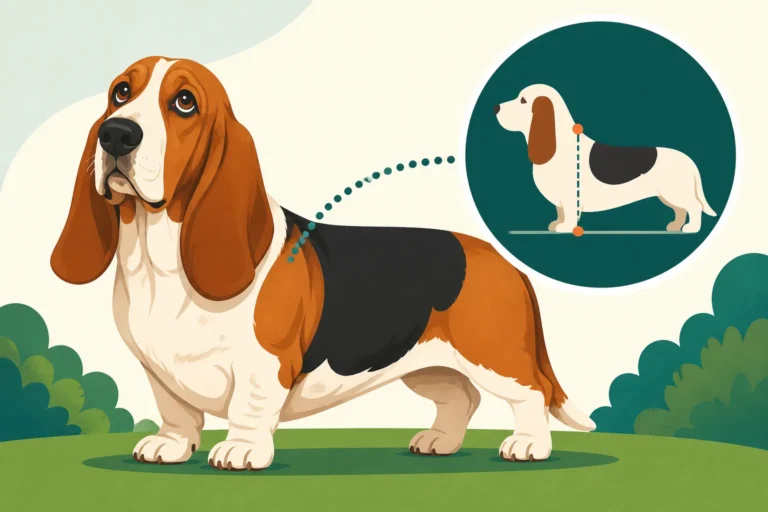
The Basset Hound breed standard, as set by organizations like the American Kennel Club (AKC) or the Kennel Club in the UK, specifies a particular height range. Typically, an adult Basset Hound will stand no more than about 14-15 inches at the shoulder. While this might sound "short" compared to, say, a Labrador Retriever, it's important to remember that Basset Hounds are incredibly substantial dogs for their height. Their heavy bone structure and dense musculature mean they often weigh in the range of 40 to 65 pounds, sometimes even a bit more.
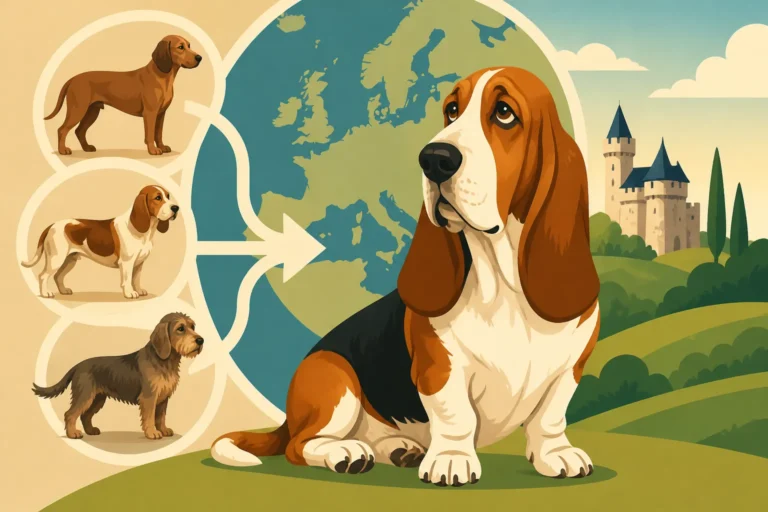
This standard doesn't just pull numbers out of thin air. It’s deeply rooted in the breed's history and function. A Basset Hound was bred to be a scent hound, designed to follow a trail with its nose to the ground, moving at a pace that hunters could easily keep up with on foot. Their low stature, long ears, and impressive nose were all purposefully developed for this role. If you start messing with the core physical characteristics that define the breed, you quickly begin to lose what makes a Basset, a Basset. A responsible breeder works diligently to produce dogs that fit within these parameters, not to create variations outside of them. When you look at The Abbey Hounds a Basset Hound Descends From, you see a clear lineage of a purpose-built animal, not one designed for tiny spaces.
Why the Basset Hound's Size is Important
The Basset Hound's unique physical characteristics are all interconnected and vital to its identity and health. Those short, sturdy legs, that incredibly long body, and that heavy bone aren't just for show. They are functional. The low-slung body allows them to keep their powerful noses close to the ground, where the scent is strongest, while their substantial build gives them the stamina and perseverance to follow a trail for hours. This isn't a delicate dog; it's a robust, determined tracker.
Their weight, which can often surprise first-time owners who only see their low height, is a testament to this heavy bone and muscle. This is a breed that is famously "heavy for its size." While their unique conformation is charming, it also comes with specific considerations. Their long backs need to be supported, which is why things like Whether a Basset Hound Should Jump Off Furniture is such an important topic for owners. Their structure isn't really amenable to being significantly miniaturized without potentially compromising their health and function even further.
Debunking the "Miniature" Myth
The idea of a "miniature" version of a beloved breed often comes from various sources, sometimes innocent, sometimes less so. It's crucial for prospective owners to understand these distinctions to avoid disappointment or, worse, falling prey to unethical breeding practices.
Runts of the Litter and Smaller Individuals
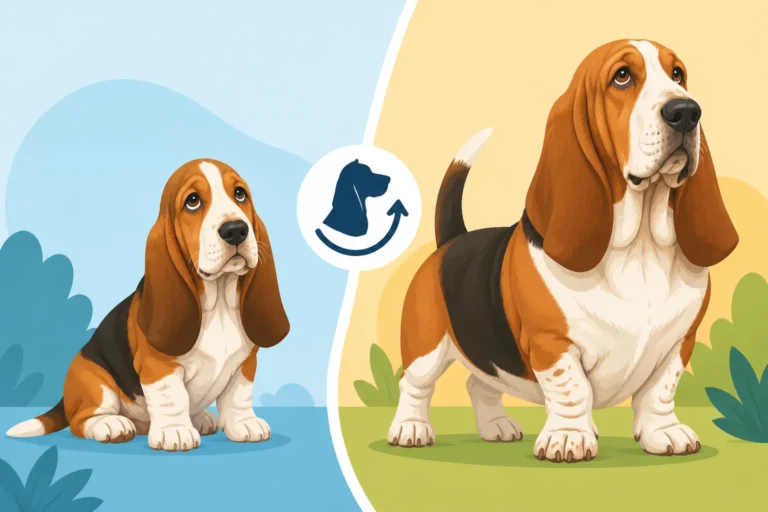
Just like in any species, a litter of Basset Hound puppies can have natural variations in size. There might be a "runt" — a puppy that is notably smaller than its siblings from birth, or simply an individual that ends up on the lower end of the breed standard's height and weight guidelines. These dogs are still purebred Basset Hounds, and their smaller size is simply a natural variation within the breed, not evidence of a distinct "miniature" type. They often catch the eye of someone looking for a slightly smaller companion, and there's nothing inherently wrong with a healthy, smaller Basset Hound that falls within the acceptable range.
However, it's vital to differentiate between a naturally smaller, healthy Basset Hound and one that is deliberately bred to be undersized. A responsible breeder focuses on health, temperament, and adherence to the breed standard, recognizing that some genetic variation will always occur. They won't market a smaller puppy as a "miniature" or imply it's a special, rare version. They'll present it as what it is: a Basset Hound. If you're hoping for a genuinely smaller dog, you might want to look into other breeds that naturally fall into that size category, such as a Beagle or even a Dachshund, rather than seeking a non-existent miniature Basset.
Misleading Marketing and Designer Dogs
Unfortunately, the term "miniature" can sometimes be used by less reputable breeders or individuals looking to capitalize on a trend. They might purposefully breed the smallest Basset Hounds they can find, or even crossbreed Basset Hounds with smaller breeds (like Dachshunds or Beagles) and market the resulting puppies as "Miniature Basset Hounds." These are often referred to as "designer dogs" or "hybrid breeds."
While there's nothing wrong with a mixed-breed dog, the issue arises when these crosses are advertised under misleading names or at inflated prices, giving the impression that they are a recognized, distinct purebred variation. The quality control, health testing, and predictability that come with responsible purebred breeding are often absent in these situations. You might end up with a dog that doesn't look or behave like a Basset Hound, or one that inherits health problems from both parent breeds. This can be a significant financial risk, as well as a heartbreaking one if your new puppy develops unexpected health issues. It's a prime example of why Whether a Cheap Basset Hound Is a Warning Sign is a real concern. Always be wary of anyone advertising "miniature" versions of breeds that don't officially have them.
The Dangers of Deliberate Down-Sizing
The deliberate attempt to breed Basset Hounds down to a significantly smaller size can introduce serious health problems. The Basset Hound's unique anatomy, while charming, already comes with its own set of health considerations. Their long backs are prone to disc issues, their heavy bodies can stress joints, and their long ears are a magnet for infections. For more on this, consider reading The Back Trouble a Basset Hound Is Built Into or The Ear Infections That Never Really Leave a Basset Hound.
Trying to miniaturize a breed often means exaggerating existing traits or introducing new structural problems. For instance, making the legs even shorter or the back even longer relative to the body could worsen predispositions to intervertebral disc disease (IVDD) or other orthopedic issues. It could also lead to issues with bone density, organ disproportion, or other genetic ailments that aren't typically seen in the standard breed. The goal of responsible breeding is to produce healthy, functional dogs that conform to the standard, not to create novel, potentially unhealthy variations for market appeal.
What People Might Be Looking For in a "Miniature Basset Hound"
It's understandable why the idea of a miniature Basset Hound appeals to many. The breed has a unique charm, an undeniable character, and that incredible nose, all wrapped up in a package that, while low to the ground, is still quite substantial. When people ask about a smaller version, they're often articulating specific needs or desires they have for a canine companion.
Desire for a Smaller Scent Hound
Many potential owners fall in love with the Basset Hound's laid-back demeanor (indoors, anyway!), their soulful eyes, and their extraordinary ability to follow a scent. They might envision a dog that offers the same delightful personality and scent-driven fun but in a more compact, lighter package that fits better into apartment living or a less active lifestyle. A full-sized Basset Hound, while not exceptionally tall, is a weighty dog, and that can pose challenges for some owners, particularly those who might need to lift their dog, manage them in tight spaces, or simply prefer a lighter pet.
If a smaller scent hound is truly what you're after, and you love the general "houndy" vibe, there are other established breeds that might be a better fit. Beagles, for example, share many characteristics with Basset Hounds, including a fantastic nose and a generally friendly disposition, but they are significantly smaller and lighter. For a deeper dive into their differences, you might find The Basset Hound Against the Beagle insightful. Dachshunds, another well-known short-legged breed, also come in various sizes and are much smaller than a Basset, offering a different but equally charming "low rider" experience. Thinking about Basset Hound or Dachshund for a Small Home can help clarify priorities. These breeds exist with their own well-defined standards and health considerations, offering a predictable alternative without having to search for a non-existent miniature version of another breed.
Managing a Full-Sized Basset in a Smaller Space
For those who are truly set on a Basset Hound but live in an apartment or a home with limited space, understanding that there isn't a miniature version doesn't mean giving up on the dream. It simply means being prepared for the realities of a full-sized Basset. While they are not overly energetic indoors and often enjoy a good snooze on the sofa, their solid build and tendency to sprawl mean they still take up a good amount of space.
You might need to invest in ramps to help them get on and off furniture safely, protecting their backs. The Ramps, Beds and Gates a Basset Hound Needs can give you a lot of good ideas. Strategic placement of dog beds, like an orthopedic bed from a brand like Chewy, can create comfortable "zones" for them. Regular, controlled outdoor exercise is important, even if it's just a leisurely sniffari around the block, to keep them mentally stimulated and physically fit. Remember, they aren't built for marathons, but they love to follow their noses. While a Basset Hound can certainly thrive in an apartment, as explored in Whether a Basset Hound Suits an Apartment, it requires thoughtful management and dedicated outdoor time.
How to Find a Healthy, Well-Sized Basset Hound
Since "miniature" Basset Hounds aren't a thing, the focus shifts to finding a healthy, well-adjusted Basset Hound that fits the established breed standard. This means doing your homework and partnering with responsible individuals.
Researching Reputable Breeders
Finding a reputable breeder is paramount. A good breeder will prioritize the health, temperament, and adherence to the breed standard in their puppies. They won't be trying to breed for unusual sizes or colors, but rather for robust, typical examples of the breed. They should be transparent about their breeding practices, health testing for parents, and be happy to answer all your questions.
When you contact a breeder, ask about health clearances for issues common in the breed, such as elbow dysplasia and inherited eye conditions like glaucoma. A breeder should be screening for these conditions, as discussed in The Health Tests a Basset Hound Breeder Should Run and Whether a Basset Hound Breeder Screens for Glaucoma. They will also typically be members of a national or local Basset Hound club, demonstrating their commitment to the breed. They might even participate in conformation shows or scent work trials, which indicates they are striving to breed dogs that not only look the part but can perform their historical function. Expect to fill out an application, have an interview, and potentially join a waiting list. These are all signs of a breeder who genuinely cares about finding the right homes for their puppies.
Understanding the Range of Normal
Once you understand that there's no official miniature version, you can appreciate the natural variation that exists within the standard Basset Hound. Even within a litter from responsible breeders, puppies will develop into adults that might be at the lower end of the weight and height range, or at the higher end. All are perfectly normal and healthy Basset Hounds, as long as they fall within the accepted standard.
When you meet puppies, you can get a sense of their individual build and potential adult size. A knowledgeable breeder can also give you an estimate based on the parents' size and the puppy's current growth. Don't be swayed by marketing terms like "teacup" or "mini" when discussing Basset Hounds. Instead, focus on finding a healthy, well-socialized puppy from a breeder who genuinely loves the breed and is committed to its well-being, whatever its final, standard-compliant size turns out to be. A Basset Hound at 45 pounds is still a formidable, wonderful companion, just as one at 60 pounds is. They both carry the same big heart and incredible nose.
Here's a quick comparison to help clarify the distinction:
| Feature | Standard Basset Hound | Mythical "Miniature Basset Hound" |
|---|---|---|
| Official Recognition | Yes (AKC, Kennel Club, etc.) | No (not a recognized breed or variety) |
| Height at Shoulder | ~14-15 inches | Implied much smaller (e.g., under 10-12 inches) |
| Weight Range | ~40-65+ pounds, heavy boned | Implied significantly lighter (e.g., under 30 pounds), potentially delicate |
| Breeding Goal | Adherence to breed standard, health, temperament | Breeding for extreme small size, often for novelty/profit |
| Potential Origins | Responsible breeding within standard, natural variation | Runts, crossbreeds, or deliberate breeding for undersize (potentially unhealthy) |
| Health Considerations | Breed-specific issues (back, ears, joints) | Exaggerated breed issues, risks from crossbreeding, novel issues from miniaturization |
| Predictability | High (in terms of size, temperament, health) | Low (unpredictable size, temperament, health outcomes) |
Disclaimer
This article is for general informational purposes only and does not constitute professional advice. Laws, prices and regulations vary by location and change over time. Consult a qualified professional for guidance on your specific situation.