Whether Achondroplasia Explains a Basset Hound’s Shape
That distinct, low-slung, long-bodied profile of a Basset Hound is unmistakable, often bringing a smile to people's faces. But if you’re like many Basset owners or admirers, you’ve probably found yourself wondering, "Is my Basset Hound a dwarf? What exactly causes those adorably short, bowed legs and that incredibly long back?" It’s a common and completely valid question, especially when you see them waddling along. This guide is going to clear up the science behind their unique physique, addressing the often-misunderstood concept of achondroplasia and exploring the true genetic roots of your Basset’s charming shape.
Understanding Achondroplasia in Dogs vs. Humans
The term "dwarfism" can be a bit loaded, and when it comes to dogs, it's often used loosely. While Basset Hounds certainly have short limbs compared to their body length, the scientific explanation is a bit more nuanced than simply calling it "dwarfism" in the human sense. Let's dig into what achondroplasia truly means and how it translates (or doesn't quite translate) to our beloved Bassets.
What Achondroplasia Truly Means
In humans, achondroplasia is the most common form of short-limbed dwarfism. It’s a genetic disorder that affects bone growth, specifically the process of endochondral ossification, which is how most bones, particularly the long bones in the limbs, form from cartilage. Individuals with human achondroplasia typically have a normal-sized torso but disproportionately short arms and legs, a larger head, and sometimes other skeletal features. This condition is caused by a dominant mutation in the FGFR3 gene, which is crucial for regulating bone growth. The mutation leads to overactive protein signaling, prematurely halting bone development in the growth plates. It's a specific, well-defined genetic condition with clear diagnostic criteria.
When people look at a Basset Hound, they often draw a parallel to human dwarfism because of the strikingly similar short-limbed appearance. This isn't entirely unfounded in a visual sense, but the underlying genetics are where the distinction becomes important. Simply put, while dogs can experience forms of dwarfism, the specific genetic mutation causing human achondroplasia (FGFR3) is not the one responsible for the Basset Hound's conformation.
The Specific Genetic Mutation in Basset Hounds and Other Chondrodystrophic Breeds
So, if it's not the same achondroplasia as in humans, what is it? Basset Hounds, along with many other breeds like Dachshunds, Corgis, and Bulldogs, are classified as "chondrodystrophic" breeds. This term literally means "disordered cartilage growth." The condition responsible for their short legs is specifically linked to a genetic mutation involving the FGF4 retrogene. This isn't a direct mutation within the FGF4 gene itself, but rather an extra copy (a retrogene) that inserts itself into another part of the dog's genome. This extra copy then interferes with the normal growth plate development, leading to prematurely shortened long bones.
There are actually two different FGF4 retrogene insertions identified in dogs. One causes the standard chondrodysplasia, responsible for the short-legged appearance common to Basset Hounds, Dachshunds, and other breeds. The other insertion, found specifically in breeds like the Dachshund, is linked to an increased risk of intervertebral disc disease (IVDD) and contributes to an even more exaggerated long-bodied, short-legged phenotype. While Basset Hounds definitely have the primary FGF4 retrogene responsible for their limb shortness, researchers are still exploring the full genetic picture for their specific susceptibility to IVDD. This genetic difference means that while the visual outcome (short legs) is similar to human achondroplasia, the underlying cause is distinct. It’s not a defect in the human disease sense, but rather a characteristic that has been deliberately selected for in these breeds over generations.
The Distinctive Basset Hound Physique: More Than Just Short Legs
The Basset Hound's unique shape isn't some random genetic accident; it's the result of centuries of selective breeding. Hunters specifically sought dogs with these characteristics because they were incredibly effective in the field. Understanding this history helps us appreciate why they look the way they do and how their "chondrodystrophy" became a defining breed trait.
The Role of Selective Breeding in Exaggerating Traits
Imagine a time when hunters were on foot, tracking game like rabbits and hares through dense undergrowth. A fast, long-legged hound would quickly outrun its human companions, making the hunt chaotic and inefficient. What they needed was a dog that could meticulously follow a scent trail at a walking pace, allowing the hunter to keep up. Enter the ancestors of the Basset Hound. The short legs, long heavy body, and low center of gravity weren't just cute; they were functional. These dogs could push through thick brush, keeping their noses close to the ground, and their slower pace was a distinct advantage. This is where the concept of "low to the ground" – which the word "basset" itself means in French – became paramount.
Breeders purposefully selected dogs with shorter and shorter legs, and longer, heavier bodies, as these traits enhanced their ability to track scent. This selective breeding intensified the chondrodystrophic traits, turning a naturally occurring genetic variation into the hallmark of the breed. It wasn't about creating a "dwarf" for aesthetics; it was about refining a working dog for a very specific type of hunting. Over time, other features like the incredibly long ears, which help sweep scent towards their powerful noses, and the loose skin, which may help trap scent, were also exaggerated through selective breeding to further enhance their tracking prowess. This deliberate cultivation of traits is why we see the Basset Hound's distinctive silhouette today.
How Chondrodystrophy Shapes Their Unique Anatomy
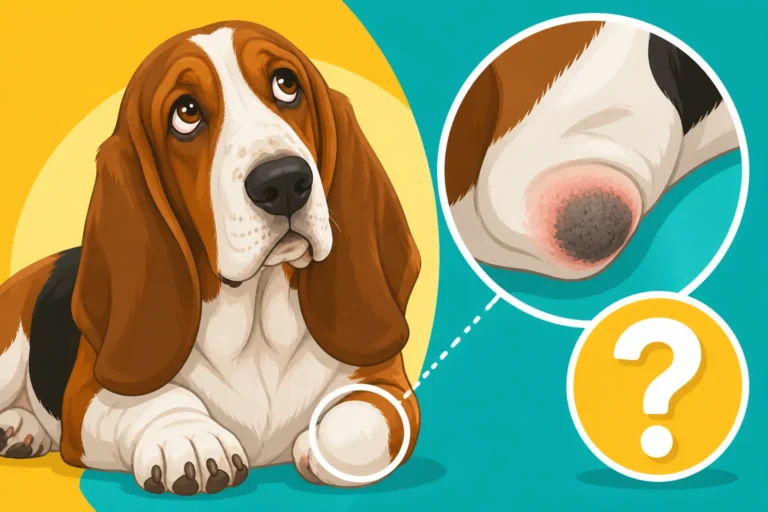
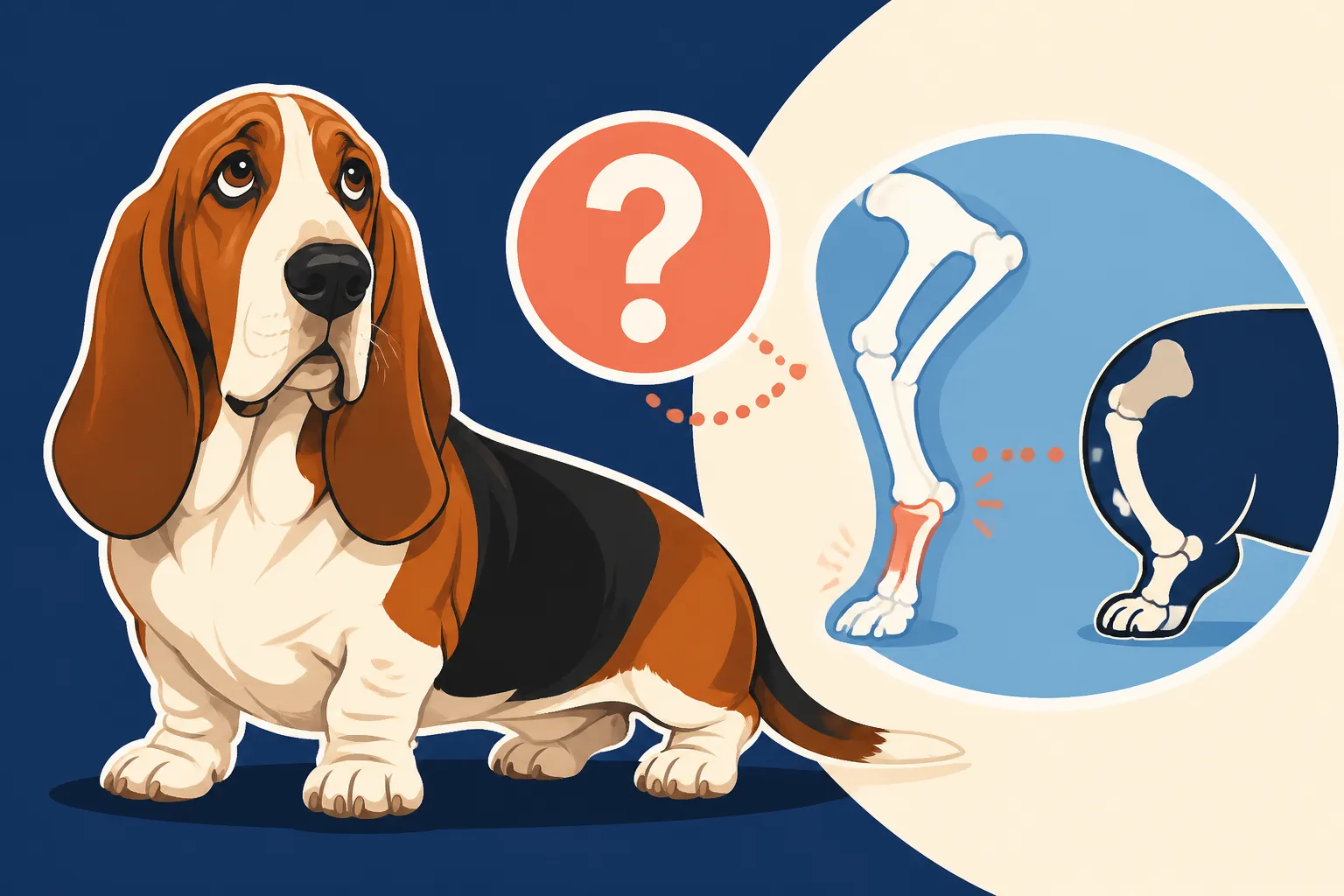
The chondrodystrophy caused by the FGF4 retrogene isn't just about making the legs short; it fundamentally alters the entire skeletal structure of a Basset Hound. Their short stature means their body is much closer to the ground, enhancing their scent-tracking abilities. However, it's also responsible for the characteristic bowing of their front legs, a condition called foreleg deviation or chondrodysplastic limb deformity. This isn't just a cosmetic quirk; it's due to the uneven growth of the bones in their forelegs, with one bone (ulna) growing slower than the other (radius), causing the leg to bow outwards or inwards and the paw to turn out. This creates a powerful, stable stance that helps them navigate rugged terrain but also impacts their gait.
Beyond the legs, the Basset Hound's long, heavy body is also a direct consequence of this genetic predisposition. They have a disproportionately long spine compared to their leg length, which gives them that recognizable low-slung appearance. This robust bone structure is part of their breed standard, contributing to their powerful, deliberate movement. The combination of short legs and a long body gives them a very low center of gravity, which might make them seem ponderous, but it also provides stability when they are following a scent trail with intense focus, often oblivious to their surroundings. Understanding these anatomical realities is crucial for any Basset owner to properly care for their unique companion.
Health Implications and Responsible Breeding Considerations
While the Basset Hound's unique shape is certainly endearing and was once functionally advantageous, it unfortunately comes with a predisposition to certain health challenges. As responsible owners and breeders, it's vital to be aware of these potential issues and take proactive steps to ensure our Bassets live long, comfortable lives.
Common Health Challenges Associated with Chondrodystrophy
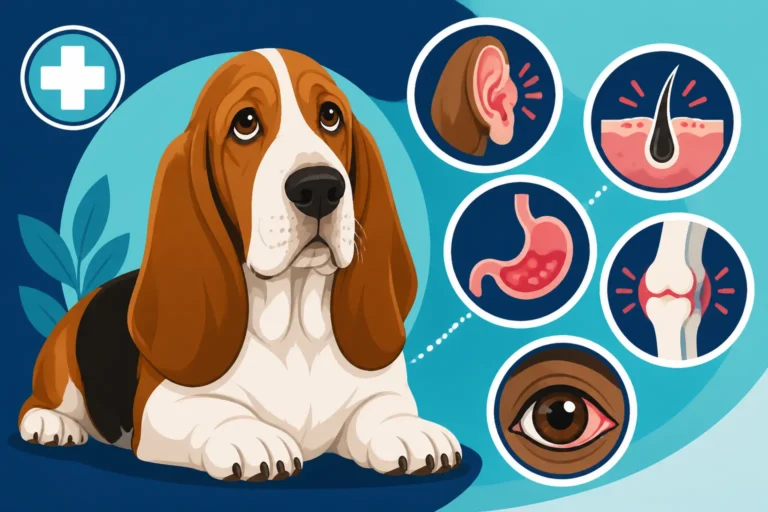
The same genetic factors that give Basset Hounds their charming, low-slung appearance also make them prone to several orthopedic and spinal issues. Perhaps the most well-known is Intervertebral Disc Disease (IVDD). Their long backs and shortened, less resilient spinal discs are highly susceptible to herniation or rupture, which can lead to severe pain, nerve damage, and even paralysis. A sudden jump off the couch or a misstep could trigger a painful episode, necessitating immediate veterinary attention. This is why many Basset owners go to great lengths to create a "Basset-proofed" home, using ramps and stairs to prevent high-impact movements. For more information on preventing such injuries, consider reading about Whether a Basset Hound Should Jump Off Furniture.
Beyond IVDD, their distinctive leg structure also puts them at risk for elbow dysplasia. While not every Basset Hound will suffer from this, the abnormal development of the elbow joint, often exacerbated by their heavy bone structure and activity, can cause chronic pain and arthritis as they age. This is a condition where their unique build means their joints don't always fit together perfectly. Furthermore, their bowed front legs can sometimes lead to issues with their gait, potentially putting uneven pressure on their joints and paws. The cost of treating these conditions can be substantial, from diagnostic imaging like MRIs and X-rays to specialist consultations, medications, and potentially surgeries and rehabilitation. This is where investing in comprehensive pet insurance from providers like Healthy Paws can truly be a lifesaver, helping to cover unexpected and expensive veterinary bills associated with these breed-specific health concerns. Being prepared for these possibilities is a crucial part of Basset ownership.
The Importance of Health Testing and Ethical Breeding Practices
Given the inherent risks associated with chondrodystrophy, ethical breeding practices are paramount. A responsible Basset Hound breeder will prioritize the health and well-being of their dogs over merely achieving an exaggerated look. This involves a rigorous program of health testing and screening to identify and minimize the likelihood of passing on predispositions to conditions like IVDD and elbow dysplasia. While there isn't a simple genetic test for the FGF4 retrogene that directly predicts the severity of IVDD or joint issues, breeders can utilize other screening methods. For instance, X-rays can be used to screen for elbow dysplasia, with results registered through organizations like the Orthopedic Foundation for Animals (OFA).
Furthermore, ethical breeders will carefully select breeding pairs based on temperament, overall health, and conformational soundness, striving to produce puppies that conform to the breed standard without extreme exaggerations that could compromise their quality of life. They will also be transparent about the health history of their lines and readily provide documentation of health clearances. Don't be shy about asking a breeder about their health testing protocols and what steps they take to mitigate these genetic predispositions; it's a sign of a responsible owner to ask! For instance, discussing Whether a Basset Hound Breeder Should Show Elbow Scores is a perfectly valid inquiry. When you're welcoming a Basset Hound into your family, having a robust pet insurance plan from a company like Healthy Paws in place early can provide peace of mind, knowing that you're financially prepared for potential health challenges down the line. It's an investment in your Basset's future comfort and your own financial stability.
Living with a Basset Hound: Adapting to Their Special Needs
Bringing a Basset Hound into your home means embracing their unique shape and making a few adjustments to ensure they lead a comfortable, healthy, and happy life. Their special needs aren't burdens, but rather opportunities to show them extra love and care tailored to their charming, low-rider physique.
Managing Daily Life with a Chondrodystrophic Dog
One of the most critical aspects of caring for a chondrodystrophic breed like the Basset Hound is protecting their long, delicate spine. This means being incredibly mindful of how they navigate their environment. Jumping on and off furniture, or even repeatedly going up and down stairs, can put immense strain on their intervertebral discs. Many Basset owners swear by ramps for beds and sofas, turning potential danger zones into safe, accessible resting spots. For the car, a sturdy ramp is almost a necessity, not just to protect their back but also to save your own back from repeatedly lifting a surprisingly heavy dog! You might find more helpful tips on how to safely lift your Basset Hound by reading How to Lift a Basset Hound Safely.
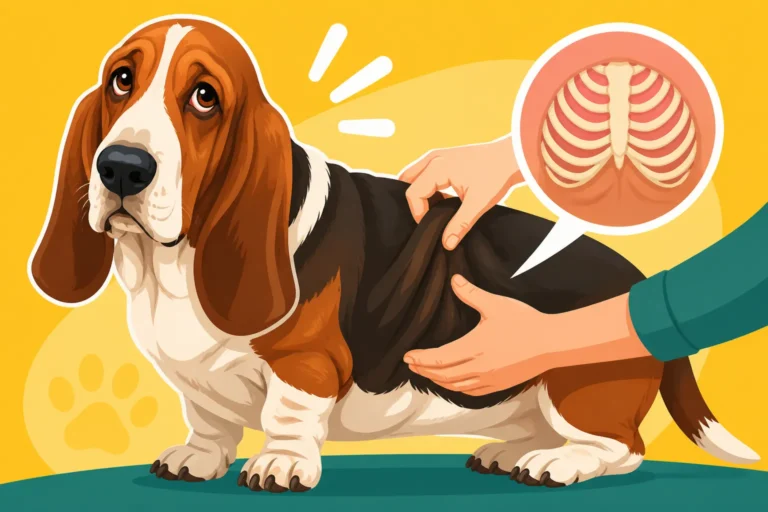
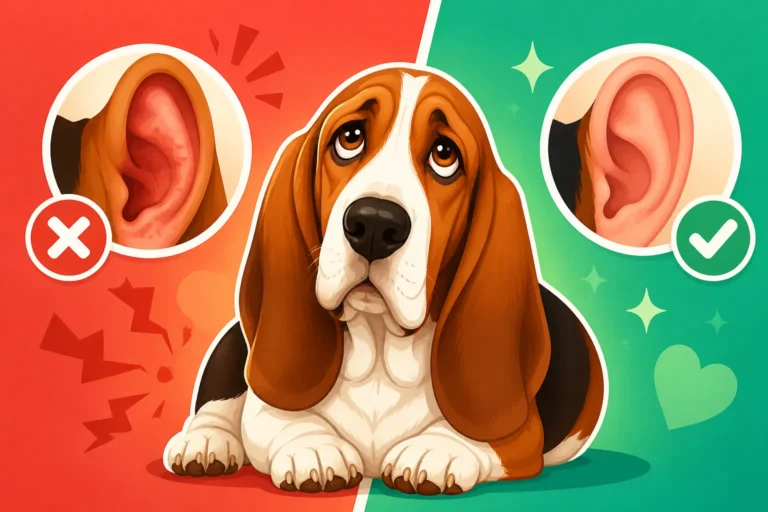
Maintaining a healthy weight is another non-negotiable part of Basset care. Extra pounds put even more stress on their already compromised joints and spine, accelerating the onset of conditions like arthritis and increasing the risk of IVDD. It can be a challenge, as Bassets are famously food-motivated and will try to convince you they are perpetually starving. Strict portion control, healthy treats, and consistent, moderate exercise are key. Their ears also require a special mention; their glorious length means they often drag through food and water bowls. Using a snood during meal times can keep them clean and dry, preventing yeast infections and irritation, a topic explored further in Whether a Snood Helps a Basset Hound at Dinner. This daily vigilance might seem like a lot, but it quickly becomes second nature, all part of the joy of Basset ownership.
Understanding Their Limitations and Providing Support
It's important to recognize that while Basset Hounds love to explore with their noses, their physical limitations mean they aren't built for strenuous, high-impact exercise. Forget jogging partners or competitive agility courses. Instead, focus on moderate, consistent walks that allow them to sniff and explore at their own pace. Multiple shorter walks throughout the day are often better than one long, exhausting excursion. Keep an eye on them for signs of fatigue, lameness, or discomfort. They might be stoic, but their bodies will tell a story if you listen closely. Should you notice any changes in their gait or reluctance to move, seeking veterinary advice sooner rather than later is always best. Pet insurance like Healthy Paws can be incredibly beneficial here, covering those unexpected vet visits, diagnostics, and potential treatments.
As Bassets age, these considerations become even more pronounced. Arthritis in a Basset Hound at seven is not uncommon, and it's essential to adapt their environment and routine to accommodate their changing needs. Orthopedic beds, non-slip rugs on hard floors, and continued use of ramps can make a huge difference in their comfort and mobility. Learning about The Old Basset Hound That Cannot Get Off the Floor can offer valuable insights into supporting your senior companion. Moreover, their unique physical structure, combined with their sometimes stubborn nature, means patience and consistency are your best tools in training and general care. Embrace their quirks, provide them with a supportive environment, and you’ll find that living with a Basset Hound is an incredibly rewarding experience, full of loyalty, charm, and endless entertainment.
| Feature | Human Achondroplasia (Classical) | Canine Chondrodystrophy (Basset Hound Type) |
|---|---|---|
| Genetic Cause | Mutation in FGFR3 gene | FGF4 retrogene insertion |
| Inheritance | Autosomal Dominant | Autosomal Dominant |
| Primary Effect | Disproportionate dwarfism, short limbs, normal torso size, large head | Short limbs (bowed), long body, heavy bone structure |
| Growth Plate Impact | Premature closure of growth plates | Altered, uneven growth in long bones |
| Associated Risks | Spinal stenosis, bowed legs, breathing issues | IVDD (Intervertebral Disc Disease), elbow dysplasia, patellar luxation, arthritis |
| Breed Examples | N/A (human condition) | Basset Hound, Dachshund, Corgi, Bulldog |
Disclaimer
This article is intended for informational purposes only and does not constitute veterinary advice. Always consult with a qualified veterinarian for any health concerns or before making any decisions about your pet's health or treatment plan.