Whether a Basset Hound Gets Hot Spots
It’s truly disheartening to see your beloved Basset Hound incessantly licking, chewing, or scratching at their skin, only to discover an angry, red, weeping sore beneath their beautiful, floppy ears or within their adorable wrinkles. These miserable patches, commonly known as hot spots, are not just unsightly; they’re incredibly painful for your dog and a source of constant worry for you. This guide will walk you through what hot spots are, why Basset Hounds seem particularly prone to them, and, most importantly, how to treat and prevent these frustrating skin flare-ups to bring your furry friend much-needed relief.
What Exactly Are Hot Spots?
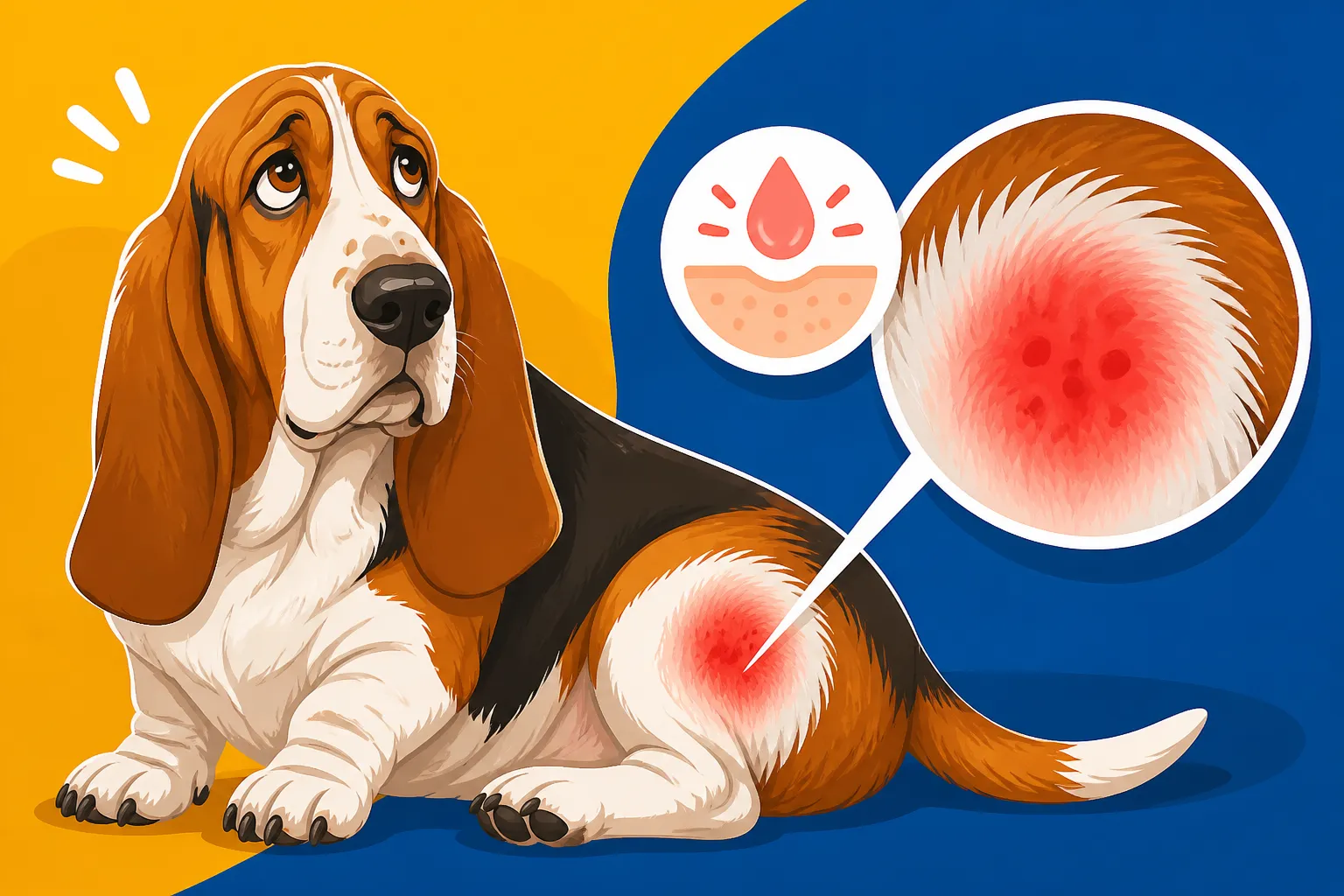
Hot spots, medically known as acute moist dermatitis, are those rapidly appearing, red, inflamed, and often oozing skin lesions that seem to pop up overnight. They’re called "hot spots" because they literally feel warm to the touch due to the intense inflammation. They're typically caused by self-trauma – your Basset Hound constantly licking, chewing, or scratching at an itchy area, which then breaks the skin barrier. Once the skin is compromised, bacteria, which are naturally present on the skin, seize the opportunity to multiply, leading to a secondary infection that makes the area even itchier and more painful. It’s a vicious cycle that can escalate from a tiny itch to a large, raw lesion in a matter of hours.
The Rapid Progression of a Hot Spot
One of the most frustrating aspects of hot spots is how quickly they can go from zero to a hundred. You might notice your Basset Hound just giving a casual scratch behind an ear one evening, and by morning, that spot has blossomed into a full-blown, angry lesion. This rapid progression is due to the constant moisture, warmth, and lack of air circulation that allow bacteria to thrive once the skin is broken. Think of it like a minor scrape on your own skin, but imagine if you constantly picked at it, kept it wet, and never let it air out – it would get infected and worsen very fast. For Basset Hounds, with their thick coats and abundant skin folds, these conditions are often unintentionally created by their own anatomy.
Identifying a Hot Spot: Signs and Symptoms
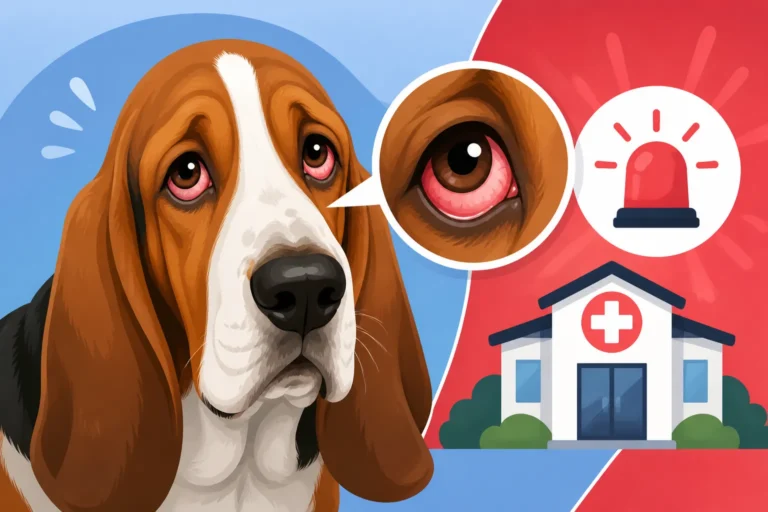
Recognizing a hot spot early is key to quicker treatment and preventing it from spreading. Typically, you'll first notice your Basset Hound paying an unusual amount of attention to a particular area of their body – frequent licking, chewing, or scratching. When you investigate, you'll usually find a patch of matted hair, often sticky or wet, covering a red, raw, and sometimes pus-filled lesion. The skin beneath will be inflamed, painful, and very tender to the touch. The area might also have a foul odor, which is a tell-tale sign of a bacterial infection. Common locations include the neck, chest, hips, base of the tail, and, of course, under those magnificent long ears. You might also notice areas on their paws if they’ve been persistently licking them.
Why Basset Hounds Are Particularly Prone to Hot Spots
It feels like Basset Hounds were practically designed to get hot spots, doesn't it? Their unique anatomical features, while charming, unfortunately create the perfect environment for these painful skin conditions to develop. It's not that they're "dirty" dogs; it's just that their physiology presents specific challenges.
The Role of Skin Folds and Droopy Ears
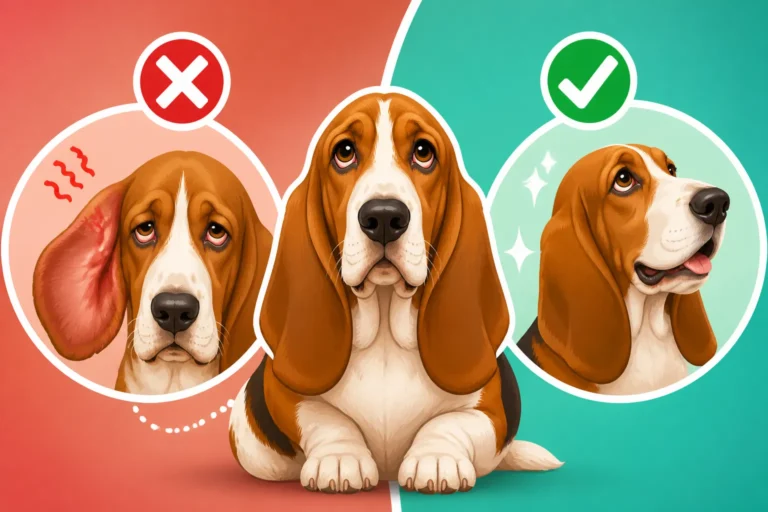
Those iconic, velvety long ears and the charmingly wrinkled skin on a Basset Hound's face and neck are a hallmark of the breed, but they also act as moisture traps. These folds and floppy ears dramatically reduce air circulation, especially in humid environments or after a bath or swim. Moisture gets trapped, creating a warm, damp haven where bacteria and yeast can proliferate. Imagine wearing a thick, damp blanket around your neck constantly – that's a bit like what it's like for a Basset's skin. This is why you often find hot spots developing under their ears or within their neck folds. Regular attention to The Skin Under a Basset Hound's Folds is crucial for preventing these issues.
Dense Coats and Underlying Allergies
Basset Hounds have a dense, short coat that, while appearing low-maintenance, can actually hinder proper skin ventilation. This dense fur traps heat and moisture close to the skin, exacerbating any existing irritation. Beyond structural issues, many Basset Hounds suffer from environmental allergies (atopy) or food allergies. When allergens irritate their skin, it triggers intense itching, leading to the incessant licking and chewing that initiates a hot spot. It’s a classic domino effect: allergy causes itch, itch causes scratching, scratching causes hot spot. If you suspect Whether a Basset Hound Gets Allergies, investigating these underlying causes is vital for long-term relief.
Parasites and Other Irritants
Sometimes, the culprit is much simpler than an allergy or anatomy – parasites. Fleas, mites, or even mosquito bites can cause intense localized itching. A single flea bite can be enough to set off a chain reaction in a sensitive Basset Hound. They'll chew at the spot to relieve the itch, break the skin, and boom – a hot spot is born. Beyond parasites, minor cuts, scrapes, or even sticker burrs picked up during a walk can cause initial irritation, which the Basset then obsessively licks, turning a small boo-boo into a significant problem. Always perform a thorough check, especially after outdoor adventures, and ensure your Basset Hound is on a consistent, effective flea and tick preventative.
Treating and Managing Hot Spots
When you discover a hot spot, the immediate goal is to stop the self-trauma, clean the area, and get it healing. This usually requires a multi-pronged approach and often a trip to the vet. Don't delay, as these can become severe quickly.
Initial At-Home Care and When to See the Vet
First things first, you need to gently separate the fur around the hot spot to get a clear look. This might be painful for your Basset, so proceed with caution. If the hair is matted into the lesion, you'll need to carefully clip it away. A clean pair of blunt-nosed scissors or electric clippers (used with extreme care) can help here. Once the area is exposed, gently clean it with a mild antiseptic solution, such as diluted chlorhexidine or povidone-iodine (check with your vet for proper dilution ratios). Pat dry thoroughly.
However, if the hot spot is large, deeply inflamed, seems to be spreading rapidly, or your Basset is in significant pain, it’s always best to get to the vet. They can properly shave and clean the area, assess the severity, and prescribe appropriate medication. Don’t try to be a hero and let it get worse; veterinary intervention is usually necessary for true resolution.
Veterinary Treatments: From Topicals to Oral Medications
Your veterinarian will likely shave the fur around and over the hot spot. This is critical for allowing air to reach the skin and for topical medications to be effective. They'll then thoroughly clean the wound. Depending on the severity, your vet might prescribe a combination of treatments:
- Topical Sprays or Creams: These often contain antibiotics, steroids, or drying agents to reduce inflammation, kill bacteria, and promote healing. Your vet might recommend a product like a hydrocortisone spray to reduce the itch and inflammation.
- Oral Antibiotics: For more severe or deeply infected hot spots, oral antibiotics are usually necessary to tackle the bacterial infection from the inside out. Your vet will prescribe the correct dosage and duration.
- Oral Anti-Inflammatories/Steroids: To break the itch-scratch cycle and reduce swelling and pain, a short course of oral steroids might be prescribed.
- E-Collar (Cone of Shame): This is often the most important, albeit unpopular, tool. An Elizabethan collar (cone) is essential to physically prevent your Basset from licking, chewing, or scratching the healing area. Without it, even the best medications can't do their job. While it may seem like a nuisance, it's crucial for your Basset's recovery.
It’s worth noting that if your Basset Hound experiences recurrent hot spots, the costs can add up quickly. This is where a good pet insurance policy, like one from Healthy Paws, can be a real lifesaver, helping to cover unexpected vet bills for chronic conditions or emergencies.
Long-Term Prevention and Lifestyle Adjustments
Once a hot spot is healed, the real work begins: preventing the next one. This involves understanding your Basset Hound's specific triggers and implementing proactive care.
Consistent Grooming and Skin Care
Regular grooming is paramount for Basset Hounds. This means brushing their coat regularly to remove loose hair and debris, which can trap moisture. Pay special attention to their skin folds. Cleaning a Basset Hound's Face Wrinkles and checking under their ears should become part of your routine. Use a soft, damp cloth and a mild, vet-approved cleanser to gently wipe out the folds, then always follow up by thoroughly drying them. A quick wipe-down with a dry cloth or even a cool setting on a hairdryer can work wonders. This routine helps prevent Skin Fold Infections on a Basset Hound from taking hold.
Regular bathing with a gentle, hypoallergenic shampoo is also beneficial, but again, ensure thorough drying, especially of those long ears and dense undercoat. You might find that How Often a Basset Hound Should Be Bathed needs to be adjusted based on their individual skin health and activity level. If your Basset gets Whether a Basset Hound's Skin Folds Need Cleaning, this routine is even more critical.
Addressing Underlying Causes: Diet and Environment
If allergies are suspected to be the root cause, working with your vet to identify and manage them is critical. This could involve trying a prescription hypoallergenic diet to rule out food allergies, or implementing environmental changes like using air purifiers, frequent vacuuming, or wiping down your Basset after outdoor excursions to reduce pollen exposure. Sometimes, a simple change in diet or adding supplements like omega-3 fatty acids can improve skin barrier health, making them less susceptible to irritation. Knowing Whether a Basset Hound Reacts to Its Food can be a game-changer for skin health.
Additionally, ensure your Basset Hound is on year-round parasite prevention. Even indoors-only dogs can pick up fleas or mites. Regular check-ups are also important, and discussing any recurrent skin issues with your vet can help you formulate a long-term prevention plan. This might include asking about specialized ear cleaning solutions for Whether a Basset Hound Needs Lifelong Ear Medication or specific wipes for fold care.
The Importance of Exercise and Mental Stimulation
While hot spots are primarily skin deep, a stressed or bored Basset Hound can also resort to excessive licking as a self-soothing mechanism, which can initiate a hot spot. Ensuring your Basset gets adequate exercise, even if it's just a leisurely sniff-walk around the neighborhood, and plenty of mental stimulation can reduce anxiety and boredom-induced licking. Puzzle toys, scent work games, and interactive play can keep their minds busy and their mouths off their skin. A happy, well-exercised Basset is often a healthier Basset, reducing the likelihood of them obsessively focusing on an itch.
Here's a quick overview of common hot spot triggers and what you can do:
| Trigger | Description | Prevention/Management Strategy |
|---|---|---|
| Moisture Trapping | Skin folds, long ears, dense coat hold moisture against the skin. | Regular cleaning and thorough drying of folds and ears. Use a snood during meals. Ensure Whether a Basset Hound's Ears Should Be Dried After a Bath. |
| Allergies | Environmental (pollen, dust mites) or food allergies cause intense itching. | Work with vet to identify allergens. Hypoallergenic diet trial. Antihistamines (vet-approved). Air purifiers. Frequent cleaning. |
| Parasites | Fleas, mites, ticks cause irritation and bites. | Year-round, vet-prescribed flea/tick preventative (e.g., Bravecto, NexGard). Regular grooming checks. |
| Minor Injuries | Scratches, bug bites, burrs, matting. | Daily coat checks, especially after outdoor play. Promptly treat minor skin breaks. Brush regularly to prevent matting. |
| Boredom/Anxiety | Excessive licking/chewing due to stress or lack of mental stimulation. | Increase exercise and mental enrichment (puzzle toys, scent games). Address anxiety with training or vet guidance. |
| Ear Infections | Chronic ear infections can lead to head shaking and scratching around the ears. | Consistent ear cleaning routine (see How Often a Basset Hound's Ears Must Be Cleaned). Prompt vet treatment for any signs of The Signs a Basset Hound's Ear Has Gone Bad. |
Dealing with hot spots in a Basset Hound can definitely be a marathon, not a sprint. It takes dedication to their grooming and an observant eye, but with proactive care and prompt veterinary attention when needed, you can keep your sweet, floppy-eared companion comfortable and free from these painful skin lesions. Don't forget that consistent veterinary care can incur costs, so considering pet insurance, like Healthy Paws, can provide peace of mind for managing ongoing health needs, ensuring your Basset gets the best care possible.
Disclaimer
This article is intended for informational purposes only and is not a substitute for professional veterinary advice, diagnosis, or treatment. Always seek the advice of your veterinarian or other qualified animal health provider with any questions you may have regarding a medical condition.