Whether a Basset Hound Gets Cancer
The moment you notice an unusual lump or a change in your beloved Basset Hound's demeanor, a chill can run down your spine. It’s a frightening thought, and as devoted owners, we naturally worry about serious health issues like cancer. The truth is, unfortunately, Basset Hounds, like many purebred dogs and older pets, can and do get cancer. This guide aims to shed light on why this happens, what signs to look for, and the pathways available for diagnosis and treatment, offering you a realistic understanding of this challenging disease.
Understanding Cancer in Basset Hounds
Cancer is a word that strikes fear into the hearts of pet parents everywhere, and for good reason. It’s essentially the uncontrolled growth and spread of abnormal cells, forming tumors that can invade tissues and organs. While it can manifest in countless ways, the underlying mechanism is often similar across species. For our floppy-eared companions, understanding why they might be susceptible and what forms it commonly takes is the first step in being prepared.
Why Basset Hounds May Be Prone to Certain Cancers
Just like in people, genetics play a significant role in a dog's predisposition to cancer. Basset Hounds, with their distinctive breeding and lineage, unfortunately, aren't immune to this genetic lottery. Some breeds are simply more susceptible to specific types of cancer, and while Basset Hounds might not be at the very top of the list for all cancers, they certainly have their vulnerabilities. Their unique physiology, including their deep chests, loose skin, and the fact that they are prone to conditions like What a Basset Hound's Emergency Surgeries Cost can sometimes indirectly increase their risk or complicate treatment.
One theory suggests that breeds with certain body conformations, rapid growth rates, or those that have been heavily line-bred for specific traits might have a higher incidence of genetic mutations that lead to cancer. While there isn't one single "Basset Hound cancer gene," a combination of factors, including age, environment, and genetics, contributes to their risk. Regular veterinary check-ups and being vigilant about changes are your best defense, especially as they enter their senior years, which for a Basset Hound often means after the age of seven or eight, as detailed in articles like The Age a Basset Hound Counts as Senior.
Age and Environmental Factors
It's a tough truth, but cancer often becomes more prevalent as our Basset Hounds age. Think of it this way: the longer a dog lives, the more time its cells have to accumulate mutations that can lead to cancer. For a Basset Hound, whose average lifespan is typically between The Ten to Twelve Years a Basset Hound Lives, the later years are when cancer risk significantly increases. It’s a sad reality, but age is arguably the biggest risk factor for cancer in dogs.
Beyond age, environmental factors can also play a role, though they are often harder to pinpoint. Exposure to certain toxins, secondhand smoke, pesticides, or even chronic inflammation from other health issues could potentially contribute. While we can’t entirely control every aspect of their environment, providing a clean, safe home and a healthy lifestyle, including proper nutrition and regular exercise, goes a long way in supporting their overall well-being. Keeping them at a healthy weight, which is covered in topics like What Extra Weight Does to a Basset Hound, can also reduce overall inflammation and stress on their bodies.
Common Types of Cancer in Basset Hounds
It would be wonderful if Basset Hounds were immune to cancer, but sadly, they are not. Knowing which types they commonly face can help you be more aware and act quickly if you spot something suspicious. Early detection is often key to better outcomes, regardless of the specific type of cancer.
Lymphoma
Lymphoma is one of the most common cancers seen in dogs, including Basset Hounds. This cancer affects the lymphocytes, a type of white blood cell, and lymphoid tissues, which are part of the immune system. It can manifest in many different ways, but the most frequently recognized form involves the lymph nodes. If you've ever felt small, pea-sized bumps under your dog's jaw, behind their knees, or in their armpits, those are lymph nodes. When they become significantly enlarged and firm due to lymphoma, they are usually painless, which can make it easy to miss until they are quite prominent.
Beyond enlarged lymph nodes, lymphoma can also affect internal organs like the spleen, liver, or gastrointestinal tract, leading to less obvious symptoms such as lethargy, weight loss, vomiting, or diarrhea. Sometimes, a Basset Hound might even experience difficulty breathing if lymph nodes in the chest are affected. It's a complex disease, but treatment options exist, ranging from chemotherapy to steroids, often extending a dog's quality of life for a significant period.
Mast Cell Tumors
Mast cell tumors are another type of cancer that Basset Hounds are susceptible to, and they can be particularly tricky because they are often "great imitators," meaning they can look like almost anything else. These tumors originate from mast cells, which are immune cells found throughout the body, especially in the skin. Consequently, mast cell tumors can appear on or under the skin, but they can also affect internal organs like the spleen, lymph nodes, or bone marrow.
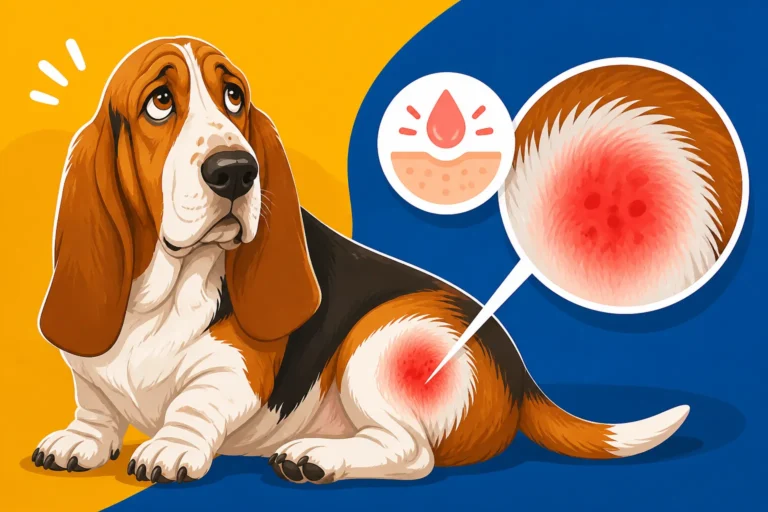
On the skin, a mast cell tumor might present as a small bump, a red inflamed area, or even a changing lesion that waxes and wanes in size. They can sometimes itch or ulcerate. Because they can look so innocuous, any new lump or bump on your Basset Hound, no matter how small or seemingly benign, should always be checked by your vet. A fine needle aspirate (FNA) is usually the first diagnostic step, allowing the vet to examine cells under a microscope. Early surgical removal, if possible, is often the best course of action for cutaneous mast cell tumors.
Osteosarcoma
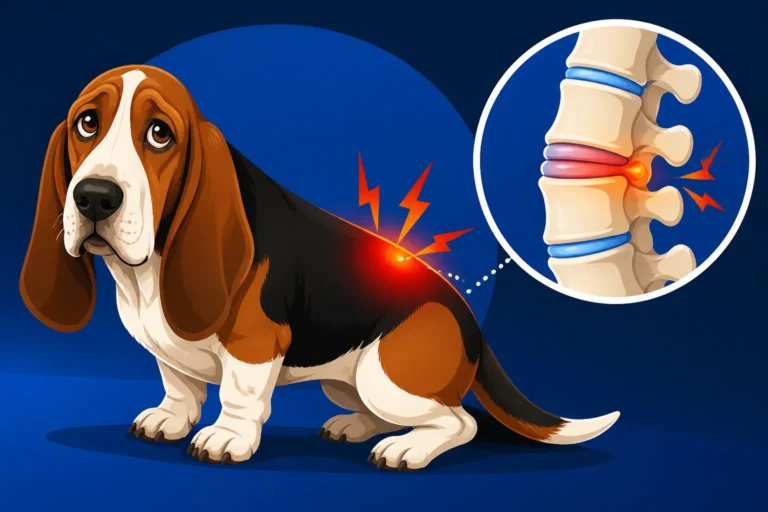
Osteosarcoma is a highly aggressive bone cancer that, while less common overall, is a significant concern for larger and giant breeds. While Basset Hounds aren't typically classified as giant, their substantial bone structure and weight for their height can put them at a moderate risk. This cancer usually affects the long bones of the limbs, like those in the leg, but it can also occur in other bones such as the ribs, spine, or jaw.
The most common symptom of osteosarcoma is lameness or limping that doesn't resolve. Your Basset might suddenly start favoring a leg, or the lameness might gradually worsen. Sometimes, swelling around the affected bone is noticeable, and the area can be very painful to the touch. It's important to differentiate this from common Basset Hound orthopedic issues like Why One Basset Hound in Seven Has Bad Elbows. If your Basset Hound develops unexplained lameness, especially if it's persistent or severe, a trip to the vet for X-rays is critical. Unfortunately, osteosarcoma tends to metastasize rapidly, often spreading to the lungs, making early diagnosis and aggressive treatment crucial.
Other Cancers
While lymphoma, mast cell tumors, and osteosarcoma are among the more commonly recognized cancers in Basset Hounds, they can unfortunately develop many other types. These include soft tissue sarcomas, which can occur anywhere in the body, liver tumors, splenic tumors, and various types of carcinomas (cancers of epithelial cells, which line organs and cover surfaces).
One particularly insidious type, hemangiosarcoma, is a highly aggressive cancer of the blood vessel lining cells. It often affects the spleen, heart, or liver and can cause sudden internal bleeding, leading to acute collapse or even sudden death without prior warning. For an older Basset Hound, sudden weakness or collapse should always be treated as an emergency. Other cancers can be related to specific organs, such as thyroid tumors, which might be more noticeable if you know the signs of conditions like Signs a Basset Hound's Thyroid Has Failed. The key takeaway here is that any persistent, unexplained symptom in your Basset Hound warrants veterinary attention.
Diagnosing and Treating Cancer in Basset Hounds
Receiving a cancer diagnosis for your beloved Basset Hound can feel devastating. It’s a moment filled with fear and uncertainty. However, it's crucial to remember that a diagnosis is merely the first step on a journey that, with modern veterinary medicine, often has many paths forward. The options available today are more sophisticated and effective than ever, offering hope and extending quality of life for many dogs.
The Diagnostic Process
The journey to a cancer diagnosis typically begins with your observations at home. You might notice a new lump, a persistent cough, unexplained weight loss, or changes in energy levels. When you bring these concerns to your veterinarian, they will start with a thorough physical examination, feeling for enlarged lymph nodes, checking for masses, and assessing overall health. If a lump is found, a fine needle aspirate (FNA) is often the first, least invasive step. This involves using a small needle to collect a sample of cells, which are then examined under a microscope.
If an FNA is inconclusive or suggests malignancy, a biopsy may be recommended. This involves surgically removing a larger piece of the tissue, or sometimes the entire mass, for a more definitive diagnosis by a veterinary pathologist. For internal cancers, your vet might recommend blood tests, urinalysis, X-rays, ultrasound, or even more advanced imaging like CT scans or MRIs to determine the extent of the disease. These tools are vital for staging the cancer, which means understanding how far it has spread, and this information is critical for planning the most effective treatment.
Treatment Options
Just like in human medicine, veterinary oncology offers a range of treatment options tailored to the specific type and stage of cancer, as well as your Basset Hound's overall health and your family's preferences. The goal is always to provide the best possible quality of life.
Common Treatment Modalities:
- Surgery: For many solid tumors, surgical removal is often the first and most effective treatment. If the tumor is accessible and hasn't spread, surgery can be curative. Even if it's not fully curative, removing the bulk of the tumor can alleviate symptoms and improve comfort.
- Chemotherapy: Often used for cancers that have spread or are likely to spread (like lymphoma or osteosarcoma after initial surgery), chemotherapy involves drugs that target and kill rapidly dividing cancer cells. Veterinary chemotherapy protocols are generally designed to be less aggressive than human treatments, focusing on maintaining a good quality of life with minimal side effects.
- Radiation Therapy: This treatment uses high-energy radiation to damage and kill cancer cells. It's often used for localized tumors that cannot be completely removed surgically, or to reduce pain associated with bone tumors.
- Targeted Therapies: These newer treatments specifically target certain molecules involved in cancer growth, often with fewer side effects than traditional chemotherapy. They are available for specific types of cancer, such as some mast cell tumors.
- Palliative Care: For advanced cancers or when aggressive treatment isn't feasible or desired, palliative care focuses on managing pain and other symptoms to ensure the Basset Hound remains comfortable and enjoys their remaining time. This often involves pain medication, anti-inflammatories, and nutritional support.
The cost of these treatments can vary significantly, from a few hundred dollars for simple surgery to several thousand for chemotherapy or radiation. This is where a robust pet insurance plan can truly be a lifesaver. Many owners find that investing in a policy from providers such as Healthy Paws can help manage these substantial bills, allowing them to make treatment decisions based on their Basset Hound's needs rather than solely on financial constraints.
The Role of Your Veterinary Team
Throughout this challenging time, your veterinary team will be your greatest allies. Your primary care veterinarian will often be the first point of contact, guiding you through initial diagnostics and sometimes even initiating treatment. However, depending on the complexity of the case, they may refer you to a veterinary oncologist—a specialist in cancer diagnosis and treatment.
A veterinary oncologist has advanced training and expertise in managing cancer cases, offering state-of-the-art treatments and the latest information on prognoses. They can help you understand all your options, discuss potential side effects, and create a personalized treatment plan for your Basset Hound. Don't hesitate to ask questions, express your concerns, and seek clarity on anything you don't understand. They are there to support you and your dog every step of the way. When considering the comprehensive care, remember that Whether a Basset Hound is Worth Insuring at All becomes a very real question when faced with conditions like cancer.
Supporting Your Basset Hound Through Cancer Treatment
Navigating a cancer diagnosis and treatment plan for your Basset Hound is emotionally and physically demanding. It's not just about administering medications; it's about providing comfort, maintaining their spirits, and ensuring their quality of life remains as high as possible. This phase of care requires immense patience, attention, and a deep understanding of your dog's needs.
Managing Side Effects and Comfort
One of the biggest concerns for owners undergoing cancer treatment with their Basset Hound is the potential for side effects. While veterinary chemotherapy is generally less harsh than human chemotherapy, side effects like nausea, decreased appetite, lethargy, or mild diarrhea can still occur. Your veterinary oncologist will work with you to anticipate and manage these side effects, often prescribing supportive medications like anti-nausea drugs.
Providing a comfortable environment is paramount. Ensure your Basset Hound has a soft, supportive bed – perhaps an orthopedic one, especially if they are also dealing with age-related joint issues like The Old Basset Hound That Cannot Get Off the Floor. Keep their eating and drinking areas easily accessible, and consider a raised bowl if they struggle to bend down. Maintaining good hygiene, including regular but gentle cleaning of their skin folds, as discussed in Cleaning the Folds a Basset Hound's Face Is Made Of, is also important to prevent secondary infections, especially if their immune system is compromised.
Nutrition and Hydration
During cancer treatment, maintaining your Basset Hound’s nutrition and hydration is critical. Cancer and its treatments can significantly impact appetite and metabolism. Your vet or oncologist might recommend a specific diet, perhaps one that is highly palatable and calorie-dense, to help prevent weight loss, which is a common and serious complication of cancer, often leading to cachexia. If your Basset Hound is struggling to eat, your vet might suggest appetite stimulants or even consider a feeding tube in severe cases.
Always ensure fresh water is available. Dehydration can exacerbate side effects and make your Basset Hound feel worse. If they are reluctant to drink, you can try adding a little low-sodium chicken broth to their water or offering ice cubes as a treat. Discuss any dietary changes or supplements with your veterinary team, as some supplements can interfere with cancer treatments or be contraindicated. This attention to detail can make a huge difference, especially given that Feeding a Basset Hound That Would Eat Forever.
Emotional Support and Quality of Life
Beyond the physical aspects, your Basset Hound will need immense emotional support during this time. They are incredibly intuitive creatures and can pick up on your stress, so try to remain calm and reassuring. Spend quality time with them, offering gentle petting, quiet cuddles, and short, manageable walks if they are up to it. Even if their energy levels are low, mental stimulation through scent games or gentle interaction can be beneficial.
Monitoring their quality of life is an ongoing, vital responsibility. This means regularly assessing their pain levels, appetite, energy, and overall happiness. Keep a journal of their good days and bad days. Open communication with your vet is essential; don’t hesitate to discuss any concerns you have about their comfort or well-being. Knowing when to make difficult decisions is part of responsible pet ownership, and your vet can help guide you through these conversations, ensuring your Basset Hound's dignity and comfort are prioritized above all else. Pet insurance providers, like Healthy Paws, often cover consultations for end-of-life care and euthanasia, providing some financial relief during an emotionally draining time.
Prevention and Early Detection Strategies
While we can't completely prevent cancer in our Basset Hounds, we can certainly adopt strategies that minimize their risk and, crucially, maximize our chances of detecting it early when treatment is most effective. Being proactive and informed is the best gift you can give your loyal companion.
Regular Veterinary Check-ups and Screening
One of the most powerful tools in early cancer detection is regular veterinary check-ups. For adult Basset Hounds, this should be at least once a year, and for senior Basset Hounds (typically from age seven or eight onward), twice a year is highly recommended. During these visits, your vet will perform a thorough physical examination, feeling for any new lumps or bumps, checking lymph nodes, listening to their heart and lungs, and assessing their overall health.
Beyond the physical exam, your vet might recommend routine blood work and urinalysis, especially for older dogs. These tests can sometimes reveal subtle changes that might indicate an underlying issue, including certain types of cancer or conditions that could predispose them to cancer, such as Whether a Basset Hound Gets Cushing's. Some vets also recommend yearly X-rays or ultrasound screenings for specific at-risk breeds, though this is less common for general Basset Hound health. Discuss with your vet what screening protocols are appropriate for your individual Basset Hound based on their age, history, and any specific concerns.
Home Monitoring and Vigilance
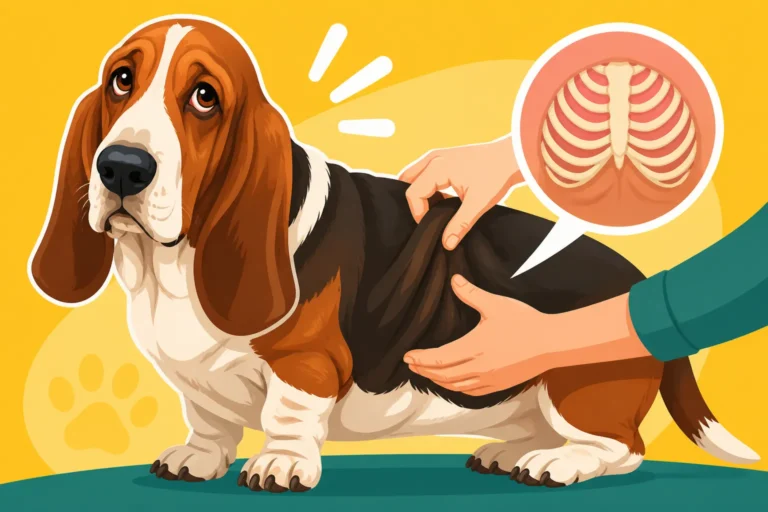
As an owner, you are on the front lines of your Basset Hound's health. You know your dog best, and you're the first to notice when something is "off." Make it a habit to perform regular home checks. Gently run your hands over their entire body, feeling for any new lumps, bumps, or swelling. Pay close attention to areas like their mouth, ears (especially given the prevalence of The Ear Infections That Never Really Leave a Basset Hound), and paw pads.
Observe their behavior closely. Are they eating and drinking normally? Is their energy level consistent? Are there any changes in their bathroom habits, breathing, or gait? Watch for signs like unexplained weight loss or gain, persistent coughing or sneezing, vomiting, diarrhea, new lameness, or any sores that don't heal. It can be easy to dismiss subtle changes as just "getting old," but it's always better to be safe than sorry. If you spot anything unusual, no matter how small, document it and contact your veterinarian. Keeping a close eye on any Lumps Worth Checking on a Basset Hound, regardless of how benign they may appear, is crucial.
Lifestyle Choices for Cancer Prevention
While genetics and age are largely out of our control, certain lifestyle choices can support your Basset Hound’s overall health and potentially reduce cancer risk.
Key Lifestyle Factors:
- Optimal Nutrition: Feed a high-quality, balanced diet appropriate for their age and activity level. Avoid overfeeding, as obesity is linked to increased cancer risk. Maintaining a healthy weight is vital and can be challenging for Basset Hounds, as discussed in Keeping a Basset Hound at Its Correct Weight.
- Regular Exercise: Provide consistent, moderate exercise to keep them fit and active. While Basset Hounds aren't marathon runners, daily walks and playtime are important for their physical and mental well-being.
- Avoid Environmental Toxins: Limit exposure to pesticides, herbicides, and other chemicals in your home and yard. Be mindful of areas where your dog plays and ensure they aren't ingesting harmful substances.
- Spaying/Neutering: Spaying female dogs can significantly reduce the risk of mammary and ovarian cancers. Neutering males can prevent testicular cancer. Discuss the optimal timing for these procedures with your vet.
- Dental Hygiene: Good oral health is important for overall health. Severe dental disease can sometimes be a source of chronic inflammation, and while not a direct cause, maintaining healthy teeth and gums is beneficial.
By combining proactive veterinary care with diligent home monitoring and a healthy lifestyle, you can give your Basset Hound the best possible chance at a long, healthy life, minimizing the shadow that a cancer diagnosis can cast. Remember, your veterinary team, and potentially pet insurance like Healthy Paws, are there as your partners in this journey.
| Type of Cancer | Common Symptoms | Prognosis (General) | Early Detection Importance |
|---|---|---|---|
| Lymphoma | Enlarged, firm, painless lymph nodes; lethargy; weight loss; decreased appetite | Variable, often treatable with chemotherapy for remission | Critical for effective chemotherapy and extended remission |
| Mast Cell Tumors | Skin lumps (can be varied in appearance, size, texture); internal organ involvement | Highly variable, depends on grade and location | Very important, early surgical removal often curative for skin tumors |
| Osteosarcoma | Persistent lameness; swelling/pain in limb; reluctance to bear weight | Poor, aggressive, early metastasis is common | Essential for limb-sparing surgery or amputation, pain management |
| Hemangiosarcoma | Sudden weakness/collapse; pale gums; distended abdomen (internal bleeding) | Very poor, highly aggressive, often sudden | Difficult to detect early due to internal nature |
| Soft Tissue Sarcoma | Firm lump under skin or within muscle; lameness if near joints | Variable, often locally invasive but slower to spread | Important for complete surgical removal before extensive growth |
Disclaimer
The information provided in this article is for general informational purposes only and is not intended as a substitute for professional veterinary advice. Always consult with a qualified veterinarian for any health concerns or before making any decisions related to your Basset Hound's medical care.