Whether Insurance Covers a Basset Hound’s Recurring Ears
It's incredibly frustrating when your beloved Basset Hound seems to be in a constant battle with ear infections. You clean, you medicate, they get better, and then bam! — it's back again. This cycle is not only tough on your pup but also on your wallet, leading many Basset owners to wonder if their pet insurance will actually cover these notoriously recurring issues. This guide will walk you through the ins and outs of pet insurance when it comes to your Basset's persistent ear problems, helping you understand what to expect and how to best prepare.
Understanding Basset Hound Ear Woes
Before we dive into the nitty-gritty of insurance, let's acknowledge why Basset Hounds are often poster children for ear infections. Their unique anatomy, while undeniably charming, is a significant contributing factor to their predisposition. It's not just bad luck; it's literally how they're built.
Why Basset Hounds Are Prone to Ear Infections
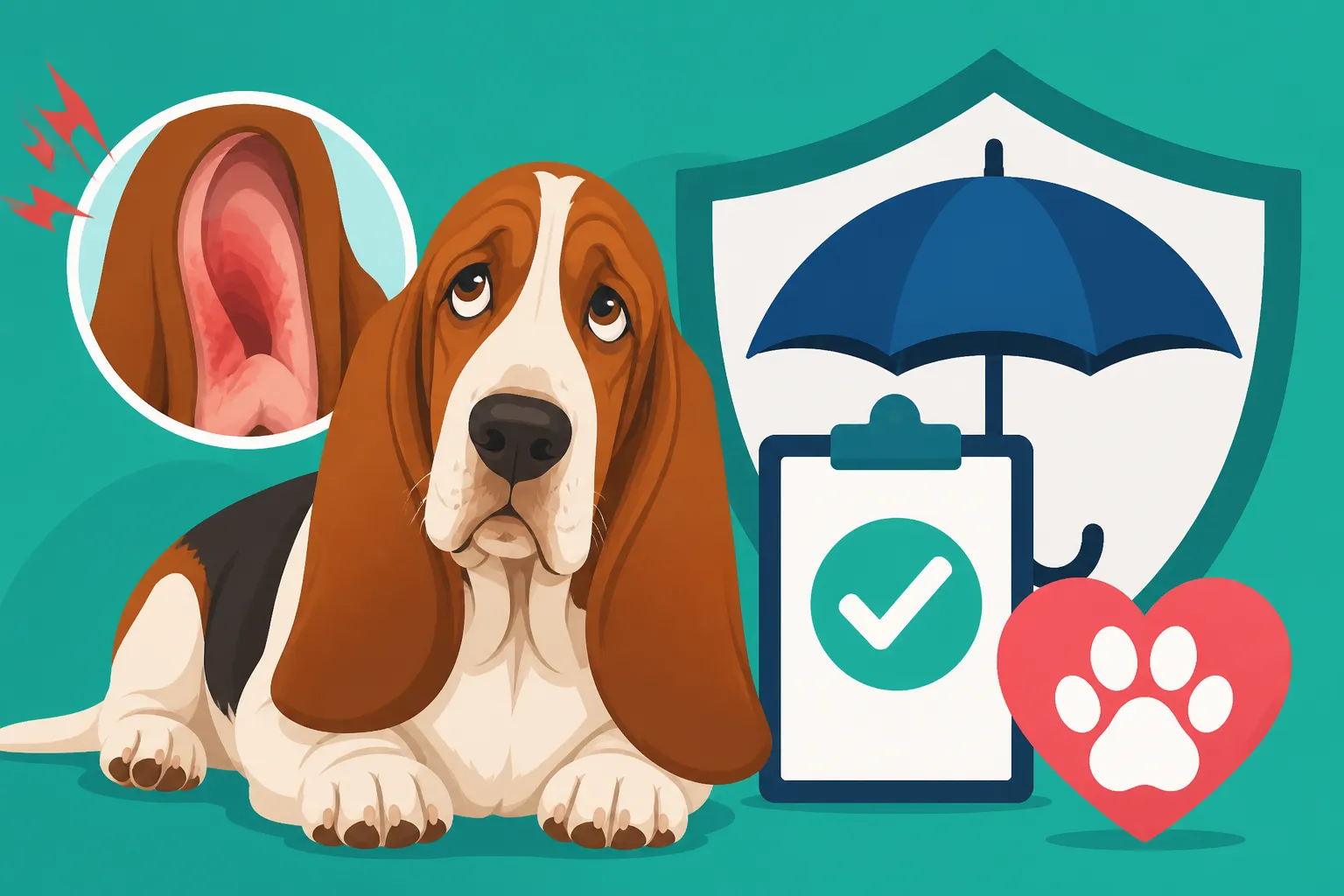
The long, heavy, pendulous ears of a Basset Hound are iconic, but they also create a perfect storm for ear infections. These magnificent flaps effectively seal off the ear canal, limiting air circulation and creating a warm, moist environment. Imagine wearing earmuffs all the time – that's essentially what your Basset's ears do. This lack of ventilation means any moisture, debris, or yeast that gets into the ear canal struggles to escape or dry out.
Furthermore, Basset Hounds tend to have narrower ear canals compared to many other breeds. This anatomical quirk makes it even harder for air to circulate and for natural drainage to occur. Allergies, whether environmental or food-related, can also contribute significantly, causing inflammation in the ear canal and further exacerbating the problem. It’s a vicious cycle that owners know all too well, making the phrase The Ear Infections That Never Really Leave a Basset Hound painfully true for many.
The Chronic Nature of These Infections
Once a Basset Hound develops an ear infection, it can feel like a never-ending saga. The underlying issues — be it moisture, allergies, or yeast overgrowth — often persist even after a round of medication clears the initial infection. This means that without consistent, proactive care, the infection is highly likely to return. You might notice your Basset shaking its head more, scratching at an ear, or an unpleasant smell starting to waft from their direction. These are all signs that the battle might be flaring up again.
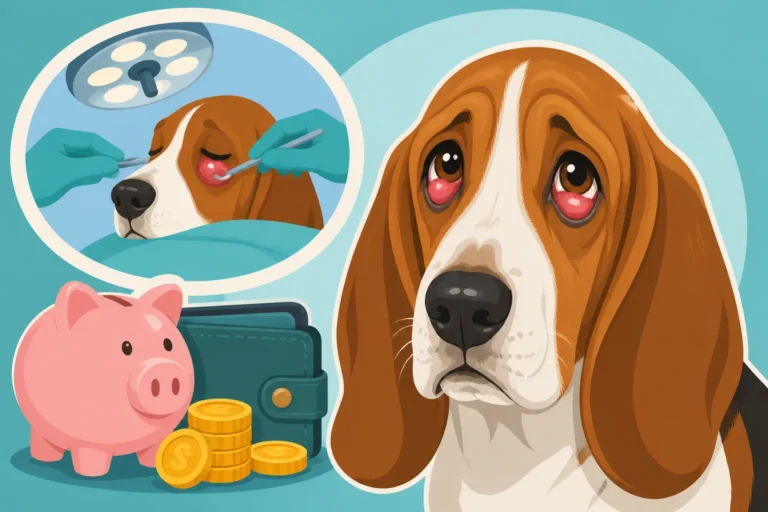
Veterinarians often refer to these as "recurring" or "chronic" conditions because they require ongoing management rather than a one-time fix. It’s not simply about treating the symptoms, but about addressing the root cause, which can be a complex and expensive endeavor. This is where the cost question really comes into play for many owners, as treating each flare-up, running cultures, and managing medication can quickly add up. Understanding Whether a Basset Hound's Ear Infection Ever Clears is key to setting realistic expectations for long-term care.
How Pet Insurance Typically Works
Pet insurance can be a lifesaver for unexpected accidents and illnesses, but its coverage of chronic conditions like recurring ear infections depends heavily on when you enroll and the specifics of your policy. It’s not as straightforward as covering a broken leg.
The Difference Between Accidents/Illnesses and Pre-existing Conditions
Most pet insurance policies are designed to cover new accidents and illnesses that occur after your policy starts and after any waiting periods have passed. This is where the term "pre-existing condition" becomes incredibly important. A pre-existing condition is generally defined as any illness or injury that showed symptoms, was diagnosed, or was treated before your coverage began or during a waiting period.
For your Basset Hound's ears, this distinction is critical. If your Basset had ear infections before you purchased insurance or within the initial waiting period, those ear issues (and any related conditions) are highly likely to be considered pre-existing. This means the insurance company would likely deny claims related to those specific ear problems. However, if your Basset had perfectly healthy ears when you enrolled, and then developed their first ear infection after all waiting periods, subsequent recurrences would generally be covered as part of the same ongoing condition.
Waiting Periods and What They Mean for Your Basset Hound
Every pet insurance policy comes with waiting periods. These are specific lengths of time from your policy's effective date before certain conditions become eligible for coverage. There are typically:
- Accident Waiting Periods: Often short, usually a few days.
- Illness Waiting Periods: Longer, typically 14 days, but can be up to 30 days or more.
- Orthopedic Waiting Periods: Some policies have even longer waiting periods for conditions like hip or elbow dysplasia, sometimes 6 months or a year.
For a Basset Hound's ears, the illness waiting period is the one to pay close attention to. If your Basset develops an ear infection within that 14-day or 30-day window after you sign up, it will almost certainly be classified as pre-existing, even if it's their very first one. This is why enrolling your Basset as a young puppy, before any health issues arise, is often recommended as the best strategy to ensure coverage for potential future chronic conditions. Companies like Healthy Paws often highlight the benefits of early enrollment for comprehensive coverage.
Navigating Recurring Ear Infections with Insurance
Understanding the nuances of your policy and your Basset's health history is paramount when dealing with recurring ear infections and pet insurance. It’s a bit of a detective job, both on your part and the insurer's.
When Insurance Might Cover Recurring Ear Issues
Pet insurance can cover recurring ear infections, but the key factor is whether the initial infection (and therefore the chronic condition) is considered pre-existing or not. If your Basset Hound was enrolled in a comprehensive accident and illness policy before ever showing symptoms of an ear infection, and then developed their first one after all waiting periods were met, subsequent flare-ups and ongoing treatments should typically be covered.
This coverage would extend to vet visits for diagnosis, prescribed medications, ear cleaners, diagnostic tests like ear cultures, and even specialist consultations if needed. However, it's crucial to read your specific policy documents carefully. Some policies might have limitations on chronic conditions, such as capping the number of covered episodes per year or having specific exclusions related to certain breed-specific ailments, though this is less common with modern comprehensive plans. Always clarify these points with your insurer.
The Importance of Early Enrollment and Medical History
This cannot be stressed enough: the best time to get pet insurance for your Basset Hound is when they are young and healthy. Enrolling them before they have any medical history dramatically increases the likelihood that conditions like recurring ear infections will be covered should they develop later in life. Insurance companies will always request your pet's medical records when you file a claim, and they will scrutinize these records to identify any pre-existing conditions.
If the records show a history of ear issues prior to your enrollment date, those will likely be excluded. Even if you switch insurance providers later, the original medical history follows your pet, and a new insurer will also consider those pre-existing. This is why loyalty to a good insurer from the start, or very early on, can be so beneficial. Companies like Healthy Paws are known for their comprehensive accident and illness plans, but they, like all others, adhere strictly to pre-existing condition rules.
Comparing Different Insurance Policies for Chronic Conditions
Not all pet insurance policies are created equal, especially when it comes to chronic conditions. Here's what to look for:
- Comprehensive Accident & Illness Plans: These are your best bet. They cover a wide range of conditions, including ongoing illnesses, as long as they aren't pre-existing.
- Annual Limits vs. Per-Condition Limits: Some policies have a maximum amount they'll pay out each year, while others have a maximum per condition over the pet's lifetime. For recurring ear infections, a per-condition lifetime limit might be restrictive if the costs truly add up over years.
- Deductibles and Reimbursement Percentages: Understand your deductible (the amount you pay before insurance kicks in) and your reimbursement rate (the percentage of the vet bill the insurer pays after the deductible). A lower deductible and higher reimbursement rate mean more out-of-pocket savings.
- Exclusions: Always read the fine print. Are there specific breed exclusions? Are certain chronic conditions always excluded? While rare for general ear infections, it’s worth checking.
- Wellness Add-ons: These typically cover routine care like exams, vaccinations, and sometimes even ear cleanings. While they don't cover treatment for an infection, they can help with the preventative maintenance that Basset Hounds critically need to avoid those infections in the first place. You'd be surprised What Ear Treatment Costs a Basset Hound Owner Yearly even with diligent preventative care.
Here’s a quick overview of how policy types generally handle chronic conditions:
| Policy Type | Initial Ear Infection (Non-Pre-Existing) | Recurring Ear Infections (Non-Pre-Existing) | Pre-Existing Ear Infections | Routine Ear Cleaning/Prevention (e.g., ear wash) |
|---|---|---|---|---|
| Accident & Illness | Typically Covered | Typically Covered | Not Covered | Not Covered (unless wellness add-on) |
| Accident Only | Not Covered | Not Covered | Not Covered | Not Covered |
| Wellness Plan | Not Covered | Not Covered | Not Covered | May Cover (if specifically listed) |
For any policy, if an ear infection is considered pre-existing, it simply won't be covered. This table highlights why a robust Accident & Illness plan is essential for Basset Hounds.
Managing the Costs Beyond Insurance
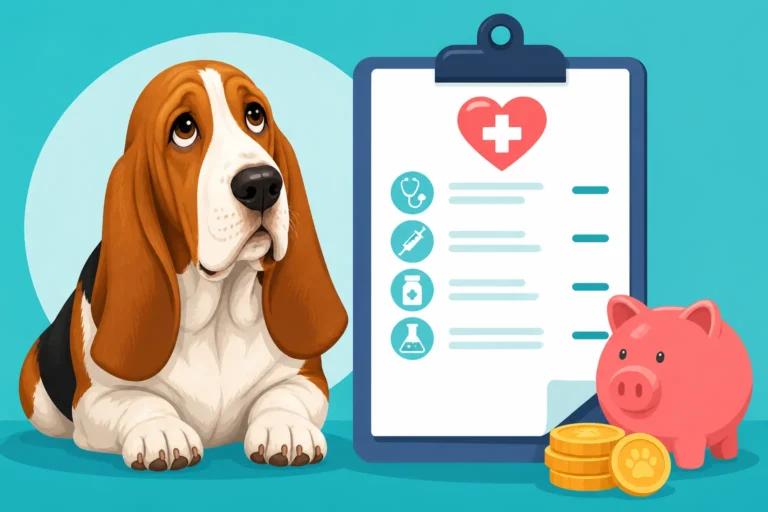
Even with the best pet insurance, there will always be out-of-pocket expenses. Deductibles, co-pays, and potential exclusions mean you'll be footing some of the bill. However, there are smart strategies to help manage the overall financial burden of a Basset Hound's chronic ear issues.
Alternative Ways to Save on Vet Bills
It’s easy to feel overwhelmed by vet bills, especially for ongoing conditions. But there are practical steps you can take to make things more manageable:
- Emergency Fund: Setting aside a dedicated emergency fund for your pet can act as a self-insurance policy for those times when insurance doesn't cover everything, or if you have a high deductible. Even a small amount saved consistently can grow into a helpful cushion.
- Veterinary Payment Plans: Many veterinary clinics understand the financial strain of pet care and offer payment plans or work with third-party financing options like CareCredit. Don't be afraid to ask your vet's office about these possibilities.
- Generic Medications: When available and appropriate, ask your vet if a generic version of a prescribed medication is an option. These can often be significantly cheaper than brand-name drugs without sacrificing efficacy. Online pharmacies, some even partnered with big retailers like Chewy, can also offer competitive pricing on ongoing prescriptions.
- Wellness Plans: While distinct from insurance, some veterinary clinics offer their own in-house wellness plans. These are subscription services that typically cover routine exams, vaccinations, and sometimes discounts on other services. While they usually don't cover illness treatment, the preventative aspect can help catch issues early.
Ultimately, the best way to save on vet bills is to prevent severe issues where possible. For instance, knowing How Many Times a Week a Basset Hound's Ears Need Flushing can drastically reduce the frequency of full-blown infections requiring expensive vet visits.
Proactive Care to Minimize Flare-Ups
The most effective way to reduce the cost and stress associated with recurring ear infections is through rigorous, consistent preventative care. For Basset Hounds, this is not a suggestion; it’s a necessity. Their unique ear structure means they are fighting an uphill battle against moisture and debris, and you, as their dedicated owner, are their best defense.
- Regular Cleaning: Establish a routine for ear cleaning, ideally twice a week, using a vet-approved ear cleaner. Your vet can show you How to Clean a Basset Hound's Ears Properly. This helps flush out debris, excess wax, and any moisture that might have accumulated. It's a non-negotiable part of The Twice Weekly Ear Ritual a Basset Hound Owner Signs Up For.
- Thorough Drying: After baths or swimming, ensure your Basset Hound's ears are completely dry. Gently wipe the visible parts of the ear canal with cotton balls. Consider using a snood to keep those long ears out of the water bowl, too!
- Addressing Allergies: If your Basset struggles with recurring infections, allergies are often a culprit. Work with your vet to identify and manage potential allergens. This might involve special diets (some brands like Ollie offer tailored fresh food options that can help with dietary sensitivities), anti-allergy medications, or environmental changes. Addressing the underlying allergy can dramatically reduce ear inflammation and subsequent infections.
- Routine Vet Checks: Regular veterinary check-ups are vital. Your vet can spot early signs of an impending infection or inflammation before it becomes a full-blown, painful, and expensive problem. They can also perform professional cleanings and offer advice tailored to your Basset's specific needs.
By being proactive, you're not just saving money; you're also significantly improving your Basset Hound's quality of life, which, let's be honest, is the most important thing of all.
Disclaimer
This article is for general informational purposes only and does not constitute professional advice. Laws, prices and regulations vary by location and change over time. Consult a qualified professional for guidance on your specific situation.