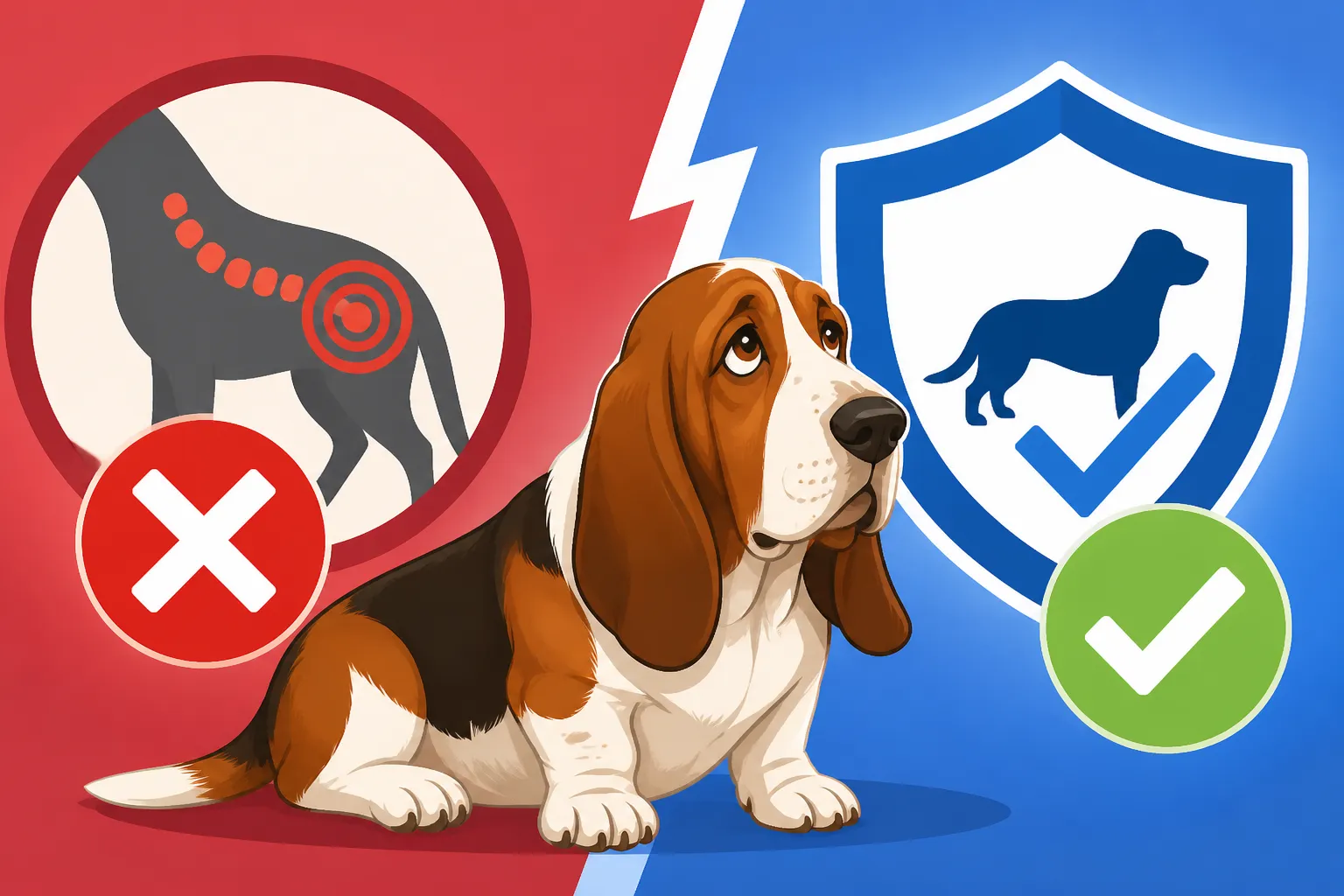
Whether Back Disease Is Excluded on a Basset Hound Policy
It’s a heart-sinking moment for any Basset Hound owner: realizing your beloved, long-backed companion might be showing signs of back trouble. The fear quickly turns to practical concerns, and if you’ve been diligent enough to get pet insurance, the immediate question is always, "Will my policy actually cover this, or is back disease one of those dreaded exclusions?" This guide aims to clear up the confusion surrounding pet insurance and its coverage for back conditions common in Basset Hounds, helping you understand what to look for and what to expect.
Understanding Back Disease in Basset Hounds
Our Basset Hounds are wonderful, unique creatures, but let's be honest, their distinctive long bodies and short legs, while adorable, come with a built-in predisposition to certain health challenges. Chief among these is back disease, particularly a condition called Intervertebral Disc Disease (IVDD). It’s a very real concern, and understanding why they are prone to it is the first step in appreciating why insurers approach it with such caution.
The Realities of Intervertebral Disc Disease (IVDD)
Intervertebral Disc Disease in a Basset Hound is unfortunately a common diagnosis for many Basset Hounds as they age, and sometimes even when they are surprisingly young. Imagine the discs between your dog's vertebrae as little jelly donuts. Their job is to cushion the spine and allow for flexibility. In breeds like Basset Hounds, these "jelly donuts" can degenerate, harden, or even rupture, pushing into the spinal cord. This pressure causes immense pain, nerve damage, and can lead to a range of symptoms from wobbly walking and reluctance to move, all the way to partial or complete paralysis. It's not just a minor ache; it can be a debilitating, life-altering condition that requires immediate and often expensive veterinary intervention.
The onset can be sudden – one minute your Basset is happily sniffing around the yard, the next they're yelping in pain or struggling to get up. Or, it can manifest more gradually, with a slow decline in mobility or a persistent reluctance to jump on the couch. The emotional toll on us, as owners, is significant, watching our playful companions struggle with something so fundamental as movement.
Why Basset Hounds Are Prone to Back Issues
The Basset Hound's unique physique, a direct result of selective breeding for a specific appearance and hunting style, is a double-edged sword when it comes to back health. Their elongated spine, combined with their short, stout legs, puts immense strain on those vertebral discs. This conformation is known as chondrodystrophy, a fancy word meaning abnormal cartilage development. It's the same genetic trait responsible for their short legs and long bodies, but it also means their discs are prone to premature calcification and degeneration. This isn't just bad luck; it's literally The Back Trouble a Basset Hound Is Built Into.
Because of this inherent genetic predisposition, Basset Hounds are considered a high-risk breed for conditions like IVDD. This fact is not lost on pet insurance companies. They categorize breeds by their known health vulnerabilities, and back issues rank high on the Basset Hound's list. This breed-specific risk is a key factor in how policies are structured and what they might cover or exclude. It means that while pet insurance is a lifeline for many, the nuances of coverage for conditions like IVDD are particularly important for us Basset owners to understand.
How Pet Insurance Policies View Breed-Specific Conditions
When you’re looking at pet insurance for your Basset Hound, it's easy to get overwhelmed by all the jargon and small print. One of the biggest areas of confusion, and frankly, frustration, revolves around how policies handle conditions that are common in specific breeds. It's not always as straightforward as "it's covered" or "it's not."
Pre-existing Conditions: The Major Hurdle
This is perhaps the biggest roadblock for Basset Hound owners seeking coverage for back issues. Almost universally, pet insurance policies will exclude pre-existing conditions. What does "pre-existing" mean? Generally, it refers to any illness, injury, or symptom that was present or that your vet diagnosed before your policy's start date or before the expiration of any waiting periods.
Think about it this way: if your Basset Hound started showing signs of a wobbly gait, or had a previous back injury, or even just a vet note hinting at potential spinal issues before you bought the policy or before its waiting period ended, then any future treatment for that specific back condition (or even related conditions) could be deemed pre-existing and therefore excluded. This can be devastating if you only seek insurance once a problem arises. Many owners find themselves in this exact predicament, realizing too late that their dog's subtle stiffness weeks ago now means no coverage for an emergency. This is why getting insurance when your Basset is a puppy, and ideally completely healthy, is absolutely critical.
Congenital vs. Hereditary Conditions: What's the Difference?
These terms often get thrown around interchangeably, but they have distinct meanings for insurance providers.
- Hereditary conditions are those passed down genetically from parents to offspring. IVDD in Basset Hounds is considered a hereditary condition because their unique spinal structure (chondrodystrophy) is an inherited trait.
- Congenital conditions are present at birth, often a birth defect, but not necessarily hereditary (though many hereditary conditions are also congenital).
Many modern pet insurance policies do cover hereditary and congenital conditions, provided they are not pre-existing. This is a crucial distinction. For example, if your Basset Hound develops IVDD at age five, and you've had a continuous policy since they were a puppy with no prior symptoms or diagnoses related to their back, then that IVDD should be covered by a good policy that includes hereditary conditions. However, if your policy explicitly excludes all hereditary conditions, then even if it wasn't pre-existing, it wouldn't be covered. This is why you need to dig deep into the policy wording.
Waiting Periods and Policy Specifics
Every pet insurance policy has waiting periods. These are periods of time (e.g., 14 days for accidents, 30 days for illnesses, or even longer for orthopedic issues) that must pass after your policy's start date before coverage for those specific conditions begins. For Basset Hounds, it's vital to note that some insurers have extended waiting periods for orthopedic conditions, which would include back issues. It might be 6 months, a year, or even longer for things like cruciate ligament tears or IVDD. This is another area where a condition can become "pre-existing" if symptoms appear during this extended waiting period.
For example, if you enroll your Basset Hound with Healthy Paws (a provider known for its comprehensive coverage) and their policy has a 6-month orthopedic waiting period, any back issues arising within those first six months would typically be considered pre-existing and excluded from coverage, even if they weren't showing symptoms before the policy began. It’s a protection mechanism for the insurer, but it means you, as the owner, need to plan ahead and get coverage well before any issues might manifest.
| Condition Type | Definition | Typical Insurance Coverage (if not pre-existing) | Key Consideration for Basset Hounds |
|---|---|---|---|
| Accidents | Sudden, unforeseen events (e.g., getting hit by a car, falling). | Usually covered after short waiting period. | If a fall or injury causes a disc rupture, it might be covered as an accident, but underlying disc degeneration (IVDD) could complicate claims if it's considered hereditary. |
| Illnesses | Non-accidental diseases (e.g., infections, diabetes, cancer). | Usually covered after standard waiting period. | IVDD falls under illness. Coverage depends on whether the policy covers hereditary conditions and if it's deemed pre-existing. |
| Hereditary Conditions | Genetically inherited traits that lead to disease (e.g., IVDD in Basset Hounds). | Often covered by comprehensive plans. | Crucial for Basset Hounds. Many plans cover these, but check for specific breed exclusions or special waiting periods. If the policy states "hereditary conditions covered," it's a good sign for potential IVDD coverage. |
| Congenital Conditions | Conditions present at birth (e.g., heart murmurs, birth defects). | Often covered by comprehensive plans. | Similar to hereditary. If a Basset was born with a specific spinal malformation that leads to problems, it would fall here. Most plans that cover hereditary conditions also cover congenital, provided it wasn't diagnosed before the policy started or during a waiting period. |
| Pre-existing Conditions | Any illness, injury, or symptom evident before policy start or waiting period. | Almost universally excluded. | The biggest challenge. Any hint of back pain, stiffness, or a prior diagnosis of IVDD before insurance will lead to exclusion for that specific condition. This emphasizes the need for early enrollment. |
| Wellness Plans | Routine and preventative care (e.g., vaccinations, check-ups, dental cleanings). | Add-on, separate from accident/illness. | While not covering IVDD treatment, wellness plans can help cover regular vet visits where early signs might be detected, or help manage weight, which is vital for preventing back issues. However, they do not cover major surgeries or long-term care for existing conditions. |
Navigating Insurance for Basset Hound Back Health
Given the predisposition of Basset Hounds to back issues, taking a proactive and informed approach to pet insurance is essential. It's not just about having a policy; it's about having the right policy that will truly be there when you need it most.
Reading the Fine Print: What to Look For
Never, ever skim through a pet insurance policy. It's tedious, I know, but for a Basset Hound owner, understanding the details is paramount. Specifically, look for:
- Hereditary and Congenital Coverage: As discussed, this is non-negotiable for a Basset. Confirm that the policy explicitly states it covers hereditary conditions, and make sure there aren't any sneaky clauses that then exclude specific breed-related hereditary conditions like IVDD.
- Orthopedic Waiting Periods: Pay close attention to these. A standard 14 or 30-day waiting period might apply to general illnesses, but orthopedic issues often have a much longer waiting period, sometimes 6 to 12 months. Any back issue that crops up during this time will be considered pre-existing.
- Annual Limits and Deductibles: Understand how much the policy will pay out in a year and how much you have to pay first (your deductible). Back surgeries for conditions like Whether a Basset Hound Gets a Slipped Disc or Intervertebral Disc Disease in a Basset Hound can be incredibly expensive, often running into many thousands. You want a high annual limit or, even better, unlimited coverage.
- Reimbursement Percentage: This is the percentage of the vet bill the insurer will pay after your deductible. A higher percentage (e.g., 90%) means less out-of-pocket for you.
- Coverage for Diagnostics and Rehabilitation: What a Basset Hound's MRI Costs is just one example of the expensive diagnostics needed for back issues. Does the policy cover these? What about physical therapy or hydrotherapy post-surgery, which can be critical for recovery and Whether a Paralyzed Basset Hound Walks Again?
The Importance of Early Enrollment
I cannot stress this enough: enroll your Basset Hound in pet insurance when they are a puppy. When they are young, healthy, and show no signs of any health problems, you have the best chance of securing comprehensive coverage for future conditions, including those hereditary ones like IVDD. If you wait until your dog is older, or worse, until you notice a slight limp or stiffness, you run a very high risk of that issue being classified as pre-existing.
Imagine getting a Basset puppy and thinking, "Oh, they're so young, I'll wait a year or two for insurance." Then at 18 months, they suddenly show signs of a disc problem. That means all the costs for diagnosis, potential surgery like What Back Surgery Costs a Basset Hound Owner, and ongoing care would likely fall entirely on you. Enrolling early mitigates this enormous financial and emotional risk.
Considering Wellness Plans (and their limits)
Some pet insurance providers, or even separate companies like those found through Chewy's pet services, offer "wellness plans" as an add-on or a standalone service. These plans typically cover routine preventative care like annual exams, vaccinations, and sometimes even a portion of dental cleanings. While a wellness plan won't cover a major back surgery, it can play a supporting role in your Basset Hound's overall back health.
Regular vet check-ups covered by a wellness plan mean your vet can monitor your Basset's weight (crucial for back health, as What Extra Weight Does to a Basset Hound explains), mobility, and general condition, potentially catching subtle signs of issues before they become emergencies. Some wellness plans might even offer discounts on supplements that could support joint and spinal health. However, it's vital to remember that these are not substitutes for comprehensive accident and illness insurance, especially when it comes to the hefty bills associated with IVDD treatment.
Comparing Different Providers
Not all pet insurance companies are created equal, especially when it comes to breed-specific conditions. You’ll want to shop around and get quotes from several reputable providers. Look for companies that have a good reputation for handling claims fairly and transparently, particularly for breeds with known issues.
When comparing, always ask direct questions:
- "Does your policy cover Intervertebral Disc Disease for a Basset Hound, assuming it's not a pre-existing condition?"
- "What are your specific waiting periods for orthopedic conditions?"
- "Are there any exclusions for hereditary conditions specific to Basset Hounds?"
Some providers are known for being more generous with hereditary condition coverage, while others might have more stringent exclusions. Don't be afraid to compare policy wording side-by-side.
What if My Basset Hound Already Has Back Issues?
This is a tough spot to be in, and it's where many Basset Hound owners find themselves. You love your dog fiercely, and they've developed a back problem, but now you're faced with the reality that pet insurance likely won't cover it. It's a common, heartbreaking scenario, but it doesn't mean you're without options for managing their care.
Managing Uninsurable Conditions
If your Basset Hound's back condition is indeed deemed pre-existing and therefore excluded by insurance, the financial burden of care falls solely on you. This can be substantial, as anyone who has navigated veterinary care for a long-backed breed knows. Here are some strategies people use:
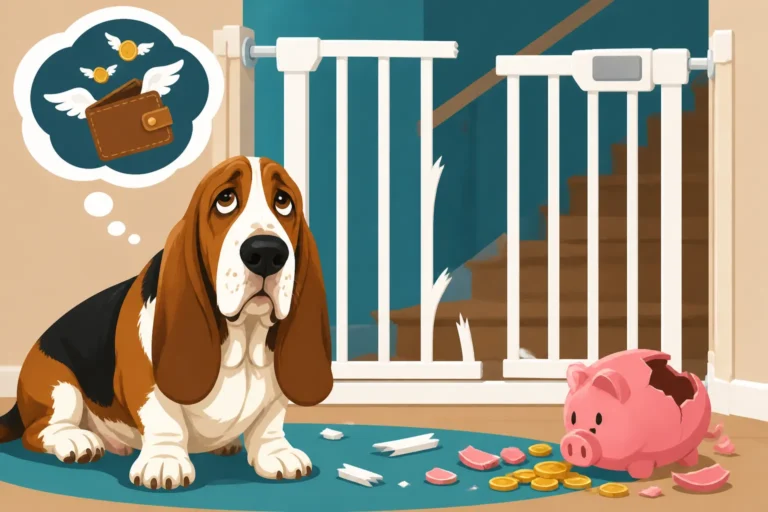
- Emergency Fund: This is often the most practical approach. Setting aside a dedicated savings account specifically for your pet's vet bills can provide a buffer for ongoing treatments, medications, and potential emergencies. Even a small amount put away regularly can grow into a significant resource.
- Payment Plans with Your Vet: Many veterinary clinics understand the financial strain of chronic conditions and may offer payment plans or work with third-party financing options. Don't hesitate to discuss this with your vet's office.
- Breed-Specific Rescues and Charities: Some Basset Hound specific rescues or charitable organizations may offer assistance for owners struggling with significant veterinary bills, especially for common breed ailments. It's worth looking into local or national groups.
- Cost-Saving Measures (with vet approval): This doesn't mean skimping on care, but rather exploring ways to make existing care more affordable. For example, purchasing medications from a reputable online pharmacy (like through Chewy's pharmacy services) or a human pharmacy with a vet's prescription can sometimes be cheaper than buying directly from the vet. Just ensure you're getting the exact medication and dosage.
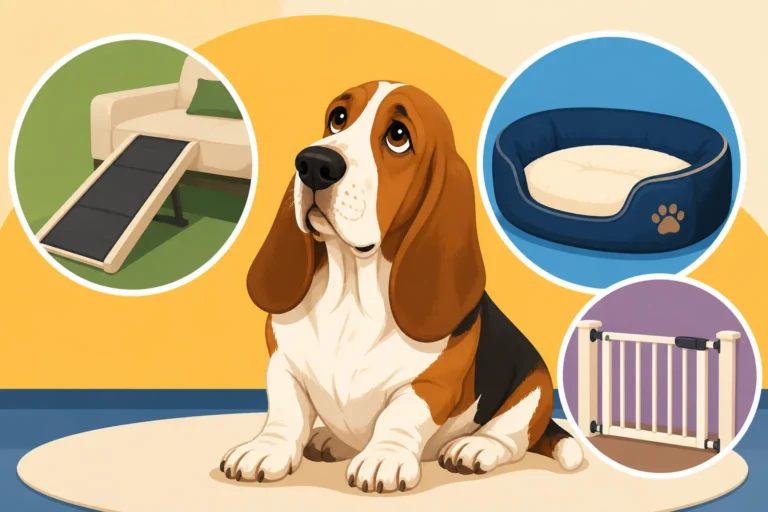
- Lifestyle Adjustments: While not a financial solution, optimizing your home environment can significantly improve your Basset's quality of life and potentially reduce the frequency or severity of flare-ups. This includes things like using ramps instead of stairs, providing orthopedic beds like What an Orthopedic Bed Costs for a Basset Hound, and ensuring they maintain a healthy weight. Whether a Basset Hound Needs a Cart might even become a consideration if mobility severely declines, offering a new lease on life.
The Costs of Long-Term Care
Living with a Basset Hound with chronic back issues is a marathon, not a sprint. The costs aren't just for that initial emergency or surgery; they are ongoing.
Consider the potential expenses:
- Medications: Pain relievers, anti-inflammatories, muscle relaxants. Many Basset Hounds require these medications for extended periods, sometimes for life.
- Physical Therapy/Rehabilitation: After a disc incident or surgery, rehabilitation is often crucial for recovery and preventing future issues. This can involve hydrotherapy, laser therapy, acupuncture, or structured exercise programs, all of which add up.
- Regular Vet Check-ups: Frequent visits to monitor their condition, adjust medications, and assess their pain levels are often necessary.
- Specialized Equipment: Ramps for cars and furniture, orthopedic beds, non-slip rugs, and possibly even a dog cart can all contribute to creating a supportive environment for a Basset with back trouble. The Old Basset Hound That Cannot Get Off the Floor needs these aids even more as they age.
- Diagnostic Imaging: While an initial MRI might be covered by insurance if you're lucky, follow-up imaging to monitor the spine can be expensive if not.
Even if a company like Ollie (a fresh dog food provider) helps you maintain an ideal weight, which is excellent preventative care, it won't directly cover the veterinary costs of a pre-existing IVDD diagnosis. This long-term commitment is why understanding insurance from the outset, especially for a breed with such well-documented vulnerabilities, is truly one of the most loving and responsible things you can do for your Basset Hound. Taking the time to research thoroughly and make an informed decision about coverage is an investment in their future comfort and your peace of mind. Whether a Basset Hound Is Worth Insuring at All is a question many ponder, but for a breed prone to such significant and costly health issues, the answer often leans heavily towards "yes, absolutely."
Disclaimer
This article is for general informational purposes only and does not constitute professional advice. Laws, prices and regulations vary by location and change over time. Consult a qualified professional for guidance on your specific situation.