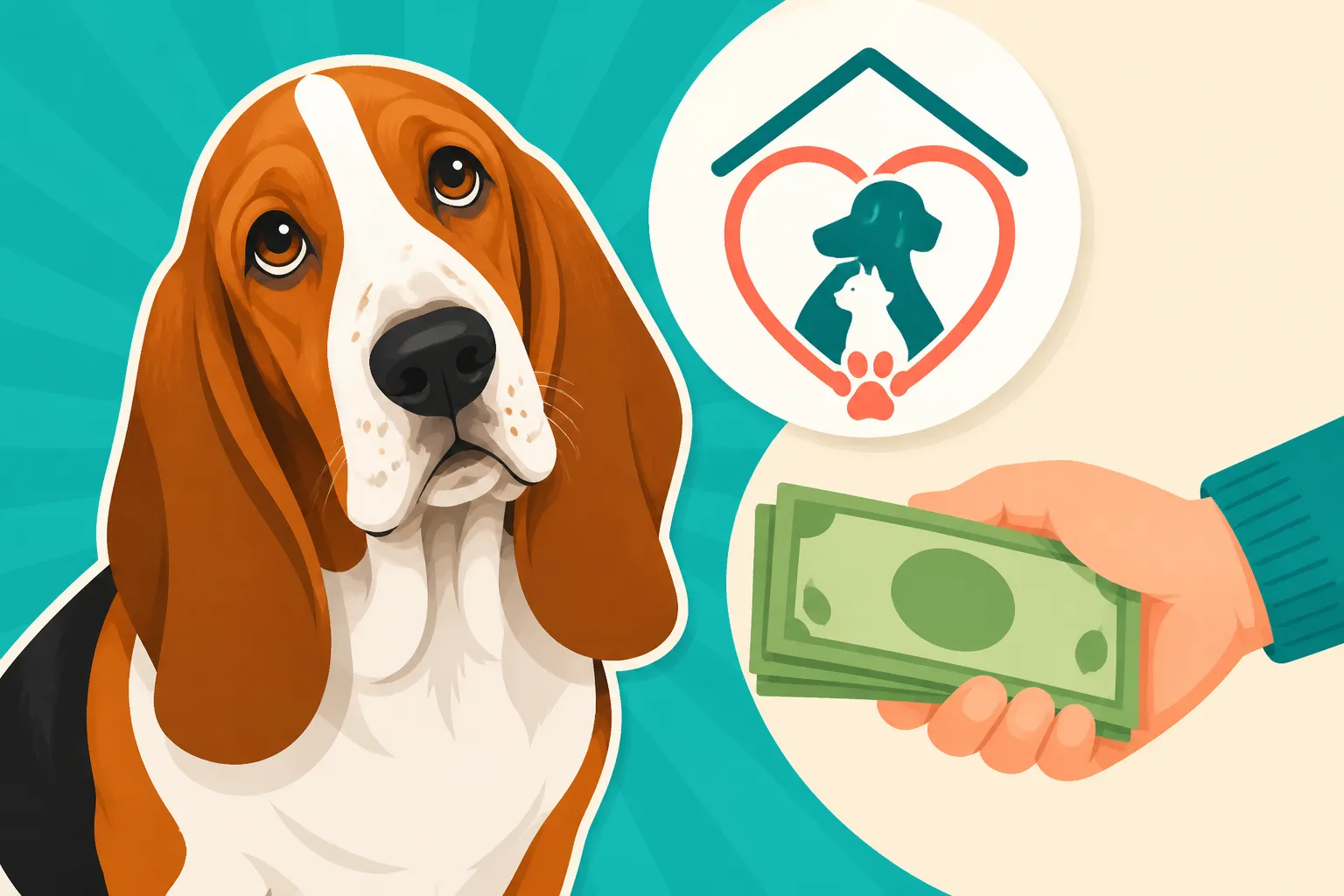
What a Basset Hound Rescue Charges in Adoption Fees
Bringing a new Basset Hound into your life through rescue can be an incredibly rewarding experience, but many potential adopters find themselves wondering about the financial commitment, especially the adoption fees. It’s a common frustration to feel in the dark about what these fees cover and why they vary. This guide aims to pull back the curtain on what a Basset Hound rescue typically charges in adoption fees, helping you understand the value behind them and what to expect as you embark on your adoption journey.
Understanding the True Cost Behind Basset Hound Rescue
When you see an adoption fee listed for a Basset Hound, it's easy to think of it as just a price tag for a dog. However, it's so much more than that. Rescue organizations are often non-profits, run by dedicated volunteers, and every single dollar of that fee goes directly back into the care and rehabilitation of the dogs. They aren't in the business of making a profit; they're in the business of saving lives and finding forever homes. This means the fee reflects a portion, though rarely the full amount, of the expenses incurred for each dog.
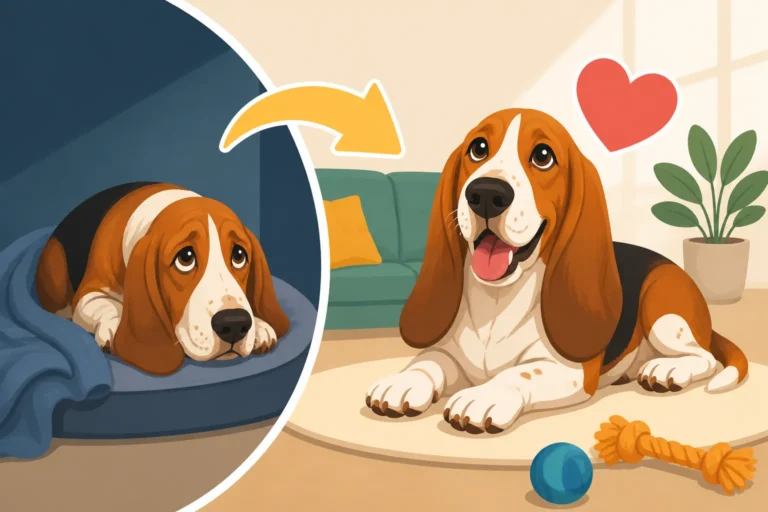
Imagine a Basset Hound arriving at a rescue, perhaps found wandering as a stray, or surrendered by a family that could no longer care for it. This dog likely hasn't had consistent vet care, might be underweight, scared, or even dealing with an untreated health issue. The rescue steps in, provides immediate medical attention, a safe place to stay, food, and emotional support. All of this comes at a significant cost, and the adoption fee helps to offset those expenditures, ensuring the rescue can continue its vital work for the next Basset in need. It's a critical part of their operational budget, allowing them to cover everything from basic necessities to unexpected emergencies.
Veterinary Care and Health Screening
This is arguably the largest portion of any adoption fee, and for good reason. Every Basset Hound that comes into a reputable rescue receives a thorough veterinary examination. This isn't just a quick once-over; it's a comprehensive health check. They'll be vaccinated against common diseases, dewormed, and tested for heartworm and other parasites. If they're not already spayed or neutered, this procedure is mandatory before adoption, which is a major surgical expense.
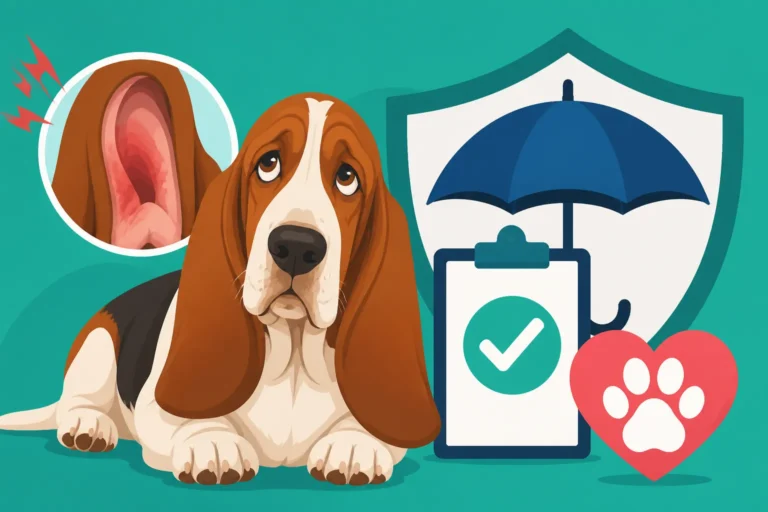
Consider a Basset Hound arriving with those signature long, floppy ears. Often, these beautiful ears can be a source of recurring ear infections. A rescue will ensure these are treated and managed before adoption. Or perhaps a Basset Hound comes in with dental issues, a common problem in many breeds, requiring a dental cleaning or even extractions. These are all significant costs. When you adopt, you're not just getting a dog; you're getting a dog that has had a clean bill of health, or at least had existing issues addressed by veterinary professionals. This up-front investment by the rescue saves adopters potentially thousands in initial vet bills. Without this initial investment, many of these dogs might never have a chance at a healthy life. Rescues also often do blood work, check for any orthopedic issues like elbow dysplasia common in the breed, and address anything else that comes up during the initial assessment.
Food, Shelter, and Daily Needs
Beyond medical care, every Basset Hound in rescue needs daily sustenance and a safe place to lay their long ears. This includes high-quality dog food, fresh water, comfortable bedding, and access to exercise. Many rescues operate through a network of foster homes, which means volunteers open their homes and hearts, often covering some of these daily costs themselves. However, the rescue still provides supplies and support. For those Bassets housed in a central facility, the costs are even higher, including rent, utilities, and staff to care for the dogs around the clock.
Think about a Basset Hound known for its deep chest and love of food. Keeping them at a healthy weight is crucial, as What Extra Weight Does to a Basset Hound can lead to numerous health problems down the line. A rescue will provide appropriate nutrition, sometimes even special diets if a dog has sensitivities or specific needs. Toys, treats for training and comfort, and basic grooming supplies like shampoo and brushes are also part of the daily routine. These seem like small costs individually, but they add up quickly when multiplied across many dogs in care, sometimes for weeks or months. Brands like Chewy often offer discounted supplies to rescue organizations, but even with support, the cumulative cost is substantial.
Administrative and Operational Expenses
It's easy to overlook the "invisible" costs of running a rescue, but they are absolutely essential. This includes things like insurance, legal fees, website hosting, marketing for adoptions, volunteer background checks, and administrative supplies. Every email sent, every phone call made, every application processed, and every home visit conducted by a volunteer has an associated overhead cost. These expenses ensure the rescue can operate legally, safely, and efficiently.
Furthermore, many rescues invest in microchipping all their dogs, registering them for life, which is a fantastic safety net should the dog ever get lost. This is a standard practice and a valuable service included in the adoption fee. Some rescues also provide new adopters with starter kits, including a leash, collar, or a small bag of their current food to help transition. All these elements contribute to the overall operational budget that the adoption fee helps to sustain.
The Typical Range of Basset Hound Adoption Fees
The exact figure for a Basset Hound adoption fee can be quite variable, and it's something many potential adopters fret over. The truth is, there isn't a single, fixed price, and that's okay. It’s important to understand the factors that influence this range rather than getting hung up on a specific number. Most reputable rescues will have a transparent fee structure, and they're usually happy to discuss what it entails. Generally speaking, you can expect fees to be a moderate sum, typically in line with what other purebred dogs might cost at a rescue, but significantly less than purchasing a puppy from a breeder, especially given the extensive care already provided.
While I can't provide specific dollar amounts, I can tell you that adoption fees usually fall into a few broad categories. Puppies, being highly sought after and often requiring additional vaccinations and sometimes spay/neuter at a later date (with a strict contract), may have higher fees. Adult Basset Hounds, who are past their puppy antics and often have a clearer health history, might be in a middle range. Senior Basset Hounds, bless their wrinkled faces, sometimes have the lowest fees, or even "seniors for seniors" programs to encourage adoption of older dogs. This is because older dogs often take longer to find homes and may come with known age-related health issues.
Factors Influencing the Adoption Fee
Several key factors will play a role in determining the specific adoption fee for a Basset Hound. These aren't arbitrary decisions by the rescue; they are carefully considered based on the dog's individual needs and the rescue's overall financial health.
Age of the Basset Hound:
As mentioned, age is a big one. Puppies often command higher fees because their demand is high, and while their initial vet care might be less complex than an older dog with chronic issues, they still require multiple vet visits for vaccinations and growth checks, plus the eventual spay/neuter. An adult Basset, perhaps between 2-7 years old, is usually in the prime of their life, often already house-trained, and has completed all their initial medical care. Their fees reflect the costs incurred for their specific health needs and general care. Senior Basset Hounds, say from The Age a Basset Hound Counts as Senior onwards, often have reduced fees. This is a compassionate approach by rescues, recognizing that older dogs can be harder to place and might have ongoing medical needs that adopters will take on. Rescues want these golden-aged hounds to find comfort and love in their twilight years, and reducing financial barriers helps.
Health Status and Medical History:
A Basset Hound arriving with significant medical needs will incur much higher costs for the rescue. Think about a Basset with chronic ear infections needing extensive treatment, or one that requires surgery for a torn ligament or even something more serious like a tumor removal. While the adoption fee aims to cover these expenses, it very rarely covers the full cost, especially for complex cases. Rescues absorb a lot of these expenses through fundraising and donations. A Basset Hound with no known health issues, or only minor ones, might have a standard fee. Those with well-managed conditions, like Whether a Basset Hound Gets Hypothyroidism which requires daily medication, might still have a standard fee, with the rescue providing full disclosure of their needs. This transparency is crucial, allowing adopters to make informed decisions and prepare for any ongoing care. This is also where pet insurance providers like Healthy Paws can be a lifesaver for new owners, helping to manage unexpected vet costs down the line.
Location of the Rescue:
Operating costs vary significantly across different regions. A rescue located in a high-cost-of-living area will likely have higher overheads for rent, utilities, and veterinary services compared to a rescue in a more rural area. This can subtly influence their adoption fee structure. Additionally, some regions may have a higher supply of certain breeds, or a higher demand, which can also play a minor role in fee adjustments. A rescue in a city might have higher transport costs if they pull dogs from overcrowded shelters further afield. It’s always a good idea to research local Basset Hound rescues or general dog rescues in your area to get a sense of regional differences.
What Your Adoption Fee Really Covers
It’s easy to focus on the dollar amount, but the real magic of an adoption fee is the incredible value it represents. You're not just buying a dog; you're investing in a dog that has been given a second chance, often pulled from difficult circumstances, and provided with foundational care that sets them up for success in their new home. This fee is a testament to the dedication of the rescue and the journey the Basset Hound has already been on.
Think about the alternative: if you were to acquire a Basset Hound without any intervention, you'd immediately face a long list of expenses to ensure its health and safety. The adoption fee bundles many of these critical services, saving you time, effort, and significant money in the initial weeks and months of ownership.
Essential Medical Services Included
Almost without exception, a Basset Hound adopted from a legitimate rescue will come with a standard package of medical services that are invaluable.
Spay/Neuter Surgery:
This is non-negotiable for most rescues and is included in the adoption fee. It's a fundamental step in responsible pet ownership and helps combat pet overpopulation. The cost of a spay or neuter surgery varies widely but can be a substantial expense if you were to arrange it yourself. Knowing your Basset Hound is already altered saves you a major trip to the vet and the associated cost and recovery time. Whether a Basset Hound Comes With Spay Terms is usually detailed in the adoption contract.
Up-to-Date Vaccinations:
Your adopted Basset will arrive with their core vaccinations up-to-date, protecting them from common and dangerous diseases. This usually includes distemper, parvovirus, adenovirus, and rabies. Puppies might have started their series, and you'll be advised on completing them. Adult dogs will typically have received their annual boosters. These initial vaccinations are crucial for the health of your new companion and prevent costly treatments for preventable illnesses.
Microchipping:
A microchip is a tiny, permanent identification tag implanted under the skin, registered with your contact information. If your Basset Hound ever gets lost, a microchip dramatically increases the chances of a happy reunion. The cost of implantation and registration is usually included in the adoption fee, providing invaluable peace of mind. Many rescues will register the chip directly in your name as part of the adoption process.
Initial Veterinary Examination and Deworming:
Every Basset Hound adopted will have received at least one, often multiple, veterinary checks to assess their overall health. This includes checking for parasites, ear infections, skin issues, and general well-being. They will also be dewormed to eliminate common internal parasites. These initial checks are critical to catch any underlying issues early and ensure the dog is healthy before going to its new home. It means you can focus on bonding, rather than immediately rushing to the vet for initial screenings.
Behavioral Assessment and Training Support
Beyond physical health, reputable Basset Hound rescues also dedicate resources to understanding and addressing the behavioral needs of their dogs. This is particularly important for dogs that may have come from neglected backgrounds or have developed anxieties.
Temperament Evaluation:
Rescues strive to place each Basset Hound in a home that's the right fit. This means thoroughly evaluating their temperament with people, children, and other animals. They observe how the dog reacts in different situations, what motivates them, and any potential challenges. This helps them match you with a Basset whose personality aligns with your lifestyle and family dynamics. It’s a huge benefit to adopters, as you get insights into the dog's personality that you wouldn't necessarily get from other sources. Whether a Basset Hound Is Gentle With Toddlers or A Basset Hound Meeting the Dog You Already Have are important considerations a rescue will help you navigate.
Basic Training and Socialization:
While rescues aren't typically full-fledged training schools, many provide basic socialization and might work on foundational obedience cues. Foster homes are instrumental in this, exposing Basset Hounds to a home environment, house-training routines, and regular human interaction. They might even teach simple commands like "sit" or how to walk on a leash without pulling too much. This initial work can make the transition into your home smoother and set a positive foundation for continued training. How Long a Basset Hound Puppy Takes to House Train or Whether a Basset Hound Can Be Taught to Leave It are areas where a foster parent often starts the work.
Finding the Right Basset Hound Rescue for You
The journey to adopting a Basset Hound through rescue is more than just about the fee; it's about finding a reputable organization that aligns with your values and provides excellent care for its animals. It's essential to do your homework and choose a rescue that prioritizes the well-being of its Bassets and offers transparency throughout the adoption process.
Remember, every rescue is a little different, and their specific procedures and fee structures might vary. Don't be afraid to ask questions. A good rescue will welcome your inquiries and be open about their operations.
Researching Reputable Rescues
Before you commit to a Basset Hound rescue, take the time to research them thoroughly. Look for reviews, check their online presence, and ask for references if possible. A reputable rescue will have clear contact information, a professional website, and typically be a registered non-profit organization.
Online Presence and Reviews:
Start by searching online for "Basset Hound rescue [your state/region]." Visit their websites, which should provide detailed information about their mission, available dogs, adoption process, and fee structure. Look for testimonials from previous adopters. Social media pages can also offer insights into their day-to-day operations and how they interact with their community. Websites like Petfinder or Adoptapet often list many legitimate rescues and provide a platform for reviews.
Transparency in Practices:
A key indicator of a good rescue is transparency. They should clearly outline their adoption process, including the application, screening, and home visit steps. They should be open about their adoption fees and what those fees cover. If a rescue is vague about their fees or pressured you into adopting without proper vetting, that's a red flag. They should also be able to provide the known health history of the Basset Hound you are interested in, including any ongoing medical needs. Whether a Rescue Basset Hound Comes With Records is an important question to ask.
Understanding the Adoption Process
The adoption process with a reputable Basset Hound rescue is designed to ensure a good match for both the dog and the adopter, not to create unnecessary hurdles. It typically involves several steps to get to know you and your household.
Application and Screening:
You'll usually start by completing an application form, which gathers information about your living situation, experience with dogs, lifestyle, and preferences for a Basset Hound. This helps the rescue understand what kind of home you can offer. Following the application, there might be phone interviews, veterinary reference checks (if you've owned pets before), and personal references. This is a normal part of the process to ensure you're a responsible and suitable pet owner.
Home Visits and Meet-and-Greets:
Many rescues conduct home visits, either virtually or in person, to ensure your home environment is safe and appropriate for a Basset Hound. This isn't about judging your housekeeping; it's about checking things like fence security (essential for a scent hound!), safe spaces for the dog, and any potential hazards. Then, you'll typically have an opportunity to meet the Basset Hound you're interested in, often in their foster home, to see how you connect. This is your chance to interact with the dog and ask detailed questions about their personality and habits.
Adoption Contract and Follow-Up:
Once a match is made, you'll sign an adoption contract. This legally binding document outlines your responsibilities as the new owner and the rescue's commitment. It often includes clauses about responsible care, returning the dog to the rescue if you can no longer keep it, and ensuring ongoing veterinary care. Some rescues even offer post-adoption support or check-ins to ensure the transition is going smoothly. They genuinely care about the well-being of their adopted Bassets.
Here's a quick overview of what's typically covered by an adoption fee:
| Service Included | Description | Typical Included | Potential Extra Cost if Not Adopted |
|---|---|---|---|
| Spay/Neuter | Surgical procedure to prevent reproduction | Yes | High |
| Vaccinations | Core vaccinations (Distemper, Parvo, Rabies, etc.) | Yes | Moderate |
| Microchip | Permanent identification | Yes | Low |
| Initial Vet Exam | Health check upon intake | Yes | Moderate |
| Deworming | Treatment for internal parasites | Yes | Low |
| Heartworm Test & Prevention | Screening and initial prevention | Often | Moderate |
| Flea/Tick Treatment | Initial treatment and prevention | Often | Low |
| Temperament Assessment | Evaluation of dog's behavior | Yes | High (professional trainer) |
| Basic Grooming | Bath, nail trim, ear cleaning | Often | Low |
| Food & Shelter | Costs incurred during rescue's care | Indirectly | High (daily expenses) |
| Post-Adoption Support | Advice, resources, follow-up | Often | Varies |
Choosing to adopt a Basset Hound is a wonderful decision, and understanding the adoption fee helps you appreciate the significant investment the rescue has already made in your future companion. It's a small price to pay for a healthy, happy, and well-cared-for hound, ready to fill your life with joy and those signature long ears. Perhaps you might even look into subscription services like Ollie for nutritious food options or plan for pet insurance with Healthy Paws to protect against future health concerns. Whatever you choose, know that every adopted Basset Hound is a testament to the compassion and hard work of dedicated rescue volunteers.
Disclaimer
This article is for general informational purposes only and does not constitute professional advice. Laws, prices and regulations vary by location and change over time. Consult a qualified professional for guidance on your specific situation.