What Rehoming a Basset Hound Yourself Costs
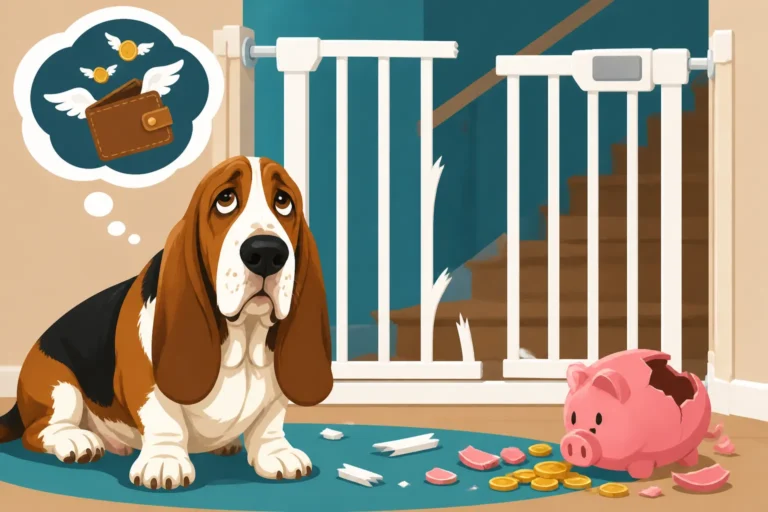
Making the incredibly difficult decision to rehome your beloved Basset Hound is a truly heartbreaking experience for any owner. Beyond the immense emotional weight, many people don't realize that finding a new, suitable home for their hound themselves can involve a surprising number of practical and financial considerations. This guide aims to shed light on those potential costs, helping you understand what to expect when you take on the responsibility of rehoming your Basset yourself, from advertising to veterinary care.
The Emotional and Hidden Toll of Rehoming Your Basset Hound
Let's be real, deciding to rehome a dog, especially a Basset Hound who has burrowed deep into your heart with their goofy charm and soulful eyes, is not a decision made lightly. It's often preceded by weeks, if not months, of anguish, guilt, and sleepless nights. The cost of rehoming isn't just monetary; there's a significant emotional and psychological toll that weighs heavily on you, often overlooked until you're deep in the process.
Why Owners Consider Rehoming
Life throws curveballs, and sometimes, despite our best intentions, circumstances change in ways that make continuing to provide the best home for our Basset Hounds impossible. It could be a sudden job loss, a move that doesn't allow pets, a new baby with unforeseen allergies, or a dramatic shift in your own health or ability to care for a dog with specific needs. Perhaps your Basset Hound has developed behavioral issues you feel ill-equipped to handle, like incessant barking that is causing friction with neighbors or persistent house-soiling. These aren't easy situations, and the guilt can be overwhelming. It's important to remember that you're seeking the best possible outcome for your dog, even if it means a future without you. You're trying to ensure they land in a place where they will thrive.
The Importance of a Good Fit
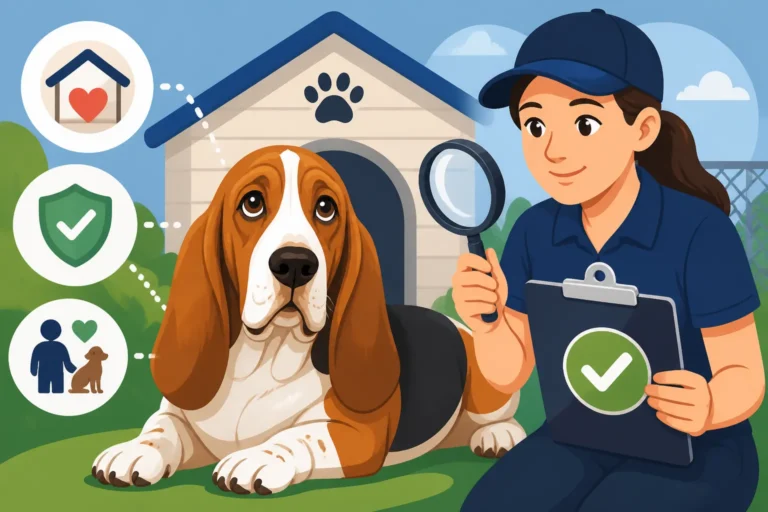
When you choose to rehome your Basset Hound yourself, you become a matchmaker, a detective, and an advocate all rolled into one. Your primary goal is to find a home that is an ideal fit, not just any home. This means taking the time to thoroughly vet potential adopters, understand their lifestyle, their experience with Basset Hounds (or similar breeds), and their commitment to long-term care. You'll want to ask about their living situation, their work schedule, whether they have other pets or children, and how they plan to meet the specific needs of a Basset, like their need for sniffing walks or consistent ear care. This thorough vetting process takes time and effort, and while it doesn't always have a direct monetary cost, it's a significant investment of your personal resources. The emotional reward, however, of seeing your dog go to a truly loving and appropriate home is immeasurable. It provides a sense of peace that you've done everything in your power for them.
Direct Costs: Advertising and Screening
When you decide to rehome your Basset Hound yourself, you essentially become your dog's personal adoption agency. This means taking on all the tasks that a rescue organization would typically handle, and many of these come with associated costs. From getting the word out to ensuring a safe transition, these direct expenses can add up faster than you might expect.
Online Listing Fees and Platforms
First and foremost, you need to get the word out that your wonderful Basset Hound is looking for a new family. While social media is often a go-to for free advertising, relying solely on it can be limiting and sometimes attract less serious inquiries. Many reputable pet rehoming websites and online classifieds exist specifically for connecting pets with new homes. These platforms often charge a listing fee, which can range from a small one-time payment to a recurring subscription, depending on how long your listing needs to be active and what features you opt for (like "featured" listings for more visibility).
For example, you might choose a platform that requires a fee to list your dog, but in return, it provides tools for screening potential adopters and even offers legal templates for adoption contracts. Some sites focus heavily on making sure the adopter is fully informed about the responsibilities of pet ownership and even offer resources on specific breed traits. This isn't just about putting a picture up; it's about casting a wide, yet targeted, net to find the right family who truly understands the joys and quirks of a Basset Hound. These fees, though sometimes modest, are your first direct expenditure in the rehoming journey.
Vet Checks and Health Records Updates
A responsible rehoming process absolutely requires up-to-date health records. No new owner wants to adopt a dog only to discover a hidden medical condition or an expired vaccination schedule on day one. Before even considering new homes, you'll need to schedule a comprehensive veterinary check-up for your Basset Hound. This visit will likely include a full physical examination, ensuring all vaccinations are current, and potentially updating their microchip information. If your Basset Hound isn't already spayed or neutered, most responsible rehoming agreements (and ethical considerations) will stipulate that this procedure be done prior to adoption, incurring a significant cost.
Beyond the basics, your vet might recommend specific screenings given the breed's predispositions. For instance, Basset Hounds are known for their ears, so a thorough ear check and any necessary treatments for existing infections could be essential. Whether a Basset Hound's Ear Infection Ever Clears is a common concern for potential adopters, so having a clean bill of health in this area can make a big difference. If your Basset has any ongoing conditions, like arthritis common in older Bassets, you'll need current documentation and a clear care plan to share with prospective families. All these vet visits, tests, medications, and potential surgeries contribute significantly to the overall cost of rehoming, but they are crucial for your dog's well-being and for peace of mind for their new family. Many adopters will appreciate a detailed history, including any previous conditions covered by pet insurance like Healthy Paws, which shows you've been a diligent owner.
Time and Travel for Meet-and-Greets
Once you start receiving inquiries, the real work of screening begins. This involves phone calls, video chats, and eventually, in-person meet-and-greets. Each of these steps consumes your precious time and often involves travel. You'll likely spend hours responding to emails, asking detailed questions, and providing information about your Basset's personality, quirks, and needs. Then come the actual meetings. Imagine driving across town, or even to a neighboring city, multiple times to meet different families at neutral locations like a park or even at their home for a home visit.
These trips incur costs like gas, mileage, and sometimes even a small expense for a coffee or snack during a longer meeting. While it might seem minor, if you meet five or ten families before finding the right one, these small costs accumulate. More importantly, it's the time commitment that really adds up. You're essentially conducting interviews, assessing compatibility, and observing interactions between your Basset and the potential new family. It’s an exhausting but vital part of ensuring your hound finds a truly loving and lasting home.
Indirect Costs: Preparing Your Basset for a New Home
Beyond the visible expenses, there are several indirect costs associated with rehoming a Basset Hound yourself. These often involve getting your dog ready for their new life, both physically and behaviorally, to ensure they make the best impression and transition smoothly. These investments, while not always direct cash payments, are vital for success.
Grooming and Health Maintenance
A well-groomed, healthy-looking Basset Hound is much more appealing to potential adopters. Before you even start showing your hound, you might want to invest in a professional grooming session. This includes a thorough bath, nail trim (those Basset nails can get long!), ear cleaning, and possibly even a check of their skin folds for any irritation. Cleaning the Folds a Basset Hound's Face Is Made Of is a routine part of Basset care, and ensuring this is up to snuff shows a new owner that you’ve been attentive to their unique needs. While you can certainly do some of this yourself, a professional groomer can give them that extra sparkle.
Moreover, if your Basset Hound has any lingering minor health issues, addressing them proactively is part of responsible rehoming. Perhaps they have a persistent case of flaky skin, or their teeth could use a good cleaning. While major vet issues were covered earlier, these aesthetic and minor health improvements make a significant difference. You might invest in a high-quality shampoo for sensitive skin or a dental chew that helps improve their breath. These small acts of care not only make your Basset more presentable but also demonstrate to prospective families that you are dedicated to their well-being, easing their concerns about taking on a dog that might immediately require extensive grooming or vet intervention.
Training and Behavior Refreshers
One of the most common reasons Basset Hounds end up needing rehoming is behavioral challenges that their current owners can no longer manage. Whether it's persistent counter-surfing, leash pulling, or a tendency to be a bit too vocal, these behaviors can be a deterrent to new families. Investing some time and possibly money into refreshing your Basset's manners can significantly improve their chances of finding a forever home. This might involve enrolling in a short obedience class, hiring a professional trainer for a few sessions, or simply dedicating yourself to consistent daily training exercises.
Think about common Basset traits: their stubborn streak, their love for following a scent, and their distinctive bay. The Recall a Basset Hound Will Never Reliably Give You is a classic Basset challenge, but working on basic cues like "sit," "stay," and a solid "leave it" can go a long way. Even if you can't completely "fix" a deeply ingrained behavior, showing potential adopters that you've put in the effort, and can explain current strategies, speaks volumes. You might use high-value treats from brands like Chewy to motivate them during these sessions, making the training more enjoyable and effective. This investment not only makes your Basset more adoptable but also sets them up for greater success in their new environment, as they'll have a stronger foundation of good habits.
Supplies and Transition Kits
As you prepare to say goodbye, it's incredibly helpful to assemble a "transition kit" for your Basset Hound's new family. While you might want to hold onto certain sentimental items, providing some familiar things can help your Basset adjust more smoothly to their new surroundings. This kit often includes items you'll need to purchase or replace. Think about their favorite food bowl, a new leash and collar, a selection of their toys, and perhaps a comfortable bed or blanket that smells like your home.
You might even want to include a small bag of the food they're currently eating (perhaps from Ollie, if you're using a fresh food service, or their usual kibble) to help transition them gradually to whatever their new family plans to feed them, preventing stomach upset. A comprehensive kit demonstrates thoughtfulness and prepares the new owners with immediate necessities. This gesture minimizes initial costs for the new family and ensures your Basset has a few comforting items. It's a small expense for you but a huge support for them, making the transition less stressful for everyone involved. What a Basset Hound Needs Every Day is a good way to think about the essentials for this kit.
| Expense Category | Typical Items/Services | Why It's Important |
|---|---|---|
| Advertising | Online listing fees, printed flyers | Reaches a wider, targeted audience; increases chances of finding a good match. |
| Vet Care | Check-up, vaccinations, deworming, spay/neuter, microchip | Ensures current health status, legal compliance, and peace of mind for new owners. |
| Grooming | Bath, nail trim, ear cleaning, skin fold care | Improves appearance, comfort, and demonstrates attention to breed-specific needs. |
| Behavioral Support | Obedience classes, trainer sessions, high-value treats | Addresses common behavioral issues, makes the Basset more adoptable, sets them up for success. |
| Travel | Gas, mileage for meet-and-greets, home visits | Facilitates thorough screening and multiple introductions to ensure the right fit. |
| Transition Supplies | Food, toys, blanket, collar/leash, vet records | Helps the Basset adjust, provides immediate necessities for new owners, shows thoughtfulness. |
| Legal/Admin (Optional) | Adoption contract templates | Provides clear terms of adoption, protects both parties, and ensures a responsible transfer of ownership. |
Weighing the Costs Against Rescue Options
When you're facing the decision to rehome your Basset Hound, it's natural to explore all avenues. While rehoming yourself allows for maximum control over who adopts your dog, it's crucial to weigh the personal costs – both financial and emotional – against the established infrastructure and support offered by dedicated breed-specific rescues.
The Benefits of Working with a Basset Hound Rescue
Partnering with a dedicated Basset Hound rescue organization can offer significant advantages, often alleviating many of the direct and indirect costs you'd face rehoming yourself. These rescues have extensive networks of volunteers, foster homes, and potential adopters who are specifically looking for Basset Hounds. This means they already have a pool of pre-screened, approved families who understand the unique traits and needs of the breed, from their long ears and droopy eyes to their distinct personalities.
Rescues often handle all the heavy lifting: advertising, screening applications, conducting home checks, and managing multiple meet-and-greets. They have experience in matching dogs with appropriate families, considering factors like other pets, children, activity levels, and previous dog experience. Furthermore, many rescues provide veterinary care for their dogs, covering costs for necessary vaccinations, spay/neuter surgeries, and even addressing more significant health concerns like The Ear Infections That Never Really Leave a Basset Hound or The Back Trouble a Basset Hound Is Built Into. While you might still contribute a surrender fee to the rescue, this fee often pales in comparison to the cumulative costs of handling everything yourself, not to mention the emotional burden it removes from your shoulders. Rescues often operate with the long-term well-being of the Basset at heart, offering a safety net if a placement doesn't work out.
Understanding Adoption Fees vs. Your Costs
When a rescue places a dog, they typically charge an adoption fee. This fee helps cover a portion of the extensive costs the rescue incurs, such as veterinary care, food, supplies, and administrative overhead. For an adopter, paying an adoption fee means they are acquiring a dog who has likely been fully vetted, spayed/neutered, microchipped, and had any immediate medical needs addressed. It's an investment in a healthy, well-prepared pet.
When you rehome your Basset Hound yourself, you are essentially absorbing all these costs that a rescue would typically manage and offset with an adoption fee. As we've discussed, this includes direct expenses like vet bills, grooming, and advertising, as well as indirect costs like your time and emotional energy. While you might consider asking for a rehoming fee from the new family, this can be a delicate balance. Too high a fee might deter good potential homes, while too low a fee might not cover your expenses and could attract less committed individuals. It’s important to clarify that any rehoming fee you charge is genuinely intended to recoup some of your expenses and ensure commitment, not to "sell" your dog. Ultimately, the cost of rehoming your Basset Hound yourself isn't just the visible cash you spend; it's the full spectrum of resources you dedicate to ensuring your beloved companion finds the happy, healthy new chapter they deserve.
Disclaimer
This article is for general informational purposes only and does not constitute professional advice. Laws, prices and regulations vary by location and change over time. Consult a qualified professional for guidance on your specific situation.