What a Course of Ear Drops Costs for a Basset Hound
The endless cycle of ear infections in Basset Hounds is a frustration many owners know all too well. One minute your sweet-faced companion is happy as can be, and the next, they're shaking their head, scratching incessantly, and you're bracing yourself for another vet visit. Getting a handle on what a course of ear drops actually costs isn't just about the prescription itself; it's about understanding the entire diagnostic and treatment process for these notoriously problematic ears. This guide will walk you through the various expenses involved, from the initial consultation to ongoing management, so you can be better prepared for your Basset Hound's unique ear care needs.
Understanding Why Basset Hounds Need So Many Ear Drops
If you've ever owned a Basset Hound, you know their ears are a defining characteristic – long, droopy, and undeniably charming. But those magnificent ears are also a major reason why Basset Hounds are so prone to chronic ear infections. It’s not just bad luck; it’s a design flaw, in a loving kind of way.
The Unique Anatomy of a Basset Hound's Ears
Let's talk about those ears. A Basset Hound's ear flaps are incredibly long and heavy, often dragging on the ground or dipping into their food and water bowls. This isn't just a cute quirk; it creates a perfect storm for ear problems. These heavy flaps cover the ear canal almost completely, significantly restricting airflow. Imagine trying to keep a dark, warm, and damp cave clean and dry – that’s essentially what we're up against with a Basset Hound's ear canal. The lack of ventilation means moisture and warmth get trapped, creating an ideal breeding ground for bacteria and yeast.
Beyond the external flap, the internal ear canal itself is often narrower and more convoluted than in other breeds. This makes it difficult for natural debris to escape and for cleaning solutions to penetrate effectively. It also means that once an infection takes hold, it can be really challenging to clear it out completely. It's a design that, while endearing, truly sets them up for a lifetime of ear care challenges. This is why you often hear about The Ear Infections That Never Really Leave a Basset Hound.
Common Causes of Basset Hound Ear Infections
While anatomy plays a huge role, actual infections are triggered by specific culprits. Most commonly, we're looking at either yeast or bacterial infections, or often, a combination of both. Yeast infections tend to have a distinctive sweet-ish, often cheesy smell, while bacterial infections can smell more pungent and sometimes come with a thicker, pus-like discharge. Your vet will often need to do a cytology (looking at a sample under a microscope) to determine Whether Yeast or Bacteria Is in a Basset Hound's Ear, because the treatment is different for each.
Beyond these direct invaders, underlying issues can make a Basset Hound incredibly susceptible. Allergies are a massive contributor. Just like people, dogs can suffer from environmental allergies (pollen, dust mites) or food allergies. When a Basset Hound has allergies, one of the primary ways their body reacts is through inflammation, particularly in the ears. This inflammation changes the ear canal's environment, making it even more welcoming for yeast and bacteria to proliferate. So, while ear drops treat the symptoms, sometimes you have to dig deeper to address the root cause, such as trying to figure out Whether a Basset Hound Gets Allergies. Other factors like excessive moisture getting trapped in the ear (perhaps from swimming, as discussed in Whether a Basset Hound's Ears Trap Water), or even foreign bodies like grass awns, can also initiate an infection.
The Different Types of Ear Drops and Their Purpose
When your Basset Hound starts shaking their head or scratching their ears, your mind probably jumps straight to "ear drops." But not all ear drops are created equal, and understanding the different types is key to effective (and cost-efficient) treatment.
Prescription Medication: The Veterinary Standard
For active ear infections, your veterinarian will almost certainly prescribe medicated ear drops. These aren't just a quick fix; they're targeted treatments based on what's causing the infection.
- Antibacterial Drops: If your vet identifies a bacterial infection, they'll prescribe drops containing antibiotics. These work by killing or inhibiting the growth of bacteria. There's a wide range of antibiotics used, and sometimes, if an infection is particularly stubborn, your vet might even send a swab to a lab for a culture and sensitivity test. This test determines exactly which antibiotics will be most effective against the specific bacteria present, which can save a lot of time and money in the long run by avoiding ineffective treatments.
- Antifungal Drops: For yeast infections, antifungal medications are the go-to. These drops contain agents that specifically target and eliminate yeast. Again, there are various types, and your vet will choose one based on the severity and type of yeast present.
- Anti-inflammatory Drops: Many prescription ear drops for Basset Hounds are actually a combination product, containing not only an antibiotic and/or antifungal but also a corticosteroid. The corticosteroid helps to reduce the painful inflammation, swelling, and itchiness within the ear canal. This makes your dog much more comfortable much faster, which is a huge relief for everyone involved, and also helps the other medications reach their target more effectively by opening up the swollen canal. It's vital to use these exactly as prescribed; using human ear drops can be dangerous and ineffective, as they often aren't formulated for a dog's ear pH or specific pathogens.
Over-the-Counter and Maintenance Solutions
While prescription drops are for active infections, a Basset Hound owner's cabinet should also be stocked with maintenance solutions. These are crucial for preventing infections and keeping those long ears healthy.
- Ear Cleaners: These are a Basset Hound owner's best friend. Good quality ear cleaners help remove wax, debris, and excess moisture, creating a less hospitable environment for pathogens. They often contain mild drying agents or acidifying ingredients to help normalize the ear's pH. These aren't medications in the traditional sense, but preventative care is paramount for Bassets. You can find a variety of effective ear cleaners at pet supply stores or online retailers like Chewy. They come in different formulations, so it's worth asking your vet Which Ear Cleaner Suits a Basset Hound best for your dog's specific needs. Using a regular ear cleaner is a cornerstone of The Twice Weekly Ear Ritual a Basset Hound Owner Signs Up For.
- Drying Agents/Preventative Drops: For Basset Hounds who love to swim or just get their ears wet frequently (which, let's be honest, is a given when their ears drag on everything!), a vet might recommend drops specifically designed to dry out the ear canal after exposure to water. These are not to be confused with medicated drops; their sole purpose is to reduce moisture to prevent subsequent infections. Using these regularly can be a game-changer for Basset Hounds prone to moisture-induced flare-ups.
It’s crucial to remember that these over-the-counter solutions are for maintenance and prevention, not for treating an active infection. If you suspect your Basset Hound has an infection, always consult your vet first. Self-treating with cleaners when an infection is present can often make things worse or simply delay effective treatment.
Breaking Down the Cost of a Course of Ear Drops
Understanding the cost of ear drops isn't as simple as looking at a price tag on a bottle. There are several contributing factors that add up to the total expense of treating an ear infection in a Basset Hound.
Initial Veterinary Consultation and Diagnostics
Before any drops are prescribed, your Basset Hound needs to see the vet. This initial visit is foundational to effective treatment and, consequently, a significant part of the cost.
- Examination Fee: This is the basic charge for the vet to see your dog, perform a physical exam, and specifically examine their ears. These fees can vary widely depending on your location and the specific veterinary clinic.
- Ear Cytology: This is perhaps the most critical diagnostic step. The vet will take a swab from deep inside your Basset Hound's ear canal and examine it under a microscope. This allows them to identify whether the infection is caused by yeast, bacteria, or mites, and often which specific types. Without this step, treatment is essentially a guess, and you could end up using the wrong medication, leading to wasted money and a prolonged, suffering pet.
- Ear Culture and Sensitivity: If the initial cytology shows a severe bacterial infection or if previous treatments haven't worked, your vet might recommend sending a sample to a lab for a culture and sensitivity test. This test identifies the exact species of bacteria and determines which antibiotics will be most effective against it. This adds an additional cost, but it's invaluable for breaking the cycle of recurring infections, especially for a breed like the Basset Hound known for stubborn ear issues. While more expensive upfront, it can be cheaper than trying multiple rounds of incorrect medications.
These diagnostic steps are not optional if you want to properly address your Basset Hound's ear problems. Skipping them is like throwing darts in the dark, and your dog deserves better.
The Price Tag of the Medication Itself
Once a diagnosis is made, your vet will prescribe the appropriate ear drops. The cost of these medications can vary substantially.
- Type of Medication: As we discussed, there are different types of drops – antifungals, antibacterials, and combination products. Combination products, which include an anti-inflammatory, are often more expensive but also more comprehensive in their treatment.
- Brand vs. Generic: Just like with human medications, there might be brand-name prescription ear drops and generic equivalents. Generics are typically less expensive, but availability can vary. Your vet will advise if a generic is a suitable option for your Basset Hound's specific infection.
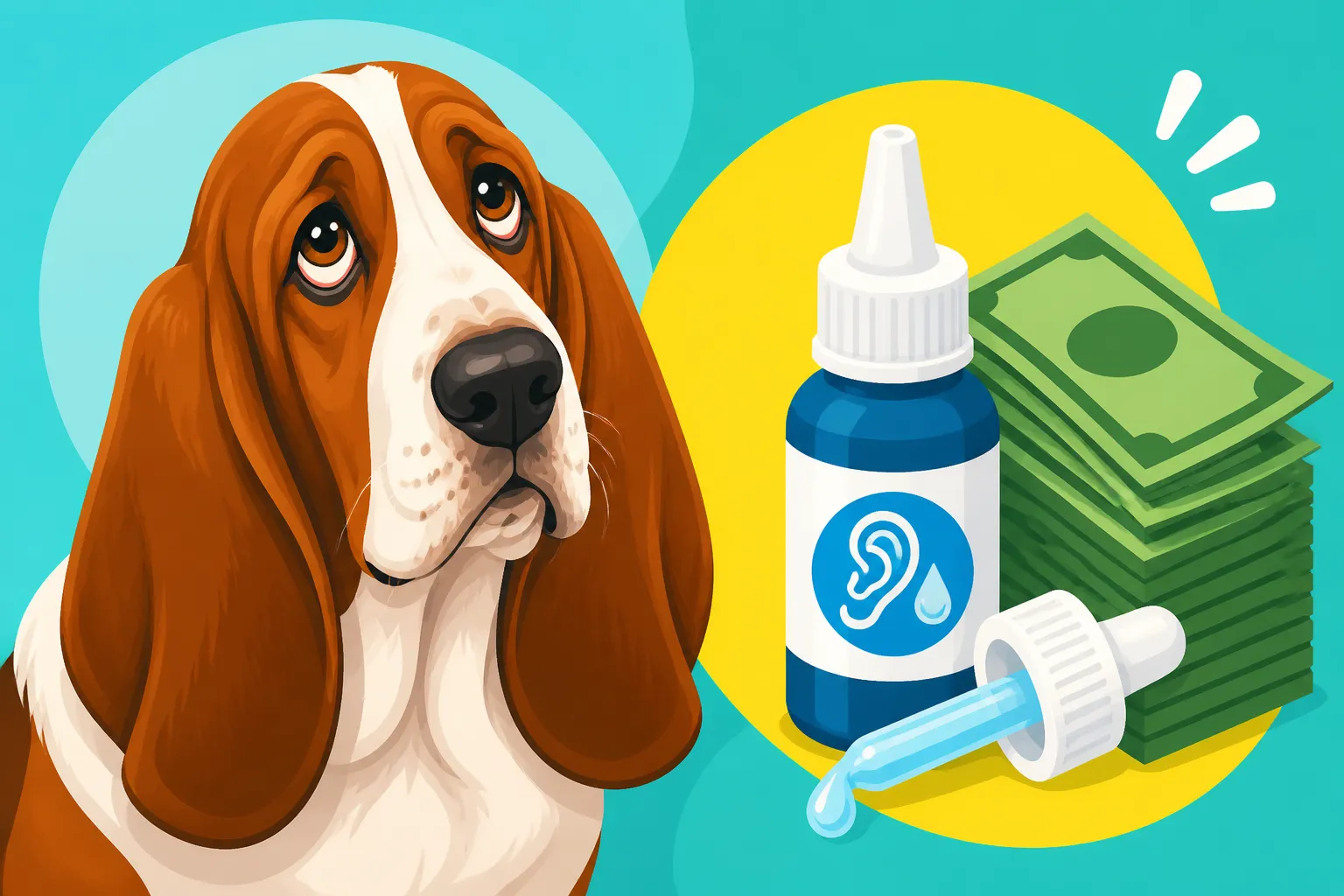
- Dosage and Duration: The size of the bottle and how long your Basset Hound needs to be on the medication will also impact the cost. A typical course might last 7-14 days, but for stubborn or chronic infections, it could be longer. For example, some specialized drops for severe, resistant infections might come in a smaller, more concentrated bottle but carry a higher price per dose.
It's not uncommon for a single bottle of prescription ear drops to cost a significant amount, and for chronic sufferers, these costs can add up quickly. This is often part of the overall cost considerations when looking at What a Basset Hound Costs a Year to Keep.
Recurring Costs and Long-Term Management
The initial course of ear drops might clear up an acute infection, but for many Basset Hounds, ear issues are a chronic battle. This means ongoing costs that extend beyond a single prescription.
- Follow-up Visits: After a course of drops, your vet will likely want a follow-up visit to ensure the infection is completely gone. This often involves another examination and cytology to confirm eradication. Skipping this step can lead to a quick recurrence, as partially treated infections are notorious for bouncing back stronger.
- Maintenance Cleaners and Preventatives: As mentioned earlier, routine ear cleaning is non-negotiable for Basset Hounds. You'll need to regularly purchase ear cleaning solutions, which, while not as expensive as prescription drops, are an ongoing expense. Brands like Virbac, Epiotic, or even store brands available through pet retailers like Chewy, offer a range of options.
- Dealing with Underlying Issues: If allergies are a root cause, you might be looking at additional costs for allergy management, whether that's specialized diets (some owners try services like Ollie for custom food plans, which could potentially alleviate allergy symptoms that manifest in the ears), allergy medications, or even dermatology specialist visits. These can be substantial and directly impact the frequency and severity of ear infections.
- Pet Insurance: For Basset Hounds with chronic ear problems, pet insurance can be a lifesaver. Providers like Healthy Paws may cover a significant portion of diagnostic tests, vet visits, and prescription medications for chronic conditions, depending on your policy. While there's a monthly premium, it can provide immense financial relief when your Basset Hound needs repeated treatment. This is certainly something to consider when you think about Insuring a Basset Hound Against Eyes, Ears and Backs. Without insurance, the cumulative cost of repeated vet visits, cytology, and prescription ear drops can become a significant financial burden over your dog's lifetime, underscoring What Chronic Ear Treatment Costs a Basset Hound Owner.
Here's a simplified look at the typical components that make up the cost of treating a Basset Hound ear infection:
| Cost Component | Description | Typical Impact on Total Cost | Frequency |
|---|---|---|---|
| Vet Exam Fee | Initial assessment by the veterinarian | Moderate | Per visit |
| Ear Cytology | Microscopic examination of ear swab to identify yeast/bacteria/mites | Moderate | Per visit (often with exam) |
| Ear Culture & Sensitivity | Lab test for resistant infections to pinpoint effective antibiotics | High | As needed |
| Prescription Ear Drops | Targeted medication (antibiotic, antifungal, anti-inflammatory) | Moderate to High | Per treatment course |
| Follow-up Vet Visit | Re-check to ensure infection is clear and avoid recurrence | Moderate | Per follow-up |
| Maintenance Ear Cleaner | Over-the-counter solution for routine cleaning and prevention | Low | Monthly/Bi-monthly |
| Allergy Management (if applicable) | Diet, medication, specialist visits for underlying allergies | High (ongoing) | As needed/Ongoing |
| Pet Insurance Deductible/Premium | Annual deductible and monthly premium for coverage | Variable | Annual/Monthly |
Strategies for Managing Basset Hound Ear Health and Costs
Living with a Basset Hound means accepting that ear care will be a significant part of your routine. But with a proactive approach and smart financial planning, you can keep your furry friend comfortable and manage the associated costs effectively.
Proactive Prevention and Routine Care
Prevention is always cheaper and less stressful than treatment, especially when it comes to Basset Hound ears. Establishing a consistent routine is paramount.
- Regular Cleaning: This cannot be stressed enough. Depending on your Basset Hound and their history, you might need to clean their ears anywhere from once a week to twice a week. Your vet will advise on the best frequency. Use a vet-approved ear cleaner and make sure you're cleaning them properly – gently, but thoroughly, getting into those folds. You can find detailed instructions on How to Clean a Basset Hound's Ears Properly. Consistent cleaning removes wax buildup, debris, and creates a less hospitable environment for pathogens to take hold.
- Thorough Drying: If your Basset Hound loves water, whether it's a bath, a dip in the lake, or just walking through wet grass, make sure their ears are completely dried afterward. Trapped moisture is an open invitation for infection. Gently wipe the visible parts of the ear, and consider using a soft cloth or cotton balls to absorb moisture deeper in the folds, without pushing anything down the canal.
- Dietary Management for Allergies: If your vet suspects allergies are contributing to chronic ear infections, exploring dietary changes can be hugely beneficial. This might involve a prescription hydrolyzed protein diet or a limited ingredient diet. Some pet food companies, like Ollie, offer fresh, customized meal plans that can be tailored to sensitive dogs, potentially reducing allergic reactions that manifest as ear inflammation. While a dietary change isn't a direct "ear drop" solution, it can significantly reduce the need for ear drops by addressing an underlying cause.
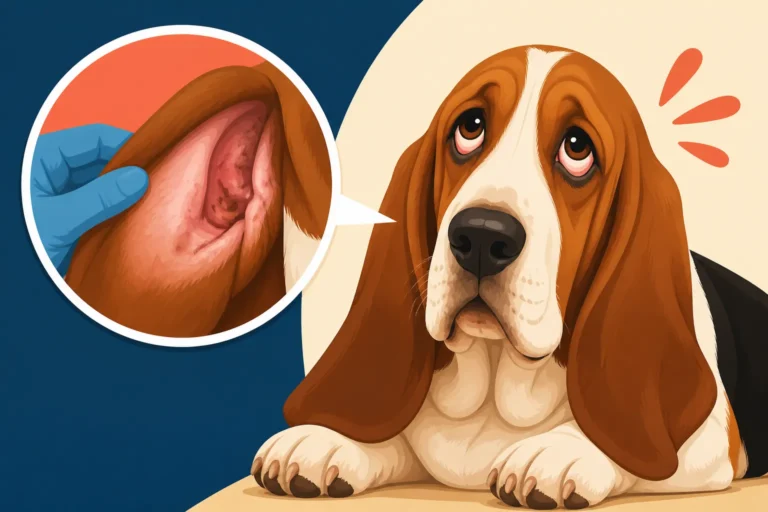
- Routine Checks: Make it a habit to lift your Basset Hound's ear flaps and sniff their ears daily or every other day. A healthy ear should have minimal odor and look clean and pale pink. Any redness, discharge, excessive head shaking, or an unpleasant smell are The Signs a Basset Hound's Ear Has Gone Bad and warrant immediate attention.
The Value of Early Intervention
Ignoring early signs of an ear infection in a Basset Hound is a costly mistake, both in terms of your dog's comfort and your wallet. What starts as a mild irritation can quickly escalate into a full-blown, painful, and more expensive infection.
- Catching It Early: If you notice your Basset Hound scratching their ears a bit more, shaking their head, or if there's a faint odor, don't wait. A quick vet visit at the first sign can mean a simpler, shorter course of inexpensive drops, rather than a severe infection requiring multiple medications, sedated ear cleanings, or even advanced diagnostics like cultures. This swift action can also prevent the infection from progressing to the point where Whether a Basset Hound's Ear Canal Closes Up is a concern, or even necessitating Whether a Basset Hound Needs Ear Surgery like a total ear canal ablation, which is a significant and costly procedure.
- Avoiding Complications: Untreated or poorly treated ear infections can lead to chronic pain, permanent damage to the ear canal, hearing loss, and even neurological issues if the infection spreads to the inner ear. Early intervention protects your Basset Hound from unnecessary suffering and prevents more complicated, invasive, and costly treatments down the line. It's truly an investment in their long-term health.
Financial Planning for Chronic Ear Issues
Let's face it, Basset Hounds are predisposed to ear trouble. Accepting this reality and planning for it financially can save you a lot of stress.
- Consider Pet Insurance: As mentioned, pet insurance from providers like Healthy Paws can be invaluable. Look for policies that cover chronic conditions and hereditary issues, as Basset Hound ears definitely fall into that category. Read the fine print, understand deductibles and reimbursement rates, and sign up when your Basset Hound is young and healthy to avoid pre-existing condition exclusions. Whether Insurance Covers a Basset Hound's Recurring Ears is a critical question to ask any potential provider.
- Dedicated Savings: If pet insurance isn't an option for you, consider setting up a dedicated savings account specifically for your Basset Hound's vet care. Put a small amount aside regularly, so you have a cushion when those inevitable ear flare-ups happen. Even a little bit each month can make a huge difference when you're faced with an unexpected bill for an exam, cytology, and a bottle of expensive ear drops.
- Budgeting for Ongoing Care: Factor in the regular purchase of ear cleaners and other preventative supplies into your monthly pet budget. These are not "extra" costs; they are essential for your Basset Hound's well-being and a key part of minimizing the need for more expensive treatments. Understanding the full scope of What a Basset Hound Costs a Year to Keep means being realistic about these regular health expenses.
Caring for a Basset Hound's ears is a commitment, but with diligence and foresight, you can ensure your beloved companion lives a happy, comfortable life, free from the constant irritation of ear infections, without breaking the bank.
Disclaimer
This article is for general informational purposes only and does not constitute professional advice. Laws, prices and regulations vary by location and change over time. Consult a qualified professional for guidance on your specific situation.