Whether a Basset Hound Is Worth Insuring at All
Anyone who has loved a Basset Hound knows they are charming, soulful companions, but they can also come with a laundry list of potential health challenges that can make your heart (and your wallet) ache. The worry about unexpected vet bills for chronic ear infections, back problems, or eye issues is a very real source of stress for many owners. This guide will dive deep into whether pet insurance is a worthwhile investment for your beloved Basset Hound, helping you understand the common health pitfalls and explore how insurance can offer peace of mind or if another financial strategy might suit you better.
Why Basset Hounds Are Often a Vet's Best Customer (and Yours Too!)
Let's be brutally honest: Basset Hounds are adorable, but they aren't exactly poster children for low-maintenance health. Their unique structure, while undeniably charming, unfortunately predisposes them to several conditions that can lead to significant veterinary expenses over their lifetime. This isn't to say every Basset will suffer from every ailment, but being prepared for these possibilities is crucial.
The Never-Ending Ear Saga
Oh, those magnificent, pendulous ears! While they are a defining characteristic, they are also a frequent source of trouble. Their long, heavy flaps hang close to the head, creating a warm, moist, and poorly ventilated environment within the ear canal. This setup is practically an invitation for bacteria and yeast to set up shop, leading to recurrent and often stubborn ear infections.
A single ear infection might not break the bank, but Basset Hounds rarely have just one. Owners often find themselves in a cycle of vet visits, ear cleanings, medicated drops, and even oral antibiotics. If left untreated or if they become chronic, these infections can lead to serious complications, including changes to the ear canal itself, making it even harder to treat. In severe, unmanageable cases, a total ear canal ablation (TECA) surgery, where the entire infected ear canal is removed, becomes the only option to provide relief. This is a major surgery with a significant price tag, easily running into thousands of dollars for one ear. When considering Whether a Basset Hound Needs Ear Surgery, the financial implications can be staggering. You might feel like you're constantly asking What Chronic Ear Treatment Costs a Basset Hound Owner, and the answer is usually "a lot, over and over again."
A Body Built for Trouble: Back and Joint Issues
The Basset Hound's distinctive long body and short, sturdy legs are a result of a genetic condition called chondrodystrophy, which affects cartilage development. While it gives them their endearing low-slung appearance, it also makes them particularly prone to certain orthopedic problems, especially in their spine and elbows.
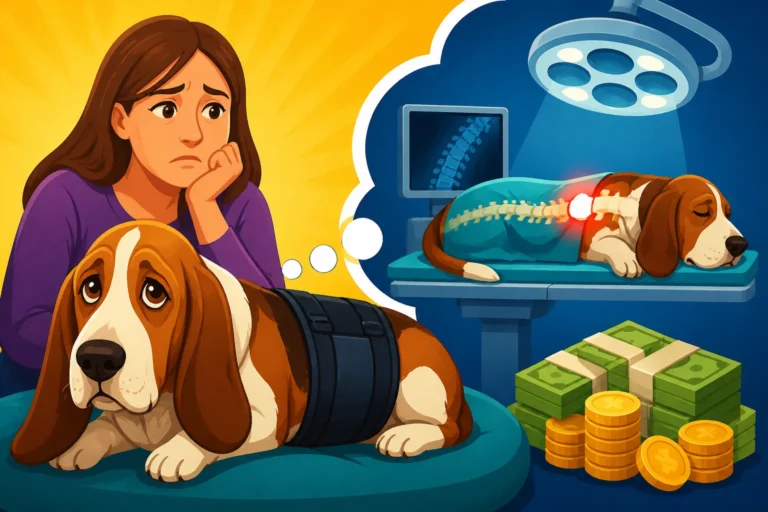
Intervertebral Disc Disease (IVDD) is a major concern for Basset Hounds. This condition involves the cushioning discs between the vertebrae in their spine either bulging or rupturing, pressing on the spinal cord. It can cause immense pain, nerve damage, and even paralysis. Treatment ranges from strict crate rest and medication for mild cases to emergency surgery for more severe situations. Spinal surgery is complex and expensive, followed by intensive physical therapy, and even with successful surgery, there's always a risk of recurrence or new disc issues elsewhere in the spine. Understanding Intervertebral Disc Disease in a Basset Hound is vital for any owner.
Beyond IVDD, Bassets are also susceptible to elbow dysplasia, a condition where the bones of the elbow joint don't fit together correctly. This can lead to pain, lameness, and ultimately, arthritis, often appearing relatively early in their lives. Dogs with elbow dysplasia might need joint supplements, anti-inflammatory medications, and in some cases, surgery. It's a condition that can seriously impact their quality of life and your finances. Elbow Dysplasia in a Basset Hound is something many owners face, and it's not a cheap fix. These structural predispositions mean that by the time your Basset is older, you're almost certainly dealing with some degree of Arthritis in a Basset Hound at Seven.
Those Beautiful, Troublesome Eyes and Other Surprises
Those famously mournful eyes of a Basset Hound are captivating, but their structure can also lead to a variety of ocular issues. Conditions like entropion (where the eyelid rolls inward, causing eyelashes to rub against the eye) and ectropion (where the eyelid rolls outward, exposing the delicate inner membrane) are common. Both can lead to chronic irritation, infections, and require surgical correction. Then there's glaucoma, a painful condition caused by increased pressure within the eye, which can lead to blindness if not managed aggressively. Early detection and treatment, often with lifelong eye drops and potentially surgery, are critical. Knowing The Glaucoma a Basset Hound Inherits and Whether a Basset Hound Goes Blind From Glaucoma can be heartbreaking and costly.
Beyond these common issues, Basset Hounds, like any breed, can face unexpected accidents, ingest something they shouldn't, or develop other illnesses such as cancer in their later years. The combination of their specific breed predispositions and the general unpredictability of pet health means that a substantial vet bill isn't a matter of "if," but often "when." This reality makes many Basset Hound owners seriously consider the value of pet insurance.
Deciphering the World of Pet Insurance for Your Basset Hound
When you start looking into pet insurance, it can feel like you're trying to read a foreign language. There are so many terms, different types of coverage, and exclusions to wrap your head around. But understanding the basics is key to deciding if it's the right fit for you and your low-rider friend.
What Pet Insurance Really Covers (and What It Usually Doesn't)
Most pet insurance policies are designed to help with the costs of unexpected veterinary care. Think of it like health insurance for people, but with some significant differences. Generally, policies fall into a few categories:
- Accident-Only Plans: These are the most basic and usually the most affordable. They cover treatments for injuries resulting from accidents – think broken bones from a fall, cuts from stepping on something sharp, or injuries sustained from a car accident. They do not cover illnesses.
- Accident & Illness Plans: This is the most popular type of policy and offers comprehensive coverage. It covers accidents (like above) and a wide range of illnesses, including those chronic conditions Basset Hounds are prone to, such as ear infections, IVDD, glaucoma, allergies, and even cancer. This is typically what people mean when they talk about "pet insurance." Many providers like Healthy Paws offer robust accident & illness coverage.
- Wellness Plans/Riders: Some companies offer optional add-ons or separate wellness plans that cover routine and preventative care, like annual exams, vaccinations, heartworm medication, and sometimes even dental cleanings. These are usually a separate cost and might not always be the most cost-effective, depending on your vet's prices and the plan's coverage limits.
What's typically not covered? Generally, pre-existing conditions are excluded (more on that in a moment). Elective procedures (like tail docking if not medically necessary), cosmetic surgeries, and sometimes breeding-related costs are also often not covered. It's crucial to read the fine print of any policy you consider to understand exactly what is and isn't included.
The Nuts and Bolts: Deductibles, Reimbursement, and Annual Limits
These are the three big terms you'll encounter and they directly impact how much you pay and how much the insurance pays out:
- Deductible: This is the amount of money you have to pay out-of-pocket for covered veterinary services before your insurance company starts to reimburse you. It's usually an annual amount. For example, if you have a $250 deductible, you pay the first $250 of covered vet bills each year, and then your insurance kicks in. You can often choose your deductible level – a higher deductible usually means a lower monthly premium, and vice-versa.
- Reimbursement Percentage: This is the percentage of the covered vet bill that the insurance company will pay back to you after you've met your deductible. Common percentages are 70%, 80%, or 90%. So, if you have an 80% reimbursement and a $1,000 covered vet bill (after your deductible is met), the insurance company would pay you $800.
- Annual Limit: Many policies have a maximum amount they will pay out in a policy year. This could be a set dollar amount (e.g., $10,000 per year) or unlimited. Unlimited plans often have higher premiums but offer significant peace of mind for catastrophic illnesses or multiple major incidents in one year.
Understanding how these three work together is essential for comparing policies from different providers.
Common Exclusions and Waiting Periods: The Big Caveat
Here's where many people get tripped up:
- Pre-Existing Conditions: This is perhaps the most critical exclusion. A "pre-existing condition" is any illness or injury that your Basset Hound showed signs of before your policy's effective date or during the waiting period. If your Basset already has chronic ear infections, for instance, a new policy likely won't cover treatment for those specific ears. This is why it's so often recommended to get pet insurance when your Basset Hound is a puppy or young adult, before any major health issues arise. Even something seemingly minor, like a limp that resolved itself, could be considered pre-existing if documented in vet records.
- Waiting Periods: All pet insurance policies have waiting periods – a specific amount of time after you purchase the policy before certain coverages become active. There's usually a waiting period for accidents (often just a few days) and a longer one for illnesses (typically 14-30 days). Some policies also have extended waiting periods for orthopedic conditions, like IVDD or elbow dysplasia, which can be several months long. You need to be fully aware of these periods because if your Basset Hound gets sick or injured during a waiting period, it won't be covered.
When exploring options, make sure you clarify what a potential provider like Chewy's insurance plans considers a pre-existing condition and what their waiting periods are, especially for breed-specific issues like those affecting your Basset's back or elbows.
Is It a Lifeline or Just Another Bill? Weighing the Value of Insurance
Deciding whether pet insurance is "worth it" for your Basset Hound is a deeply personal financial decision. There's no universal right or wrong answer, as it depends on your individual circumstances, risk tolerance, and peace of mind.
The Case for Peace of Mind
For many Basset Hound owners, the primary benefit of pet insurance isn't just about saving money in the long run, but about the immense peace of mind it provides. When your beloved Basset is suddenly limping, develops a concerning cough, or wakes up with a swollen eye, your first thought is their well-being, not the potential cost of treatment.
With a good insurance policy in place, you can make medical decisions based on what's best for your dog, rather than being agonizingly limited by what you can afford. Imagine facing an emergency spinal surgery for IVDD, knowing it could cost many thousands of dollars. Without insurance, that financial burden could force you to make impossible choices. With insurance, you know a significant portion of that bill will be reimbursed, allowing you to greenlight necessary, life-saving (or life-improving) care without crippling debt. This emotional relief and the ability to say "yes" to critical treatments without hesitation is invaluable to many pet parents.
The "Self-Insurance" Alternative
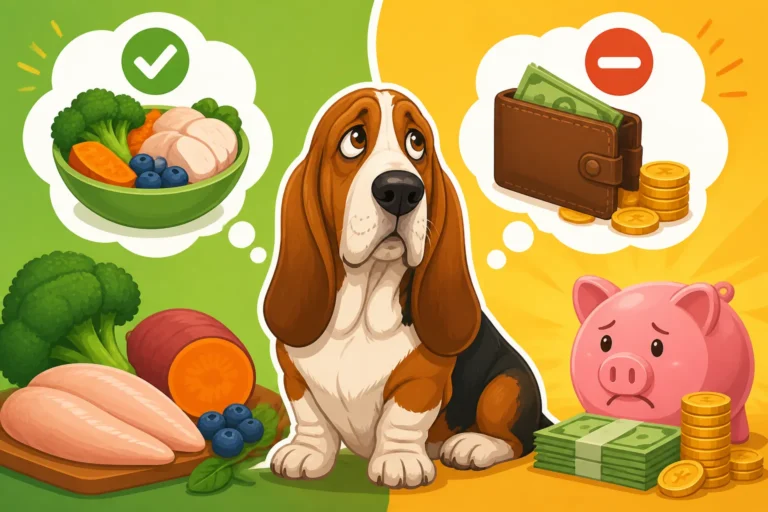
Some owners opt to "self-insure" their pets. This means instead of paying monthly premiums to an insurance company, they regularly put that same amount (or more) into a dedicated savings account, specifically for vet emergencies.
Pros of Self-Insurance:
- You control the money: The funds are always yours, not tied up in a policy.
- No exclusions: You can use the money for anything your Basset Hound needs, including pre-existing conditions (if you started saving before they developed) or routine care.
- Potential for leftover funds: If your Basset Hound turns out to be remarkably healthy, you'll have a nice chunk of savings at the end of their life.
Cons of Self-Insurance:
- Requires discipline: You must consistently save, and you must resist dipping into that fund for other expenses.
- No immediate large sum: What if your Basset needs a $5,000 surgery just a few months after you start saving? Your fund won't be large enough. This is the biggest risk.
- Potential for temptation: It can be easy to spend those savings on something else, leaving you vulnerable when an emergency strikes.
This approach works best for individuals who are highly disciplined savers and have enough liquid assets to cover a major emergency if it happens before their self-insurance fund has grown sufficiently.
When Insurance Might Not Be the Right Fit
Pet insurance isn't a silver bullet for everyone. There are situations where it might not be the most advantageous choice:
- High premiums for older dogs or dogs with pre-existing conditions: If your Basset Hound is already older or has multiple documented health issues, premiums can be very high, or those specific conditions might be excluded. At that point, the cost might outweigh the potential benefit.
- You're an excellent, disciplined saver: If you genuinely have an emergency fund of several thousand dollars specifically set aside for your Basset's vet care, and you continually replenish it, you might be able to effectively self-insure.
- Low utilization: Some years, your Basset might only need their annual check-up. If you're consistently paying premiums and never making claims, it can feel like wasted money. However, this is the very nature of insurance – you pay for protection against the unknown.
- Budget constraints: If the monthly premium stretches your budget too thin, it might create financial stress rather than alleviate it. It's important to find a balance where the insurance truly feels like a safety net, not a burden.
It's helpful to compare various providers. Companies like Ollie, known for their fresh dog food, might also partner with insurance providers or offer insights into managing overall pet health costs, which indirectly plays into the insurance decision.
Here's a quick comparison of the two main approaches:
| Feature | Pet Insurance | Self-Insurance (Savings Account) |
|---|---|---|
| Immediate Funds | Provides access to large sums quickly after deductible | Funds grow over time, may not be sufficient early on |
| Cost Predictability | Fixed monthly premium (can increase with age/claims) | Variable: only pay when vet bills arise, but can be huge |
| Control of Funds | Insurance company holds funds, you claim reimbursements | You control the funds 100% |
| Pre-Existing Conditions | Generally excluded | Can be covered if funds are accumulated before condition |
| Discipline Required | High discipline to pay premiums consistently | Extremely high discipline to save and not touch funds |
| Peace of Mind | High, knowing major costs are covered | Lower initially, grows as savings accumulate |
Making the Call: Tailoring the Decision to Your Basset Hound and Your Wallet
The decision boils down to a blend of your Basset Hound's specific circumstances, your financial situation, and your personal comfort level with risk.
Assessing Your Basset Hound's Individual Risk
Think about your Basset Hound. How old are they? Have they had any health issues documented by a vet already? Are they from a breeder who performed The Health Tests a Basset Hound Breeder Should Run for conditions like glaucoma or elbow dysplasia? A young, healthy Basset from health-tested parents likely has fewer pre-existing conditions, making insurance more comprehensive and potentially more valuable. An older Basset, or one with a history of recurring problems, might find insurance premiums prohibitively high or have many exclusions.
Also, consider their lifestyle. Is your Basset an adventurous explorer prone to mischief? Or a couch potato who rarely leaves the yard? While all Bassets carry some inherent health risks due to their conformation, a more active or less supervised dog might have a higher risk of accidents.
Crunching Your Personal Numbers
Before committing to a policy, sit down and honestly evaluate your financial situation.
- What's your emergency fund like? Do you already have several thousand dollars specifically set aside for your dog's emergencies that you wouldn't hesitate to use? If so, you might lean towards self-insuring. If not, insurance becomes a much stronger consideration.
- What can you comfortably afford monthly? Look at your budget. What kind of monthly premium is sustainable without causing stress? Remember to factor in potential increases as your dog ages.
- What's your risk tolerance? Are you someone who would rather pay a predictable monthly fee for protection, even if you don't use it every year? Or are you comfortable with the possibility of a huge, unexpected bill if it means saving on premiums in healthy years?
Think about the lifetime cost of a Basset Hound. When you consider What a Basset Hound Costs a Year to Keep, veterinary care, whether insured or not, is a major component.
Exploring Your Options and Getting Quotes
If you decide to explore pet insurance, don't just pick the first company you see.
- Get multiple quotes: Rates and coverage can vary wildly between providers. Get quotes from at least three different companies. When you get quotes from providers like Healthy Paws, Chewy (through their pet insurance partners), or Ollie (if they offer/partner on insurance), pay close attention to the deductible options, reimbursement percentages, and annual limits.
- Read sample policies: Don't just look at the summary. Request a sample policy document and read the exclusions carefully, especially regarding orthopedic issues, ear infections, and eye conditions, given your Basset Hound's breed-specific risks.
- Check customer reviews: Look for reviews specifically from Basset Hound owners, if possible, to see their experiences with claims processing and customer service.
- Understand waiting periods: Be crystal clear on the waiting periods for accidents and illnesses, and any extended periods for specific conditions.
Ultimately, choosing whether to insure your Basset Hound is about balancing financial preparedness with emotional peace of mind. Given the breed's predispositions to costly health issues, many Basset Hound owners find that pet insurance is indeed a worthwhile investment, providing a crucial safety net that allows them to focus on giving their beloved companion the best possible care, no matter what surprises life (or their unique conformation) throws their way.
Disclaimer
This article is for general informational purposes only and does not constitute professional advice. Laws, prices and regulations vary by location and change over time. Consult a qualified professional for guidance on your specific situation.