Teaching a Basset Hound to Tolerate Ear Cleaning
If you’re a Basset Hound owner, you know the struggle: trying to clean those beautiful, long ears often feels less like a routine grooming task and more like a wrestling match with a very determined, very vocal hound. It’s frustrating when you know it's for their own good, but your Basset acts like you're trying to commit a cardinal sin. This comprehensive guide is here to walk you through a gentle, patient approach to teaching your beloved Basset Hound to not just tolerate, but perhaps even enjoy, their regular ear cleaning sessions.
Understanding Why Ear Cleaning is Such a Battle
It's easy to feel like your Basset is just being stubborn, but there are often very real reasons behind their resistance to ear cleaning. Understanding these can help you approach the task with more empathy and a better strategy.
The Basset Hound's Unique Ear Anatomy and Sensitivity
Basset Hounds are famous for those long, velvety ears, but what makes them so iconic also makes them incredibly prone to problems and sensitive to handling. Imagine having a heavy curtain over your ear canal all the time. That's essentially what your Basset experiences. These long ear flaps, or "leathers," hang low, covering the ear canal and creating a warm, moist environment that's just perfect for bacteria and yeast to thrive. This inherent design means that a Basset Hound's ears are more susceptible to infections and discomfort than many other breeds.
Beyond the length, the internal structure of a Basset's ear canal is often quite narrow and L-shaped, making it difficult for air to circulate and for debris or moisture to escape naturally. This isn't just a nuisance; it means their ears can become easily irritated or even painful. When you try to clean an ear that is already a little sensitive, or has a developing infection, your Basset's reaction isn't just defiance—it's often a genuine response to discomfort or anticipation of pain. They learn very quickly that ear handling equals an unpleasant sensation, and who can blame them for wanting to avoid that? This is why Why a Basset Hound's Ear Canal Never Dries is a perpetual concern for owners.
Past Negative Experiences and Associative Learning
Dogs, much like us, are creatures of habit and association. If your Basset Hound's first experiences with ear cleaning were startling, painful, or overly forceful, they've likely formed a strong negative association. Maybe a quick, cold squirt of cleaner caught them off guard, or perhaps they had an ear infection as a puppy that made any touch excruciating. These early incidents can leave a lasting impression, creating a deep-seated fear or aversion to the entire process.
It's classic associative learning: ear touching leads to discomfort, therefore ear touching is bad. Even if the ear is perfectly healthy now, the memory of past pain or startling sensations can trigger an immediate defensive reaction. This isn't about being "stubborn"; it's a protective mechanism. They're trying to communicate, in the best way they know how, that this is an activity they find unpleasant and potentially threatening. This is particularly true if they've ever experienced The Ear Infections That Never Really Leave a Basset Hound, which can make them very wary.
The Lack of Early Socialization and Handling
Sometimes, the root of the problem isn't a bad experience, but simply a lack of any experience. If a Basset Hound puppy wasn't regularly handled, touched, and exposed to gentle grooming practices from a young age, they might naturally resist any invasive procedures. This often falls under the umbrella of puppy socialization. Puppies who are routinely touched on their paws, ears, tail, and mouth tend to be far more cooperative when they need actual grooming or veterinary care.
Without this foundational conditioning, an adult Basset Hound may perceive ear cleaning as an unexpected and unwanted intrusion into their personal space. They haven't learned that human hands can be gentle and that handling can lead to positive outcomes (like treats!). This gap in early handling means you're essentially starting from scratch, trying to undo years of natural apprehension. It takes patience, consistency, and a deliberate effort to teach them that ear handling can be a neutral, or even pleasant, part of their routine. Getting a Basset Hound Used to Ear Handling as a Puppy is truly key for preventing these issues down the line.
Setting the Stage for Successful Ear Care
Before you even think about grabbing that ear cleaner, it's crucial to set up an environment and a routine that signals safety, calm, and positive outcomes for your Basset. This foundational work makes all the difference.
Creating a Positive Environment and Routine
Think about it from your Basset's perspective: if ear cleaning only happens when they're already anxious or when you're rushing, it's never going to be a good experience. The first step is to establish a calm, consistent environment. Choose a quiet time of day when you're not stressed and your Basset isn't overly excited or sleepy. A specific spot in your home – maybe a cozy corner or a designated mat – can become "the ear cleaning spot." This predictability helps them understand what's coming and reduces anxiety.
The routine itself should be predictable and consistent. Maybe it's every Sunday morning after breakfast, or Tuesday and Friday evenings. Knowing when it's going to happen helps them mentally prepare. Always have high-value treats ready, because these sessions are going to be a positive experience, not a chore. The goal is to make the entire process feel like a non-event, or even something they look forward to because of the rewards involved. This consistent ritual is a core part of The Twice Weekly Ear Ritual a Basset Hound Owner Signs Up For.
Essential Tools for Gentle Ear Cleaning
Having the right tools is paramount, and it's not just about the cleaner itself. You need everything at your fingertips to make the process as smooth and comfortable as possible. First, the ear cleaner: consult your vet for a gentle, pH-balanced, non-irritating solution designed for dogs. Harsh cleaners can cause stinging or irritation, instantly reinforcing negative associations. You can find a good selection of vet-approved ear cleaners and soft cotton balls on platforms like Amazon, making it easy to get what you need delivered right to your door.
Beyond the cleaner, you'll need plenty of soft cotton balls or gauze pads, not cotton swabs, which can push debris deeper into the ear canal or damage delicate structures. A towel is useful for catching excess cleaner and providing a sense of security. And, of course, your highest-value treats – think small pieces of cooked chicken, cheese, or specialized training treats that your Basset absolutely adores. Having all your supplies ready before you start prevents fumbling and prolongs the process, which can increase your dog's anxiety. When choosing, consider Which Ear Cleaner Suits a Basset Hound to ensure it's suitable for their sensitive ears.
Building Trust and Desensitization Through Touch
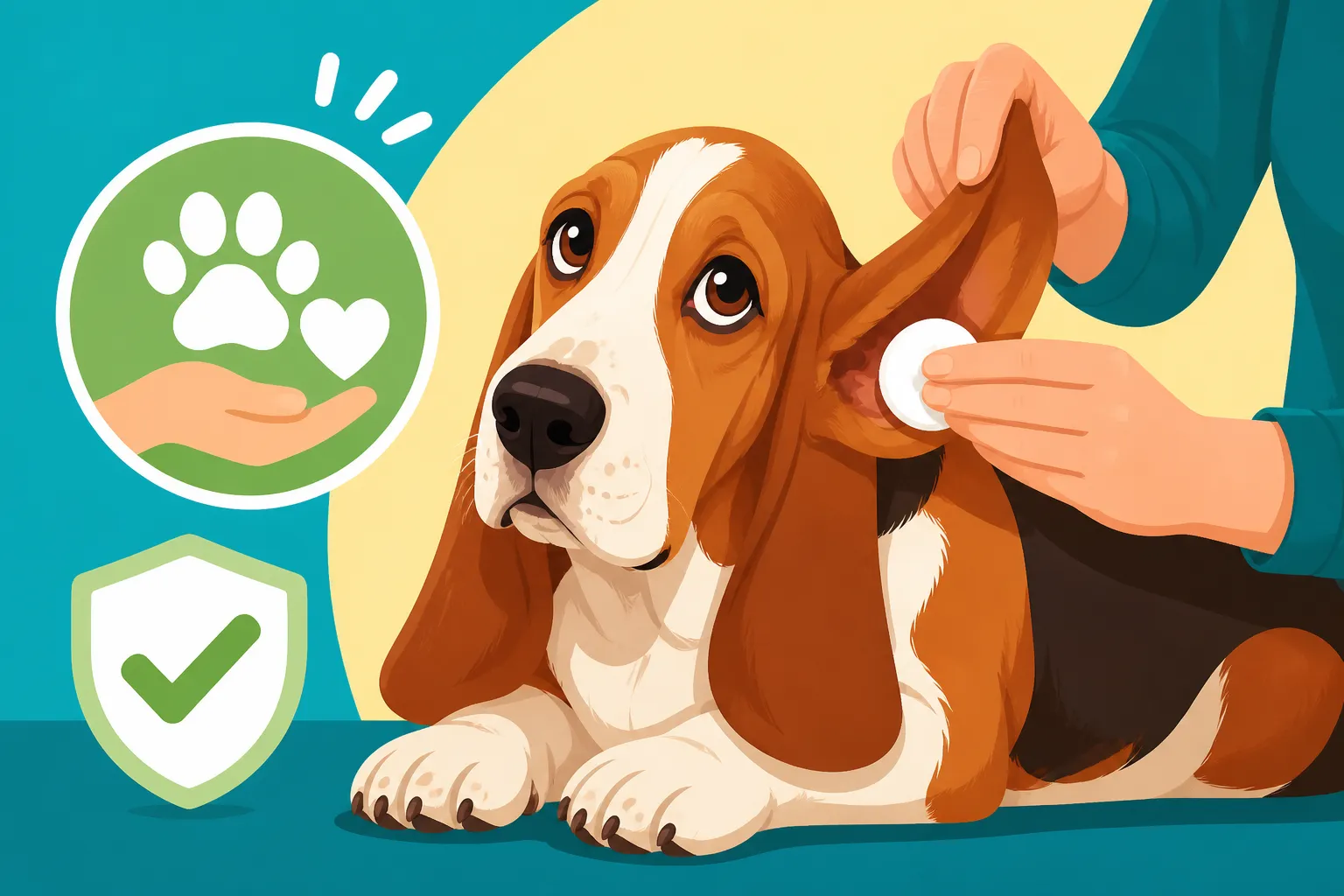
Before you introduce any liquid cleaner, your primary goal is to teach your Basset Hound that having their ears handled is a good thing. This starts with a process called desensitization. Begin with very light, non-threatening touch. When your Basset is relaxed, simply reach out and gently stroke their ear flap while offering a treat. Don't try to lift the ear or look inside yet. The moment your hand touches the ear, a treat appears.
Repeat this many times a day, for short durations. The key is to keep it brief and positive, always ending on a good note. Gradually, you can progress to lifting the ear flap for a split second, giving a treat, and then releasing. As they become more comfortable, you can gently massage the base of the ear, again pairing it with treats. This isn't about cleaning yet; it's purely about building a positive association with touch. If they pull away, don't force it. Just go back to a simpler step they were comfortable with. This step-by-step approach is crucial for breeds like the Basset who might be naturally wary, or have developed resistance.
The Step-by-Step Desensitization Process
Now that you've established a positive environment and begun building trust, it's time to incrementally introduce the elements of ear cleaning. Remember, patience is your superpower here.
Phase 1: Touching and Rewarding the Ears Without Cleaner
This phase is all about making ear handling a truly neutral, or even enjoyable, experience without any of the actual "cleaning" components yet. Your goal is to associate the act of touching and manipulating the ear with positive rewards. Start with your Basset in a calm, relaxed state, perhaps after a walk or a gentle play session. Sit beside them and begin by simply stroking their ear flaps. The moment your hand touches the ear, say a cheerful "yes!" or click a clicker, and immediately give a high-value treat.
Repeat this a few times, then take your hand away. Keep sessions very short – just a few seconds at first. As your Basset accepts this, gradually increase the duration and intensity of the touch. Move from simply stroking the outside of the ear to gently lifting the ear flap, peeking inside for a second, and then quickly rewarding. Don't forget to gently massage the base of their ear. This helps them get used to the feeling that will accompany the cleaner. If at any point your Basset shows discomfort or tries to pull away, stop, reset, and go back to a step they were comfortable with. The idea is to never push them past their comfort level, ensuring every interaction is positive. You might even want to try practicing these steps on different days to ensure consistency and reinforce the positive associations.
Phase 2: Introducing the Cleaner and Sound Without Application
Once your Basset is completely comfortable with you handling and looking inside their ears, it's time to introduce the actual ear cleaner, but without putting it in their ear. This phase addresses the novelty of the bottle, its smell, and especially the sound it makes when squeezed, which can be quite startling. Start by simply showing your Basset the bottle, letting them sniff it, and immediately giving a treat. Repeat this several times.
Next, hold the bottle near their ear, squeeze it outside the ear canal so they hear the sound of the liquid squirting, and then immediately reward them with a treat. Do not aim for the ear yet. The goal is to associate the visual of the bottle and the distinct squeezing sound with something wonderful. You want them to think, "Oh, that sound means delicious treats are coming!" Practice this repeatedly over several sessions, gradually bringing the bottle closer to their ear during the squeeze, always followed by a reward. This helps them desensitize to the sensation and the potential surprise of the liquid. It's about slowly breaking down each element of the cleaning process so no part is a shock.
Phase 3: The Gentle Wipe and Gradual Cleaning
You've built a strong foundation, and now it's time for the actual cleaning, in tiny, manageable steps. Begin by taking a cotton ball soaked with the vet-approved ear cleaner. Don't squeeze it into the ear canal yet. Instead, gently wipe the outer visible parts of the ear flap and the entrance to the ear canal. The moment you make a single, gentle wipe, offer a high-value treat and praise. Do one wipe, one treat. Then, end the session.
Over subsequent sessions, you can gradually increase the duration and depth of the wipe. Once they tolerate wiping the visible parts with a soaked cotton ball, try a tiny squirt of cleaner into the ear canal, immediately followed by massaging the base of the ear, and then a generous reward. The massaging helps distribute the cleaner. Then, let them shake their head (be ready with your towel!) and follow up with a gentle wipe and more treats. Keep these sessions brief and positive. If your Basset enjoys licking treats from a tube, like peanut butter or cheese spread, you can use this as a continuous distraction while you perform a squirt and massage. This keeps their mind occupied and associates the entire event with something pleasurable. Remember, consistency is key, and you'll want to integrate this with How Many Times a Week a Basset Hound's Ears Need Flushing to ensure proper hygiene.
Overcoming Common Challenges and Setbacks
Even with the best intentions and a solid plan, you might hit some bumps in the road. It's completely normal, and understanding how to navigate these challenges is part of being a Basset Hound parent.
Dealing with Resistance and Fear
If your Basset Hound actively resists, growls, pulls away violently, or tries to bite, it's a clear signal that you've pushed too far, too fast, or that their fear is deeply ingrained. In such cases, forcing the issue will only make things worse and can damage your relationship with your dog. First, take a step back. Re-evaluate which step in the desensitization process caused the reaction and return to a stage where they were completely comfortable. Break down each micro-step even further. Instead of just "touching the ear," it might be "hand near ear," then "fingertip touches ear," each paired with a treat.
Consider using a muzzle if there's any risk of biting, but introduce the muzzle positively and gradually, too, never as a punishment. If the resistance is severe or persistent, it's a sign that you might need professional help. A certified professional dog trainer, particularly one specializing in cooperative care or force-free methods, can assess your specific situation and provide tailored guidance. They can help you implement safe and effective counter-conditioning techniques. Online training programs, such as those from BAXTER & Bella, often have specific modules dedicated to cooperative care and handling, which can be incredibly helpful for structured, consistent guidance from home.
Managing Pain and Underlying Ear Issues
It’s crucial to distinguish between a Basset Hound that dislikes ear cleaning and one that is experiencing genuine pain. If your dog suddenly starts resisting, or their resistance escalates, pain is a very real possibility. Look for other signs like head shaking, scratching at their ears, a foul odor, redness, swelling, or discharge coming from the ear canal. These are all indicators that an ear infection or other issue might be brewing.
Attempting to clean an infected or painful ear will only worsen their fear and discomfort. If you suspect pain, the absolute first step is a visit to your veterinarian. They can diagnose any underlying conditions, prescribe medication (like ear drops to reduce inflammation or antibiotics for infection), and help manage the pain. Once the medical issue is under control and the pain subsides, you can then restart the desensitization process from a point of comfort. Trying to push through pain is unfair to your Basset and counterproductive to your training goals. Always be aware of The Signs a Basset Hound's Ear Has Gone Bad.
Maintaining Consistency and Patience Long-Term
Desensitization and positive reinforcement are not one-and-done solutions; they are ongoing commitments. Basset Hounds, with their unique ear anatomy, often require lifelong ear care, meaning this training is a continuous process. Consistency is paramount. Don't just practice ear handling when it's time for a full cleaning. Incorporate short, positive ear touches and rewards into your daily interactions, even if it's just a quick pat and a treat. This keeps the positive association fresh and reinforces that ear handling is a normal, non-threatening part of their life.
Patience is equally vital. There will be days when your Basset is less cooperative, or you feel frustrated. On those days, it's okay to take a break. Push yourself too hard, and you risk undoing all your hard work. Celebrate small victories, like a longer duration of calm ear touching or a less intense reaction to the cleaner. Remember that you're building trust and teaching a vital life skill. This isn't a race; it's a journey, and your consistent, gentle efforts will pay off in a happier, healthier Basset Hound who is more comfortable with the care they need. Whether a Basset Hound Needs Ear Drops for Life can sometimes be the case, making this training even more critical.
Incorporating Training Techniques and Resources
Beyond the practical steps, leveraging effective training methodologies and knowing when to seek additional help can dramatically improve your success.
Positive Reinforcement and High-Value Rewards
Positive reinforcement is the cornerstone of teaching your Basset Hound to tolerate ear cleaning. It's about rewarding desired behaviors, making them more likely to occur again. For ear cleaning, this means pairing every step of the process – from a simple touch to a full cleaning – with something your Basset loves. The "high-value" part is crucial. This isn't the time for ordinary kibble. Think gourmet: bits of hot dog, cheese, cooked chicken, or a lickable treat like peanut butter (xylitol-free, of course!).
The timing of the reward is also critical. It needs to be immediate – within 1-3 seconds of the desired behavior. This helps your Basset clearly understand what they are being rewarded for. If you delay, they might associate the treat with something else they did in the interim. Keep sessions short and fun. If you sense your Basset is getting stressed or bored, end on a positive note with a final treat and try again later. The goal is to make ear cleaning synonymous with receiving something fantastic. You want them thinking, "Oh, ear touch means YUM!"
Utilizing Professional Guidance and Online Programs
Sometimes, despite your best efforts, you might encounter significant resistance or fear. This is where professional guidance becomes invaluable. A certified professional dog trainer, especially one who uses positive, force-free methods and has experience with cooperative care, can provide hands-on help. They can assess your dog's body language, pinpoint specific triggers, and guide you through advanced desensitization and counter-conditioning techniques. They can also teach you proper handling techniques that minimize stress for your Basset.
For those who prefer a structured, self-paced approach, online training programs can be a fantastic resource. Many reputable programs, like those offered by BAXTER & Bella, include comprehensive modules on grooming and cooperative veterinary care. These programs often provide step-by-step videos, printable guides, and community support, which can be incredibly helpful for breaking down complex tasks like ear cleaning into manageable steps. They can teach you how to read your dog’s subtle signals of stress or comfort, empowering you to adjust your approach for maximum success. This kind of structured support can make all the difference in achieving long-term success.
Finding the Right Products
The market is flooded with ear care products, and choosing the right ones is a key part of setting your Basset Hound up for comfortable ear care. As mentioned earlier, your vet is your best resource for recommending a specific ear cleaner that is gentle, effective, and appropriate for your Basset's needs. Look for cleaners that are non-stinging, drying (to combat that moist ear canal environment), and free from harsh chemicals. Ingredients like witch hazel, salicylic acid, or even just a simple saline solution might be recommended.
For tools, soft cotton balls or gauze pads are essential. Avoid cotton swabs unless specifically instructed by your vet for cleaning only the outermost folds, as they can push debris deeper into the ear or damage the eardrum. You might also consider specific ear wipes for quick, surface cleanings between deeper flushes. Browsing a wide selection of these products is easy on platforms like Amazon, where you can read reviews and compare options, ensuring you're getting vet-approved and Basset-friendly items. Having high-quality, comfortable tools contributes significantly to a positive experience for both you and your Basset.
Desensitization Stages for Ear Cleaning
Here's a quick overview of the desensitization process, broken down into manageable stages, focusing on rewarding comfort at each step.
| Stage | Action | Basset's Goal | Your Action | Reward |
|---|---|---|---|---|
| 1. Gentle Touch | Stroke outer ear flap, brief touch, then release. | Remain still, no reaction. | Touch ear, immediately "yes!"/click and treat. | High-value treat (e.g., small piece of cheese) |
| 2. Ear Lift | Gently lift ear flap for 1-2 seconds, expose canal entrance. | Allow flap to be lifted calmly. | Lift ear, immediately "yes!"/click and treat. | High-value treat + verbal praise |
| 3. Ear Base Massage | Gently massage base of ear (where cartilage is) for a few seconds. | Relax with ear base massage. | Massage ear base, immediately "yes!"/click and treat. | Lickable treat (e.g., peanut butter) |
| 4. Cleaner Sight/Sound | Show cleaner bottle, let them sniff, then squeeze away from ear. | Remain calm near bottle/sound. | Show bottle/squeeze, immediately "yes!"/click and treat. | Favourite toy or chew |
| 5. Gentle Wipe | Soak cotton ball, wipe outer visible part of ear/entrance. | Allow gentle wipe without resistance. | Wipe, immediately "yes!"/click and treat. | Larger, high-value treat |
| 6. Gradual Application | Tiny squirt of cleaner into ear canal, quick massage. | Accept squirt and massage calmly. | Squirt/massage, immediately "yes!"/click and treat. | Continuous lickable treat (e.g., from tube) |
Disclaimer
This article is for general informational purposes only and does not constitute professional advice. Laws, prices and regulations vary by location and change over time. Consult a qualified professional for guidance on your specific situation.