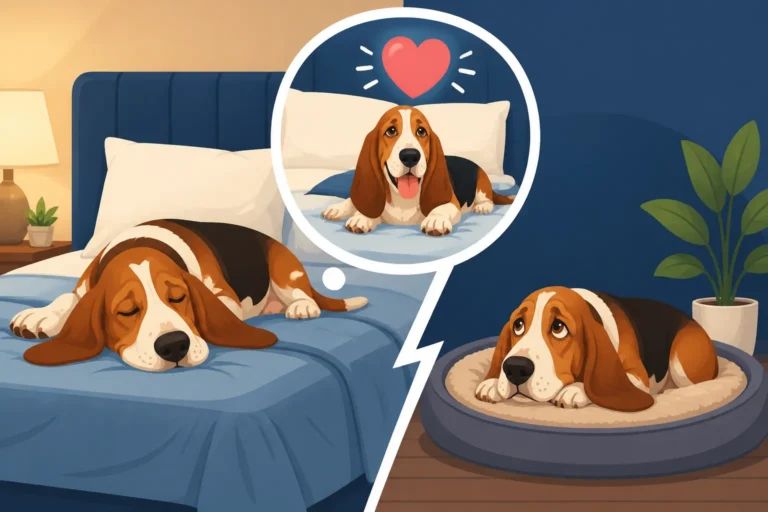
Whether a Basset Hound Lives With Cats
Bringing a new pet into your home is always an exciting time, but if you already have a beloved feline friend and are considering adding a Basset Hound to the family, or vice versa, a common concern quickly emerges: will they ever truly get along? It's a valid worry for many, as the Basset Hound's strong scent drive and historical purpose can sometimes clash with a cat's independent nature. This comprehensive guide will walk you through everything you need to know about successfully integrating a Basset Hound and a cat into the same household, focusing on understanding their innate behaviors and implementing effective introduction and management strategies.
Understanding the Basset Hound's Instincts
Before you even think about introductions, it's crucial to appreciate what makes a Basset Hound tick. These wonderful dogs are unique, and their natural predispositions play a huge role in how they interact with other animals, especially those that might trigger their prey drive.
The Basset Hound's Scent-Driven World
Basset Hounds are, first and foremost, scent hounds. Their entire world revolves around their incredible noses. They were bred for centuries to follow a scent trail tirelessly, often with their floppy ears sweeping odors upwards towards their nostrils and their loose skin helping to trap those scents. This profound reliance on scent means that when a Basset Hound catches a whiff of something interesting, the rest of the world often fades away. It's not that they're being disobedient; it's simply their brain prioritizing that irresistible scent. You might find yourself marveling at The Nose That Puts a Basset Hound Second to a Bloodhound. This deep-seated instinct means that the scent of a cat, particularly a new or unfamiliar one, can be incredibly stimulating for a Basset Hound.
It's easy for us humans to misunderstand this behavior as stubbornness or a lack of attention. When your Basset Hound's nose hits the ground, or they catch a scent from across the room, it's like an internal switch flips. Their focus narrows intensely, and everything else, including your voice, can become secondary. This isn't a flaw in their character; it's the very essence of their breed. Understanding this allows us to approach interactions with cats from a place of empathy and proactive management rather than frustration. We need to respect their nature while guiding them toward appropriate behavior.
The Prey Drive: A Historical Perspective
Basset Hounds were originally bred to hunt small game, primarily rabbits and hare. Their low stature allowed hunters on foot to keep up with them, and their meticulous tracking skills ensured they'd eventually find their quarry. This hunting heritage means they possess a natural prey drive. While they are often gentle and laid-back companions in the home, that instinct to pursue and track can be awakened by fast-moving small animals. A cat darting across a room, a twitching tail, or a sudden jump can all trigger this ingrained response in some Basset Hounds.
It's important to differentiate between a high prey drive and aggression. Most Basset Hounds are not inherently aggressive towards cats, but their instinct to chase and "tree" (or corner) can be distressing and dangerous for a cat. This chase behavior isn't about malice; it's about fulfilling an ancient program. For this reason, leaving a Basset Hound and a cat unsupervised, especially during initial stages, can be risky. We want to avoid any situations where the Basset Hound's natural hunting tendencies might lead to a negative interaction.
Individual Variation in Temperament
Just like people, every Basset Hound is an individual. While the breed generally shares a common set of traits, there's a wide spectrum of personalities and prey drives. Some Basset Hounds might have a very low prey drive and show little interest in cats, perhaps even seeing them as part of the family "pack" from the start. Others might have a much stronger drive and require extensive training and management to coexist peacefully. A Basset Hound's upbringing, early socialization, and even genetics play a significant role.
For example, a Basset Hound puppy raised with cats from a very young age will likely have a much easier time integrating than an adult Basset Hound with no prior cat experience. Similarly, a cat who has lived with dogs before might be more tolerant and less prone to bolting than a shy, dog-naive cat. It's crucial not to generalize but to observe the specific personalities of your pets. This personalized approach is key to success. Don't assume anything; assess each animal's reaction and adjust your strategy accordingly.
Introducing a Basset Hound to a Resident Cat
Bringing a new Basset Hound into a home with an existing cat requires a thoughtful and gradual approach. Rushing introductions can set back progress significantly and create lasting tension.
The Importance of Slow, Controlled Introductions
Imagine someone suddenly moving into your house without warning. That's how a cat might feel about a new dog. Slow and controlled introductions are paramount. The goal is to allow both animals to adjust to each other's presence, scents, and sounds without direct, stressful confrontation. This means weeks, sometimes even months, of careful management. One of the biggest mistakes owners make is allowing uncontrolled meetings too soon. This can lead to fear, aggression, or a persistent chase dynamic that is very hard to undo.
Start with scent swapping. Rub a towel on your cat and place it in the Basset Hound's bed, and vice versa. This allows them to become familiar with each other's smell in a non-threatening way. Feed them on opposite sides of a closed door, gradually moving the food bowls closer. This creates a positive association with the other's presence. Remember, patience is your most powerful tool. You’re not just introducing two animals; you’re building a foundation for a shared life, and that takes time.
Creating Safe Zones for Your Cat
For a successful multi-pet household, your cat needs to feel safe and secure. This means creating designated "cat-only" spaces where your Basset Hound cannot access. These safe zones are critical for reducing stress and preventing any unwanted interactions, especially when you can't actively supervise. Think vertically and horizontally. Cat trees are fantastic for providing elevated perches, giving your cat an escape route and a sense of dominance over the ground-dwelling Basset Hound. Gates, especially baby gates or pet gates, can be invaluable. You can use them to block off entire rooms, or even use a cat flap on an interior door to allow feline access while denying dog entry.
Consider placing food, water, and litter boxes in these cat-only areas. This prevents the Basset Hound from eating the cat's food (a common Basset Hound pastime) and gives the cat peace of mind while they eat or use the litter box. You can find a wide variety of pet gates and cat trees on sites like Amazon that can help you set up these crucial safe havens. Having these dedicated spaces helps the cat maintain its independence and sense of security, which is vital for reducing stress during the introduction period.
Supervised Interactions and Positive Reinforcement
Once scent swapping and parallel feeding are going well, you can move to supervised visual interactions. This typically involves keeping the Basset Hound on a leash, or even behind a gate, while the cat is free to come and go. Keep these sessions short, positive, and calm. Reward both animals with high-value treats and praise for calm behavior. If the Basset Hound fixates on the cat or tries to pull, gently redirect their attention with a "leave it" command (if they know it – if not, that's a good one to teach!). If your Basset Hound is overly excited, end the session before it escalates.
The key here is quality over quantity. A few short, positive interactions are far more beneficial than one long, stressful one. Never force interaction. Allow the cat to approach on its own terms, or not at all. You want both animals to associate each other with good things – tasty treats, quiet praise, and a calm environment. Building a strong What Actually Motivates a Basset Hound will be incredibly helpful in these training sessions. If you're struggling with specific training techniques, resources like BAXTER & Bella can offer structured guidance on positive reinforcement.
Introducing a Cat to a Resident Basset Hound
Introducing a new cat to a Basset Hound that already calls your house home also requires careful planning and a similar phased approach to ensure a smooth transition for everyone involved.
Preparing Your Home for the New Feline
Before your new cat even steps paw in the door, you need to prepare the environment. This means setting up a "sanctuary room" for the cat. This dedicated room should have everything the cat needs: food, water, litter box, a scratching post, toys, and a cozy bed. This allows the cat to decompress and feel safe in its new surroundings without the immediate pressure of interacting with the Basset Hound. It’s their safe haven where they can adjust at their own pace.
Ensure this room is completely dog-proof. Consider installing a baby gate or a sturdy door latch that the Basset Hound cannot bypass. Remember to think about escape routes for the cat if any unexpected encounters occur. High shelves or cat trees are great for this. You might even consider purchasing a separate dog bed for your Basset Hound, keeping their space distinctly separate from the cat's initial zone. Being proactive in setting up these separate, secure areas will drastically reduce stress for both animals during the adjustment period.
Gradual Scent and Sight Introductions
Just as with introducing a Basset Hound to a cat, the process starts with scent. Keep the new cat in its sanctuary room for at least a few days, allowing it to settle in and get used to the smells and sounds of your home. During this time, you can swap bedding or towels between the cat and the Basset Hound. This allows them to learn about each other's scent without the pressure of a face-to-face meeting. Feed both pets on opposite sides of the closed sanctuary door, reinforcing positive associations with the other's presence.
Once they seem comfortable with each other's scent, you can move to brief, controlled visual introductions. Use a barrier, such as a secure pet gate or a cracked door held by a doorstop, to allow them to see each other. Keep the Basset Hound on a leash, or ensure they are confined to another room, while the cat has the option to observe from a distance or retreat. Again, these sessions should be short, positive, and always supervised. Reward calm behavior in both animals. If the Basset Hound starts to bark excessively or shows intense interest, redirect their attention with a toy or a training command like "sit" or "stay." Understanding How Long a Basset Hound Will Train For can help set realistic expectations for these sessions.
Managing Expectations and Patience
It's vital to have realistic expectations. Not every Basset Hound and cat will become best friends who cuddle together. For many, peaceful coexistence – where they tolerate each other's presence without stress or conflict – is a huge success. Some pairs might take weeks, others months, to reach this point. There might be setbacks, a hissed warning, or an overzealous sniff. Don't get discouraged. Revert to an earlier stage of introduction if needed.
Remember that a Basset Hound’s natural tendency to follow its nose can be overwhelming. They might try to sniff the cat relentlessly, which can be irritating or frightening for the feline. Your role is to mediate these interactions, teaching your Basset Hound appropriate boundaries and giving your cat the confidence that you are their protector. Patience is the single most important ingredient in this recipe for harmony. It's a marathon, not a sprint, and celebrating every small victory, like a calm shared glance or a moment of indifference, will keep you going.
Training and Management Strategies for Harmony
Beyond the initial introductions, ongoing training and consistent management are critical for maintaining a peaceful multi-pet household. These strategies focus on reinforcing good behavior and preventing problematic interactions.
Essential Obedience Cues for Basset Hounds
Solid obedience training is your best friend when living with a Basset Hound and a cat. Commands like "leave it," "stay," "come," and "off" are invaluable. "Leave it" is particularly crucial for redirecting your Basset Hound's attention away from the cat, whether they're too interested in sniffing or considering a chase. "Stay" can be used to keep them in place while the cat moves about, teaching them to respect the cat's space. "Come" is important for calling your Basset Hound away from a potentially escalating situation. These commands not only give you control but also help your Basset Hound understand boundaries.
Consistent practice, using high-value treats and positive reinforcement, will make these commands reliable. You want your Basset Hound to respond instantly, even when distractions (like a moving cat) are present. If your Basset Hound is Whether a Basset Hound Is Stubborn or Just Not Interested in training, you might need to find even higher-value rewards or break training sessions into very short, fun bursts. Training should never be punitive, especially when dealing with such sensitive interactions; it should always be about guiding them to the right choice.
Managing Chase Behavior and Predatory Instincts
The natural prey drive in Basset Hounds can manifest as chase behavior towards cats. Preventing this from becoming a habit is key. Never allow your Basset Hound to chase your cat, even in play, especially during the early stages. Each successful chase reinforces the behavior. Use a leash during supervised interactions, especially when the cat is moving, so you can gently correct and redirect your Basset Hound. If the cat runs, immediately interrupt the Basset Hound's pursuit with a firm "leave it" or by stepping between them, then reward them for disengaging.
It's also important to understand Whether a Basset Hound Chases the Cat and why. Often, the cat's running itself is the trigger. Encourage your cat to walk, not run, past the Basset Hound, and provide plenty of vertical escape routes if the cat feels threatened. Consider feeding your Basset Hound from a slow feeder bowl or a puzzle toy to mentally engage them during meal times, reducing their focus on the cat. Consistency in preventing chase behavior is paramount; you're teaching your Basset Hound that cats are not game animals.
Enrichment to Redirect Energy
A bored Basset Hound is more likely to create its own fun, which might unfortunately involve bothering the cat. Providing plenty of mental and physical enrichment for your Basset Hound can significantly help reduce unwanted behaviors. Daily walks are important, even if your Basset Hound is Whether a Basset Hound Refuses to Move sometimes. Structured walks, where they can sniff and explore safely, can be incredibly satisfying for their hound nature. Beyond physical exercise, mental stimulation is vital.
Think about puzzle toys, KONGs stuffed with treats, or scent games like hide-and-seek with their kibble. These activities engage their powerful noses and minds, tiring them out in a healthy way. You could even set up a simple "nose work" activity in the yard, hiding treats for them to find. For those looking for structured online training and enrichment ideas, BAXTER & Bella offers a wealth of resources that can help channel your Basset Hound's energy productively. A well-exercised and mentally stimulated Basset Hound is generally a calmer, more contented dog, less likely to bother a cat. This also helps prevent situations where Whether a Basset Hound Destroys Anything When Bored.
Common Challenges and Troubleshooting
Even with the best intentions and careful planning, challenges can arise when Basset Hounds and cats live together. Knowing how to identify problems and what steps to take can make all the difference.
When Introductions Go Awry
Despite your best efforts, sometimes introductions just don't go smoothly. Maybe your Basset Hound developed an intense fixation on the cat, or the cat became extremely fearful and aggressive. If you find yourself in a situation where the animals are constantly stressed, fearful, or there's an actual incident of chasing or aggression, it's crucial to hit the pause button. Immediately separate them and revert to an earlier stage of introduction, or even back to full separation. This isn't a failure; it's a recalibration.
If your Basset Hound has a strong prey drive and proves difficult to redirect, or if your cat is displaying extreme stress (like hiding constantly, not eating, or exhibiting aggression), you may need to reconsider your approach. It's okay to admit that the current strategy isn't working. Sometimes, it means indefinite management where they are never unsupervised together. Sometimes, it might even mean that the pairing isn't suitable, though this is a last resort. The safety and well-being of both pets are paramount.
Recognizing Stress Signals in Both Animals
Being able to read the body language of both your Basset Hound and your cat is a superpower in a multi-pet household. Recognizing stress signals early can prevent escalation and help you intervene before a negative interaction occurs.
For Basset Hounds, look for:
- Fixation: Staring intently, stiff body, ears forward.
- Stalking: Low, slow movements, tail held stiffly.
- Excessive barking or whining: Directed at the cat.
- Lip licking, yawning, panting: In a non-stressful situation, these can be signs of anxiety.
- "Hard" stare: Wide, unblinking eyes.
For cats, look for:
- Hiding: Constantly seeking refuge, avoiding common areas.
- Hissing, growling, swatting: Clear signs of fear or aggression.
- Piloerection: Hair standing on end, especially on the back.
- Flattened ears: Ears pinned back against the head.
- Tail lashing or tucked: Rapid tail movement can indicate agitation; tucked tail, fear.
- Changes in eating or litter box habits: Stress can manifest as appetite loss or inappropriate elimination.
A thorough understanding of these signals allows you to manage interactions, prevent confrontations, and ensure both animals feel secure.
Seeking Professional Help
If you've tried various introduction and training methods and are still struggling, don't hesitate to seek professional help. A certified professional dog trainer or a veterinary behaviorist can assess your specific situation, observe the interactions, and provide tailored advice and strategies. They can identify underlying issues, help you fine-tune your training techniques, and offer management solutions that you might not have considered.
Sometimes, a fresh pair of eyes from an experienced professional is exactly what’s needed. They can help you with specific commands like Whether a Basset Hound Can Be Taught to Leave It in high-distraction environments. They might recommend specific tools, like a particular type of harness for better control during interactions, or discuss medical interventions if anxiety or fear is a significant factor. Investing in professional guidance can be incredibly beneficial for the long-term harmony of your household.
Long-Term Coexistence and Maintaining Peace
Achieving peaceful coexistence is a wonderful milestone, but it's not a "one and done" situation. Ongoing effort and smart management will ensure your Basset Hound and cat continue to live happily ever after.
Ongoing Supervision and Routines
Even after months or years of peaceful living, it's always wise to exercise a degree of supervision, especially during high-excitement times or when new situations arise. Establish consistent routines for feeding, walks, and playtime. Predictability helps both species feel secure and reduces anxiety. While some Basset Hounds and cats eventually curl up together for naps, it’s generally recommended to not leave them completely unsupervised, especially when you are out of the house.
Consider separating them when you leave home, even if it's just by crating the Basset Hound or putting the cat in a designated safe room. This eliminates any potential for mishaps when you're not there to intervene. Always be mindful of their interactions, even if they seem minor. A small amount of tension left unaddressed can slowly build into bigger problems down the line. Your vigilant supervision remains a key ingredient in their ongoing peace.
Providing Separate Resources
To prevent competition and stress, ensure both your Basset Hound and your cat have their own distinct resources. This includes separate food bowls, water bowls, and sleeping areas. For cats, multiple litter boxes in different, accessible locations are ideal. When it comes to food, feed them in separate rooms or at separate times, especially if your Basset Hound is prone to trying to steal the cat's food. Basset Hounds are notorious for loving food, so separate feeding is a must.
Make sure your cat has high places to retreat to, like tall cat trees or shelves, away from the Basset Hound's reach. These vertical spaces are incredibly important for a cat's sense of security and control. You can find a wide variety of cat trees and specialized cat shelving on Amazon to enhance your feline's sanctuary. Providing ample toys for both, individually, ensures they don't have to compete for attention or entertainment. This separation of resources minimizes potential friction points and gives each animal a sense of ownership and security.
Celebrating Small Victories
Living with a Basset Hound and a cat can sometimes feel like a delicate balancing act, but remember to celebrate every small victory along the way. Did they eat peacefully in the same room? Did your Basset Hound glance at the cat and then calmly look away? Did the cat walk past the Basset Hound without a hiss? These are all signs of progress and deserve acknowledgment. Positive reinforcement isn't just for training; it's for you too!
Every calm interaction, every moment of shared space, reinforces the idea that they can coexist harmoniously. It’s a testament to your patience and dedication. While some Basset Hounds might Whether a Basset Hound Needs a Second Hound of their own kind, many can absolutely thrive in a multi-species home, forming unique and often amusing bonds with their feline companions. Keep up the good work, keep observing, and keep providing a loving, structured environment for all your furry family members.
Here's a quick reference for preparing your home for multi-pet harmony:
| Item | Purpose | For Basset Hound | For Cat |
|---|---|---|---|
| Scent Swapping | Familiarization without direct contact | Rub cat's blanket on Basset Hound's bed | Rub Basset Hound's blanket on cat's bed |
| Safe Zones | Retreat and security | Dedicated crate or dog bed | Sanctuary room, high perches (cat tree, shelves) |
| Feeding Areas | Prevent food guarding/stealing | Separate, quiet spot for meals (maybe a slow feeder) | Elevated feeding station, separate room with a gate |
| Litter Box Placement | Privacy and cleanliness | Not applicable | Multiple boxes in dog-free, quiet areas |
| Barriers | Controlled introductions & separation | Baby gates, closed doors, leash control | Baby gates (with cat access), doorstops |
| Enrichment | Mental & physical stimulation, redirection | Puzzle toys, KONGs, chew toys | Scratching posts, interactive toys, window perches |
| Training | Communication and boundaries | "Leave it," "Stay," "Come," leash manners | Not applicable directly, but positive associations |
Disclaimer
This article is for general informational purposes only and does not constitute professional advice. Laws, prices and regulations vary by location and change over time. Consult a qualified professional for guidance on your specific situation.