How Long a Basset Hound Will Train For
It’s a common scenario: you bring home your adorable Basset Hound puppy, full of dreams of a well-behaved companion, only to find yourself wondering, "Will this dog ever learn?" The truth is, Basset Hounds often have a reputation for being stubborn or slow learners, leaving many owners frustrated about the time commitment required for training. This guide will dive deep into what truly influences how long a Basset Hound will train for, setting realistic expectations, and offering practical strategies to make the journey more successful and enjoyable for both of you.
Understanding the Basset Hound Mindset for Training
Before we even talk about timelines, it’s crucial to understand the unique wiring of a Basset Hound. They aren't like some other breeds that live to please their human; Bassets have a rich history that has shaped their approach to the world, and by extension, their approach to training.
The Scent-Driven World of a Basset Hound
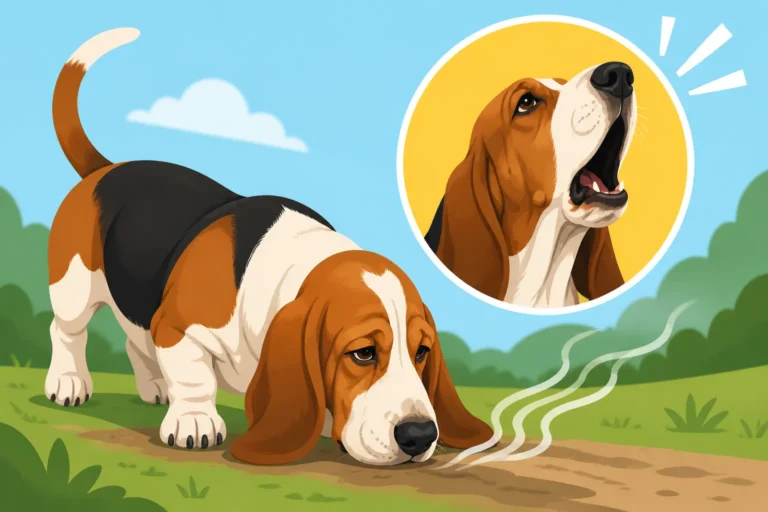
Imagine living in a world primarily experienced through your nose. That's a Basset Hound's reality. Their incredible olfactory senses are their superpower, and it means that a fascinating scent will always, always take precedence over a human voice or a command. It’s not that they don’t hear you, it’s that their brain is literally overwhelmed by the incredible tapestry of smells around them.
When your Basset is on a hot trail, or even just investigating an interesting patch of grass where another dog has been, it’s almost as if a switch flips. Their ears might still be technically functioning, but their brain has re-routed all its processing power to that incredible nose. This profound drive is why training often feels like a battle for attention. You might be asking for a "sit," but your Basset is mentally tracking the squirrel that ran across the yard three hours ago. This isn't naughtiness; it's instinct. Understanding Why a Basset Hound Stops Hearing You When It Smells Something is key to not taking it personally.
Their long, sweeping ears and dewlaps, often seen as quaint breed characteristics, actually serve a very practical purpose in their scenting abilities. They stir up ground scent, pushing it directly towards their powerful noses, enhancing their tracking capabilities even further. This genetic predisposition means that any training regimen must acknowledge and work with, rather than against, this primary drive. Trying to force a Basset Hound to ignore a compelling scent is like asking a human to ignore a blaring fire alarm – it’s almost impossible.
The "Stubborn" Versus "Selective Hearing" Debate
The label "stubborn" gets thrown around a lot when it comes to Basset Hounds, and it’s easy to see why. You give a command, they look at you, maybe even acknowledge you with a slow blink, and then just… don't do it. It feels like defiance, right? But is it truly stubbornness, or something else entirely? Many seasoned Basset owners would argue it's more "selective hearing" or a profound sense of self-preservation of their own interests.
A truly stubborn dog might dig in its heels and refuse to move, even with motivation. A Basset Hound, however, might just decide that your request isn't as appealing as sniffing that lamppost, or perhaps they've calculated that the effort isn't worth the reward you're offering. They aren't trying to be difficult; they're simply weighing their options. Their innate drive is often towards their own satisfaction – a good sniff, a comfy nap, or a tasty treat – rather than external validation from you. This discerning nature means that finding the right motivators is paramount, and it often takes a bit more finesse than with breeds eager to please.
It's less about a direct refusal to obey and more about their inherent priorities. Their training response is heavily influenced by the perceived value of what you're asking them to do versus the myriad of other fascinating things their senses are telling them to pursue. This is why you'll often find yourself having to be more engaging, more interesting, and more rewarding than the environment around them. It's a challenging, but ultimately rewarding, dance.
Their Independent Nature
Basset Hounds were originally bred for hunting game like rabbits and hare in packs, but crucially, they were meant to work somewhat independently. Hunters often followed them on foot, allowing the dogs to methodically trail scents at their own pace. This history means they weren't selected for lightning-fast obedience or intense focus on a human handler's every command. Instead, they were valued for their ability to stick to a trail and their perseverance.
This independent streak is deeply ingrained in their personality. While they are incredibly affectionate and loyal companions, they also possess a mind of their own. They're not the kind of dog that will constantly check in with you or wait for your next instruction. This means that achieving a reliable recall, for example, is notoriously difficult, especially if there's an interesting scent involved. Many owners resign themselves to the reality that The Recall a Basset Hound Will Never Reliably Give You is a significant challenge, requiring careful management and a very strong leash.
Their independent nature doesn't mean they're untrainable; it simply means your approach needs to be tailored to their unique temperament. You'll need to cultivate a relationship built on trust and positive reinforcement, making training a collaborative effort rather than a command-and-obey dynamic. Understanding that they are thinkers, not just followers, will help you adjust your expectations and develop more effective strategies.
Factors Influencing Training Duration
So, if Basset Hounds have this unique worldview, what exactly influences how long it will take to get them trained? The answer isn't simple, as it involves a blend of their inherent traits and your approach as an owner.
Age and Early Socialization
Bringing a Basset Hound puppy home is an exciting time, and often, their earliest training experiences set the stage for everything that follows. Puppies, like human children, have critical developmental periods where they are most receptive to learning and socialization. The earlier you start consistent, positive training, the better.
A Basset Hound puppy that begins house training, crate training, and basic obedience commands from 8-10 weeks of age will generally pick things up faster and more confidently than one started at six months or a year. Their little brains are like sponges, soaking up information, and forming neural pathways. Early positive experiences with people, other dogs, and different environments also build confidence and resilience, which are invaluable for future training. A puppy introduced to various sounds, sights, and textures through a puppy socialization class, for instance, is less likely to be fearful or overly distracted in new situations later on.
However, even if you’ve adopted an older Basset Hound, don't despair! While it might take a bit more time and patience to undo old habits or establish new ones, adult Basset Hounds are absolutely capable of learning. They might just require a more consistent, low-distraction environment initially, and a keen understanding of their past experiences if they come from a rescue situation. For example, a dog that has never been house-trained will likely take longer to become reliable than a puppy learning the ropes for the first time, but with dedication, it's entirely possible. How Long a Basset Hound Puppy Takes to House Train can be a varied journey for each individual pup.
Trainer Consistency and Methods
This is perhaps the biggest factor within an owner's control. Basset Hounds, more than many other breeds, thrive on consistency. If one day "sit" means sitting nicely, and the next day it's okay to stand if you're holding a really good treat, your Basset will quickly learn that the rules are flexible. This ambiguity only prolongs the training process.
Your Basset needs clear, consistent boundaries and expectations every single time. Every family member should use the same commands, the same hand signals, and demand the same level of response. Inconsistent reinforcement is a Basset Hound's best friend because it teaches them to try different behaviors until they stumble upon the one that gets them what they want – which is often not the desired command.
The methods you use also play a huge role. Harsh corrections or punishment-based training are rarely effective with Basset Hounds. They tend to shut down, become resistant, or simply decide you're not worth engaging with. Positive reinforcement, using high-value rewards (and believe me, food is often their love language!), works wonders. It builds a positive association with training and with you, making them more willing participants. For those looking for structured guidance, platforms like BAXTER & Bella offer online training programs that can provide consistency and support, helping owners navigate the nuances of positive reinforcement from the comfort of their home. These resources can be invaluable for ensuring everyone in the household is on the same page, which is crucial for Bassets.
Individual Basset Hound Personality
While Basset Hounds share many breed characteristics, they are still individuals, each with their own unique personality quirks. Just like people, some Bassets are naturally more laid-back, others are more energetic, and some might be more inclined to please their humans than others. This individual variation directly impacts how long training takes.
You might have one Basset who, for a Basset, is surprisingly eager to learn new tricks and delights in showing off their newfound skills. Another might be content to observe the world from the comfort of their bed, requiring significant coaxing and motivation to participate in even the shortest training session. Their energy levels, attention span, and intrinsic motivation will all vary. Some may pick up on cues quickly but be slow to generalize them to new environments, while others might take longer to grasp the initial concept but then apply it broadly with ease.
For example, I once knew two Basset littermates. One, a female named Daisy, was a star pupil in her puppy class, eager for treats and praise, and learned basic commands remarkably quickly. Her brother, Gus, however, was far more interested in sniffing every blade of grass than in "sit" or "stay," and required much more patience and creativity to keep engaged. His owner found that shorter, more frequent sessions were the only way to make progress with him, coupled with truly irresistible treats. This difference underscores why it's so important to get to know your individual Basset Hound and tailor your training approach to their specific personality and learning style, rather than relying on a one-size-fits-all method.
Realistic Expectations for Basset Hound Training Timelines
It’s easy to get discouraged when you see other breeds performing complex tricks with ease, while your Basset Hound seems to be debating the merits of lying down versus standing. Setting realistic expectations is vital for your sanity and your bond with your dog.
Basic Obedience: A Continuous Journey
For most Basset Hounds, basic obedience isn't a destination you arrive at after a few weeks of classes; it's more of a continuous journey. They can absolutely learn commands like "sit," "stay," "down," and "come," but achieving reliable, instant obedience in a distracting environment will take ongoing effort, patience, and a deep understanding of their motivations.
Think of it this way: your Basset might master "sit" perfectly in your quiet living room in a week or two. But taking that "sit" to the dog park with squirrels, other dogs, and tantalizing smells? That's a whole different ballgame, and it will likely take months, even years, of consistent practice in progressively more distracting environments. The goal isn't necessarily military-precision obedience, but rather a dog that understands and responds to your requests a reasonable amount of the time, particularly for safety cues.
It's common for owners to feel like they're "starting over" with a particular command if they let their consistency slip. This isn't a failure on your part, but simply a characteristic of the breed. They need regular reinforcement to keep those commands sharp. So, be prepared for basic obedience to be an ongoing part of your daily routine for the entire lifespan of your Basset. Consider enrolling in Whether a Basset Hound Passes a Group Class to keep up with training regularly.
House Training and Crate Training
These essential life skills are often where new Basset Hound owners experience their first major training hurdles. Basset Hounds can be a bit slower to house train than some other breeds, and their somewhat relaxed attitude towards holding their bladder might test your patience.
For house training, expect anywhere from 3-6 months for consistent reliability, though some Bassets might take longer, especially if they have a larger bladder or are prone to marking indoors. Factors like consistent potty breaks, immediate reward for outdoor success, and diligent supervision are critical. Accidents will happen, and your reaction (or lack thereof, when it comes to punishment) will significantly influence how quickly they learn. A Basset Hound's bladder capacity isn't always as robust as you might think for their size, and they can sometimes "forget" their training if not consistently reinforced.
Crate training, on the other hand, can often be a quicker win if introduced positively. Many Bassets appreciate a cozy, den-like space where they can feel secure and get away from household commotion. With proper introduction and positive associations (meals in the crate, yummy chew toys), many Basset Hounds will comfortably accept their crate within a few days to a few weeks. The goal is for them to see it as a safe haven, not a punishment. However, a Basset Hound prone to separation anxiety might take longer to acclimate to being left alone in a crate, requiring a gradual desensitization process. Ensuring their crate is a positive place is key.
Specialty Training and Scent Work
Here’s where a Basset Hound truly shines, and often, where they "train" the fastest because it taps directly into their innate abilities and drives. Scent work, tracking, and nose games are not just fun; they are deeply fulfilling for a Basset Hound and can lead to surprisingly quick learning and engagement.
When you ask a Basset to use its nose, you're not asking it to fight its instincts; you're asking it to be a Basset. This means they are often highly motivated, focused, and incredibly adept at these activities. While learning the rules of a scent game (like finding a specific item or tracking a person) takes instruction, the underlying drive and skill are already there. You might find your Basset picking up the mechanics of a scent discrimination exercise in a matter of weeks, whereas mastering a perfectly straight heel might take months or years.
Many owners find that incorporating scent work into their Basset Hound's routine dramatically improves their overall well-being and willingness to engage in other types of training. A tired Basset, mentally stimulated by a good nose work session, is often a more amenable and less "stubborn" Basset. These activities leverage How Good a Basset Hound's Nose Actually Is and turn it into a fantastic training tool. Think about exploring options like tracking or nose work classes – your Basset will likely thank you for it!
Here's a quick overview of typical Basset Hound training timelines for common skills:
| Training Area | Initial Learning (Quiet Environment) | Reliability (Distracting Environment) | Key Considerations |
|---|---|---|---|
| House Training | 2-4 weeks (basic understanding) | 3-6+ months (consistent reliability) | Consistency, frequent breaks, bladder control, early start |
| Crate Training | 3 days – 2 weeks (comfort) | 1-3 months (happy independence) | Positive associations, gradual increases in time alone |
| "Sit" / "Down" | 1-2 weeks (basic cue response) | 2-6+ months (reliable anywhere) | High-value rewards, short sessions, consistency |
| Loose Leash Walking | 1-3 months (some improvement) | 6-12+ months (consistent focus) | Harness choice, distraction management, patience |
| Recall ("Come") | 2-4 weeks (in low distraction) | 1-2+ years (reliable in most places) | Extremely high-value rewards, never off-leash outdoors |
| Scent Work (Basic) | 1-3 weeks (understanding game rules) | Ongoing enjoyment and skill building | Taps into natural instincts, highly motivating |
Strategies to Optimize Your Basset Hound's Training
Since Basset Hounds learn differently, employing the right strategies can significantly improve your training success and reduce frustration for both you and your floppy-eared friend.
High-Value Rewards and Motivation
Let's be honest: a Basset Hound, for the most part, is in it for themselves. While they love affection, it's often a tasty treat that truly grabs their attention and makes them think, "Hmm, maybe doing what they ask is worth it." This means high-value rewards are your secret weapon.
What constitutes "high-value"? It's something your Basset goes absolutely wild for. This could be tiny pieces of cooked chicken, cheese, hot dogs, or a smear of peanut butter on a spoon. Regular dry kibble might work for a "sit" in the living room, but it won't stand a chance against a captivating squirrel in the park. You need to pull out the big guns for challenging situations or new behaviors. Think of it as their paycheck – the harder the job, the better the compensation!
Varying your rewards can also keep them interested. Sometimes it's food, sometimes it's a favorite squeaky toy, or even just genuine, enthusiastic praise. The key is to discover What Actually Motivates a Basset Hound and then use that knowledge strategically. Keep a variety of high-value treats on hand (many great options can be found on Amazon) and don't be afraid to experiment to see what truly makes their ears perk up. The more enticing the reward, the faster they'll connect the desired behavior with a positive outcome.
Short, Frequent Training Sessions
The Basset Hound attention span is, shall we say, finite. Trying to force a 20-minute training session on a Basset is often a recipe for frustration and disengagement. They’ll likely decide they've had enough after a few minutes and either wander off or simply lie down and ignore you.
Instead, embrace the power of short, frequent bursts of training throughout the day. Think of 2-5 minute sessions, several times a day. These mini-sessions are much more effective because you're catching them when they're still interested and before they get bored or distracted. It keeps training fun, fresh, and prevents them from becoming "over it."
For example, practice a "sit" and "stay" before dinner. Work on loose-leash walking for a few minutes before you head out for a longer walk. Do a quick recall practice in the hallway before breakfast. These small, consistent interactions add up quickly and reinforce behaviors without pushing your Basset past their engagement threshold. This approach, as discussed in Whether Short Sessions Suit a Basset Hound, aligns perfectly with their natural learning style and makes the process far more enjoyable for everyone involved.
Environment Management and Distraction Control
Setting your Basset Hound up for success means controlling their environment, especially during the early stages of learning a new command. Remember, their nose is a powerful, often irresistible, distraction. You can’t expect them to focus on "stay" when there's a world of fascinating smells outside.
Start training in a quiet, familiar place with minimal distractions – your living room, a quiet hallway, or a securely fenced yard. Once they've mastered a command in this low-distraction setting, gradually introduce more challenging environments. Move to a different room, then perhaps the backyard, then a quiet park at an off-peak hour. Each step needs to be incremental, building on their previous success.
For outdoor training, consider the use of a long line in a secure area to practice recall without the risk of them bolting after a scent. Always ensure they are in a safe, enclosed space if off-leash, as Whether a Basset Hound Should Ever Be Off Leash is a serious consideration given their powerful scent drive. This layered approach to distraction training helps them generalize the behavior, understanding that "sit" means "sit" regardless of where they are, but it takes time and careful planning.
Common Training Plateaus and How to Overcome Them
It's inevitable: you'll hit a wall. Your Basset might seem to forget everything they learned overnight, or they simply refuse to cooperate. These plateaus are normal, but understanding why they happen and how to navigate them is crucial.
The "What's in it for me?" Mentality
This is the quintessential Basset Hound training challenge. They often have a strong "what's in it for me?" attitude, meaning if your request doesn't immediately translate to a tangible benefit (read: food, a sniff, or a comfy spot), they might just decide it’s not worth their time. It's not outright defiance; it's a cost-benefit analysis happening in their floppy-eared head.
Overcoming this requires consistently making compliance more rewarding than ignoring you. This isn't about bribery; it's about motivation. Ensure your rewards are truly high-value for the behavior you're asking for, especially in more distracting environments. If they're struggling with a command they once knew, evaluate your rewards. Have you become complacent with less exciting treats? Are you delivering the reward quickly enough after the desired behavior? Timing is everything.
You also need to become the most interesting thing in their world, at least during training sessions. Use an enthusiastic voice, make playful movements, and genuinely celebrate their successes, even small ones. This creates a positive feedback loop that makes them more inclined to engage with you. Sometimes, even just the act of you getting excited can be a reward for them.
Overcoming Scent Overload
There will be times when your Basset Hound is so engrossed in a scent trail that you might as well be invisible. This isn't a training plateau as much as it is a complete sensory takeover. Their world shrinks to that fascinating odor, and your voice simply doesn't register. This can be incredibly frustrating, making you feel like all your training efforts have been for naught.
The key to overcoming scent overload lies in prevention and interruption. Firstly, understand that for a Basset, you can rarely compete with a really good scent. You must interrupt it. Prevention means trying to avoid situations where they're likely to get completely locked onto an irresistible trail, especially in the early stages of recall training. Keep them on a leash or a long line in unfenced areas.
If they do get locked on, try a highly unexpected, sharp noise (like a sudden whistle or a clap) to break their focus for a split second, then immediately follow up with their name and a high-value treat right at their nose. The goal is to quickly redirect their attention from the scent to you and the reward. This takes practice and lightning-fast timing. It's a testament to the power of their nose that Why a Basset Hound Ignores You on a Scent is such a common owner lament. Patience and persistence are absolutely necessary here, along with accepting that sometimes, the nose simply wins.
Dealing with Vocalizations
Basset Hounds are famous for their distinctive vocalizations – the bay, the howl, the mournful whine. While these can be charming, they can also become a training plateau, especially if your Basset learns that baying gets them attention, food, or what they want. You might find them baying out of boredom, frustration, or simply as a way to "talk" to you. This can be a significant issue, particularly for those living in apartments or close-knit neighborhoods, as Whether a Basset Hound Gets Its Owner a Noise Complaint is a real concern.
Dealing with unwanted vocalizations requires careful management and consistent training. The general rule is to ignore unwanted barking or baying and reward silence. If your Basset barks for attention, turn your back and walk away. Only interact or reward them when they are quiet. This teaches them that calm behavior gets them what they want.
For baying specifically, if it's tied to a scent (e.g., in the yard), redirect their attention with a mental game or a high-value chew toy that provides an alternative, quiet outlet for their energy. Teaching a "quiet" command can also be helpful, but it takes time and consistency. Start in a low-distraction environment, allow a small bark or bay, mark it, then immediately say "quiet" and reward silence. The goal is to make silence the rewarded behavior. Understanding Whether a Basset Hound Bays Indoors is often about how you manage their environment and reactions to their vocalizations.
Conclusion
Training a Basset Hound is a unique journey, filled with delightful moments of clownish charm and occasional tests of patience. It’s rarely a quick, linear process, but rather an ongoing commitment that requires understanding, consistency, and a good sense of humor. They might not be the fastest learners, and their incredible noses will always be a powerful distraction, but with the right approach—high-value rewards, short and engaging sessions, and smart environmental management—you can build a strong, responsive relationship. Remember, it’s not about how quickly they learn, but how consistently you teach and how much joy you find in the process. Embrace their independent spirit, channel their scenting prowess, and you'll discover a deeply loyal and rewarding companion who, in their own time, will learn to be a cherished member of your family.
Disclaimer
This article is for general informational purposes only and does not constitute professional advice. Laws, prices and regulations vary by location and change over time. Consult a qualified professional for guidance on your specific situation.